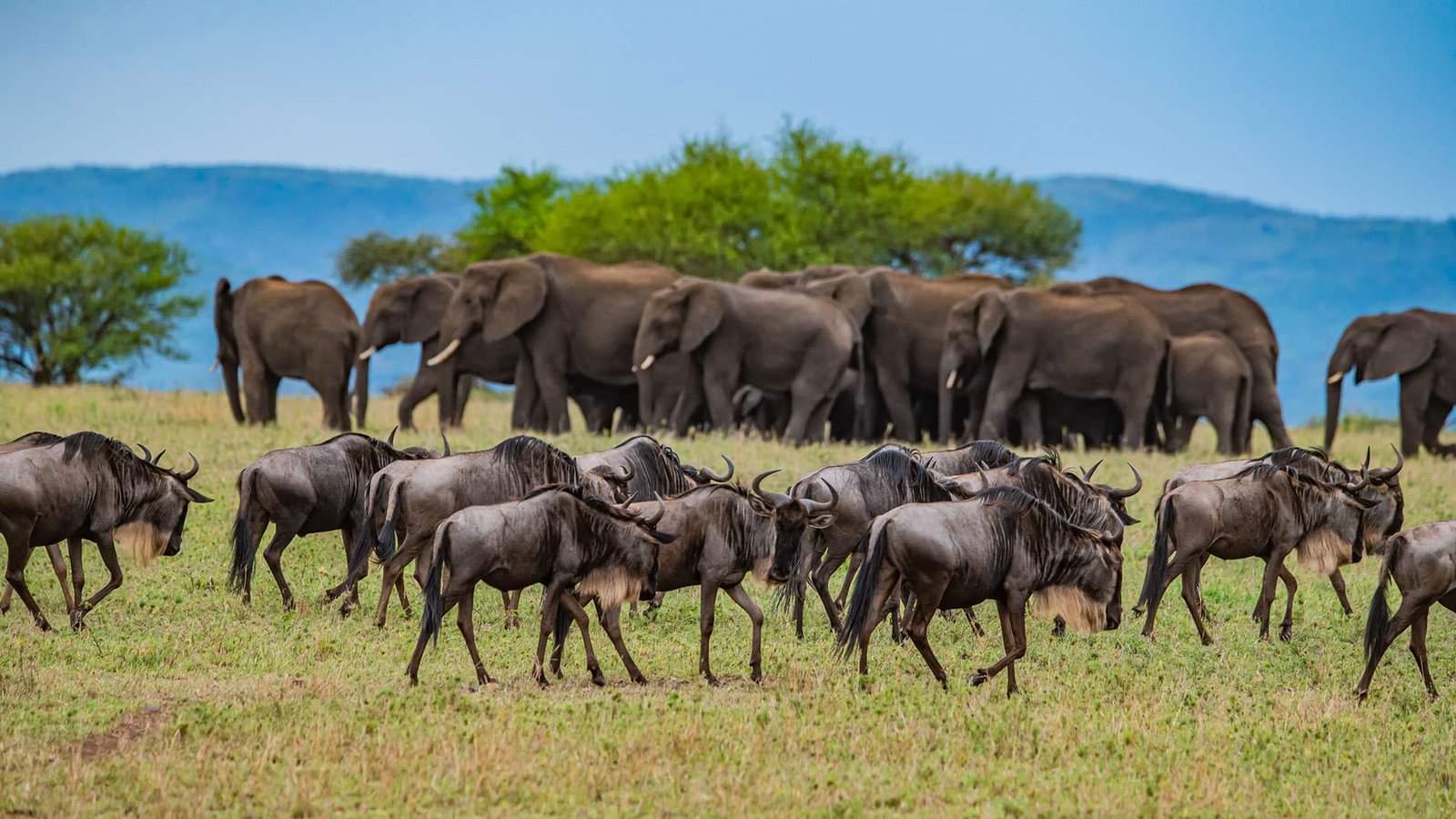
Have you ever imagined going for a game drive in the wild while enjoying a city skyline?

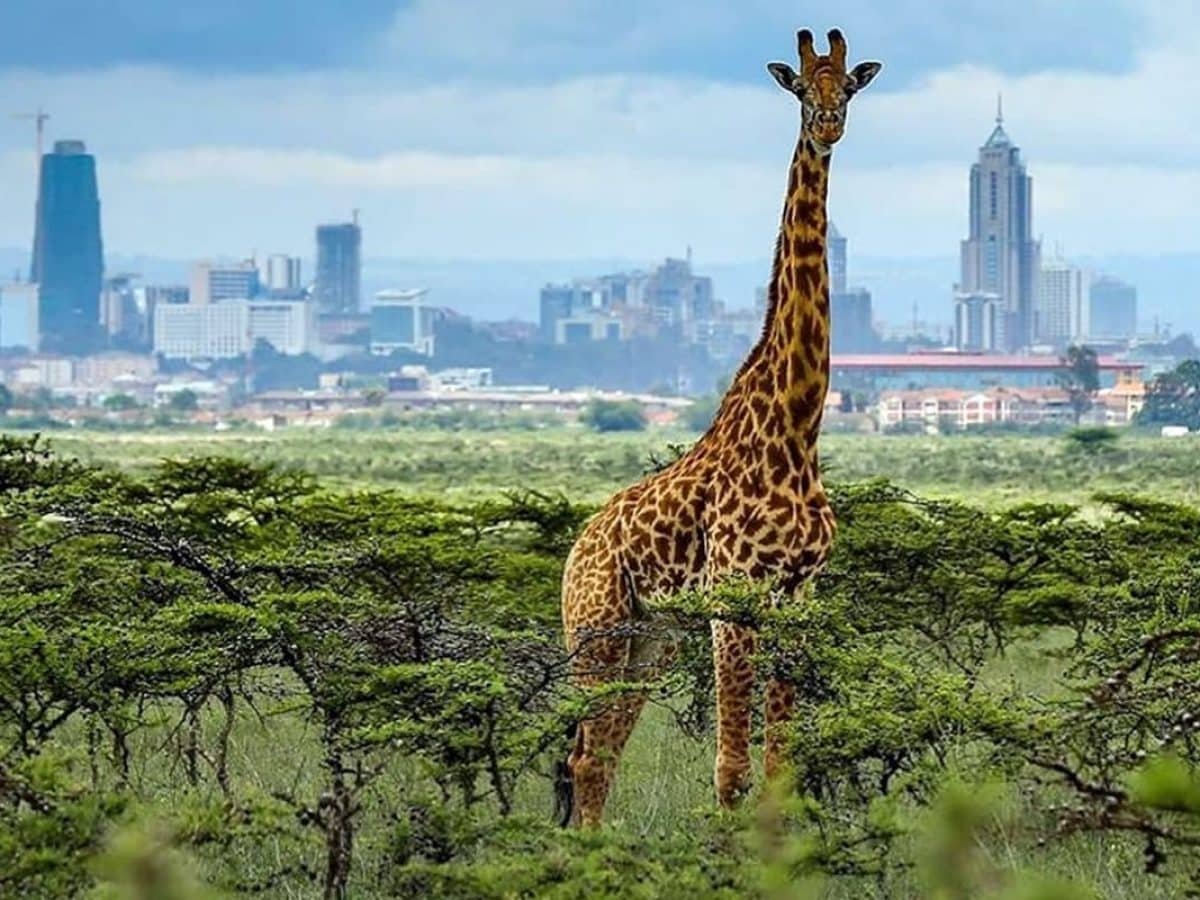
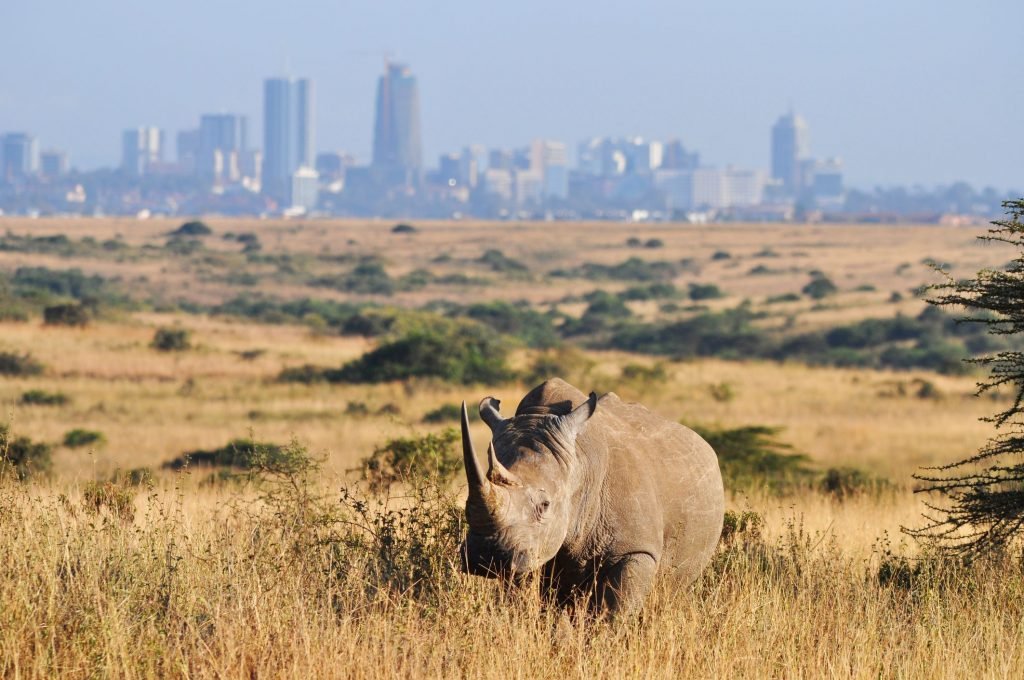
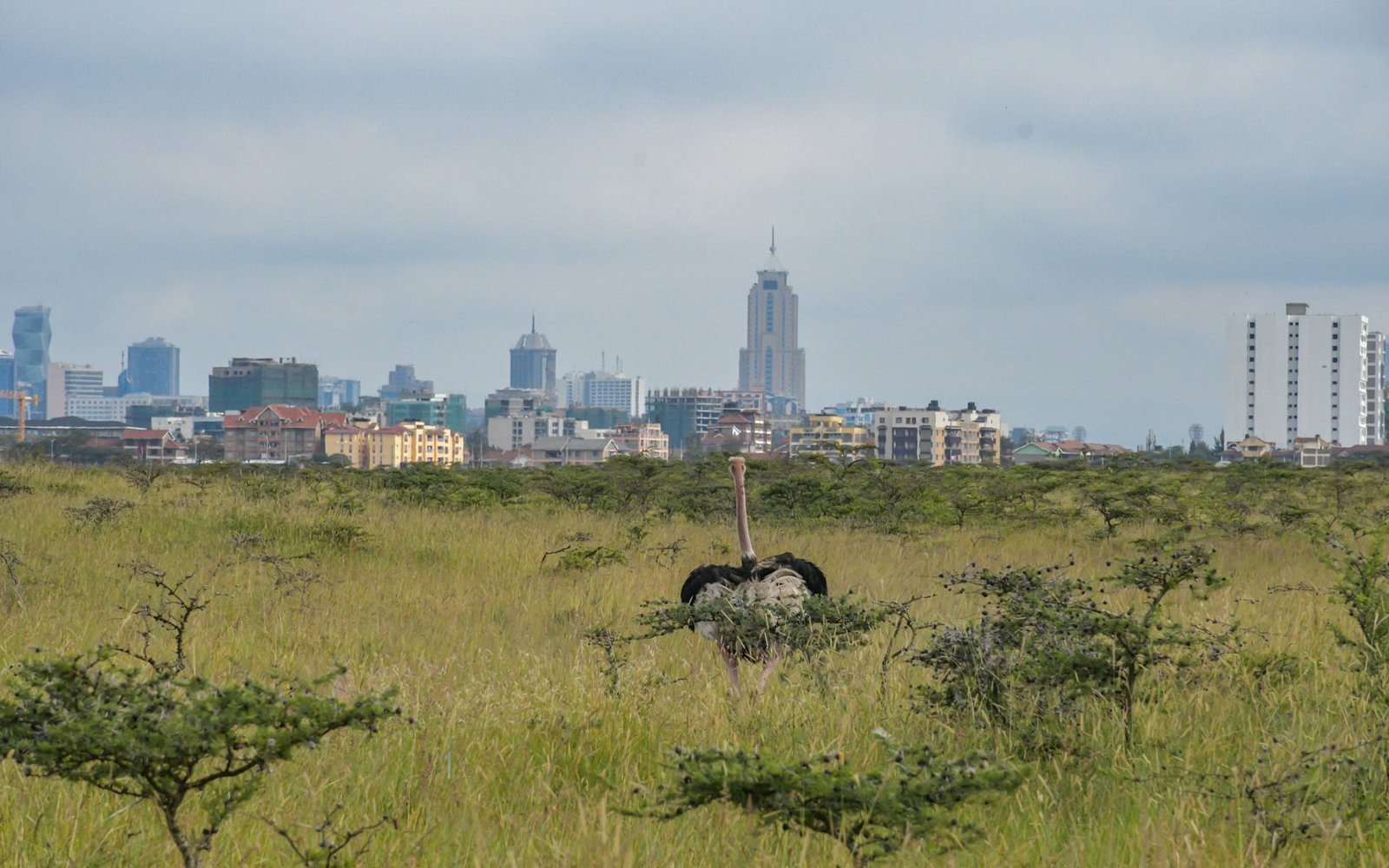
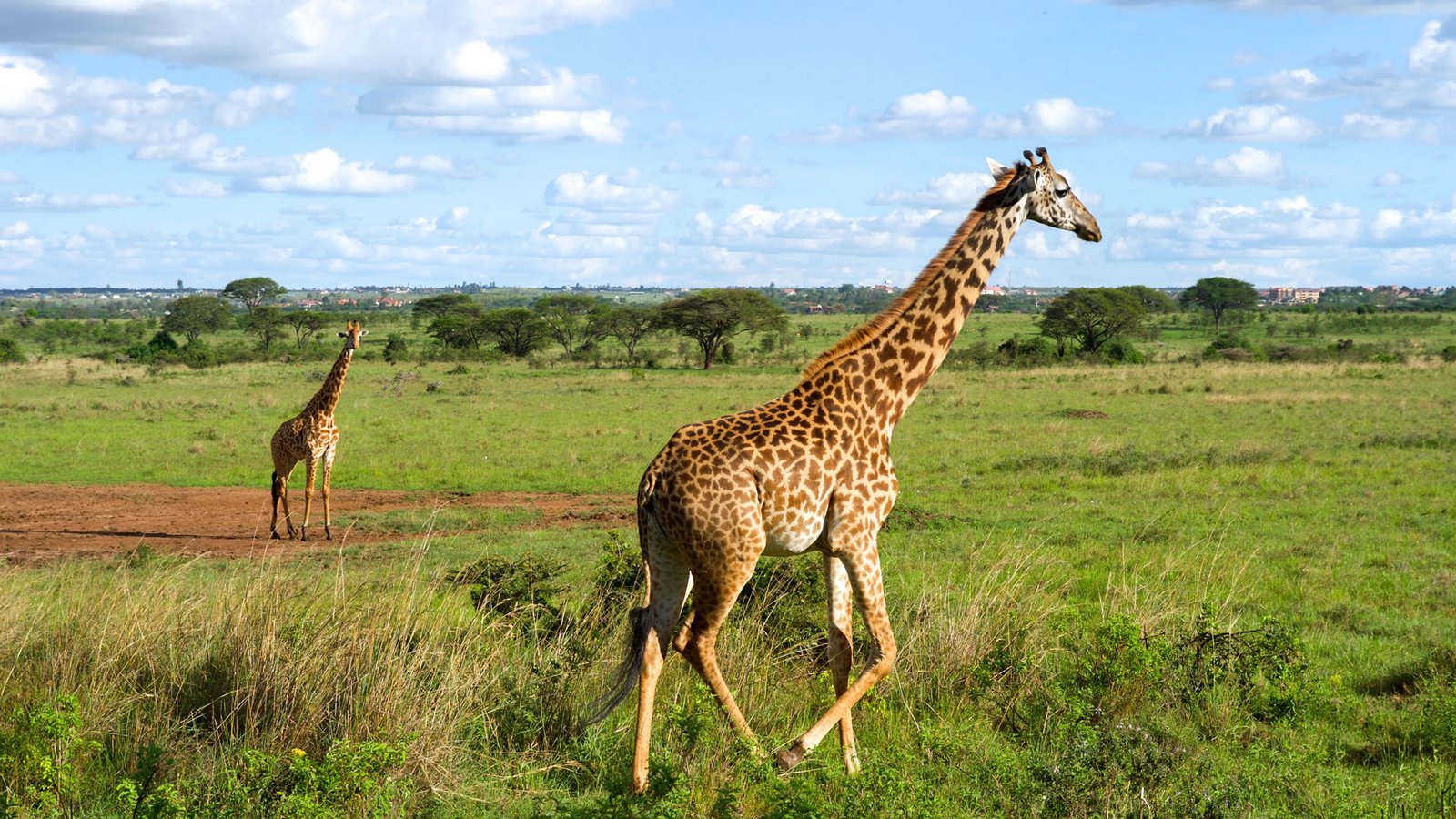
Welcome to Nairobi National Park in the heart of Kenya’s capital city, Nairobi, which offers a unique safari experience in the world, unlike most safari destinations that require long journeys into the remote wilderness area.
Whether you are a first-time visitor, a wildlife enthusiast, a wildlife photographer, or a local traveler who wants to unwind in the wild, the park offers a rare opportunity to experience the magic of a true African Safari without leaving the city.
What Makes Nairobi National Park Special?
- It is the world’s only wildlife park next to a capital city, just minutes from the Nairobi CBD.
- It is Kenya’s first national park to exist.
- The park offers a true safari experience without leaving Nairobi.
- The Nairobi National Park is proof that conservation and urban life can co-exist.
Nairobi National Park History
Before the existence of the park, the area was part of the wider Athi-Kapiti ecosystem, a vast grassland region where wildlife moved freely. In the early 20th century, as the city expanded, wildlife habitats became increasingly threatened, and this led to the establishment of the Nairobi National Park in 1946.
The creation of the park was driven by growing concerns that:
- Wildlife populations were declining
- Hunting pressure was increasing
- Nairobi’s expansion was reducing natural habitats
Therefore, conservationists pushed for a protected area where wildlife could survive near the city, which marked a major turning point in Kenya’s conservation history.
How to Get to Nairobi National Park
The Nairobi National Park is one of the easiest safari destinations to access because it is located in Kenya’s capital city, Nairobi.
You can get there through self-driving in a private vehicle, Uber, Bolt, safari vehicle from your hotel, or airport transfer from the Jomo Kenyatta International Airport.
Best Things to Do in Nairobi National Park
- Game Drives: This is one of the major reasons why most people visit the park. During your morning or afternoon game drive, the park allows you to experience the wild while enjoying the beauty of Nairobi’s skyline.
- Visiting the Nairobi Safari Walk is always a great addition after the game drive, where you get to see wildlife at proximity in their natural habitat.
- Enjoy birdwatching.
- Take perfect shots of wildlife in the golden grassland.
- Have a picnic with a view surrounded by open grassland and wildlife.
Best Places to Stay in Nairobi
Choosing where to stay after your Nairobi National Park safari depends on the kind of experience that you want. Whether you want luxury, convenience, a nature experience, mid-range, or budget-friendly accommodation.
Therefore, the best locations to consider staying are usually around Karen, Westlands, Kileleshwa, Kitusuru, Ngong Road, or the city center because they provide easy access to the park.
Also, some of the recommended hotels are:
- Emara Ole-Sereni
- Villa Rosa Kempinski
- Sarova Stanley
- Four Ways Sheraton
Best Time to Visit Nairobi National Park
Unlike most safari destinations in Kenya, the Nairobi National Park is an all-year-round destination, and each season offers something unique.
● Dry Season ( June to October)
During this season, you will get to experience easy wildlife spotting as they gather around water sources or in the bushes. Moreover, roads are always easier to navigate, and photographic conditions are at their best.
● Wet Season ( April to May)
April and May are known to be the season with heavier rainfall, which makes it less popular for safari experiences.
However, there are advantages. In that, the park becomes beautifully green, birds are active, and there are fewer crowds compared to the dry season, hence offering a more private safari experience.
Nairobi National Park Entrance Fee
According to the Kenya Wildlife Service, the park’s entrance fees are not standard for everyone but depend on whether you are a Kenyan citizen, a Kenyan resident, an African visitor, or an international tourist.
Note that these fees are charged per person and are generally valid for a single-day entry. Also, for children, they are charged half the adult price.
- Kenya resident ( adult): KES 1,350
- Kenya resident ( child): KES 675
- East Africa Citizen ( Adult): KES 1,000
- East Africa Citizen ( child): KES 500
- Non-Resident (Adult): USD 80
- Non-Resident ( child): USD 40
- Africa Citizen ( Adult): USD 40
- Africa Citizen ( Child): USD 20
Travel Tips when Visiting Nairobi National Park
- The biggest mistake that most travelers make is arriving late. This destination requires you to be there early, between 6:00 AM and 6:30 AM, since wild animals are most active during the early hours after sunrise. For instance, you are likely to see animals like lions from their hunting activities.
- Do not expect a zoo experience. Wildlife does not follow a schedule. You might spend hours searching in the open plains before spotting a major animal. Therefore, during those uncertainties, your tour guide will help you read clues like fresh footprints, alarm calls from birds, movements in tall grass, and even areas where prey animals gather.
- Do not go for the game drive alone, ensure that you are accompanied by a knowledgeable tour guide.
- During the game drives, your eyes alone are not enough to see wildlife clearly. Ensure you carry your binoculars with you to spot wild animals that are far away.
- Dress appropriately for the safari with neutral colors like khaki, olive green, or brown. Note that bright colors tend to scare wild animals away.
- A safari can take several hours. Therefore, you are advised to carry water in a reusable water bottle and small snacks since the park has limited shops or restaurants.
- Use a 4*4 safari vehicle, which is more comfortable and offers better visibility.
- Respect wild animals and just observe them from a distance.
- Do not treat Nairobi National Park like a major activity in the city. It is usually a half-day activity; therefore, ensure you combine it with other Nairobi experiences like visiting the Giraffe Center, the David Sheldrick Wildlife Trust, the Karen Blixen Museum, or the Nairobi National Museum and make your experience one for the books.
Conclusion
To wrap up, the Nairobi National Park is proof that adventure does not always require a long journey. From unforgettable sunrise game drives, rare wildlife encounters, and many more that ensure you have a memorable experience.
Information and facts
Country: Kenya
Best time to visit: July to October and January to February.J
Park highlights
- The World's Only Wildlife Park Within a Capital City: Nairobi National Park is the only national park located just minutes from a major city, offering an incredible safari experience with the skyline of Nairobi as a unique backdrop.
- Abundant Wildlife: The park is home to over 100 mammal species, including lions, leopards, cheetahs, buffaloes, giraffes, zebras, elands, hartebeests, impalas, and numerous antelope species.
- Black Rhino Sanctuary: Nairobi National Park is one of Kenya's most successful black rhino conservation areas, providing visitors with excellent opportunities to see this endangered species.
- Excellent Game Drives: Well-maintained roads make it easy to explore the park on morning, afternoon, or full-day game drives, with high chances of spotting wildlife.
- Rich Birdlife: Bird enthusiasts can observe more than 400 bird species, including ostriches, secretary birds, crowned cranes, martial eagles, vultures, and various waterbirds.
- Ivory Burning Site Monument: Visit the historic Ivory Burning Site, where Kenya demonstrated its commitment to wildlife conservation by destroying confiscated ivory in a landmark anti-poaching initiative.
- Scenic Landscapes: The park features open grasslands, acacia woodlands, riverine forests, rocky valleys, and seasonal wetlands that support diverse wildlife habitats.
- Nairobi Safari Walk: Located near the park entrance, the Nairobi Safari Walk offers elevated boardwalks and educational exhibits showcasing Kenya's diverse ecosystems and wildlife.
- Animal Orphanage: The Nairobi Animal Orphanage provides care for rescued and injured wild animals while educating visitors about conservation.
- Photography Opportunities: Capture stunning images of wildlife roaming freely against the backdrop of Nairobi's modern skyline—a rare contrast found nowhere else in the world.
- Ideal for Short Safaris: Its close proximity to the city and Jomo Kenyatta International Airport makes the park perfect for travelers with limited time or those beginning or ending a Kenya safari.
- Conservation Success Story: As Kenya's oldest national park, Nairobi National Park plays a vital role in protecting endangered wildlife and promoting conservation, making it both an exciting safari destination and an important ecological treasure.