
Can a single safari change the future of endangered wildlife? At Ol Pejeta Conservancy, the answer is yes. Every game drive, every entrance ticket, and every overnight stay helps protect some of Africa’s most threatened species, tucked away in the scenic landscapes of Laikipia.
Whether you are chasing your dream of seeing the Big Five or simply looking for a safari with purpose, Ol Pejeta delivers an experience you will live to remember even after you leave.
Why Visit Ol Pejeta Conservancy
- If you are looking for a safari that offers more than just wildlife sightings, Ol Pejeta Conservancy is the perfect destination. Here, every game drive, guided walk, and overnight stay contributes to protecting the endangered species and supporting local communities. It is a place where unforgettable adventures meet meaningful conservation, making every visit truly worthwhile.
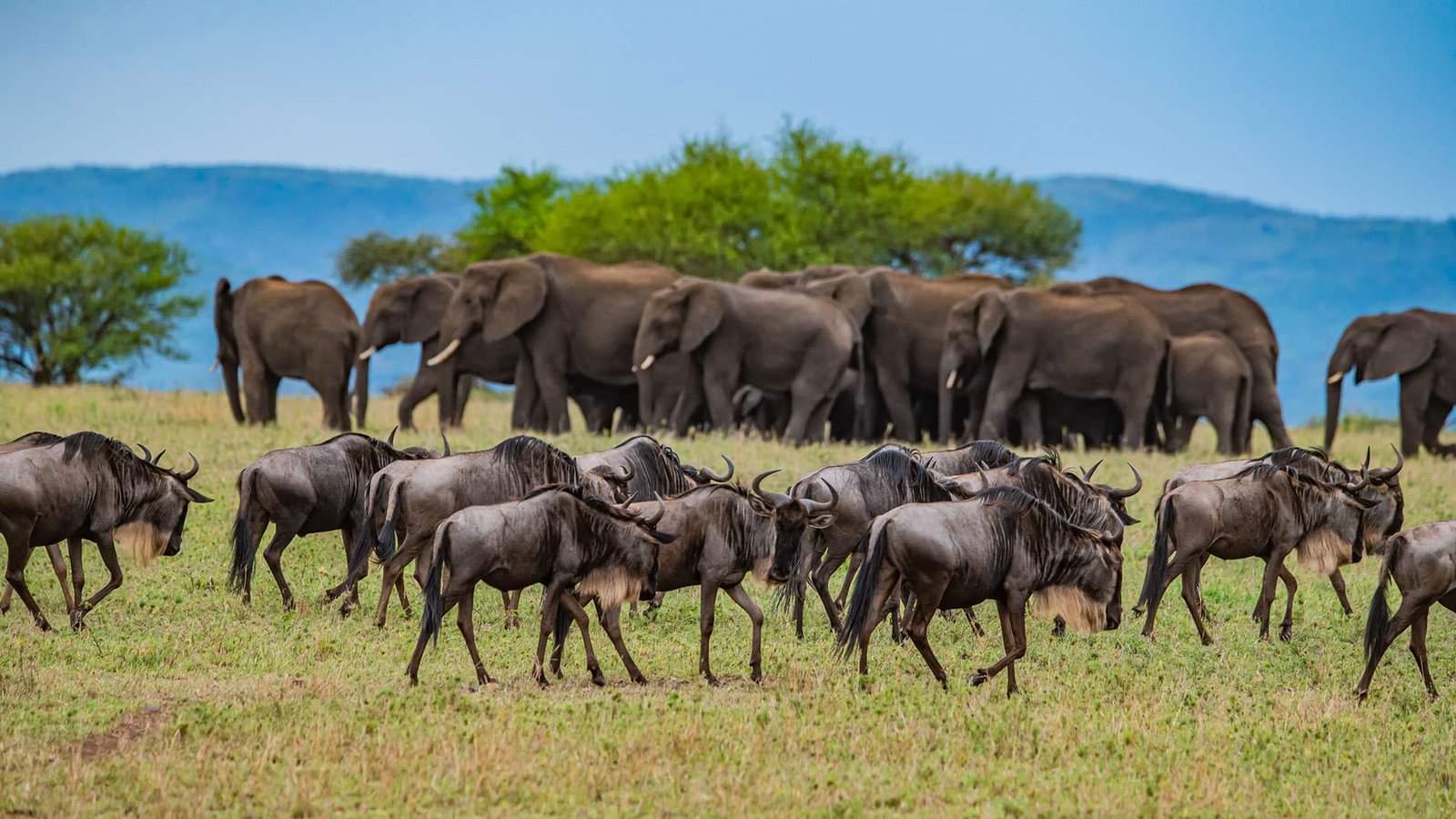
2. Ol Pejeta is one of the best places in Kenya to spot the Big Five, such as lions, leopards, elephants, buffalo, and rhinos.
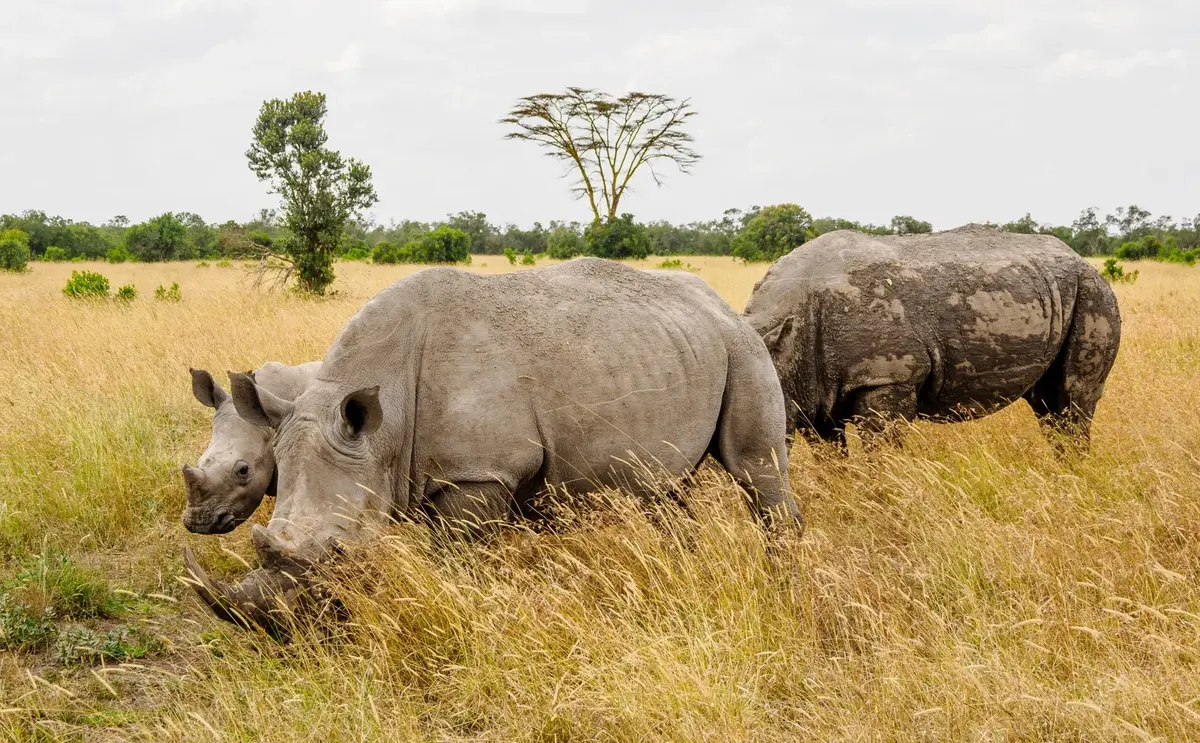
3. You will get the opportunity to meet the world’s two northern white rhinos, Najin and Fatu.
4. Compared to other Kenyan safari destinations that are overcrowded, Ol Pejeta offers a quieter and more relaxed safari experience.
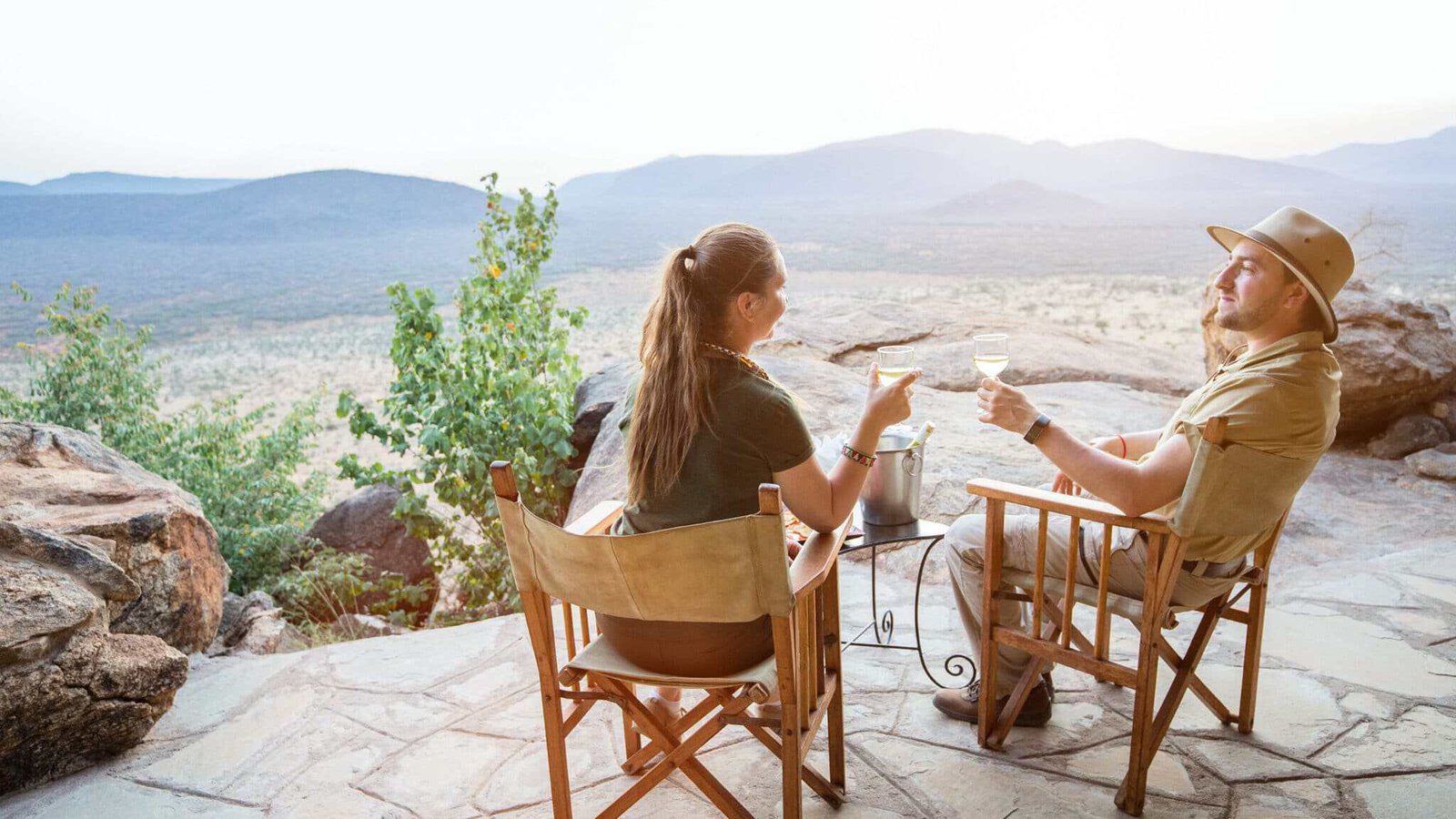
5. At Ol Pejeta, you will enjoy unique safari experiences like night game drives, lion tracking, guided bush walks, horseback safaris, and visiting the chimpanzee sanctuary and watching beautiful sunrise and sunset with a backdrop of Mount Kenya.
Where is Ol Pejeta Conservancy Located
The Ol Pejeta Conservancy is located in Laikipia County, Central Kenya, between the foothills of Mount Kenya and the Aberdare Ranges, covering approximately 90,000 acres, which lies just west of Nanyuki Town, making it one of the most accessible safari destinations from Nairobi.
The Story behind Ol Pejeta Conservancy
Ol Pejeta’s story began in the early 20th century when the land was primarily used for cattle ranching. For decades, livestock farming dominated the landscape, with wildlife sharing the plains alongside grazing cattle.
As Kenya’s tourism industry grew, wildlife populations faced increasing threats from habitat loss and poaching, and that is where the potential to transform the ranch into a conservation area became clear.
In 2004, the property was officially established as Ol Pejeta Conservancy with a mission to balance wildlife conservation, sustainable tourism, livestock management, and community development.
In 2009, 4 northern white rhinos were transferred from the Czech Republic to Kenya in a last attempt to save the subspecies from extinction. Although 2 passed away, Najin and Fatu are the only ones that have survived under constant protection at Ol Pejeta Conservancy.
How to Get to Ol Pejeta Conservancy
The Ol Pejeta Conservancy is one of Kenya’s most accessible safari destinations, whether you prefer a scenic road trip or a quick domestic flight.
By Road
Driving to the destination is the most common and flexible way of reaching Ol Pejeta, especially if you are planning a self-drive safari or traveling with a tour operator. From Nairobi, the distance is approximately 210 to 220 km, taking about 3 to 4 hours depending on the traffic.
By Air
Flying is the fastest option for travelers with limited time or those combining multiple safari destinations. Daily schedule flights operate from the Wilson Airport in Nairobi to the Nanyuki Airstrip, taking approximately 40 to 45 minutes. From the airstrip, you will take a 45-minute road transfer to the Ol Pejeta Conservancy.
Also, private charter flights can land at Ol Pejeta airstrip, making it convenient for luxury safaris.
Wildlife You Expect to See at Ol Pejeta Conservancy
- The Big Five
- The world’s last two Northern white rhinos, Najin & Fatu
- Chimpanzees
- Grevy’s Zebra
- African wild dog
Best Things to Do at Ol Pejeta Conservancy
Here are some of the top activities you should not miss doing at Ol Pejeta, whether you are visiting for a few hours or staying several days.
- Go on a Big Five Game Drive
- Meet the world’s last two northern white rhinos
- Visit the Sweetwaters Chimpanzee Sanctuary
- Experience a night Game Drive
- Join the lion tracking experience
- Enjoy a guided bush walk
- Go for horse riding
- Capture incredible wildlife photography
- Watch a spectacular sunrise and sunset
- Learn about conservation
Best Time to Visit Ol Pejeta Conservancy
June to October are the best months to visit the Ol Pejeta Conservancy, which is considered the dry season with better wildlife viewing.
Ol Pejeta Conservancy Entry Fees
Ol Pejeta Conservancy charges entry fees based on your residency status as follows;
East African Citizens
- Adults KES 2,000
- children: KES 1,000
- Students: KES 500
East African Residents
- Adults: KES 3,500
- Children: KES 1,750
- Students: 500
Non-residents
- Adults: USD 110
- Children: USD 55
- Students: USD 32
Vehicle Entry
- Up to 6 seats: KES 1,000
- 7 to 14 seater: KES 5,000
- 15 or more seats: KES 12,000
Inclusions
- Chimpanzee tracking
- Rhino tracking
- All-day game drive
Where to Stay at Ol Pejeta Conservancy
The Ol Pejeta Conservancy offers accommodation to suit every type of traveler, such as:
- Ol Pejeta Bush Camp
- Sweet Waters Serena Camp
- Ol Pejeta House
- Kicheche Laikipia Camp
- Porini Rhino Camp
- Sanctuary Tambarare Camp
- The Stables at Ol Pejeta
Conservation Efforts at Ol Pejeta Conservancy
The Ol Pejeta Conservancy is much more than a safari destination, it is a globally recognized conservation success story where tourism directly supports the protection of endangered wildlife and, to be specific, the world’s last two remaining northern white rhinos, Najin and Fatu, whose survival symbolises global efforts to prevent extinction.
Some of the conservation efforts at the Ol Pejeta Conservancy are;
- Ol Pejeta has a highly trained anti-poaching unit that patrols the conservancy around the clock using modern surveillance technology, intelligence gathering, canine units, and regular ranger patrols. These efforts have made the conservancy one of the safest places for rhinos in Africa.
- Unlike many wildlife reserves in Kenya, Ol Pejeta Conservancy is home to the Sweetwaters Chimpanzee Sanctuary, the sanctuary in Kenya dedicated to rescued and orphaned chimpanzees.
- Apart from rhinos and chimpanzees, the conservancy is also home to diverse wild animals including elephants, lions, leopards, cheetahs, Grevy’s zebras, African wild dogs, and hundreds of bird species.
- The conservancy has also embraced working with local communities by creating economic opportunities linked to wildlife conservation. It encourages long-term co-existence between people and nature.
- Every guest who visits Ol Pejeta contributes directly to conservation through entrance fees, accommodation, guided activities, and donations.
Travel Tips
When visiting the Ol Pejeta Conservancy, a little preparation can make the difference between a good safari and an unforgettable one.
Here are some of the best practical tips to help you get the most out of your visit to Ol Pejeta Conservancy.
- Wildlife is most active during the early morning hours when temperatures are cooler. Therefore, plan to enter the conservancy as early as 7:00 AM so as to maximize your chances of spotting abundant wildlife like lions, elephants, rhinos, and other animals. Gates are open daily from 7:00 am to 7:00 pm.
- Choose to wear comfortable, neutral -coloured clothing in earthy colours such as khaki, olive green, beige, or brown to blend with the surroundings. Since the Ol Pejeta sits at a high altitude, mornings and evenings can be surprisingly chilly, so do not forget to pack a warm jacket or fleece for game drives.
- Pack safari personal essentials like sunscreen, sunglasses, a wide-brimmed hat, insect repellent, etc.
- Ol Pejeta Conservancy offers online booking for entry fees and activities, allowing you to avoid queues and secure unique experiences like lion tracking or guided game drives before you visit. So, make sure you book early.
- Remember, you are visiting a protected wildlife conservancy. Stay inside your vehicle the entire trip unless you are on a guided activity that requires you to be out of the vehicle. Also, ensure you keep a safe distance from wild animals, avoid feeding wildlife, and always follow your guide’s instructions.
- If you are self-driving, obey the conservancy’s speed limit and stay on marked tracks to increase your chances of spotting animals hidden in the grass or under trees.
- Visitors should have a valid passport, national ID, or other residency documents, as they may be required to verify the correct ticket category at the entrance gates.
- While a day trip to the Ol Pejeta Conservancy is worthwhile, spending a night inside or near the conservancy allows you to enjoy sunrise and sunset game drives, night safaris, and a more relaxed pace without feeling rushed.
- A visit to the Ol Pejeta Conservancy pairs perfectly with other attractions in Central and northern Kenya.
Therefore, consider combining your visit with:
Mount Kenya National Park
Samburu National Reserve
Aberdare National Park - Visit during the dry season from June to October or January to March for better wildlife viewing.
Final Thoughts
In Kenya, most safaris are remembered for the wild animals they see, and others stay with you because of the stories behind them. When it comes to Ol Pejeta, it offers both. From standing just metres away from the world’s last two northern white rhinos to watching conservation in action, every visit becomes part of a much bigger story.
If you are looking for a safari that combines unforgettable wildlife with meaningful impact, Ol Pejeta deserves a place at the top of your travel list.
Information and facts
Country: Kenya