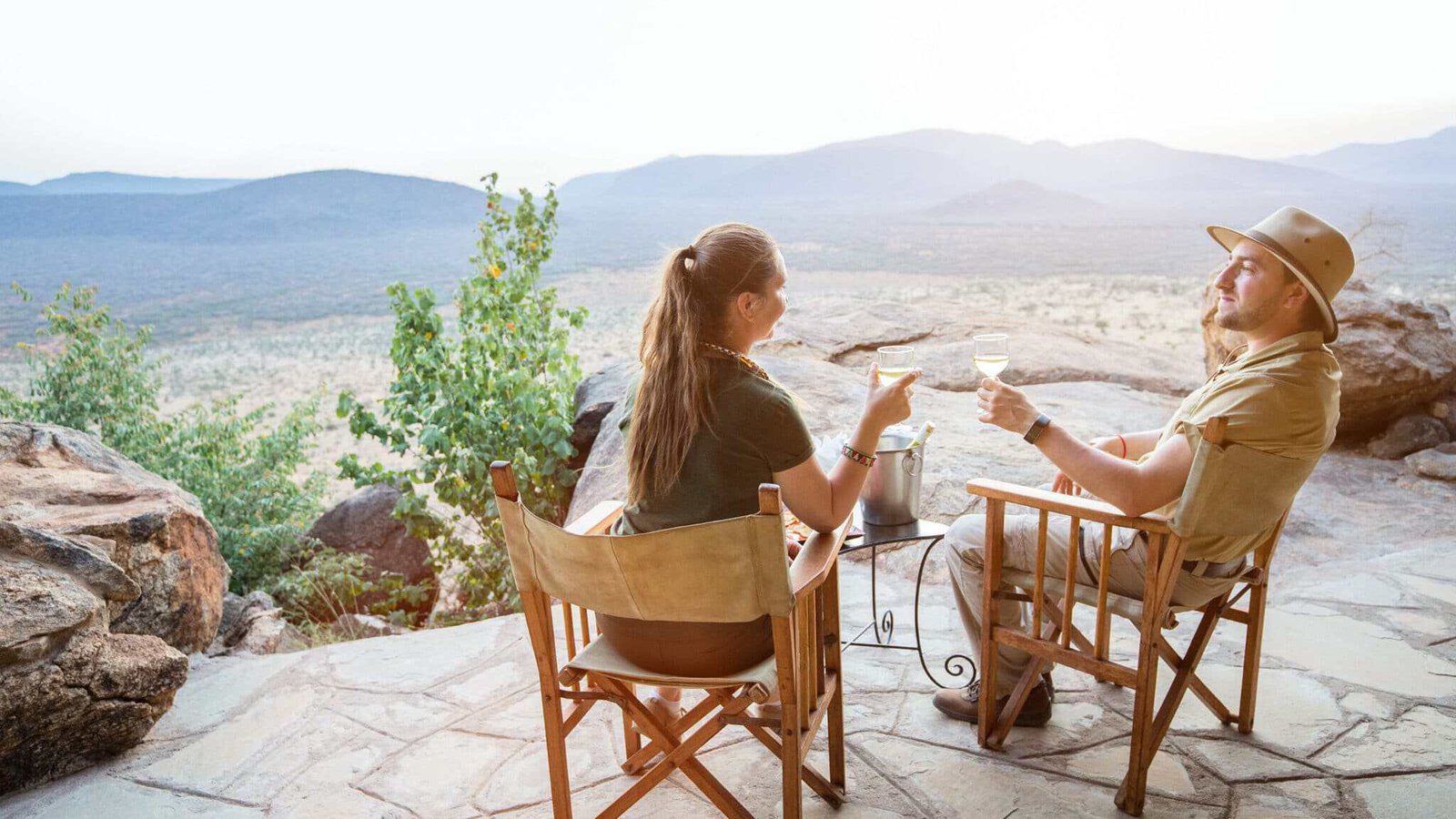

Shimba Hills National Reserve is one of the most distinctive wildlife destinations on Kenya’s coast. Located in Kwale County, a short drive from Diani Beach, the reserve combines rolling green hills, coastal forest, open grassland, wildlife, birdlife and scenic viewpoints in one compact destination.
Unlike the wide savannah landscapes of the Masai Mara or Amboseli, Shimba Hills feels greener, quieter and more intimate. Wildlife sightings often come unexpectedly as animals emerge from forest edges or disappear into thick vegetation. This gives the reserve a completely different character from Kenya’s more famous safari parks.
For travellers staying in Diani Beach, Mombasa or the wider South Coast, Shimba Hills National Reserve is particularly attractive because it can be visited as a day trip without committing several days to a traditional safari circuit.
This guide has been written from a practical safari-planning perspective, focusing on what visitors should realistically expect, how to prepare, what wildlife can be seen, how much time to allow and how Shimba Hills fits into a wider Kenya safari itinerary.
Why Visit Shimba Hills National Reserve?
Shimba Hills is best suited to travellers looking for more than a conventional game drive.
The reserve combines wildlife viewing with beautiful scenery, forest environments, walking experiences and the famous Sheldrick Falls. This mixture makes it especially suitable for travellers who enjoy nature and landscapes as much as large animals.
One of the biggest advantages is its proximity to Kenya’s South Coast.
Travellers staying in Diani Beach do not need to travel for five or six hours to experience wildlife. An early departure from the coast allows visitors to enjoy a game drive, explore scenic areas and return to their hotel later the same day.
From experience planning coastal safari extensions, this makes Shimba Hills particularly valuable for families, honeymooners and travellers with limited time.
However, it is important to have realistic expectations.
Shimba Hills should not be chosen because someone expects wildlife concentrations comparable to the Masai Mara. Vegetation is much thicker, and animals can be more difficult to spot. The attraction is the combination of wildlife, forest, scenery and tranquillity.
What Makes Shimba Hills Different From Other Kenya Safari Parks?
Many visitors imagine Kenya as an endless landscape of golden grass with lions, elephants and giraffes clearly visible in the distance.
Shimba Hills is different.
Much of the reserve is lush and green. Forests, shrubs, open grassland and undulating hills create a landscape where wildlife can appear and disappear quickly.
This makes game viewing slower and more observational.
A guide may notice tracks, broken branches or movement at the edge of the forest before an animal becomes visible. Visitors who enjoy patient wildlife watching often appreciate this style of safari.
The reserve also offers something that many major safari areas cannot easily provide: a wildlife experience conveniently combined with a beach holiday.
You can spend the morning surrounded by forest and elephants and, later that same day, return to the Indian Ocean.
The Sable Antelope: Shimba Hills’ Signature Wildlife Species
Shimba Hills National Reserve is especially famous for the sable antelope.
The sable is one of Africa’s most striking antelope species. Adult males develop a dark coat, contrasting facial markings and impressive curved horns that sweep backwards over the body.
For many safari travellers, seeing a sable antelope is one of the main reasons to visit Shimba Hills.
However, sightings should never be presented as guaranteed.
The reserve contains thick vegetation, and sable antelope can sometimes remain hidden away from the main tracks. A good safari guide understands this and will explain that finding them may require patience.
This is an important part of responsible safari planning.
Professional safari operators should never promise wild-animal sightings. They should instead explain where animals are commonly found, what conditions may affect sightings and why wildlife remains unpredictable.
Elephants in Shimba Hills
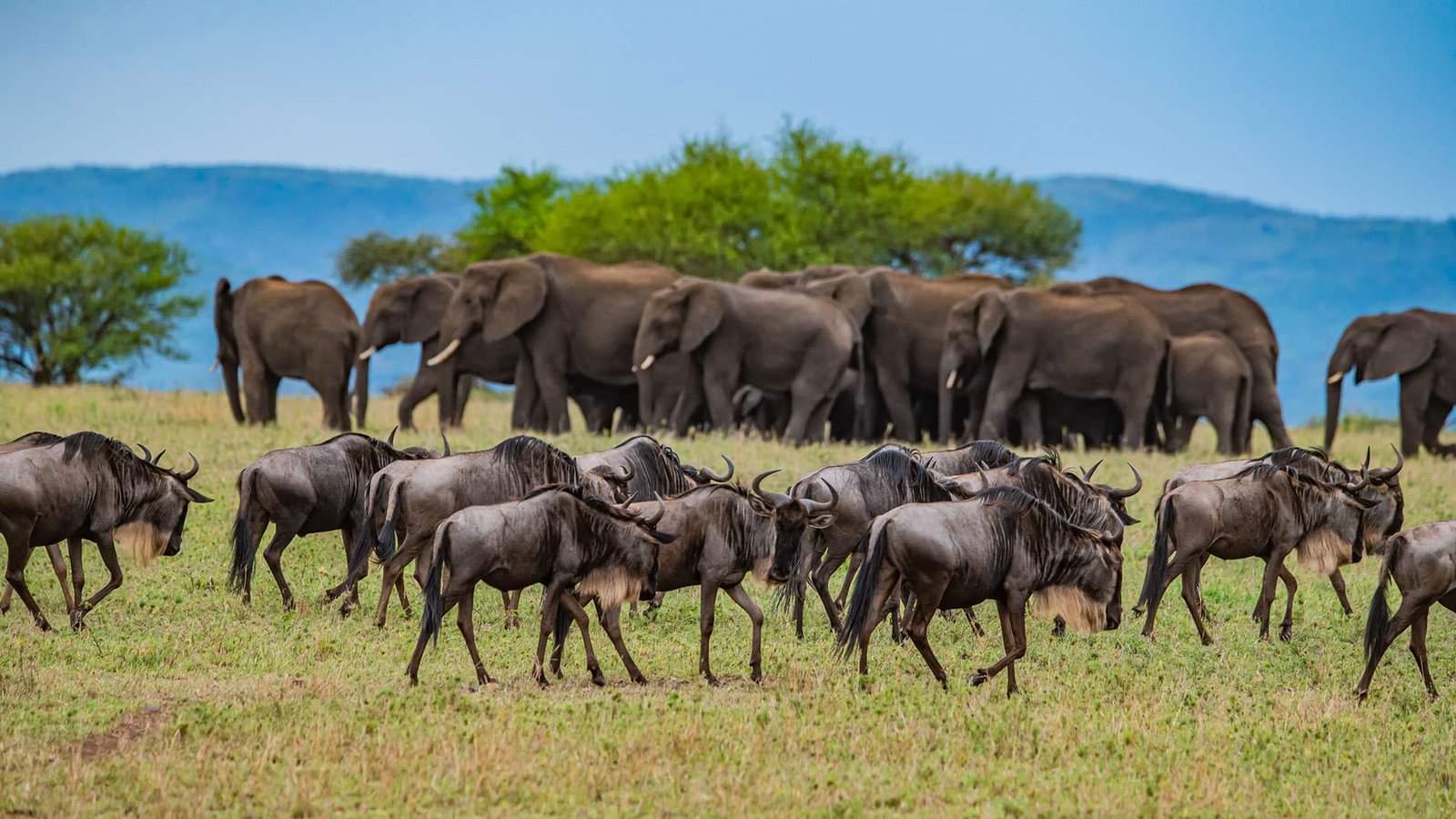
Elephants are another major attraction.
Shimba Hills provides suitable habitat for elephants, and visitors may encounter them during game drives through the reserve.
The experience can feel quite different from Amboseli.
In Amboseli, elephants are often seen crossing wide open plains. In Shimba Hills, an elephant may emerge quietly from thick vegetation beside the road and disappear again only moments later.
This type of sighting can feel particularly intimate.
Visitors should always remain inside the safari vehicle unless instructed otherwise in designated areas and should follow the guide’s directions around elephants.
Elephants can be calm and relaxed, but they remain wild animals and should always be given space.
Experienced guides watch body language carefully and know when to remain stationary, reverse slowly or give an animal more room.
Other Wildlife in Shimba Hills National Reserve
Although elephants and sable antelope receive much of the attention, the reserve supports many other animals.
Visitors may encounter buffaloes, warthogs, bushbuck, monkeys and several smaller mammal species.
Wildlife density and visibility vary.
Because of the vegetation, visitors should avoid judging the success of a Shimba Hills safari only by the number of large mammals photographed.
A quieter drive may reveal birds, butterflies, smaller animals, unusual plants and beautiful forest scenes that would easily be overlooked in a destination focused entirely on the Big Five.
This is one of the reasons Shimba Hills works particularly well for returning safari travellers who want to see a different side of Kenya.
Sheldrick Falls
Sheldrick Falls is one of the best-known attractions inside Shimba Hills National Reserve.
The waterfall lies within a lush natural setting and provides a completely different experience from sitting inside a safari vehicle.
Visitors normally reach the falls by following an established walking route accompanied according to current park requirements.
The walk allows travellers to experience the reserve at ground level.
You begin noticing things that disappear during a game drive: insects moving between plants, bird calls from inside the forest, animal tracks, flowers and changes in vegetation.
For visitors who enjoy walking and outdoor activities, Sheldrick Falls can become one of the highlights of a Shimba Hills day trip.
What to Expect on the Walk to Sheldrick Falls
The Sheldrick Falls excursion should not be treated as an effortless roadside stop.
Walking conditions can vary depending on weather.
On hot days, the combination of coastal temperatures and humidity can make the walk tiring. After rain, some sections may become muddy or slippery.
Comfortable closed walking shoes are recommended.
Carry sufficient drinking water, use sun protection and follow the ranger or guide’s instructions throughout the walk.
Travellers with mobility difficulties, medical limitations or very young children should discuss the walking conditions with their tour operator before including the falls.
A professional safari planner should be willing to recommend a game-drive-only itinerary when the walk is unsuitable.
Birdwatching in Shimba Hills
Shimba Hills can be extremely rewarding for bird enthusiasts.
Its mixture of coastal forest, grassland and woodland creates different habitats within a relatively small area.
Birdwatching is especially enjoyable in the early morning when temperatures are cooler and activity is often higher.
Visitors interested in birds should carry binoculars and tell their guide in advance.
This small detail makes a significant difference.
A guide who knows that guests are interested in birds will naturally slow down, listen for calls and spend more time scanning tree canopies and grassland edges instead of concentrating entirely on large mammals.
Serious birdwatchers may benefit from arranging a private vehicle rather than joining a standard group safari.
The Landscape and Scenery
The landscape is one of the strongest reasons to visit Shimba Hills National Reserve.
The reserve’s rolling hills create broad views over forest, grassland and the surrounding coastal region.
At certain viewpoints, the scenery becomes the main attraction.
Photographers should allow time for landscape images rather than concentrating only on animals.
Morning light can create soft layers across the hills, while later in the day the changing sky can dramatically transform the landscape.
This visual variety makes Shimba Hills particularly suitable for travellers who want a mixture of wildlife photography and scenery.
Coastal Forest Experience
The coastal forest gives Shimba Hills much of its personality.
Travelling through shaded forest roads feels completely different from driving across the open savannah.
Trees, shrubs, vines and dense undergrowth create a rich environment where wildlife may remain hidden only a few metres from the road.
This is why patience matters.
Visitors who rush through the reserve in search of one particular species may miss much of what makes the destination interesting.
A knowledgeable guide will frequently stop, listen and scan areas where wildlife movement is likely.
The quieter pace is part of the Shimba Hills experience.
Game Drives in Shimba Hills National Reserve
Game drives are the main way to explore the reserve.
Visitors travel along designated tracks while searching for wildlife and enjoying the scenery.
Early mornings are normally an excellent time to begin.
Temperatures are cooler, the light is good for photography and the reserve feels particularly peaceful.
Late afternoon can also provide beautiful light and increased wildlife activity.
For most visitors, a private safari vehicle provides the best flexibility.
It allows the guide to stop for longer when wildlife is found, spend more time looking for sable antelope and adjust the pace according to the guests’ interests.
Shared tours can be more affordable but normally offer less flexibility.
Shimba Hills From Diani Beach
Shimba Hills is one of the most convenient wildlife excursions from Diani Beach.
This is where the reserve has a major advantage over many other Kenya safari destinations.
Travellers can leave their beach hotel early in the morning, spend several hours exploring the reserve and return without needing to change accommodation.
A typical full-day excursion may include a morning game drive, scenic viewpoints, Sheldrick Falls where appropriate and lunch before returning to Diani.
For someone spending five or six nights at the coast, adding one safari day creates excellent variety.
Instead of spending the entire beach holiday around the hotel, visitors get to experience another part of Kenya without disrupting the relaxing nature of their coastal stay.
Shimba Hills From Mombasa
Travellers staying in Mombasa can also visit Shimba Hills.
The journey is longer than from Diani because visitors need to travel south toward Kwale.
Traffic conditions can affect travel times, particularly around busy urban areas and coastal roads.
This should be considered when planning departure times.
An early departure is generally better because it maximises time inside the reserve and avoids turning the excursion into a rushed afternoon visit.
Travellers staying on the North Coast should speak with their safari company about whether Shimba Hills remains practical as a day trip or whether an overnight arrangement would be more comfortable.
Best Time to Visit Shimba Hills National Reserve
Shimba Hills is a year-round destination, but conditions change with the seasons.
Drier periods generally make walking and road travel easier.
Vegetation may also become less dense in some areas, potentially making certain wildlife sightings easier.
Wetter months bring a very different experience.
The reserve becomes intensely green, waterfalls and vegetation can look particularly impressive and the landscape is beautiful for photography.
However, rain can make walking trails slippery and some roads more challenging.
There is therefore no single perfect time for every traveller.
Wildlife-focused visitors may prefer drier conditions, while photographers and nature lovers may enjoy the lush scenery of the wetter months.
What to Wear for a Shimba Hills Safari
Light, breathable clothing is suitable for most visits because the coastal region is generally warm.
Neutral colours such as beige, brown, green or khaki work well for wildlife activities.
Closed walking shoes are recommended if visiting Sheldrick Falls.
Visitors should also consider carrying sunscreen, a hat, insect repellent, drinking water and a light rain jacket depending on the season.
Avoid carrying unnecessary luggage.
A small daypack containing water, camera equipment and personal essentials is normally enough for a day trip.
Photography Tips for Shimba Hills
Photographers should approach Shimba Hills differently from open savannah destinations.
Dense vegetation means wildlife may appear suddenly and remain visible only briefly.
Keep the camera ready.
A medium-to-long telephoto lens is useful for animals and birds, while a wider lens works well for landscapes and Sheldrick Falls.
Photographers should also watch exposure carefully when moving between bright grassland and shaded forest.
The contrast can be considerable.
Private safari vehicles are especially useful for photography because they provide more freedom to position the vehicle and wait patiently for the right moment.
Shimba Hills for Families
Shimba Hills can be an excellent addition to a family holiday on Kenya’s coast.
One of the biggest advantages is the relatively short transfer from Diani.
Children can experience a real wildlife reserve without spending an entire day travelling to and from a distant park.
Parents should, however, think carefully about the Sheldrick Falls walk.
Older, active children may enjoy it greatly, while younger children may find the heat and walking distance tiring.
A game-drive-focused trip can still provide an enjoyable family experience.
When planning with children, ask your tour operator about departure time, meal arrangements, toilet stops and whether the vehicle will be private.
These practical details often matter more to families than adding another attraction to the programme.
Shimba Hills for Honeymooners and Couples
Couples staying in Diani can use Shimba Hills to add adventure to a beach honeymoon.
After several days beside the ocean, an early morning safari provides a complete change of scenery.
Private trips work particularly well for couples because there is no pressure to follow the timetable of a larger group.
The day can be paced more slowly, with extra time for photography, viewpoints and wildlife sightings.
For couples combining a major safari with Diani Beach, Shimba Hills is not necessarily essential, but it can be an enjoyable additional excursion when they want one more day in nature.
Shimba Hills for Wildlife Photographers
Wildlife photographers should visit with realistic expectations.
Shimba Hills does not offer the consistent open-space photography associated with the Masai Mara.
Vegetation can obscure animals, and sightings may be brief.
However, those challenges can also produce unusual photographs.
An elephant emerging from dense green forest can create a completely different image from one standing on an open plain.
The sable antelope is another important photographic attraction.
Photographers who prioritise this species should inform the guide beforehand so that more time can be dedicated to areas where sable sightings are possible.
How Long Do You Need in Shimba Hills?
For most travellers staying in Diani, one full day is sufficient.
A full-day itinerary provides enough time for game viewing, scenery and Sheldrick Falls where included.
Half-day excursions are possible but can feel rushed.
Travellers interested in birdwatching, photography or slower nature experiences may prefer additional time.
However, Shimba Hills is normally best used as a complement to a larger Kenya itinerary rather than replacing major safari destinations.
Shimba Hills or Tsavo?
This is a common question for travellers staying at the coast.
The answer depends on available time.
Choose Shimba Hills if you have one day and want wildlife, scenery and a nature experience close to Diani.
Choose Tsavo if wildlife is the main priority and you can dedicate at least two days to the experience.
Tsavo offers a much larger safari ecosystem and generally feels closer to the traditional African safari most visitors imagine.
Shimba Hills is more compact, greener and easier to reach.
They are not direct substitutes.
For travellers with enough time, visiting both provides excellent contrast.
Shimba Hills or Masai Mara?
The Masai Mara and Shimba Hills provide completely different experiences.
The Masai Mara is one of Africa’s premier wildlife destinations, famous for large populations of plains animals, predators and the Great Migration season.
Shimba Hills is a smaller coastal reserve offering forest, hills, sable antelope, elephants, birdlife and waterfalls.
If a traveller only has one opportunity to experience a major Kenyan safari, the Masai Mara normally offers a broader wildlife experience.
If the traveller is already staying in Diani and wants a convenient one-day wildlife excursion, Shimba Hills makes much more practical sense.
Understanding these differences prevents unrealistic expectations.
Combining Shimba Hills With Diani Beach
A Diani and Shimba Hills itinerary is one of the easiest bush-and-beach combinations in Kenya.
For example, travellers could spend four or five nights in Diani and reserve one day for the reserve.
The remaining days can be used for beach relaxation, marine activities, restaurants and other coastal excursions.
This provides variety without repeatedly changing hotels.
For honeymooners and families in particular, staying in one coastal hotel while taking day trips can feel much more relaxing than packing luggage every morning.
Combining Shimba Hills With Tsavo and Amboseli
Travellers who want a more complete safari can combine Shimba Hills with Tsavo and Amboseli.
Each destination offers something different.
Shimba Hills brings coastal forest and hills.
Tsavo provides vast wilderness and classic safari scenery.
Amboseli adds large elephant populations and iconic views toward Mount Kilimanjaro when weather conditions allow.
A well-designed itinerary might begin in Nairobi, continue to Amboseli and Tsavo and eventually reach the coast, with Shimba Hills included as an optional excursion during the Diani stay.
This direction works well because it gradually moves travellers from inland safari country toward the Indian Ocean.
Who Should Visit Shimba Hills?
Shimba Hills is particularly suitable for travellers staying in Diani who want a convenient wildlife experience.
It also suits birdwatchers, photographers, couples, families, nature enthusiasts and travellers who enjoy forest landscapes.
Visitors expecting huge concentrations of animals or continuous predator sightings may find the reserve less dramatic than the Masai Mara.
That does not make Shimba Hills inferior.
It simply serves a different type of traveller.
The best safari destination is always the one that matches the traveller’s expectations.
Responsible Tourism in Shimba Hills
Responsible tourism is especially important in environmentally sensitive areas.
Visitors should remain on designated roads and walking routes, follow instructions from guides and rangers and never attempt to approach wildlife too closely for photographs.
Food should not be given to animals.
Waste should leave the reserve with the visitor.
Noise should also be kept to a reasonable level, particularly around wildlife.
A responsible safari operator should brief guests about park behaviour before or during the visit.
Tourism works best when wildlife protection and visitor enjoyment support one another.
Practical Safari Planning Advice
Before booking a Shimba Hills excursion, ask the tour operator exactly what the programme includes.
Confirm whether park fees are included in the quoted price.
Ask whether the safari vehicle is private or shared.
Confirm whether the Sheldrick Falls walk is included and whether ranger arrangements are required.
Ask where lunch will be served and what happens if weather conditions make the walk unsuitable.
These questions are simple, but they prevent misunderstandings.
Professional Kenya safari companies should provide these details clearly before payment.
Safety in Shimba Hills National Reserve
Shimba Hills is a wildlife reserve, so normal safari safety rules apply.
Remain inside the vehicle unless the guide confirms that leaving is permitted.
Never walk independently inside wildlife areas.
Follow ranger instructions during guided walking activities.
Do not block elephants or approach animals for photographs.
Visitors should also drink enough water because heat and humidity can be significant, especially during walking activities.
Travellers with health concerns should discuss strenuous activities with an appropriate medical professional before travelling.
Is Shimba Hills National Reserve Worth Visiting?
For travellers staying in Diani Beach, the answer is generally yes.
Its location, scenery and combination of activities make it one of the most convenient wildlife experiences on Kenya’s South Coast.
However, the reason for visiting should be clear.
Come for the landscape.
Come for the chance of seeing sable antelope.
Come for elephants appearing between forested hills.
Come for birds, waterfalls and a quieter type of safari.
Do not come expecting the Masai Mara squeezed into a smaller reserve.
Shimba Hills is rewarding precisely because it is different.
Expert Safari Planning Perspective
When designing a Kenya itinerary, Shimba Hills works best as an addition rather than the main wildlife destination for first-time safari travellers.
A visitor spending ten days in Kenya might experience Amboseli or the Masai Mara first and then finish with several nights in Diani.
Shimba Hills can then be included as an optional coastal excursion.
For travellers who only have a short beach holiday, it becomes even more valuable because it provides access to wildlife without the time commitment required for a longer road safari.
This is the practical advantage that often gets overlooked when comparing Kenyan parks purely according to animal numbers.
Travel planning is not simply about choosing the most famous destination.
It is about choosing the right experience for the time, budget and interests available.
Why Trust This Guide?
This guide has been structured around practical safari-planning principles rather than simply describing tourist attractions.
It considers transfer time, wildlife expectations, family suitability, photography requirements, walking conditions, itinerary combinations and the differences between Shimba Hills and larger safari parks.
Before travelling, visitors should still confirm current entrance fees, park opening hours, ranger requirements, road conditions and activity regulations with Kenya Wildlife Service or their licensed tour operator because operational information can change.
That combination of destination knowledge, realistic expectations and current verification is the safest approach to planning any Kenya safari.
Final Thoughts
Shimba Hills National Reserve offers something unusual in Kenya.
Within a relatively short journey from the beaches of Diani, travellers enter a landscape of green hills, coastal forest, grassland and wildlife.
The experience is quieter than the Masai Mara and more intimate than the enormous Tsavo ecosystem.
You may spend part of the morning searching for sable antelope, watch an elephant disappear into dense vegetation, stop at a viewpoint overlooking the hills and later walk toward Sheldrick Falls.
By evening, you can be back beside the Indian Ocean.
That combination is what makes Shimba Hills special.
For first-time visitors staying on Kenya’s South Coast, it provides an accessible introduction to wildlife. For experienced safari travellers, it offers a different ecosystem and a slower, more nature-focused experience.
The key is arriving with the right expectations.
Shimba Hills is not about ticking off the Big Five. It is about understanding another side of Kenya — green, scenic, peaceful and surprisingly wild.
Information and facts
Country: Kenya