
Have you ever wondered where the story of humankind began?
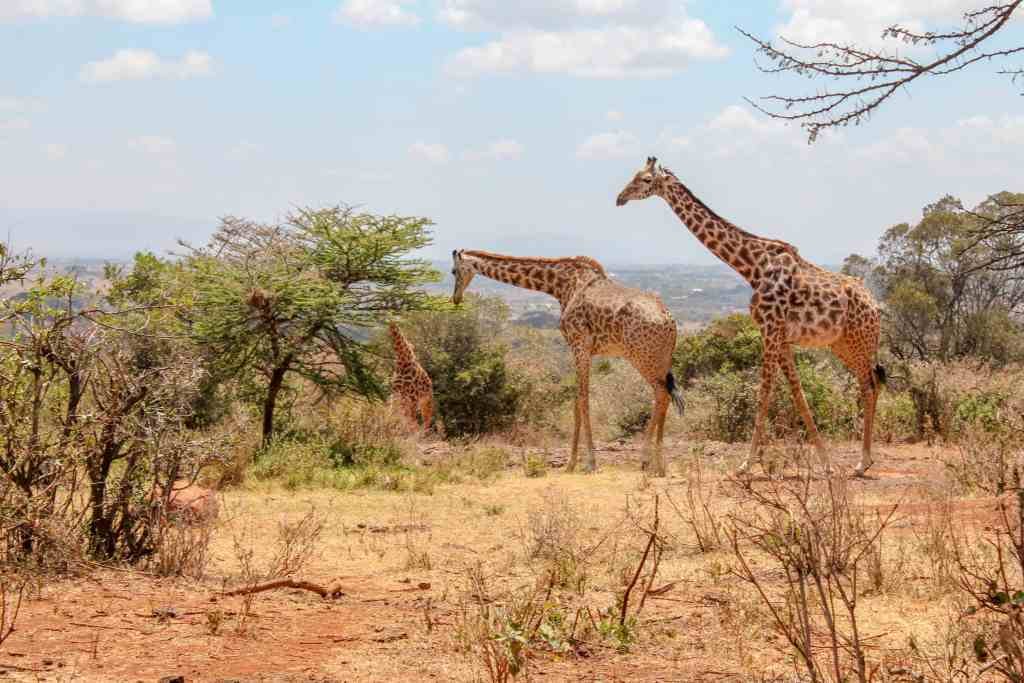
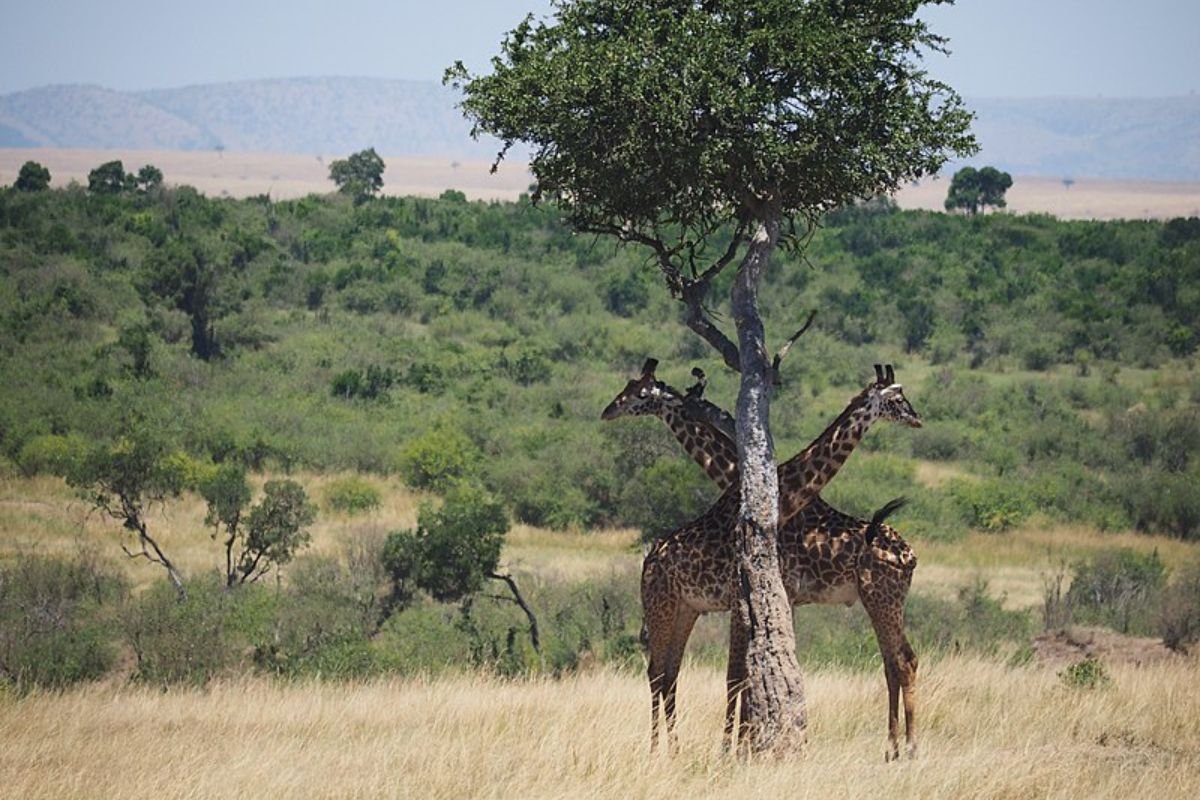
Welcome to Sibiloi National Park, hidden along the remote shores of Lake Turkana, often known as the Jade Sea. This is a place where you can spot wildlife across dramatic desert plains during game drives or as you walk through landscapes that have revealed some of the world’s most important fossil discoveries.
In this blog, we take you on a journey through Sibiloi National Park, exploring its fascinating history, unique wildlife, spectacular scenery, travel tips, accommodation options, and everything you need to know before visiting this incredible destination.
Why Visit Sibiloi National Park
- Sibiloi National Park is one of Kenya’s most unique and fascinating destinations, offering an experience that goes beyond the usual wildlife safari.
- This park is known as the “ Cradle of Mankind” because it contains some of the world’s most important archaeological and fossil sites. You can visit Koobi Fora and explore the area where scientists discovered fossils.
- The destination is less crowded, offering you a genuine sense of exploration and a deeper connection with nature.
- You will explore unique wildlife like the Grevy’s zebras, Oryx, Nile crocodiles, etc.
- The park offers incredible photography opportunities.
Where is Sibiloi National Park?
Sibiloi National Park is located in northern Kenya on the northeastern shores of Lake Turkana in Marsabit County. The park covers approximately 1,570 square kilometres and forms part of the Lake Turkana National Parks, a UNESCO World Heritage Site recognised for its exceptional natural and cultural importance.
History of Sibiloi National Park
The history of Sibiloi National Park is deeply connected to the story of human origins, located on the shores of Lake Turkana.
For millions of years, the Turkana Basin was a changing landscape of lakes, rivers, forests, and grasslands that supported early human ancestors and diverse wildlife, and in the 20th century, especially through archeological and fossil research led by teams including the Leakey family and international researchers.
In 1968, Koobi Fora was established, allowing continued exploration and excavation of fossils.
Later in 1978, Sibiloi National Park was officially established by the Government of Kenya to protect the area’s unique combination of wildlife, archaeological treasures, the fragile Lake Turkana ecosystem and paleontological sites.
Today, Sibiloi National Park is managed through collaboration between the Kenya Wildlife Service and the National Museums of Kenya, making it more than a safari destination but more of a living museum of Earth’s history.
How to Get to Sibiloi National Park
Traveling to Sibiloi National Park is an adventure in itself because of its distance from major cities and challenging terrain.
However, the most popular way to reach Sibiloi National Park is by road with a 4*4 safari vehicle, approximately 800 km from Nairobi.
Moreover, for travelers seeking convenience, flying is the best option. Sibiloi National Park has 2 airstrips that can accommodate charter flights. Also, additional airstrips are available in nearby areas such as Marsabit, Loiyangalani, Kalokol, North Horr, and Lodwar.
Top Attractions in Sibiloi National Park
Sibiloi National Park is one of Kenya’s most unique destinations, offering a rare combination of archaeology, wildlife, geology and breathtaking landscapes.
Some of the top attractions in Sibiloi National Park are;
- Koobi Fora Fossil Site ( Cradle of Human History)
- Lake Turkana
- The Petrified Forest
- Jarigole Pillars
- Allia Bay
Nearby Attractions;
- Lake Turkana
- Central Island National Park
- South Island National Park
- Marsabit National Park
- Loiyangalani
Things to Do in Sibiloi National Park
Sibiloi National Park offers a completely different safari experience. Here are the best things to do during your visit;
- Game Drives
- Archeological Tours
- Birdwatching
- Photography
- Camping
- National Walks
- Scenic Drives
- Cultural Visits
- Lake Turkana Excursions
Best Time to Visit Sibiloi National Park
Sibiloi National Park is an all-year-round destination, but the best time to visit depends on the type of experience you are looking for. The park experiences a hot, arid climate with warm temperatures and relatively little rainfall. However, for comfortable exploration and easier access, the dry season is the best time to visit between June and September.
Accommodation Options in Sibiloi National Park
Although Sibiloi National Park is in a remote area, visitors can still find comfortable places to stay, but they are limited compared to popular destinations like the Masai Mara or Amboseli. Therefore, you are advised to book early.
Some of these accommodation options include;
- Alia Bay Guest House
- Crocodile Campsite
- Koobi Fora Base Camp
Sibiloi National Park Entrance Fees
When you visit the Sibiloi National Park, you are required to pay park fees that are set by the KW, S, and they depend on your residency status and age as follows;
- East African citizens pay KES 500 for adults & KES 250 for. kids
- Kenyan residents pay KES 675 for adults and KES 350forr kids.
- African citizens pay USD 20 for adults and kids
- Non-residents pay USD 40 for adults and USD 20 for .kids
Note that child rates apply to children between the ages of 6 and 17 years.
Sibiloi National Park Packing List
Sibiloi National Park is one of Kenya’s most remote destinations, and packing the right essentials is key, making sure you are well prepared for the adventure.
Here are some of the things that you should not miss on your bucket list;
- Lightweight & breathable clothing.
- Travel documents
- Health & Personal Care
- Electronics such as a camera, binoculars, a smartphone, a power bank, charging cables, etc
- Small backpack
- Reusable water bottle
- Camping gear
Sibiloi National Park Travel Tips
Visiting Sibiloi National Park is a unique adventure that requires careful planning due to the park’s remote location.
These travel tips will help you have a safe, comfortable, and enjoyable experience;
- Travel with a reputable tour operator.
- Most roads in the park are hard to navigate. Ensure you use a 4*4 wheel-drive vehicle.
- Book accommodation early.
- The park has a hot, dry climate, so you are advised to pack lightweight, breathable clothing.
- Respect wildlife and archeological sites.
- Avoid traveling at night.
- Allow enough time to explore every attraction.
- Carry cash since ATM are hard to navigate.
Conclusion
In conclusion, Sibiloi National Park is worth visiting because it offers a unique experience that is not found anywhere else in Kenya.
For travelers willing to go beyond the usual, Sibiloi National Park provides that rare opportunity to explore one of Africa’s most extraordinary destinations.
Frequently Asked Questions ( FAQs)
1. Is Sibiloi National Park Worth Visiting?
Yes! Sibiloi National Park is absolutely worth visiting, but it offers a very different kind of experience from most of Kenya’s safari parks. If you are looking to spot wildlife like those in the Mara or Amboseli, you will be disappointed here at Sibiloi.
However, if you are interested in archaeology, dramatic landscapes, remote adventures, and unique experiences, Sibiloi National Park is one of Kenya’s most rewarding destinations.
Here you will get to explore the cradle of human history, the beauty of Lake Turkana, enjoy an off-the-beaten-path adventure, unique wildlife, etc, making it an ideal destination for History lovers, archaeology enthusiasts, nature photographers, birdwatchers, adventure lovers, researchers, students, and any traveler who enjoys remote destinations with fewer crowds.
2. How many days do I need to explore the park fully?
The ideal number of days to spend at Sibiloi National Park depends on your interests and how you plan to travel.
However, due to its remote location in northern Kenya, most visitors should allow enough time to enjoy both the park and the journey. Therefore, about 3 days is ideal, offering enough time to experience the park without rushing.
Your itinerary may look as follows;
Day 1: Arrive and enjoy an afternoon game drive
Day 2: Visit Koobi Fora, the Petrified Forest, other archeological sites, and end your day with a sunset at Lake Turkana
Day 3: Go for a morning game drive or birdwatching before departing.
This 3-day option provides a good balance between sightseeing, relaxation, and exploration.
3. Is Sibiloi National Park safe to visit?
Yes, Sibiloi National Park is generally a safe destination to visit when you plan your trip carefully and follow the guidance of your tour guide.
4. Is Sibiloi National Park Family-friendly?
Yes, Sibiloi National Park can be a family-friendly destination for families with older children and teenagers who enjoy history, archaeology, and outdoor adventures.
- Located on the northeastern shores of Lake Turkana in Marsabit County, northern Kenya.
- Covers approximately 1,570 square kilometres.
- Established in 1973 to protect important fossil sites and wildlife.
- Part of the UNESCO World Heritage-listed Lake Turkana National Parks.
- Known as the “Cradle of Mankind” due to significant early human fossil discoveries.
- Home to the famous Koobi Fora archaeological and paleontological sites.
- Features a museum showcasing fossils and human evolution findings.
- Contains an ancient petrified forest with fossilized tree trunks.
- Offers stunning landscapes of volcanic hills, lava plains, and desert terrain.
- Borders Lake Turkana, often called the “Jade Sea” because of its turquoise waters.
- Supports wildlife such as Grevy’s zebra, Beisa oryx, gerenuk, greater kudu, lion, leopard, and cheetah.
- Provides an important breeding habitat for Nile crocodiles.
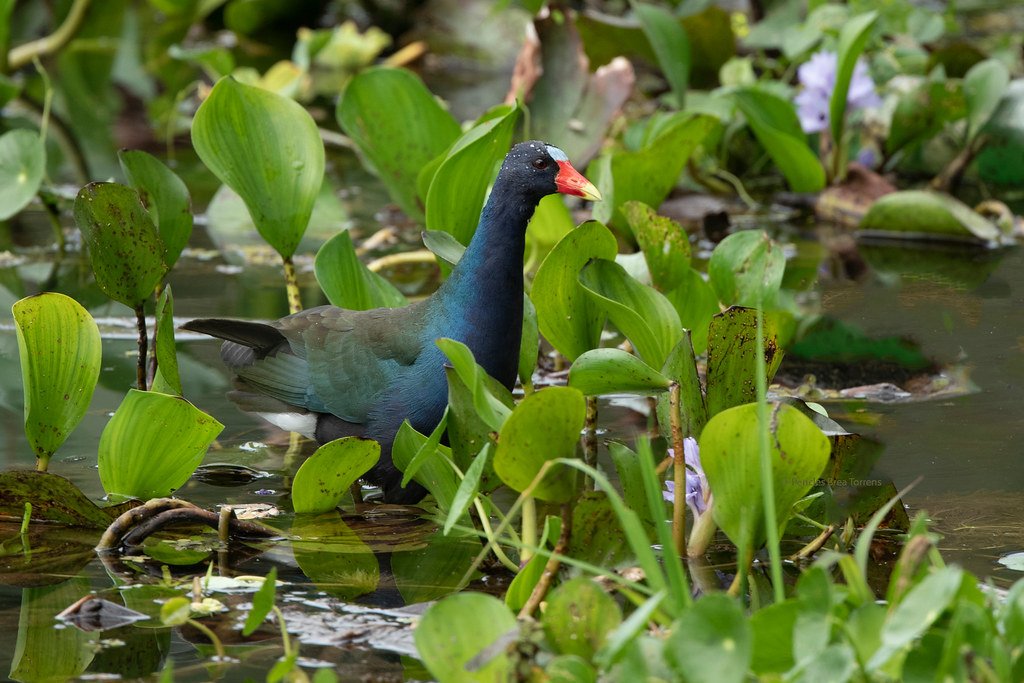
- Hosts over 350 bird species, including pelicans, flamingos, herons, and fish eagles.
- Experiences a hot, arid climate with very low annual rainfall.
- Popular activities include game drives, bird watching, fossil tours, photography, and cultural visits.
- One of the world’s most important sites for studying human evolution.
- Protects unique desert ecosystems and rare northern Kenya wildlife.
- Offers spectacular views of Lake Turkana and surrounding volcanic landscapes.
- Attracts scientists, researchers, and adventure travelers from around the world.
- Remains one of Kenya’s most remote and least-visited national p