Have you ever wondered what it feels like to explore a place where ancient volcanic landscapes, wild animals, and breathtaking natural wonders exist?
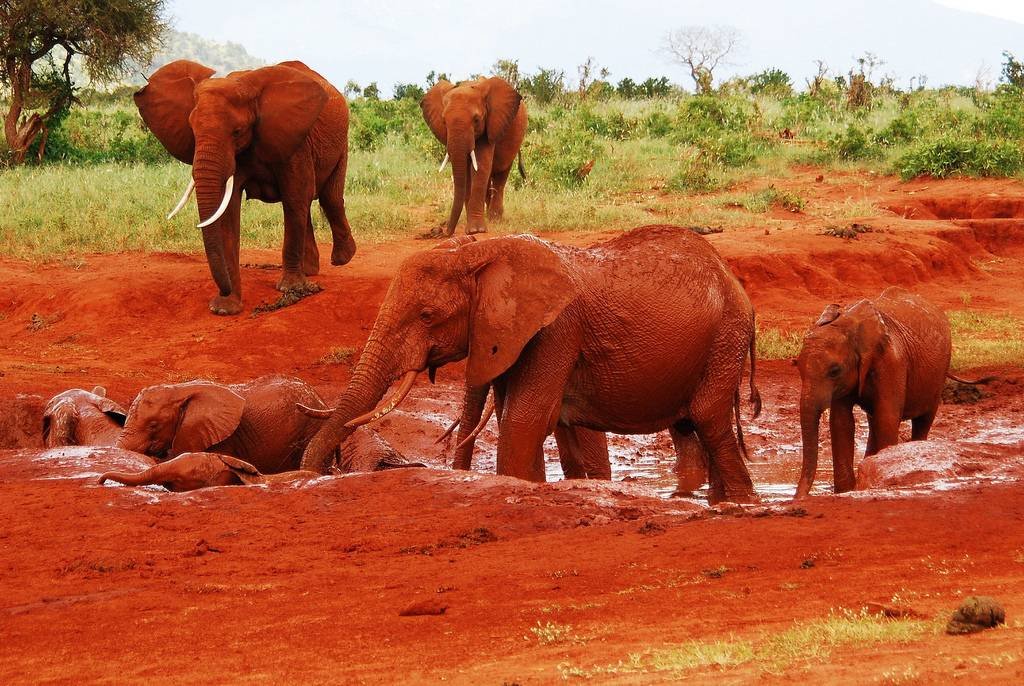
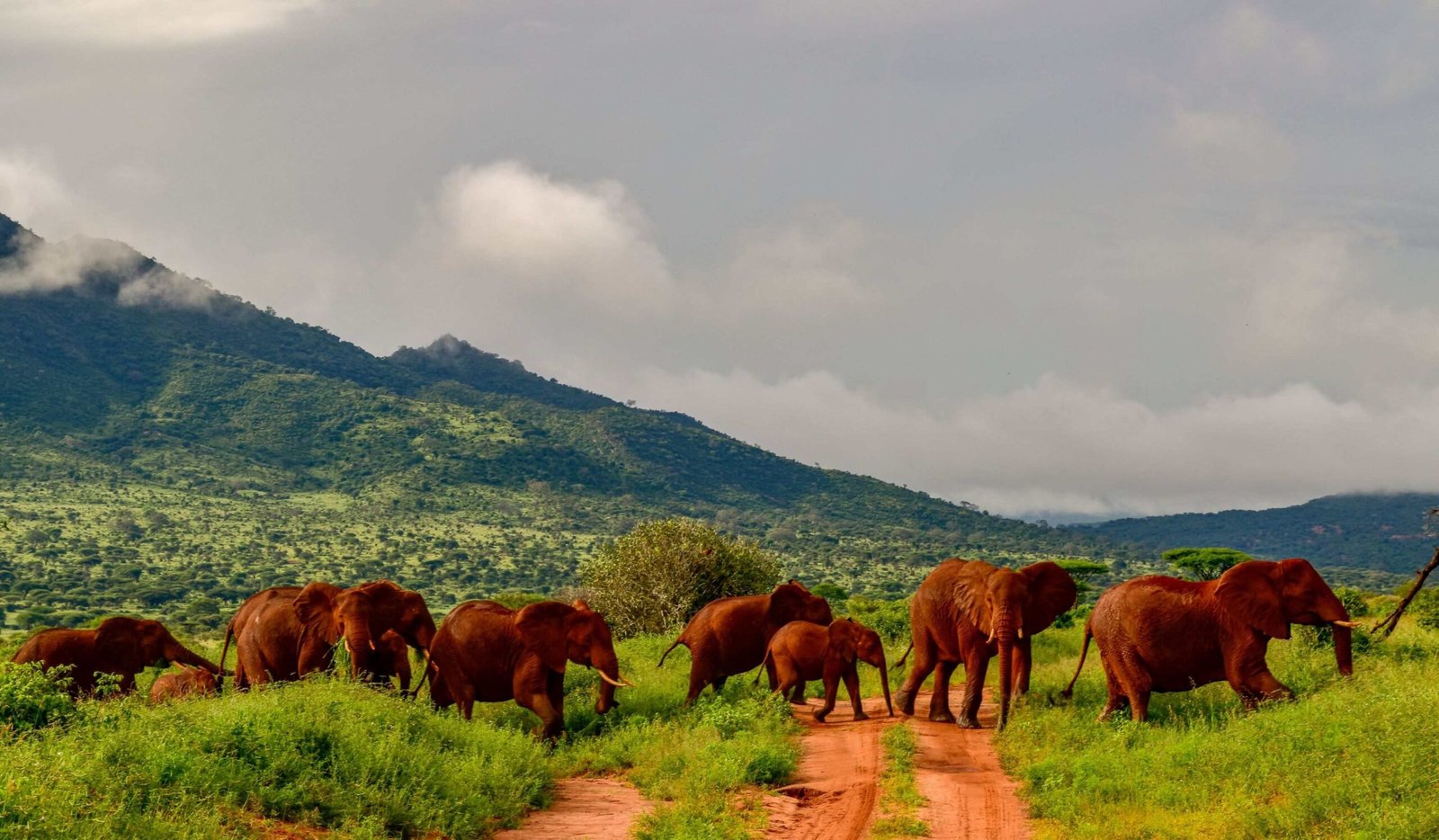
Tsavo West National Park, also known as “ Land of Lava, Springs, and Man-Eaters,” is one of those destinations in Kenya that offer extraordinary experiences, from volcanic lava flows and rocky hills to natural springs, abundant wildlife, birdlife, history, and culture, ideal for adventure seekers, nature lovers, photographers, families, couples, and groups.
This guide will cover everything you need to know about Tsavo National Park in a nutshell to help you plan an unforgettable journey.
Why Visit Tsavo West National Park
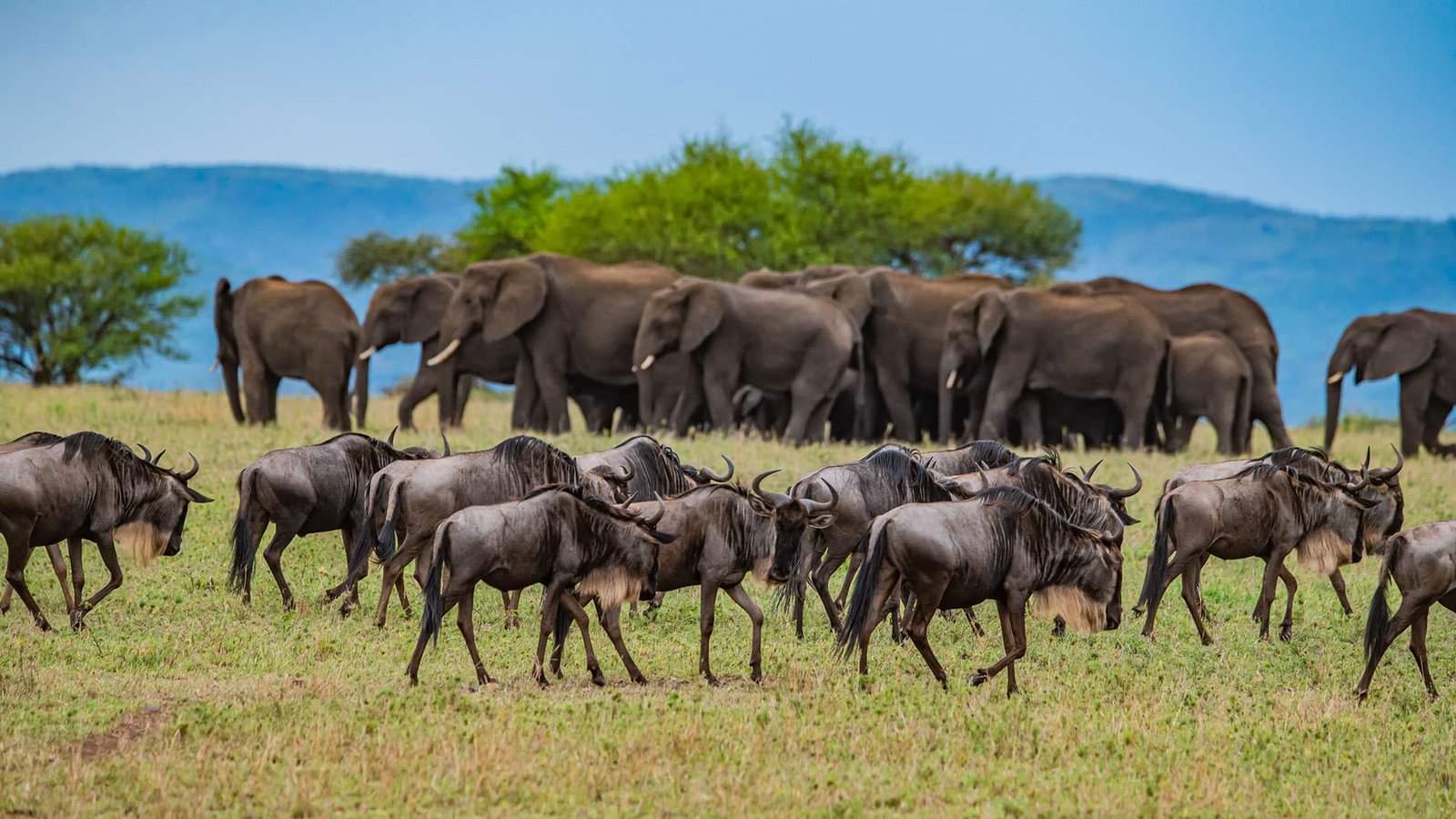
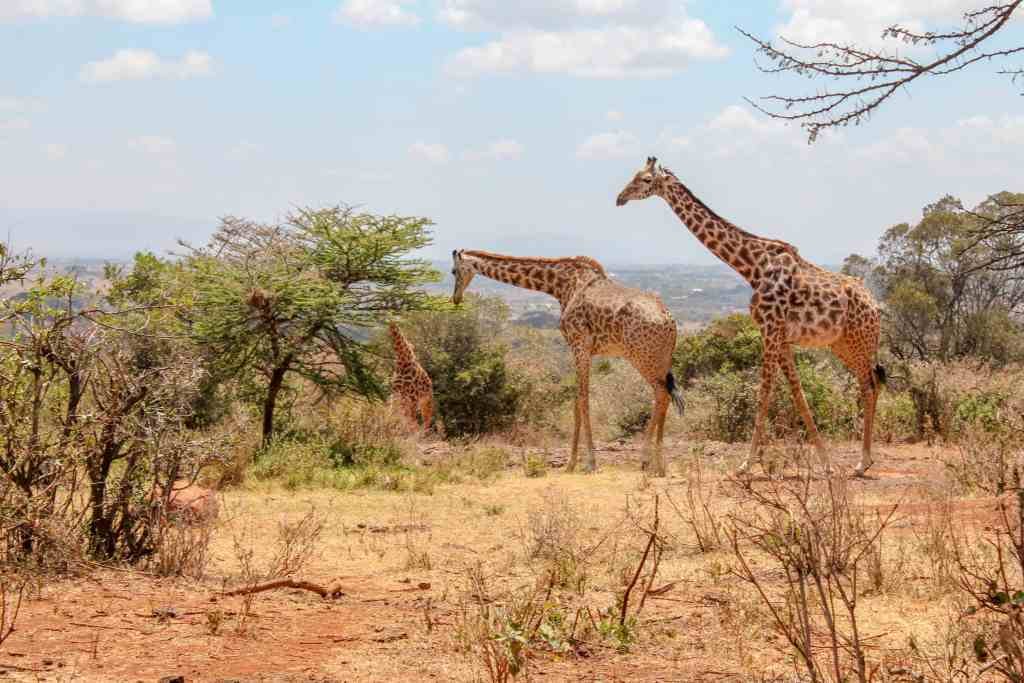
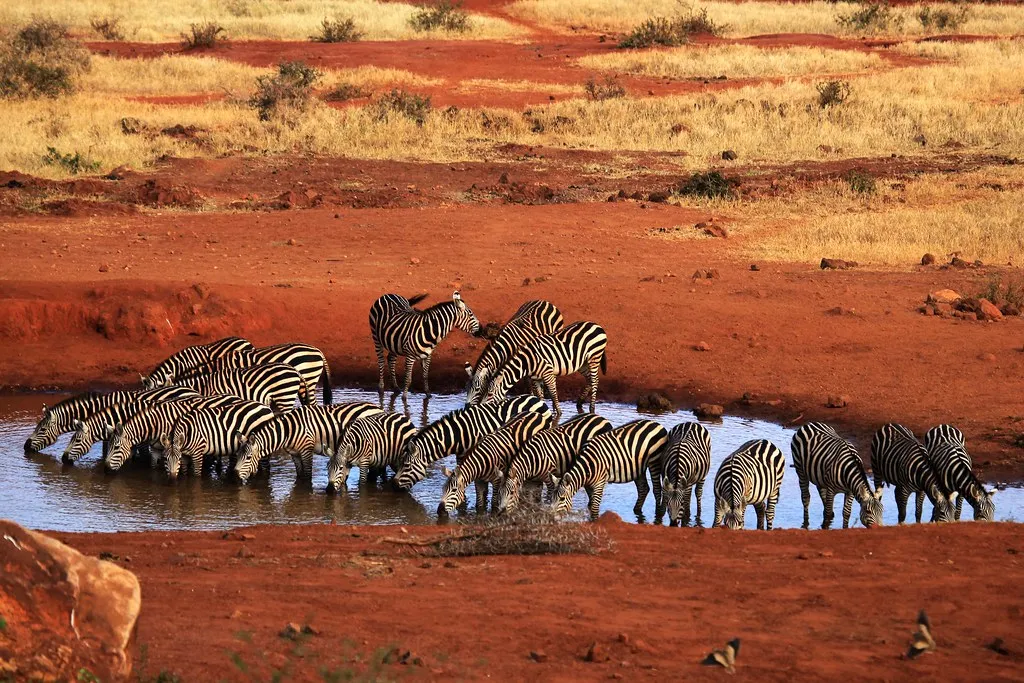
- One of the main reasons to visit is the park’s impressive wildlife diversity, including the Big Five, predators, reptiles, as well as giraffes, zebras, hippos, crocodiles, antelopes, and bird species.
- The park is a paradise for nature and adventure lovers. You can explore the crystal-clear Mzima Springs, admire the ancient landscapes of the Shetani Lava Flow, and Mudanda Rocks.
- Unlike other busier parks in Kenya like the Masai Mara National Reserve with larger crowds, Tsavo West National Park gives you a quieter experience, which is less crowded.
Where is Tsavo West National Park?
Tsavo West National Park is located between Nairobi and Mombasa, mainly in Taita-Taveta County, forming part of the larger Tsavo ecosystem covering an area of approximately 9,000 square kilometers.
Tsavo West National Park can be accessed through several gates;
- Mtito Andei Gate
- Tsavo Gate
- Chyulu Gate
- Maktau Gate
How to Get to Tsavo West National Park
Tsavo West National Park is easily accessible by road, air, and by railway, making it one of Kenya’s most accessible safari destinations.
For those who choose the road option, choose to drive along the Nairobi-Mombasa Highway through Athi-River, Emali, and Mtito Andei, and enter the park through Mtito Andei Gate, one of the main entry points, taking about 4 to 5 hours depending on traffic and road conditions.
For those who choose the flight option, use charter flights from Nairobi’s Wilson Airport to Kilaguni Airstrip.
Visitors who want to enjoy Kenya’s beautiful scenery use the Standard Gauge Railway ( SGR) from Nairobi Terminus to Mtito Andei. From there, you can organize a private transfer to the park.
Tsavo West National Park Attractions
Tsavo National Park is famous for its diverse landscapes and unique geological features, which include;
Shetani Lava Flow
The Shetani Lava Flow is a dramatic black landscape created by volcanic eruptions hundreds of years ago, stretching across the plains near Chyulu Hills, making it a popular stop for photography and geological exploration.
Mzima Springs
Mzima Springs is one of Tsavo West’s most famous attractions, which produces fresh, crystal-clear water daily from underground streams originating from the Chyulu Hills.
Five Sisters Hills
The Five Sisters Hills are a group of five striking volcanic hills in the park, creating one of the park’s most beautiful and recognizable landscapes. Beyond their beauty, these hills offer visitors a chance to appreciate the geological history of Tsavo West and understand how volcanic forces helped create the unique environment that supports the park’s rich biodiversity.
Other Attractions in Tsavo West National Park are;
- Galana River
- Lake Jipe
- Ngulia Rhino Sanctuary
- Kichwa Tembo
- Poacher’s Lookout
- Chaimu Crater
If you have enough time, you can also explore the following destinations to make your experience more memorable;
- Amboseli National Park
- Chyulu Hills National Park
- Taita Hills Wildlife Sanctuary
- Tsavo East National Park
Best Things to Do in Tsavo West National Park
The Tsavo West National Park offers a wide range of activities to enjoy.
They include;
- Game Drives
- Camping
- Discovering the World War I battlefield
- Underground Fish Watching
- Birdwatching
- Cultural Visits
- Rhino Tracking
- Photography
Best Time to Go to Tsavo West National Park
The best time to visit Tsavo West National Park is during the dry seasons from June to October and January to March.
During these seasons, the weather is generally sunny and dry making it easier to explore the park during game drives.
Tsavo West National Park Entrance Fees
All visitors to Tsavo West National Park are required to pay park entry fees which vary depending on nationality and residency status.
Visitor Category Adult Children
East African Citizen KES 1,000 KES 500
Kenyan Residents KES 1,350 KES 675
African Citizens USD 40 USD 20
Non- resident USD 80 USD 40
Note that these park entry fees are payable through the Kenya Wildlife Service digital payment system before or upon arrival.
Best Places to Stay in Tsavo West National Park
Tsavo West National Park offers a wide range of accommodation options that suit different budgets and travel styles whether you are looking for a luxurious safari lodge, a comfortable mid-range camp, or a budget-friendly campsite.
Therefore, some of the most popular places to stay are:
- Kilaguni Serena Safari Lodge
- Severin Safari Camp
- Voyager Ziwani Camp
- Finch Hattons Luxury Safari Camp
- Ngulia Safari Lodge
- Salt Lick Safari Lodge
What to Pack for Your Trip to Tsavo West National Park
When going to the wilderness, packing the right items will help you stay comfortable, safe, and well-prepared during your safari. Therefore, it is important to pack practical items for your trip.
- Lightweight and breathable clothing with neutral colors that blend with the environment.
- Comfortable walking shoes or hiking boots.
- Sun protection
- Insect protection
- Travel documents
- Camping Gear
- Personal essentials
Tsavo West National Park, Travel Tips
A successful trip to Tsavo West National Park required proper planning and preparation.
The following travel tips will help you enjoy a safe, comfortable, and memorable safari experience.
- Plan to visit during the dry season from June to October and January to February.
- During Peak tourist seasons, lodges and camps fill up quickly; it is advisable to book your stay well in advance to avoid disappointment.
- Pack lightweight, breathable clothing in neutral colors such as khaki, brown, and olive green, which blend well into the environment and are less likely to disturb wildlife.
- Carry personal essentials like sunscreen, sunglasses, a hat, insect repellent, binoculars, cameras, wet wipes, lip gloss, water bottle, etc
- Ensure you use a 4*4 wheel drive since some roads are difficult to navigate.
- Follow park rules at all times.
- Respect wildlife.
- Stay hydrated during excursions.
- Hire a professional tour guide.
- Combine your Tsavo West National Park safari experience with nearby attractions.
Conclusion
In conclusion, Tsavo West National Park is one of Kenya’s most spectacular destinations, offering travelers an unforgettable blend of dramatic landscapes, abundant wildlife and unique natural attractions. Whether you are exploring the crystal clear waters of Mzima Springs, admiring the dramatic Shetani Lava Flow, spotting rhinos or enjoying game drives across its vast wilderness, every visit promises an unforgettable experience.
It is located between Tsavo and Amboseli National Parks.
Chyulu Hills National Park lies in southeastern Kenya, forming a vital wildlife corridor between two of the country’s most famous protected areas.
The park was established in 1983.
It was gazetted as a national park to protect its unique volcanic landscapes, wildlife, and water catchment areas.
It features one of the world’s youngest volcanic mountain ranges.
The Chyulu Hills were formed through volcanic activity, with some lava flows estimated to be only a few hundred years old.
It is home to one of the longest lava tube cave systems in Africa.
The famous Leviathan Cave stretches for over 11 kilometres, making it one of the continent’s longest known lava tubes.
The hills are an important water catchment area.
Rainwater filters through the porous volcanic rocks and feeds natural springs, including Mzima Springs in Tsavo West National Park.
The park supports diverse wildlife.
Visitors may encounter elephants, buffaloes, giraffes, zebras, elands, bushbucks, leopards, hyenas, and numerous smaller mammals.
It is an excellent birdwatching destination.
More than 300 bird species have been recorded, including raptors, hornbills, turacos, and colourful forest birds.
The park offers spectacular views of Mount Kilimanjaro.
On clear days, visitors can enjoy breathtaking panoramas of Africa’s highest mountain rising above the surrounding plains.
It is famous for its lush green rolling hills.
Unlike many of Kenya’s dry savannah parks, Chyulu Hills is known for its verdant grasslands, montane forests, and scenic volcanic peaks.
It inspired literary works and conservation efforts.
The beautiful landscapes of Chyulu Hills inspired parts of Ernest Hemingway’s The Green Hills of Africa and continue to play an important role in wildlife conservation and eco-tourism.