Tips for Africa Safari

Tips for Africa Safari
Planning ahead can make your African safari more enjoyable, comfortable, and rewarding. From choosing the right destination to packing wisely, a little preparation ensures you get the most out of your wildlife adventure. Here are some essential tips to consider before you set off on your safari.
Choose the Right Safari Destination
Africa offers a wide variety of safari experiences, each with its own unique landscapes and wildlife. Kenya is famous for its open savannahs and the Great Migration, while Tanzania is home to vast national parks and the Ngorongoro Crater. Countries such as Botswana, South Africa, Namibia, Uganda, and Zambia each offer different styles of safaris, from luxury lodges to remote wilderness adventures. Research the destination that best matches your interests, budget, and travel style.
Visit During the Best Season
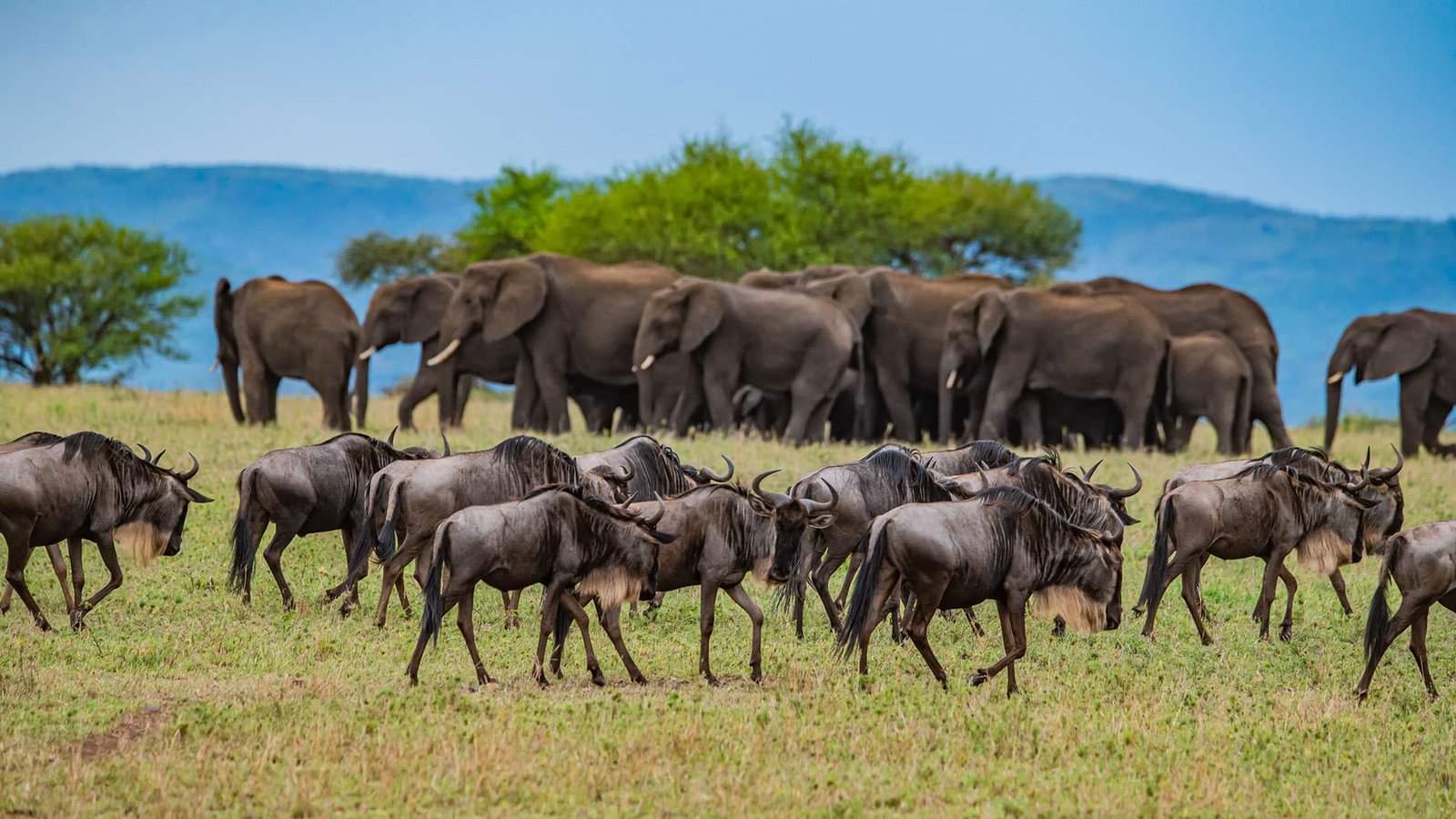
The timing of your safari can significantly influence your wildlife viewing experience. In many destinations, the dry season is the best time to visit because animals gather around rivers and waterholes, making them easier to spot. If witnessing the Great Migration is on your bucket list, plan your trip according to the seasonal movements of the wildebeest and zebras.
Pack Smart
Safari packing is all about comfort and practicality. Choose lightweight, breathable clothing in neutral colors such as khaki, olive, brown, or beige, which blend into the natural surroundings and attract fewer insects. Pack comfortable walking shoes, a wide-brimmed hat, sunglasses, sunscreen, insect repellent, and a light jacket for chilly early morning game drives. Don’t forget binoculars, a camera with extra batteries or memory cards, and any essential medications.
Check Travel Documents
Before traveling, ensure your passport is valid for at least six months beyond your planned departure date. Confirm visa requirements for your destination and carry printed or digital copies of your travel documents, hotel reservations, travel insurance, and emergency contacts. It’s also wise to notify your bank if you’ll be using credit or debit cards abroad.
Get Recommended Vaccinations
Consult your healthcare provider several weeks before departure to discuss recommended vaccinations and preventive medications. Depending on your destination, you may need protection against diseases such as yellow fever or malaria. Carry a basic first-aid kit containing pain relievers, antiseptic wipes, bandages, motion sickness medication, and any prescription medicines you require.
Respect Wildlife
Animals should always be observed from a safe distance. Never feed wildlife, attempt to touch animals, or leave your vehicle unless instructed by your guide in designated areas. Keep noise to a minimum during game drives to avoid disturbing the animals and to improve your chances of memorable wildlife sightings.
Listen to Your Safari Guide
Professional safari guides have extensive knowledge of wildlife behavior and safety procedures. Follow their instructions at all times, remain seated during game drives unless told otherwise, and respect park rules. Their expertise not only keeps you safe but also helps you understand the fascinating ecosystems around you.
Carry Cash for Small Expenses
While many lodges and hotels accept credit cards, small vendors, local markets, and tipping often require cash. Carry a reasonable amount of local currency or widely accepted foreign currency for souvenirs, refreshments, and gratuities. Keep cash securely stored and avoid displaying large amounts in public.
Protect the Environment
Practice responsible tourism by avoiding littering, reducing plastic waste, and respecting protected areas. Stay on designated roads during game drives, avoid removing natural items such as plants or stones, and support eco-friendly safari operators that contribute to wildlife conservation and local communities.
Be Patient and Enjoy the Experience
Wildlife sightings are unpredictable, and every safari is different. Some game drives may offer spectacular encounters with lions, elephants, or leopards, while others focus on birds, landscapes, or smaller animals. Patience is one of the greatest rewards of a safari, allowing you to appreciate Africa’s incredible biodiversity and experience nature on its own terms.
Create the Safari You've Always Imagined
Begin Your Safari Journey Today
Let's Turn Your Dream African Safari Into Reality

Let's Plan Your Safari Together
Let our experienced safari specialists guide your journey.
USA: +254 72210-3340 other countries