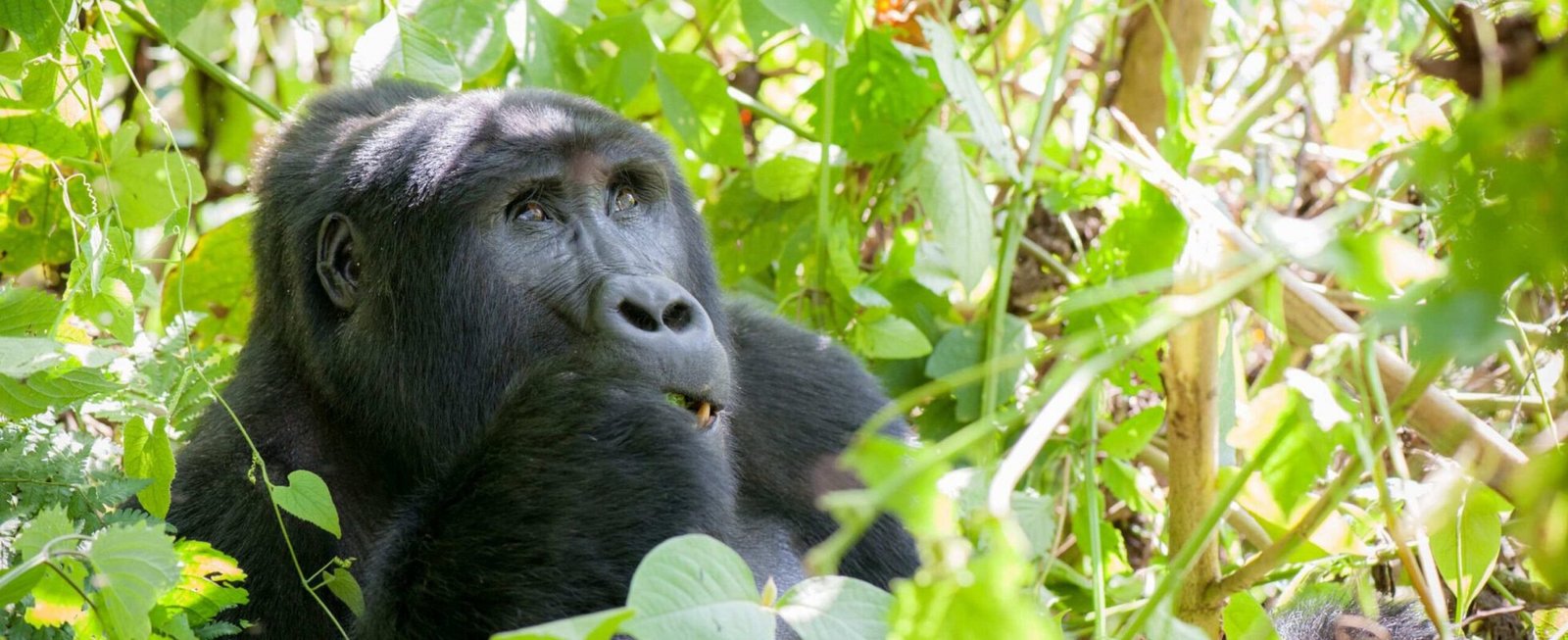

When travelers search for the national park with the highest gorilla population, Bwindi Impenetrable National Park in southwestern Uganda is one of the most important places to know. Bwindi is home to roughly half of the world’s remaining mountain gorilla population and is Uganda’s leading destination for mountain gorilla trekking. The park protects an ancient montane rainforest where mountain gorillas live alongside chimpanzees, forest elephants, monkeys, birds and hundreds of plant species.
It is important to make one distinction when discussing gorilla populations. Bwindi is home to a major population of mountain gorillas, not all gorilla species. Mountain gorillas are a subspecies of the eastern gorilla, and their remaining population is concentrated in two main areas: the Bwindi-Sarambwe landscape and the Virunga Massif, which extends across Uganda, Rwanda and the Democratic Republic of Congo. This is why population figures should always identify the gorilla subspecies and the area being counted.
Where Is Bwindi Impenetrable National Park?
Bwindi Impenetrable National Park is located in southwestern Uganda near the borders with Rwanda and the Democratic Republic of Congo. The park covers approximately 321 square kilometres and forms part of the biologically rich Albertine Rift region. Its steep mountains, valleys and dense forest create the type of difficult terrain that has given the forest its famous “Impenetrable” name.
The park is not a traditional open savannah safari destination. Instead, it offers a rainforest experience in which visitors walk through dense vegetation, climb and descend forest trails and search for mountain gorillas in their natural environment. This makes a Bwindi safari very different from a conventional game drive in Kenya’s Masai Mara or Tanzania’s Serengeti.
Why Does Bwindi Have Such a Large Gorilla Population?
Bwindi provides extensive high-altitude forest habitat suitable for mountain gorillas. The forest contains a wide variety of vegetation that gorillas feed on, including leaves, shoots, stems and other plant material. The terrain also provides the natural environment in which gorilla family groups can move, feed, rest and raise their young.
The importance of Bwindi goes beyond its gorillas. The park is one of the major biodiversity areas within the Albertine Rift and supports numerous species of mammals, primates and birds. Its conservation value is therefore based on the protection of an entire forest ecosystem rather than one individual species.
Long-term conservation work has also been important. Uganda’s wildlife authorities, conservation organizations, researchers, veterinarians, trackers and local communities all contribute to protecting the forest and monitoring its wildlife. Tourism is part of this conservation system because regulated gorilla tourism creates employment and generates revenue associated with protected-area management and surrounding communities.
How Many Gorillas Live in Bwindi?
Population numbers should be presented carefully because gorilla censuses are conducted periodically rather than continuously. Uganda’s most commonly referenced previous Bwindi-specific census figure was 459 mountain gorillas recorded in the 2018 census.
However, this should not simply be presented as Bwindi’s current 2026 population. Uganda conducted the sixth Bwindi-Sarambwe mountain gorilla census in 2025, with fieldwork involving conservation partners and multiple survey stages. The census was designed to provide updated scientific information about the population and its distribution.
For accurate travel content, it is therefore better to say that Bwindi supports roughly half of the world’s mountain gorilla population, while the previous published Bwindi-specific census recorded 459 individuals in 2018. This distinction demonstrates why wildlife population figures should always be connected to a census year rather than presented as permanent numbers.
Is Bwindi the National Park With the Most Gorillas?
Bwindi is among the world’s most important protected areas for mountain gorillas and is the principal national park associated with the large Bwindi-Sarambwe population. Uganda Wildlife Authority describes Bwindi as home to roughly half of the world’s mountain gorillas.
However, saying that Bwindi contains the entire world’s largest gorilla population would be misleading because the mountain gorilla population is divided between Bwindi-Sarambwe and the Virunga Massif. The Virunga population is shared between several protected areas in Uganda, Rwanda and the Democratic Republic of Congo.
This distinction is especially important for safari websites because travelers often use the words “gorilla population” and “mountain gorilla population” interchangeably. A trustworthy destination guide should explain that there are different gorilla species and populations rather than using one number without context.
What Type of Gorillas Can You See in Bwindi?
The gorillas found in Bwindi are mountain gorillas, scientifically known as Gorilla beringei beringei. They are one of the world’s most recognizable great apes and are adapted to life in high-altitude forests.
Mountain gorillas live in family groups generally led by a dominant silverback. A group can include adult females, younger males, juveniles and infants. The exact composition of a gorilla family changes naturally as individuals mature, transfer between groups or establish new social relationships.
One of the most fascinating parts of gorilla trekking is observing this social structure. Visitors may see a silverback resting or monitoring the group, mothers caring for infants, juveniles playing and feeding activity taking place around the family. Because these are wild animals, however, no specific behavior or sighting can be guaranteed.
What Is Gorilla Trekking in Bwindi Like?
Gorilla trekking is a guided forest experience in which visitors walk through Bwindi in search of a habituated gorilla family. You do not simply drive into the forest and view gorillas from a vehicle. Instead, the experience involves hiking through mountainous rainforest terrain with trained guides and trackers.
The Uganda Wildlife Authority states that gorilla treks can take approximately two to seven hours, depending on where the gorilla family is located and how far visitors need to travel through the forest. Once the designated gorilla family is located, visitors are allocated a limited observation period.
The time required should therefore be treated as an estimate rather than a fixed schedule. A gorilla family may move deeper into the forest, cross difficult terrain or remain in a different area from where trackers initially expected to find it. This natural uncertainty is part of what makes the experience authentic.
Is Gorilla Trekking Physically Difficult?
Bwindi gorilla trekking can be physically demanding because the park is mountainous and the trails can be steep, muddy and uneven. The difficulty varies depending on the trekking sector, weather conditions, the location of the gorilla family and the fitness level of the visitor.
Travelers should prepare for walking through dense vegetation and climbing or descending slopes. Good hiking boots, long trousers, breathable clothing and rain protection are highly recommended because rainfall can occur even when the weather appears favorable at the start of the trek.
Visitors who are concerned about their fitness should communicate this when planning their trek. The trekking experience should be approached realistically rather than assuming that every visitor will encounter an easy trail.
Bwindi Gorilla Trekking Sectors
Bwindi is divided into four principal gorilla trekking sectors: Buhoma, Ruhija, Rushaga and Nkuringo. Each sector has its own access routes, accommodation options and trekking characteristics.
Buhoma is located in the northern section of the park and is one of the best-known gorilla trekking areas. It has a long history of tourism and provides access to several habituated gorilla groups.
Ruhija is situated in the eastern part of Bwindi and is another important trekking sector. It is also attractive to travelers interested in forest scenery and birdwatching.
Rushaga is located in the southern part of the park and has several gorilla trekking opportunities. It is also associated with the Gorilla Habituation Experience, which provides a different form of gorilla tourism for visitors seeking a longer research-oriented encounter.
Nkuringo is another southern sector and is known for its mountainous terrain and impressive scenery. Because the terrain can be demanding, travelers should consider their fitness level when choosing accommodation and trekking arrangements.
Why Your Accommodation Location Matters
Choosing accommodation close to your gorilla trekking sector is one of the most important practical decisions when planning a Bwindi safari. The park is mountainous and roads between sectors can be slow, so staying close to the correct trailhead can make the trekking morning much easier.
A traveler staying in Buhoma, for example, should ideally have arrangements that correspond with a Buhoma trekking permit. Similarly, travelers trekking in Rushaga, Nkuringo or Ruhija should plan accommodation and transfers around their allocated sector.
Uganda Wildlife Authority’s current gorilla management guidance identifies Buhoma, Ruhija, Nkuringo and Rushaga as designated Bwindi entry points and explains that visitors are allocated specific gorilla family groups according to the tracking arrangements.
What Happens on the Morning of a Gorilla Trek?
A typical gorilla trekking morning begins early. After breakfast, you travel to the designated visitor information or trekking center for briefing and preparation.
The guides explain the trekking procedures, wildlife safety requirements and responsible behavior before visitors enter the forest. Trackers then lead the group along forest trails in search of the assigned gorilla family.
The actual walk can vary significantly. Some groups may be located relatively close to the starting point, while others may require several hours of hiking. This is why a safari company should never promise a specific trekking duration.
Once the gorilla family is found, visitors observe from the required distance and follow the instructions of the guide. The purpose is to observe the animals without disturbing their natural behavior.
What Makes Bwindi Gorilla Trekking Special?
The greatest attraction is the opportunity to observe mountain gorillas in their natural rainforest environment. Unlike visiting animals in a zoo or controlled enclosure, visitors enter the ecosystem where the gorillas naturally live.
The forest itself adds to the experience. The trail passes through thick vegetation, towering trees, vines, ferns and mountain landscapes. Even before seeing a gorilla, visitors may encounter birds, monkeys, insects and signs of other forest wildlife.
The moment a gorilla family is located is usually the highlight. A silverback sitting quietly in the vegetation, an infant clinging to its mother or a juvenile moving through the forest can provide a memorable encounter without requiring the animals to perform any artificial behavior.
Is Bwindi Only About Gorilla Trekking?
No. Gorilla trekking is the park’s most famous tourism activity, but Bwindi is a major biodiversity destination in its own right.
The forest supports chimpanzees, several monkey species, forest elephants and a remarkable range of birdlife. The 2025 Bwindi chimpanzee census confirmed an estimated 426 chimpanzees distributed across the park, providing new evidence of the importance of Bwindi as a habitat for multiple great ape species.
Birdwatching is also significant because Bwindi lies within the Albertine Rift, one of Africa’s important areas for endemic and restricted-range species. Travelers who add birding or nature walks to their itinerary can experience a different side of the forest beyond gorilla trekking.
Can You See Chimpanzees and Gorillas in the Same Safari?
Yes, and this is one of the reasons Uganda is particularly attractive for primate-focused safaris. Bwindi provides habitat for both mountain gorillas and chimpanzees, although the experiences are managed differently.
Travelers can also extend their Uganda itinerary to Kibale Forest, which is widely known for chimpanzee tracking. Combining Kibale and Bwindi allows visitors to experience two different forest ecosystems and two of Africa’s most fascinating great apes.
This type of itinerary is particularly suitable for travelers who are more interested in primates and rainforest experiences than traditional savannah game drives.
How Does Gorilla Tourism Support Conservation?
Responsible tourism can provide important economic value to protected areas. Gorilla trekking requires permits, professional guides, trackers and conservation management, creating a tourism economy connected to the protection of the forest.
Community involvement is also an important part of conservation around Bwindi. When local communities receive legitimate economic opportunities from tourism and conservation, there can be stronger incentives to protect wildlife and maintain the surrounding ecosystem. Uganda’s protected-area programs specifically recognize community benefits and tourism as components of conservation and sustainable development.
However, responsible tourism is not simply about paying a permit fee. Visitors should follow park regulations, respect local communities, minimize waste and avoid behavior that could stress wildlife.
Gorilla Trekking and Wildlife Safety
Mountain gorillas are wild animals, despite the fact that some groups have been habituated to human presence. Habituation does not turn a gorilla into a domesticated animal.
Visitors should follow the instructions of their guides at all times and maintain the required distance from gorillas. Sudden movements, loud noises, attempts to touch animals or efforts to get closer for photographs can create unnecessary stress.
Visitors who are unwell should also follow current health guidance before participating in gorilla trekking because humans can transmit certain respiratory illnesses to great apes. Protecting the gorillas’ health is an important part of responsible tourism.
What Should You Wear for Gorilla Trekking?
Appropriate clothing can make a significant difference to your comfort. Travelers should wear sturdy hiking boots with good grip, long trousers, a breathable shirt, waterproof clothing and clothing that protects the arms and legs from vegetation.
A lightweight waterproof jacket is particularly useful because Bwindi is a rainforest environment and conditions can change quickly. Gloves can also be useful when holding vegetation or moving along rough trails.
A small daypack should contain drinking water, snacks if permitted, personal medication, a camera and waterproof protection for electronic equipment.
When Is the Best Time to Visit Bwindi?
Bwindi can be visited throughout the year because gorilla trekking is not limited to a short migration season. However, weather conditions can influence the trekking experience.
Drier periods can make forest trails easier to navigate, while wetter periods can produce muddy and slippery conditions. At the same time, rainfall is part of the natural rainforest environment, so travelers should be prepared for wet conditions regardless of their travel month.
Rather than choosing dates solely according to a generic “best month,” travelers should consider permit availability, accommodation, weather preferences, budget and the rest of their Uganda itinerary.
How Do You Get to Bwindi?
Bwindi is accessible by road from different parts of Uganda, but the final approach can involve winding and sometimes rough roads. Uganda Wildlife Authority recommends a four-wheel-drive vehicle for several approaches to the park.
Travelers arriving from Queen Elizabeth National Park can use routes toward the southern or northern approaches, while those traveling from Kampala or Entebbe can route through southwestern Uganda toward the relevant trekking sector.
Domestic flights can also reduce travel time. Scheduled flights connect Entebbe with airstrips serving different sides of the Bwindi region, after which a road transfer is required to reach the lodge.
For a multi-destination Uganda safari, the best transportation option depends on the number of destinations, budget and available travel time.
Can You Combine Bwindi With a Uganda Wildlife Safari?
Absolutely. A gorilla experience becomes even more rewarding when combined with Uganda’s other wildlife destinations.
A longer Uganda safari can combine Bwindi with Queen Elizabeth National Park, where travelers can enjoy savannah game drives and boat excursions along the Kazinga Channel. Kibale Forest can be added for chimpanzee tracking, while Murchison Falls provides another major wildlife landscape.
This creates a more complete Uganda safari rather than a trip focused only on gorilla trekking.
Can You Combine Bwindi With a Kenya Safari?
Yes. Travelers coming from overseas often combine Uganda’s gorilla experience with a Kenya safari.
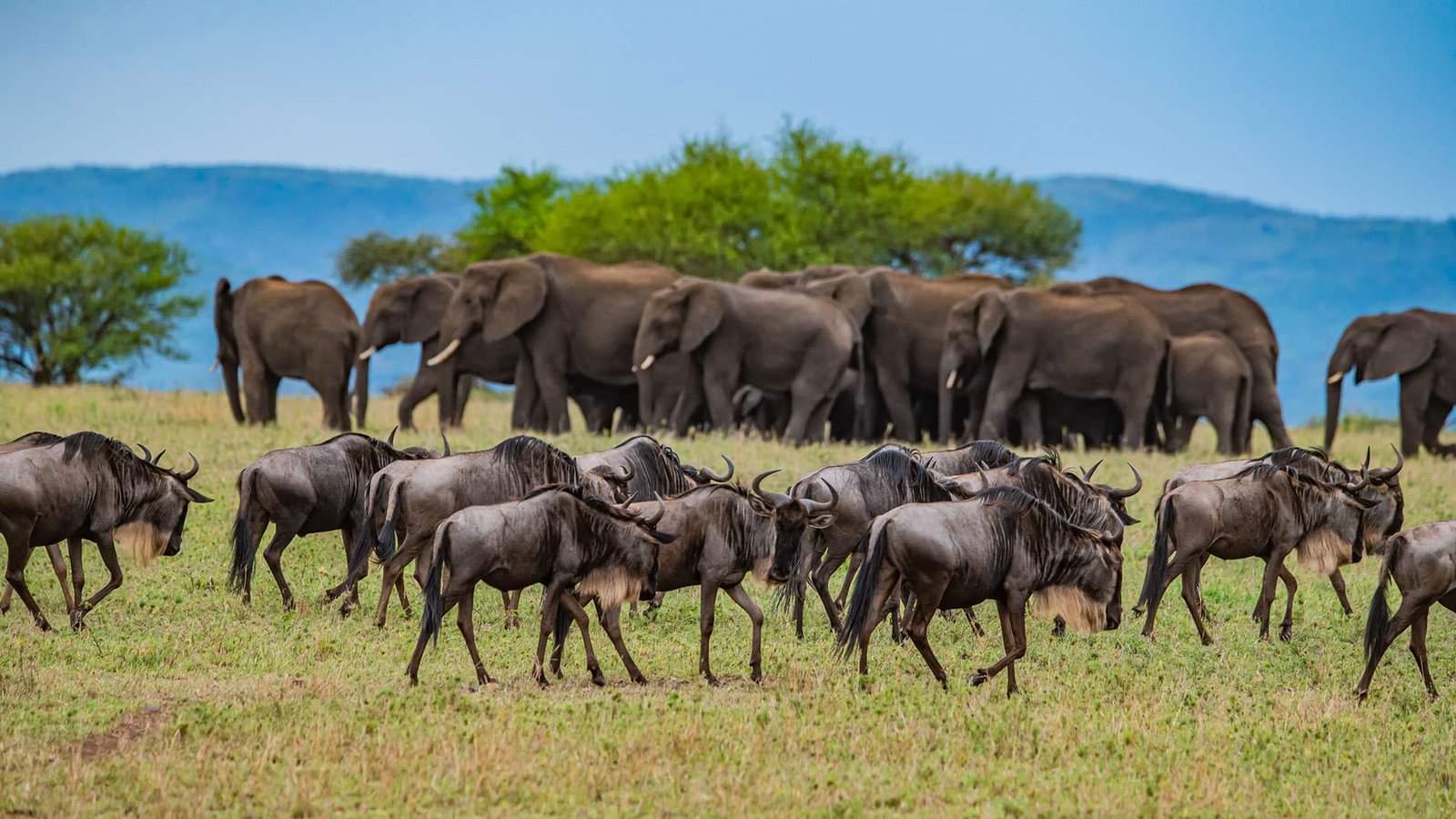
A practical combination could include Bwindi followed by Kenya’s Masai Mara, where travelers can experience open savannahs, lions, elephants, cheetahs, giraffes, zebras and wildebeest. Amboseli can also be added for its large elephant population and views toward Mount Kilimanjaro.
Because Uganda and Kenya offer different wildlife environments, the combination provides a strong contrast between rainforest trekking and traditional savannah game viewing.
Is Bwindi Suitable for Families?
Bwindi can be suitable for families, but age requirements and individual fitness should be checked carefully before booking. Gorilla trekking is physically demanding and involves walking through steep forest terrain.
Families should also consider the length of the trek, weather conditions and the needs of younger travelers. A family safari planner should recommend activities according to the children’s ages rather than assuming that every member of the family should participate in the same trek.
Families with older teenagers may find the gorilla experience particularly rewarding because it combines physical adventure, wildlife observation and conservation education.
Is Bwindi Suitable for Senior Travelers?
Older travelers can visit Bwindi, but physical preparation and realistic itinerary planning are important. The forest terrain can be challenging, and the trek may involve several hours of walking.
Travelers should discuss their fitness level with their safari operator before booking and choose accommodation that minimizes unnecessary transfers on the trekking morning.
The goal should be to create a comfortable itinerary without underestimating the physical demands of the forest.
What Is the Difference Between Gorilla Trekking and Gorilla Habituation?
Gorilla trekking involves visiting a habituated gorilla family for a regulated observation period. The Uganda Wildlife Authority describes the standard trek as an opportunity to find and observe gorillas in their natural habitat.
The Gorilla Habituation Experience is different because visitors accompany researchers and habituation teams while a gorilla group is being gradually accustomed to human presence. It is a more specialized experience and should be selected by travelers who want a deeper conservation and research-oriented encounter.
The two experiences should not be presented as identical products when designing a Uganda gorilla safari.
Why Accurate Gorilla Population Information Matters
Wildlife populations change over time, and census results are snapshots rather than permanent numbers. A responsible travel article should therefore identify the year of a population estimate and distinguish between historical figures and current verified information.
This is particularly relevant for Bwindi because a new mountain gorilla census was conducted in 2025. Uganda Wildlife Authority announced the start of the census in May 2025 and later reported the second survey sweep in October 2025.
For travelers planning a safari, the most reliable statement is that Bwindi remains a major mountain gorilla stronghold containing roughly half of the world’s population, while older specific census figures should be clearly labeled by year.
Frequently Asked Questions About Bwindi Gorillas
Which national park has the highest gorilla population?
Bwindi Impenetrable National Park in Uganda is one of the world’s most important mountain gorilla strongholds and is home to roughly half of the world’s remaining mountain gorilla population. Because the mountain gorilla population is shared across the Bwindi-Sarambwe and Virunga landscapes, exact comparisons depend on the census year and geographic area being measured.
How many mountain gorillas are in Bwindi?
The last widely cited Bwindi-specific census figure was 459 mountain gorillas in 2018. A new Bwindi-Sarambwe mountain gorilla census was conducted in 2025, so that older figure should not automatically be presented as the current population.
Where are the world’s mountain gorillas found?
Mountain gorillas survive in two major population areas: the Bwindi-Sarambwe landscape and the Virunga Massif. The Virunga population crosses Uganda, Rwanda and the Democratic Republic of Congo, while the Bwindi population is centered in southwestern Uganda and extends into the adjacent Sarambwe landscape in the Democratic Republic of Congo.
Is Bwindi the best place for gorilla trekking?
Bwindi is one of the world’s leading gorilla trekking destinations and is particularly attractive because of its large mountain gorilla population and several trekking sectors. The best destination for an individual traveler depends on permit availability, accommodation, budget, physical fitness and the wider safari itinerary.
How long does gorilla trekking take?
Uganda Wildlife Authority states that gorilla treks can take approximately two to seven hours. The duration depends largely on where the assigned gorilla family is located and how far visitors must travel through the forest.
Can you see gorillas every day?
Gorilla trekking is designed to provide opportunities to observe habituated gorilla families, but wildlife encounters can never be treated as an absolute guarantee in the same way as viewing animals in captivity. Gorillas move naturally through their habitat, and the trekking team uses tracking and field knowledge to locate them.
Are mountain gorillas endangered?
Mountain gorillas remain highly threatened and require continued conservation protection. Their survival depends on maintaining suitable forest habitat, protecting populations from illegal activities and disease, managing tourism responsibly and working with communities around protected areas.
What makes Bwindi different from a normal African safari?
Bwindi is primarily a forest trekking destination rather than a drive-through savannah park. Visitors walk through dense rainforest with guides and trackers instead of spending most of the day in an open safari vehicle. This creates a much more immersive and physically active wildlife experience.
Can I visit Bwindi without trekking gorillas?
Yes. Travelers can explore other aspects of the forest and surrounding communities, depending on available activities and their itinerary. Birdwatching, nature experiences and cultural activities can complement a gorilla-focused trip.
Is gorilla trekking worth the cost?
For travelers who value wildlife conservation, primates and immersive nature experiences, gorilla trekking can be one of the most memorable activities in East Africa. The value comes not only from the time spent observing gorillas but also from the expertise of trackers and guides, the protected forest environment and the conservation system supporting the species.
Final Thoughts
Bwindi Impenetrable National Park is one of the most important mountain gorilla destinations on Earth and a leading answer to the question of which national park has the highest gorilla population. Its importance comes from the size and significance of its mountain gorilla population, the quality of its remaining rainforest habitat and the conservation work taking place across the wider landscape.
For travelers planning a Uganda safari, Bwindi offers much more than a chance to photograph a gorilla. It provides an opportunity to enter an ancient forest, learn about great ape conservation, experience one of Africa’s most specialized wildlife activities and contribute to an important tourism economy.
The most accurate way to describe its population is that Bwindi holds roughly half of the world’s mountain gorilla population, while recognizing that specific population figures come from periodic scientific censuses. The previous published Bwindi-specific figure of 459 gorillas dates from 2018, and the 2025 census provides updated data for the conservation community.
For a well-planned Uganda gorilla safari, the most important considerations are not population numbers alone. Permit availability, trekking sector, accommodation location, physical fitness, transportation, season, responsible tourism practices and the quality of your guide can all make a major difference to the experience.