
One of the most important questions travelers ask when planning an African holiday is, “What is the safest African country to visit?” Africa is a vast continent made up of many countries, each with different security conditions, infrastructure, health considerations, road networks, and tourism environments. Safety can also vary between cities, rural areas, national parks, border regions, and tourist destinations within the same country.
Countries such as Mauritius, Seychelles, Botswana, Namibia, Rwanda, Tanzania, Kenya, and Ghana are often considered among the more established destinations for international tourism, although no country is completely free from risk. The safest choice for your trip depends on where you plan to go, what activities you want to do, how you travel, and how well your trip is organized.
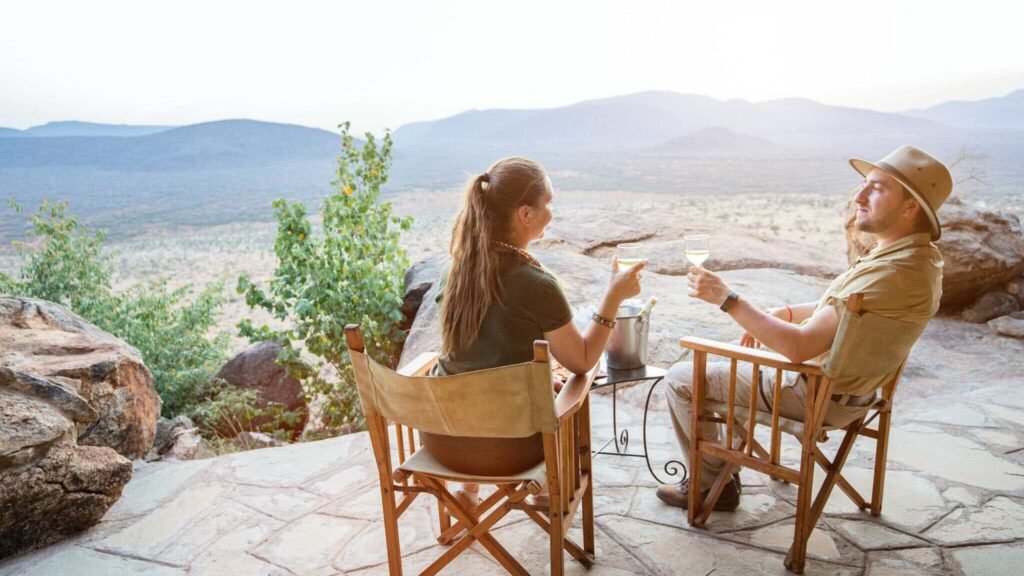
For safari travelers, countries such as Botswana, Namibia, Tanzania, Kenya, South Africa, and Rwanda offer established tourism industries and experienced operators. A well-planned safari with a reputable tour company, professional guide, appropriate accommodation, and reliable transportation can significantly reduce common travel risks.
What Is the Safest African Country to Visit?
There is no single country that can officially be described as the safest African country for every traveler. Safety rankings change over time, and conditions can differ significantly within individual countries.
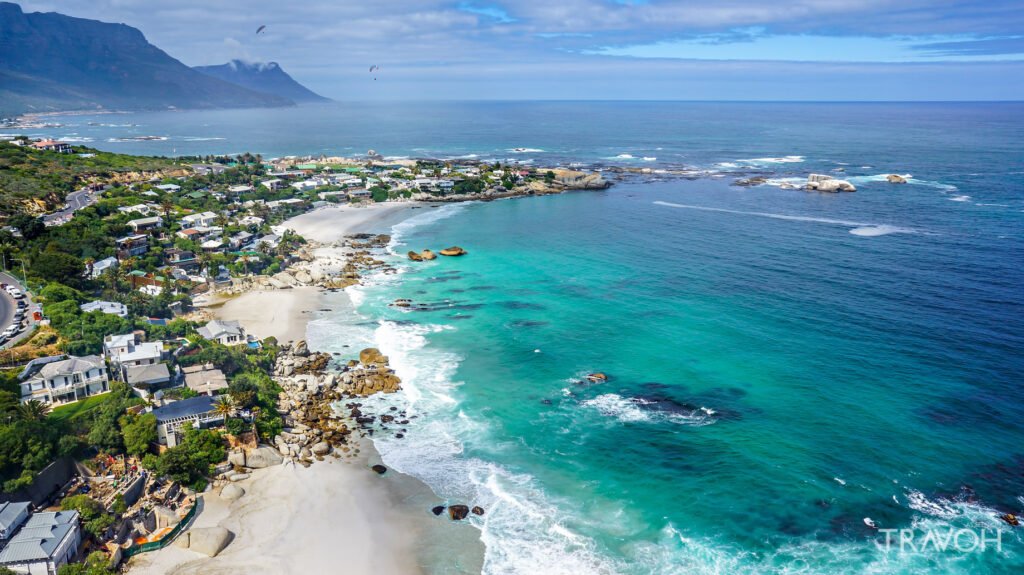
Mauritius is often attractive to travelers seeking a peaceful island holiday with developed tourism infrastructure, beaches, resorts, and relatively easy transportation. Seychelles is another popular option for travelers interested in beaches, nature, and island tourism.
Botswana is particularly appealing for safari travelers because of its remote wilderness areas, established tourism industry, and highly organized safari camps. Namibia is also known for its well-developed tourism infrastructure and dramatic landscapes.
Rwanda has built a strong reputation for organized tourism, particularly around Kigali and gorilla trekking in Volcanoes National Park. Tanzania and Kenya are major safari destinations with extensive experience handling international visitors.
The safest African country to visit therefore depends on your intended experience. A traveler seeking a beach holiday may choose differently from someone planning a remote camping safari.
Is Africa Safe for Tourists?
Africa can be safe for tourists when travelers choose suitable destinations and take sensible precautions. Millions of visitors travel across the continent every year for safaris, beach holidays, business trips, cultural experiences, and adventure travel.
Most tourist experiences are trouble-free, but travelers should not assume that every destination has the same security conditions. Crime, political demonstrations, road accidents, health concerns, wildlife risks, and extreme weather can affect different regions.
Good travel planning is therefore essential. Research the specific destination before departure, use reputable accommodation, arrange reliable transportation, avoid unnecessary travel into unfamiliar areas at night, and follow advice from local authorities and experienced guides.
Safari travel has its own safety considerations. Wildlife should always be treated as wild and unpredictable, even when animals appear calm or accustomed to safari vehicles.
Safest African Country for Safari
Botswana is one of the strongest choices for travelers seeking a well-organized safari in a remote wilderness environment. The country’s safari industry includes experienced guides, established camps, and carefully managed wildlife areas.
The Okavango Delta is particularly famous for its wilderness experiences, while Chobe National Park is known for elephants and river-based wildlife viewing.
Namibia is another strong option for travelers who want a combination of wildlife, desert scenery, road travel, and national parks. The country’s tourism infrastructure makes it popular with independent travelers and guided groups.
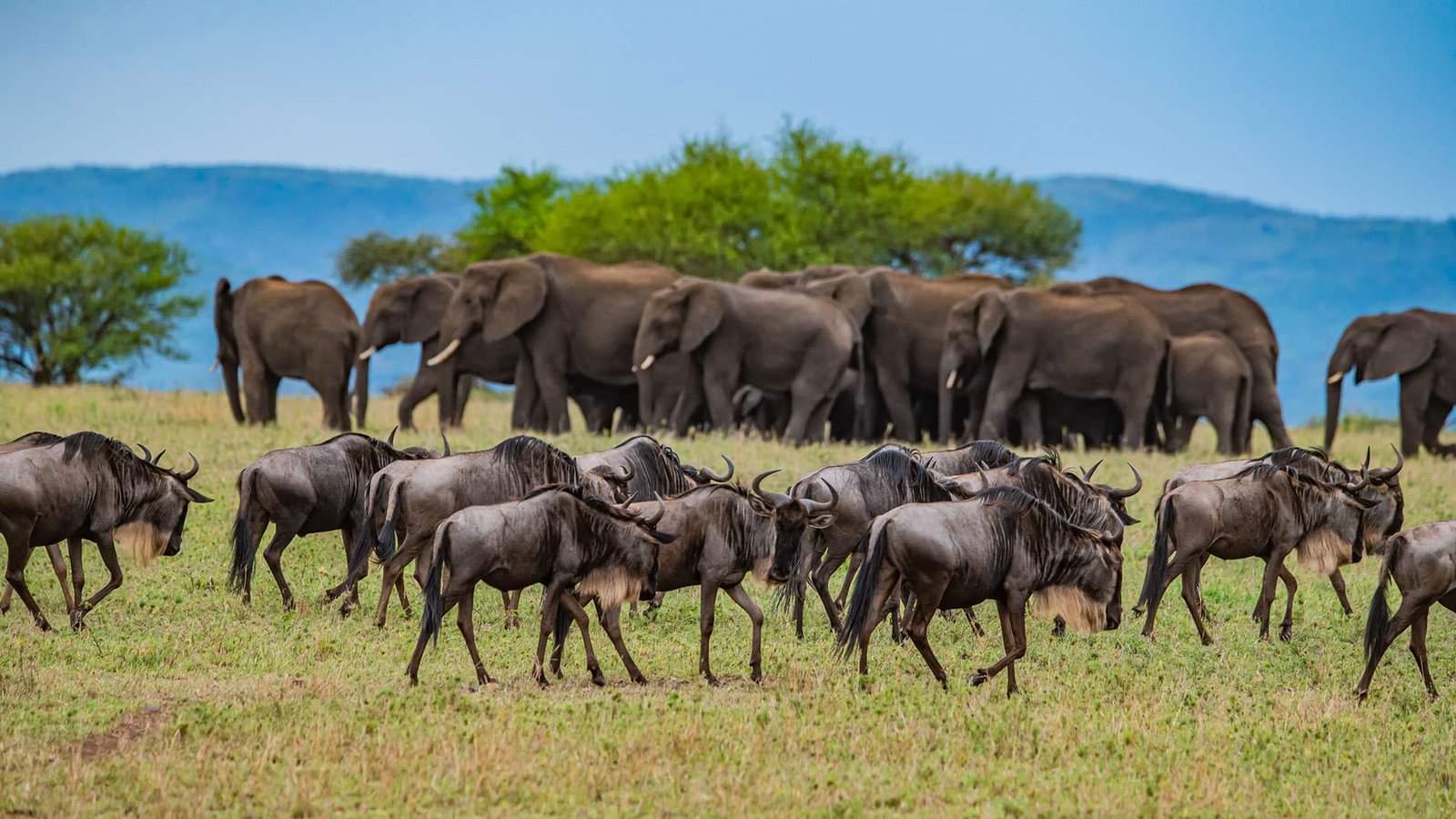
Tanzania and Kenya are also major safari destinations with experienced tourism industries. Travelers can explore the Serengeti, Ngorongoro, Masai Mara, Amboseli, Tsavo, and other wildlife areas with professional guides.
Is Kenya Safe for Tourists?
Kenya welcomes large numbers of international visitors every year, particularly for safaris and coastal holidays. Major tourism destinations such as the Masai Mara, Amboseli, Lake Nakuru, Tsavo, Diani, and other established tourist areas have extensive experience hosting international travelers.
However, safety conditions can vary between different parts of the country. Travelers should follow current local guidance, particularly when visiting large cities or areas near international borders.
In Nairobi, normal urban precautions are important. Travelers should avoid displaying expensive valuables unnecessarily, use reputable transportation, remain aware of their surroundings, and take extra care after dark.
During a safari, visitors should follow their guide’s instructions. Do not leave a safari vehicle in an unauthorized area, approach wildlife, feed animals, or attempt to take photographs from unsafe positions.
Is Tanzania Safe for Tourists?
Tanzania is one of Africa’s leading tourism destinations, attracting travelers to the Serengeti, Ngorongoro Crater, Tarangire, Mount Kilimanjaro, Zanzibar, and other destinations.
Tourist areas have extensive experience welcoming international visitors, but travelers should still use common precautions. Keep important documents secure, use trusted transportation, and be cautious with valuables in busy public areas.
Safari travelers should follow the instructions of their professional guide. Wildlife encounters are safest when visitors remain inside authorized vehicles or follow specific instructions during guided walking activities.
Zanzibar is also a major international tourism destination. Travelers should respect local customs and dress appropriately, particularly when visiting communities away from resort areas.
Is Botswana Safe for Tourists?
Botswana is widely regarded as one of the stronger safari destinations for travelers who want remote wilderness and established tourism services.
The country’s safari industry is highly focused on protected areas and wilderness tourism. Professional guides receive training in wildlife behavior and safari safety, which is particularly important in areas where elephants, lions, buffalo, hippos, and other large animals are present.
Remote locations mean that travelers should not attempt independent wildlife activities without proper preparation. Follow camp rules and never walk outside designated areas without an authorized guide.
Botswana’s remote nature can also mean limited access to medical facilities in some safari areas. Travelers should therefore consider comprehensive travel insurance and understand how emergency evacuation would work if needed.
Is Namibia Safe for Tourists?
Namibia is a popular destination for travelers interested in deserts, wildlife, photography, road trips, and dramatic landscapes. It has established tourism infrastructure and is particularly popular with self-drive travelers.
The main concern for independent travelers is often not crime but road safety and the challenges of driving long distances in remote areas. Travelers should plan fuel stops carefully, avoid excessive speed, and understand local road conditions.
Wildlife areas such as Etosha National Park require visitors to follow park regulations carefully. Animals can be unpredictable, even when they appear to be far from the vehicle.
Is Rwanda Safe for Tourists?
Rwanda is known for its organized tourism industry and is especially popular for gorilla trekking in Volcanoes National Park.
Kigali is widely recognized as a clean and organized African capital, although travelers should still take normal precautions regarding personal belongings and transportation.
Gorilla trekking has its own safety rules. Visitors must maintain the required distance from gorillas, follow the instructions of trackers and guides, and avoid touching wildlife.
Because gorilla trekking takes place in mountainous forest terrain, physical preparation is also important. Trails can be steep, muddy, and challenging depending on weather conditions.
Safest African Countries for Families
Families often prioritize reliable infrastructure, comfortable accommodation, accessible medical facilities, and activities suitable for children.
South Africa can be an attractive family destination because it has extensive tourism infrastructure, private reserves, national parks, beaches, and family-friendly accommodation. Kenya also offers many family safari options, particularly in established wildlife destinations.
Botswana can provide excellent family experiences, although parents should check age restrictions before booking specific camps or walking activities.
Mauritius and Seychelles can be particularly appealing for families seeking a beach holiday rather than a traditional safari.
The right choice depends on the children’s ages and the type of holiday. Families traveling with very young children should pay particular attention to malaria areas, vaccination requirements, road travel, and accommodation policies.
Safest African Countries for Solo Travelers
Solo travel in Africa can be rewarding, but planning is particularly important because independent travelers do not have the same support as organized groups.
Countries with developed tourism infrastructure can make solo travel easier. Morocco, Rwanda, Namibia, Botswana, South Africa, Kenya, and Tanzania can all provide different options depending on the traveler’s experience and itinerary.
Solo safari travelers may benefit from joining a group safari or booking with a reputable local operator. This provides professional transportation, guiding, accommodation coordination, and assistance if unexpected problems occur.
Travelers should be more cautious when traveling alone at night, using unfamiliar transportation, hiking in remote areas, or visiting destinations with limited communication and emergency services.
Safest African Countries for Female Travelers
Women travel throughout Africa for safaris, cultural trips, business, beach holidays, and adventure travel. However, solo female travelers should consider local customs, transportation, accommodation, and the specific destination.
Travelers should research cultural expectations regarding clothing and behavior, particularly in conservative communities. In some countries and regions, modest dress is appropriate outside resorts and tourist beaches.
Choosing reputable accommodation and transportation is particularly important for solo travelers. It can also be helpful to share your itinerary with someone you trust and maintain communication when traveling between destinations.
Is South Africa Safe for Tourists?
South Africa has one of Africa’s most developed tourism industries and offers excellent national parks, private reserves, cities, beaches, and scenic destinations. However, crime is an important consideration in some urban areas.
Travelers should use reputable transportation, avoid displaying valuable items, stay aware of their surroundings, and take extra care after dark. Visitors should follow local advice about neighborhoods and avoid entering unfamiliar areas without guidance.
Safari destinations and private reserves can provide a very different environment from major cities. Travelers should follow lodge and guide instructions and understand the specific safety rules of their accommodation.
South Africa remains a popular choice for travelers who want a combination of safari and other experiences, but visitors should plan carefully and remain aware of their surroundings.
Safest African Country for a Honeymoon
For honeymooners, Mauritius and Seychelles are strong choices for beach-focused holidays, while Botswana, Kenya, Tanzania, Rwanda, and South Africa offer memorable safari experiences.
Kenya and Tanzania are particularly suitable for couples who want to combine safari with an Indian Ocean beach stay. A wildlife safari followed by several days on the coast can create a varied honeymoon.
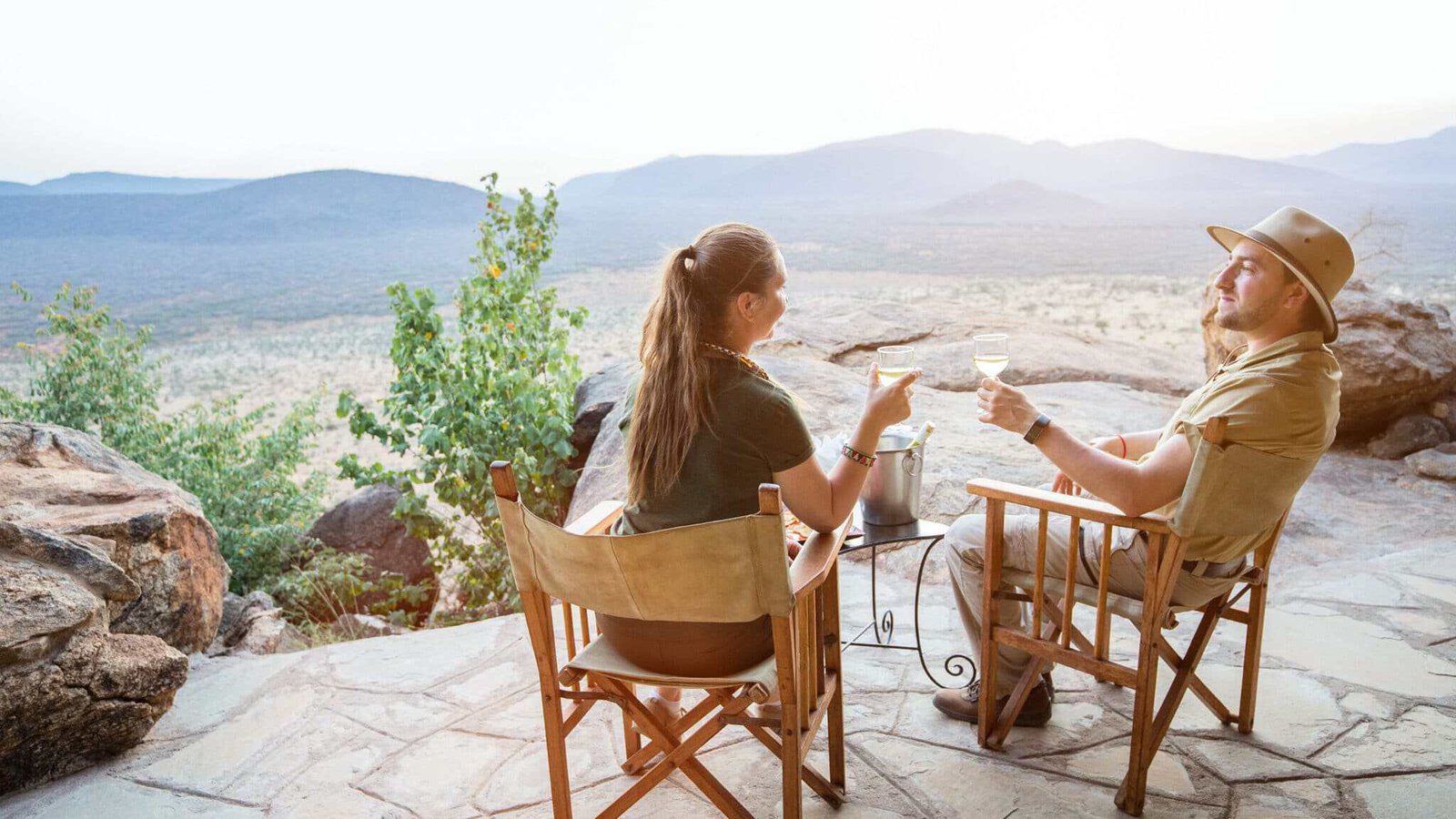
Botswana is ideal for couples looking for remote luxury and intimate wilderness experiences. Small safari camps can offer privacy, personalized service, and excellent wildlife viewing.
The safest choice for a honeymoon depends on the itinerary, accommodation, transportation, and activities rather than the country name alone.
Wildlife Safety During an African Safari
Wildlife safety is one of the most important aspects of an African safari. Large animals such as elephants, buffalo, hippos, and lions can be dangerous if approached incorrectly.
Always follow your guide’s instructions. Do not leave a safari vehicle unless your guide confirms that it is safe and permitted. Never approach animals to take photographs, shout at wildlife, feed animals, or attempt to attract their attention.
At safari camps, follow instructions about walking between tents or rooms. Some camps are located in unfenced wilderness areas where wildlife may move through the property.
Nighttime is particularly important. Do not walk around a remote camp alone unless the camp specifically permits it or provides an escort.
Road Safety in Africa
Road safety can be a more significant concern than travelers expect. Long distances, changing road conditions, animals crossing roads, unfamiliar driving rules, and limited lighting can create challenges.
Using an experienced driver-guide can reduce some risks during a safari. Professional safari drivers understand local roads, wildlife areas, vehicle handling, and common hazards.
If you plan to self-drive, research the route carefully and avoid driving beyond your experience level. In remote areas, carry adequate water, fuel, communication equipment, and emergency supplies as appropriate.
Health and Medical Safety
Health preparation is an important part of safe travel in Africa. Health requirements differ by country and may include recommended or required vaccinations, malaria prevention, food and water precautions, and other destination-specific measures.
Travelers should consult a qualified travel-health professional before departure, particularly when visiting remote areas or countries where access to medical care may be limited.
Travel insurance is strongly recommended for international trips. A comprehensive policy should be checked for medical treatment, emergency evacuation, trip interruption, and the activities you intend to undertake.
Do not rely on a general assumption that one health strategy applies to every African country. Medical risks can differ significantly between destinations.
How to Stay Safe While Traveling in Africa
Good preparation is one of the most effective ways to reduce travel risks. Research your destination, understand local laws and customs, use reputable transportation, protect important documents, and maintain awareness of your surroundings.
Avoid carrying large amounts of cash unnecessarily. Keep copies of important travel documents separately from the originals and use secure storage where available.
Travelers should also be cautious about unfamiliar offers, unofficial guides, and unsolicited assistance involving money or transportation. Booking tours and activities through reputable companies provides an additional layer of accountability.
Is It Safe to Travel Around Africa at Night?
Night travel requires additional caution in many destinations. Poor lighting, unfamiliar roads, limited public transportation, wildlife, and increased crime risks can make nighttime movement less advisable.
On safari, travelers should follow camp rules and never walk through wildlife areas at night without an authorized escort.
In cities, use trusted transportation and avoid walking alone in unfamiliar areas after dark. Your hotel or tour operator can often recommend reliable transportation options.
How to Choose a Safe African Safari Company
Choosing the right safari operator can significantly improve the organization and safety of your trip. Look for a company with a verifiable operating history, clear contact information, transparent pricing, experienced guides, suitable vehicles, and detailed itineraries.
A professional operator should clearly explain what is included in your package and provide realistic information about travel times, accommodation, activities, and safety requirements.
Avoid companies that make unrealistic promises about guaranteed wildlife sightings or offer prices that seem suspiciously low without explaining what is included.
Is Africa Safe for First-Time Travelers?
Africa can be an excellent destination for first-time international travelers when the trip is properly planned. First-time visitors may find an organized safari particularly convenient because accommodation, transportation, activities, and guiding are coordinated in advance.
Kenya, Tanzania, Botswana, Namibia, South Africa, and Rwanda all offer established tourism experiences, although each has different conditions.
First-time travelers should avoid trying to cover too many countries in one short trip. Staying within a well-planned route makes transportation easier and reduces unnecessary logistical challenges.
What Should You Avoid Doing in Africa?
Travelers should avoid ignoring local advice, entering restricted areas, approaching wildlife, walking alone in unfamiliar areas at night, displaying expensive valuables unnecessarily, and using unlicensed transportation or guides.
Visitors should also avoid assuming that all African countries have the same customs or safety conditions. Each destination should be treated individually.
Respect for local communities is equally important. Ask before photographing people, follow cultural guidelines, and avoid behavior that could be considered disrespectful.
Final Answer: What Is the Safest African Country to Visit?
So, what is the safest African country to visit? There is no single answer for every traveler, but countries such as Mauritius, Seychelles, Botswana, Namibia, Rwanda, Kenya, Tanzania, and South Africa can offer well-established tourism experiences when travelers choose appropriate destinations and follow sensible precautions.
For a safari specifically, Botswana and Namibia are strong choices for travelers seeking organized wilderness experiences, while Kenya and Tanzania are excellent for classic East African wildlife safaris. Rwanda is particularly attractive for gorilla trekking, while South Africa offers extensive tourism infrastructure and diverse safari options.
Ultimately, safety depends on more than choosing a country. Your specific destination, accommodation, transportation, travel season, activities, and personal behavior all matter. The safest African holiday is one that is carefully planned, uses reputable local services, respects wildlife and communities, and follows current destination-specific travel and health advice.
Africa offers extraordinary travel experiences, and responsible preparation allows visitors to enjoy its wildlife, landscapes, cultures, and communities while reducing avoidable risks. Instead of asking only which country is safest, consider which destination is safest and most suitable for the exact experience you want to have.