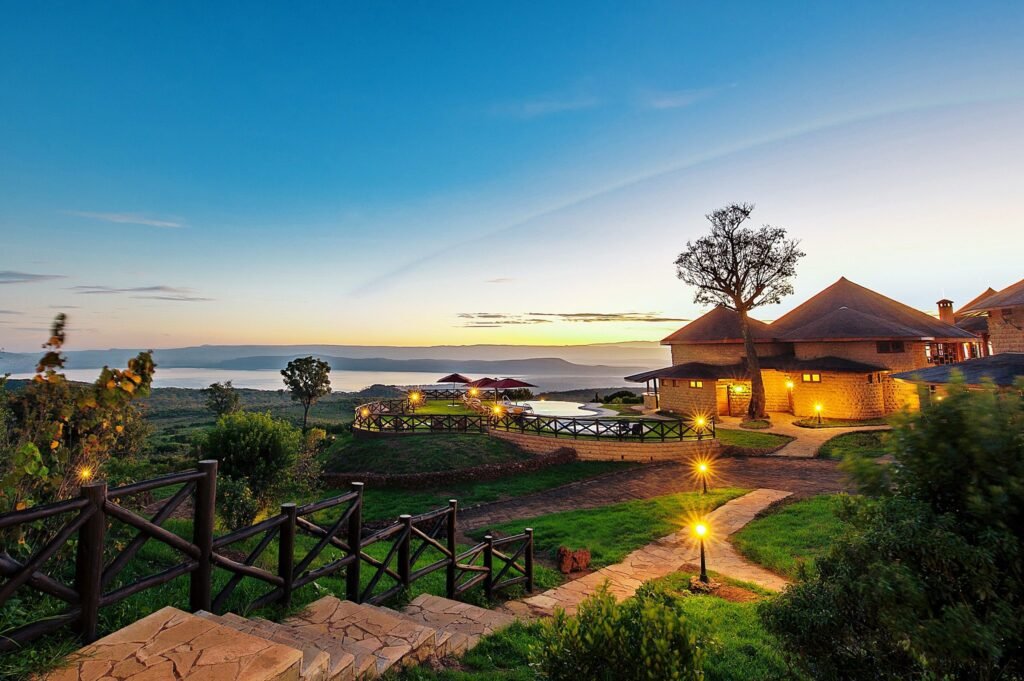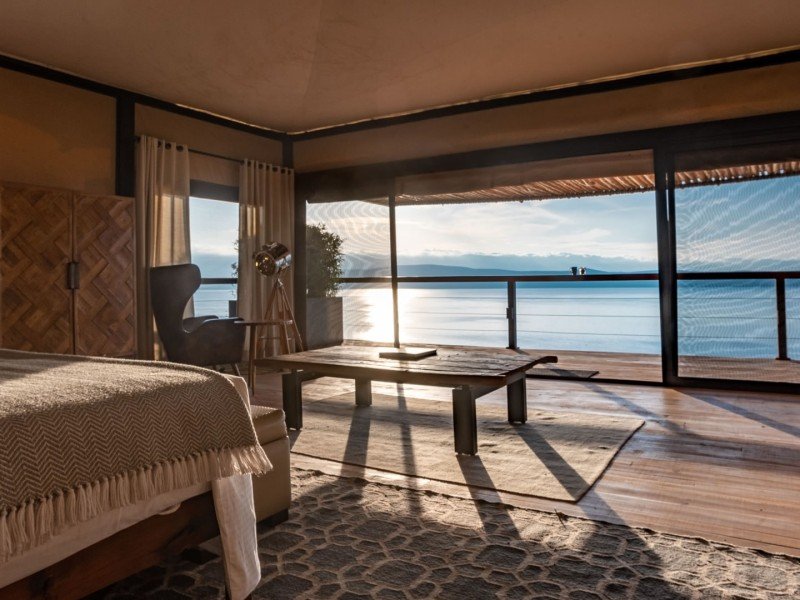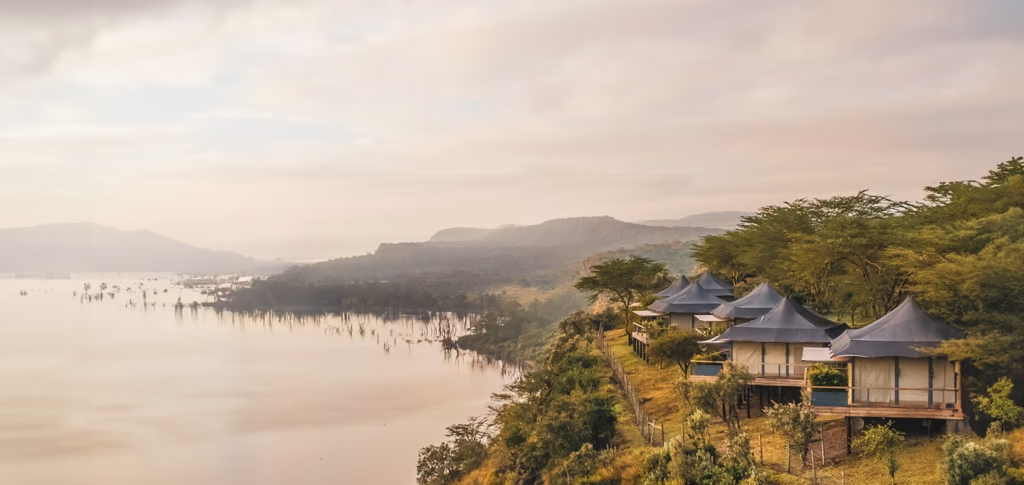

6 Days Ol Pejeta Conservancy, Lake Nakuru, Masai Mara Kenya Safari Trip
-
Yes, six days can give you a very rewarding introduction to Kenya, provided the itinerary is well planned.
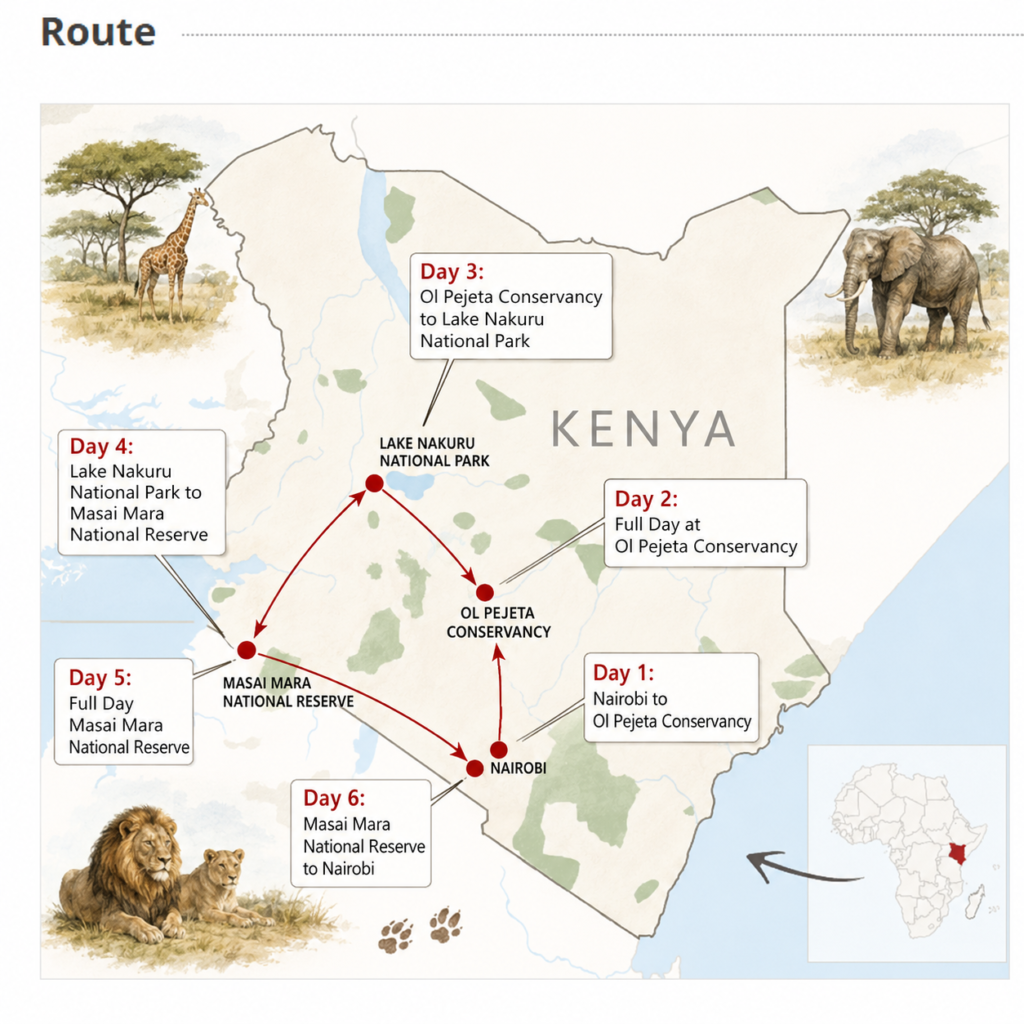
This safari focuses on three destinations that offer noticeably different experiences, including Ol Pejeta Conservancy, Lake Nakuru National Park, and the Masai Mara National Reserve.
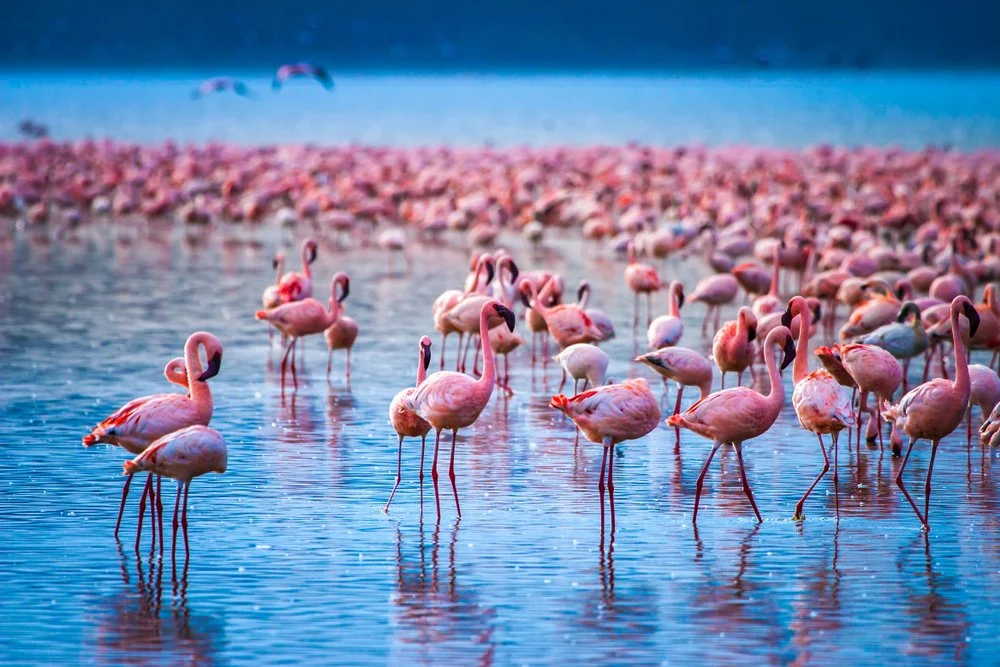
You will get a golden opportunity to experience wildlife and conservation at Ol Pejeta, the Great Rift Valley and Lake Nakuru ecosystem, and then finish with the classic savannah landscapes and abundant wildlife of the Masai Mara.
Rather than trying to squeeze in 4 or 5 parks, this itinerary gives you enough time to actually enjoy each destination.
-
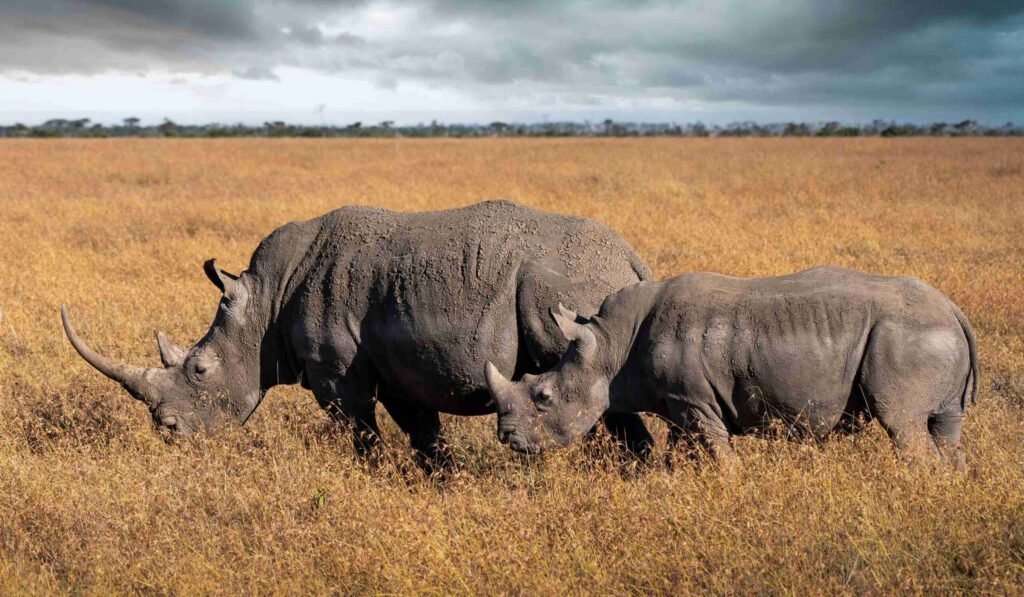
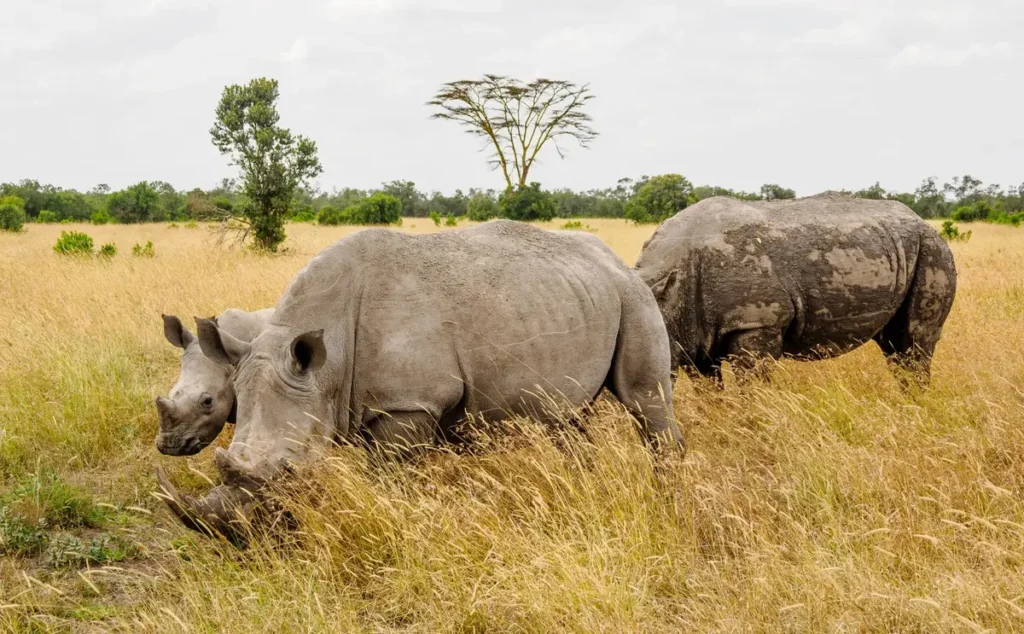
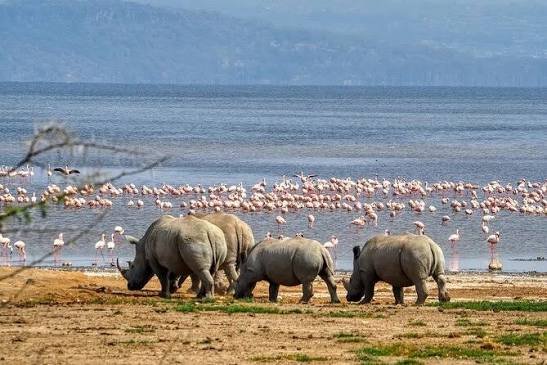
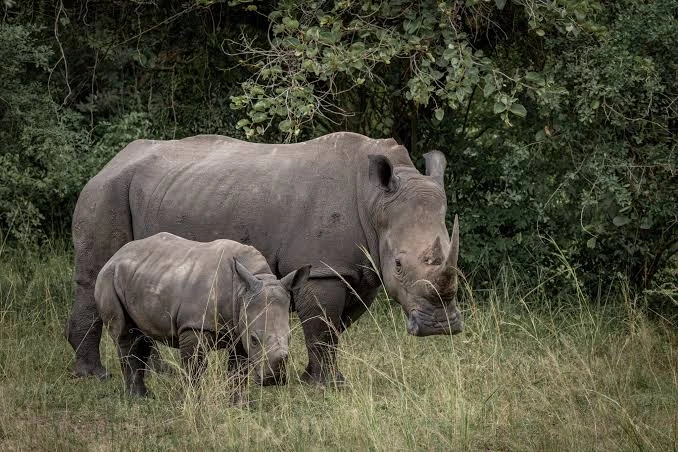
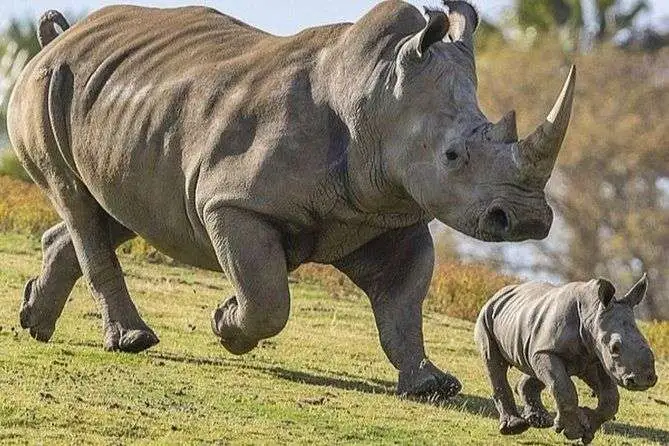
This itinerary combines wildlife viewing with conservation experiences. For instance, at Ol Pejeta, you have the opportunity to learn about rhino conservation and visit the Sweetwaters Chimpanzee Sanctuary. Lake Nakuru adds a completely different environment with the Rift Valley landscape, lake ecosystem, birdlife, and rhino tracking, and finally, the Masai Mara provides the classic safari experience. With opportunities to see the Big Five, the big cats, the Great Migration, and other wildlife species.
Therefore, you are not visiting three destinations simply because they are popular, it is because each stop adds something different to your safari.
-
This 6-day Kenya safari tour involves several road transfers, but the route is well-planned to keep the journey practical while allowing time for wildlife viewing and scenic stops. However, driving times can vary with traffic, road conditions, weather, and stops along the way.
Here is how long it will take from one destination to another;
Nairobi to Ol Pejeta Conservancy takes approximately 4 to 5 hours. The journey takes you north through Kenya’s central highlands towards Nanyuki and then into the conservancy, with lunch or a stop allowing 5 to 6 hours for the overall journey.
From Ol Pejeta Conservancy to Lake Nakuru National Park will take approximately 3 to 5 hours, depending on the route and stops. You will travel through the central highlands towards the Great Rift Valley before reaching Lake Nakuru. So if you include scenic or lunch stops, the transfer can take up to 5 hours.
From Lake Nakuru National Park to Masai Mara National Reserve, it will take approximately 5 to 6 hours. This is one of the longer transfers because you will have to cross from the Great Rift Valley toward the Mara ecosystem.
Lastly, from Mara and back to Nairobi, it will take another 5 to 6 hours. However, Traffic approaching Nairobi can increase the journey time.
So if you prefer to spend less time on the road, flying between destinations can be arranged, subject to flight schedules, availability, and additional costs. This is a worthwhile option for luxury travelers, families with young children, or anyone who would rather maximize their time on safari.
At the same time, for the best balance of time, comfort, and cost, the road itinerary works well for a 6-day safari because you also get to see how Kenya’s landscape changes between destinations.
-
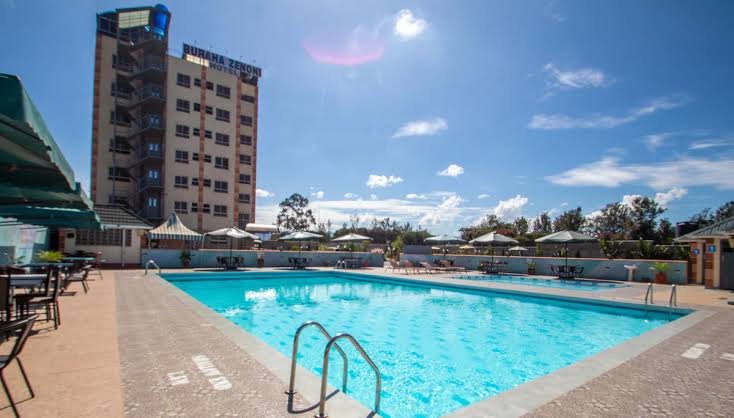
The best Kenya safari tours for families with kids combine exciting wildlife viewing with comfortable accommodation, manageable driving distances, flexible game drives, and activities that keep children interested throughout the journey. A well-planned family safari should not feel rushed. It should give parents and children enough time to enjoy the animals, relax at the lodge, swim, eat comfortably, and experience Kenya beyond the safari vehicle.
For first-time family visitors, a 6 to 8-day Kenya family safari is an excellent choice. A popular itinerary combines Amboseli National Park, Lake Naivasha, Lake Nakuru National Park, and the Masai Mara National Reserve. These destinations offer different landscapes and wildlife experiences, which helps make each day exciting for children.
Amboseli National Park is particularly suitable for families because elephants are frequently seen in open areas, making wildlife easier for children to spot. Families can also enjoy beautiful views of Mount Kilimanjaro on clear mornings. Lake Naivasha adds something different to the safari, with boat trips providing an enjoyable break from long game drives. Lake Nakuru is excellent for seeing rhinos, giraffes, buffaloes, zebras, baboons, and many bird species.
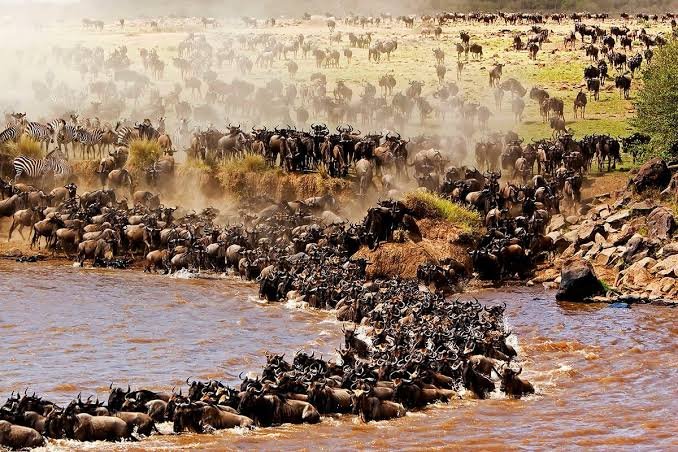
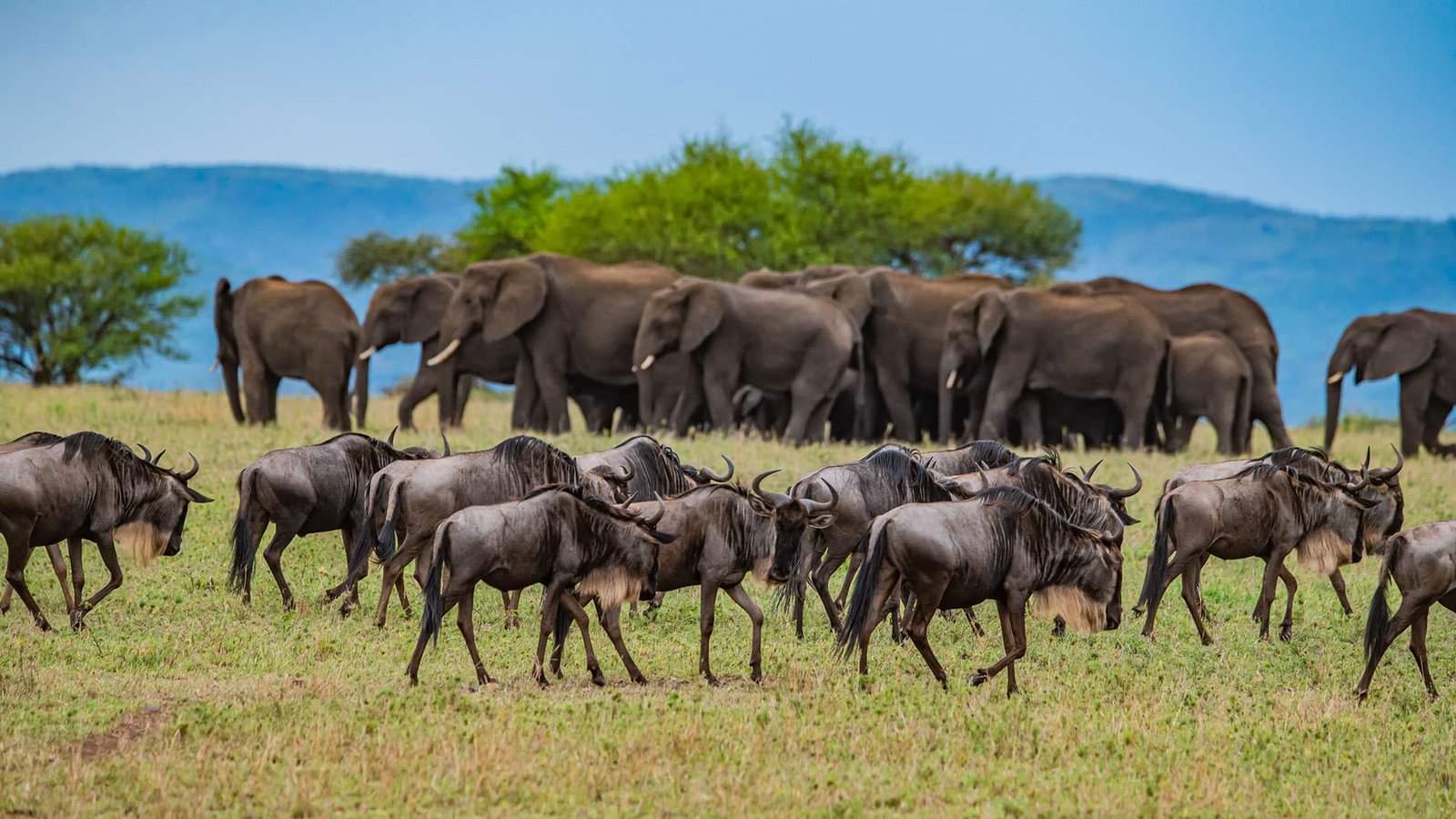
The Masai Mara National Reserve is often the highlight of a Kenya safari with kids. Its open grasslands provide excellent opportunities to see lions, elephants, giraffes, cheetahs, buffaloes, hippos, zebras, wildebeest, and many other animals. During the Great Migration season, families may also witness huge herds of wildebeest and zebras moving through the Mara ecosystem.
Another excellent option is a 5 to 7-day safari combining Ol Pejeta Conservancy, Lake Nakuru, and the Masai Mara. Ol Pejeta is especially interesting for families because children can learn about rhino conservation and discover why protecting endangered wildlife is important. This makes the safari both entertaining and educational.
Families with younger children should consider a private Kenya safari rather than joining a scheduled group tour. A private safari vehicle gives the family greater flexibility to decide when to start game drives, when to return to the lodge, how long to stay at a wildlife sighting, and when children need a break. Families can also choose lodges with swimming pools, family rooms, child-friendly meals, and large outdoor spaces.
For families who want to reduce driving time, a fly-in Kenya safari can be a good choice. Short domestic flights can connect Nairobi with destinations such as the Masai Mara, Amboseli, and other safari areas. This option is particularly useful for families travelling with younger children or those looking for a more comfortable luxury safari.
A Kenya bush and beach safari is another excellent family option. Families can spend several days exploring destinations such as Amboseli and the Masai Mara before flying or driving to Kenya’s coast. A few relaxing days in Diani Beach or Watamu give children time to enjoy the beach and swimming after several days of wildlife viewing.
The best Kenya safari tour ultimately depends on the children’s ages, the family’s budget, travel dates, and preferred level of comfort. For most families, however, a private 6 to 8-day safari visiting two or three wildlife destinations offers the best balance. It provides plenty of opportunities to see the Big Five and other African wildlife without making the itinerary too tiring for younger travellers.
When planning a Kenya safari with kids, choose an itinerary with shorter travel days, family-friendly lodges, flexible game drives, swimming pools where possible, experienced safari guides, and a mixture of wildlife and interactive activities. With the right itinerary, a Kenya family safari can become much more than a holiday. It can be an exciting learning experience and a memorable African adventure shared by the whole family.
-
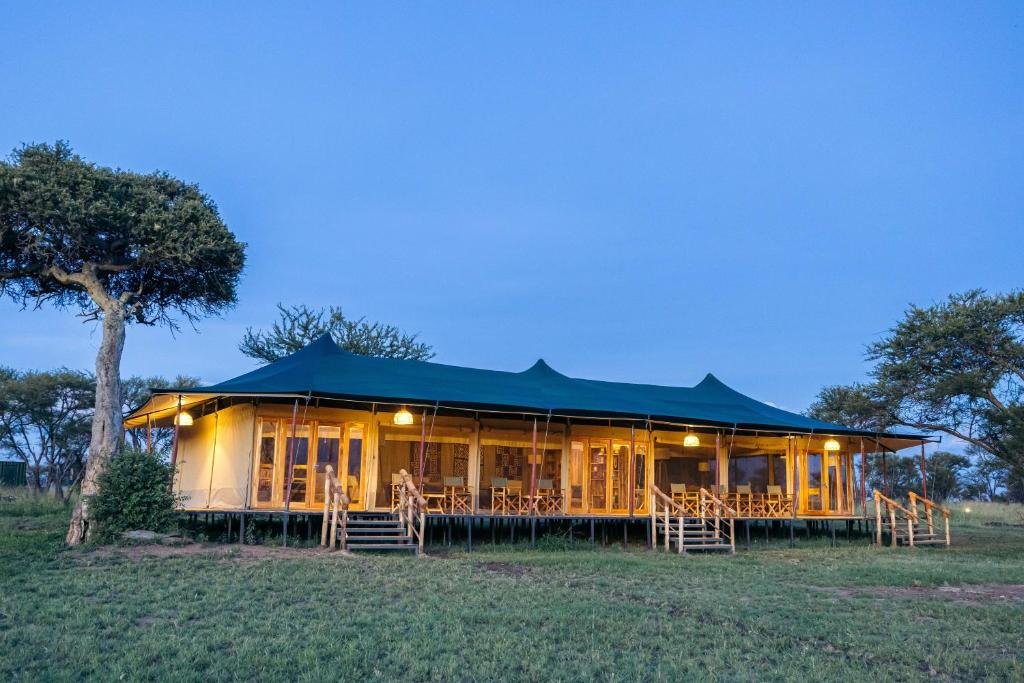
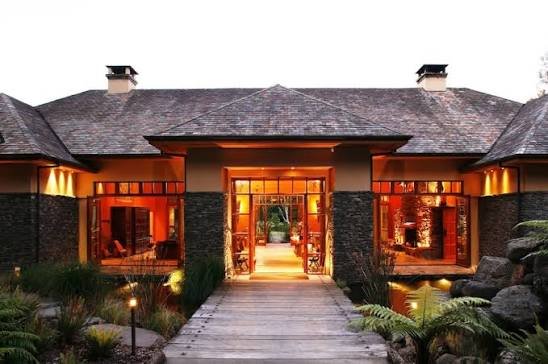
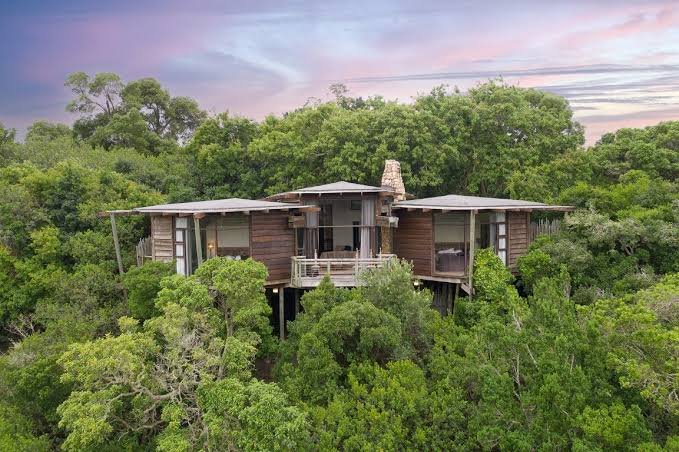
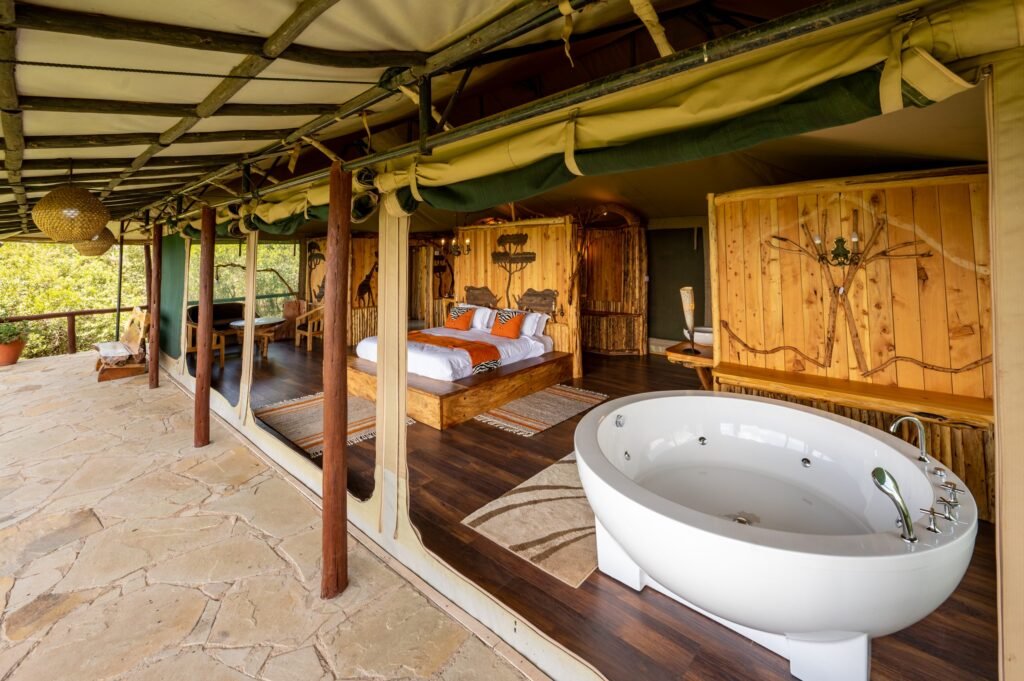
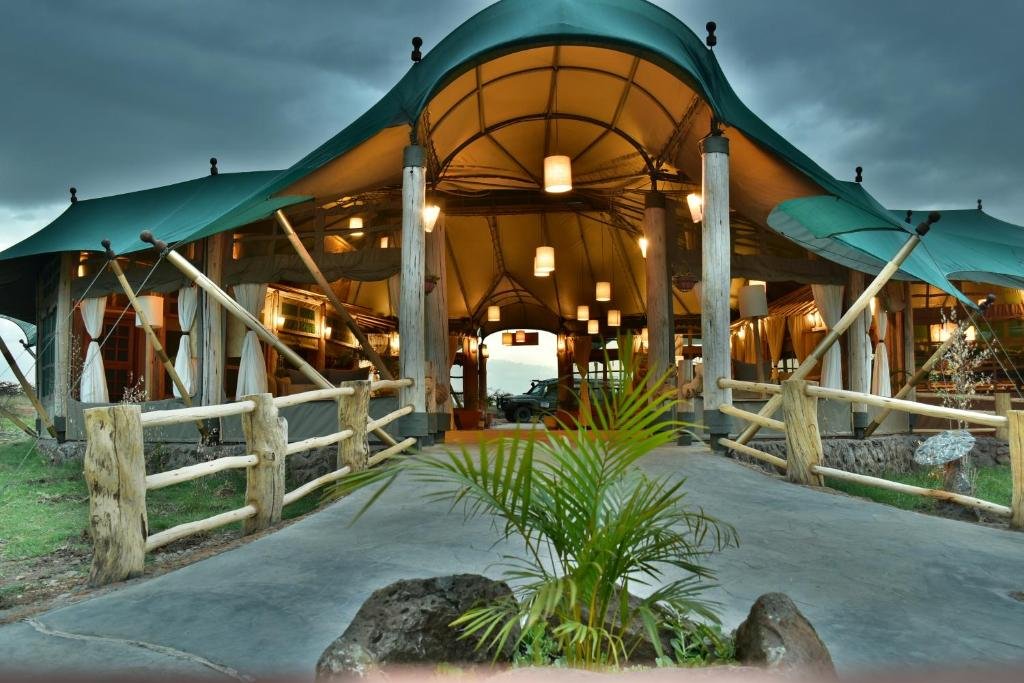
Many Kenya safari tour companies offer luxury accommodations for travelers who want to combine excellent wildlife viewing with comfort, privacy, personalized service, and high-quality safari lodges and tented camps. Luxury Kenya safaris can range from elegant five-star lodges to exclusive tented camps, private villas, and small boutique properties located in national parks and private wildlife conservancies.
Some well-known safari companies offering luxury Kenya safari experiences include Offbeat Safaris, &Beyond, Micato Safaris, Abercrombie & Kent, The Safari Collection, Asilia Africa, Elewana Collection, Sunworld Safaris, Explorer Kenya, Spirit of Kenya, and other established local safari operators. Many Kenya-based tour companies can also create customized luxury itineraries using carefully selected high-end properties across the country.
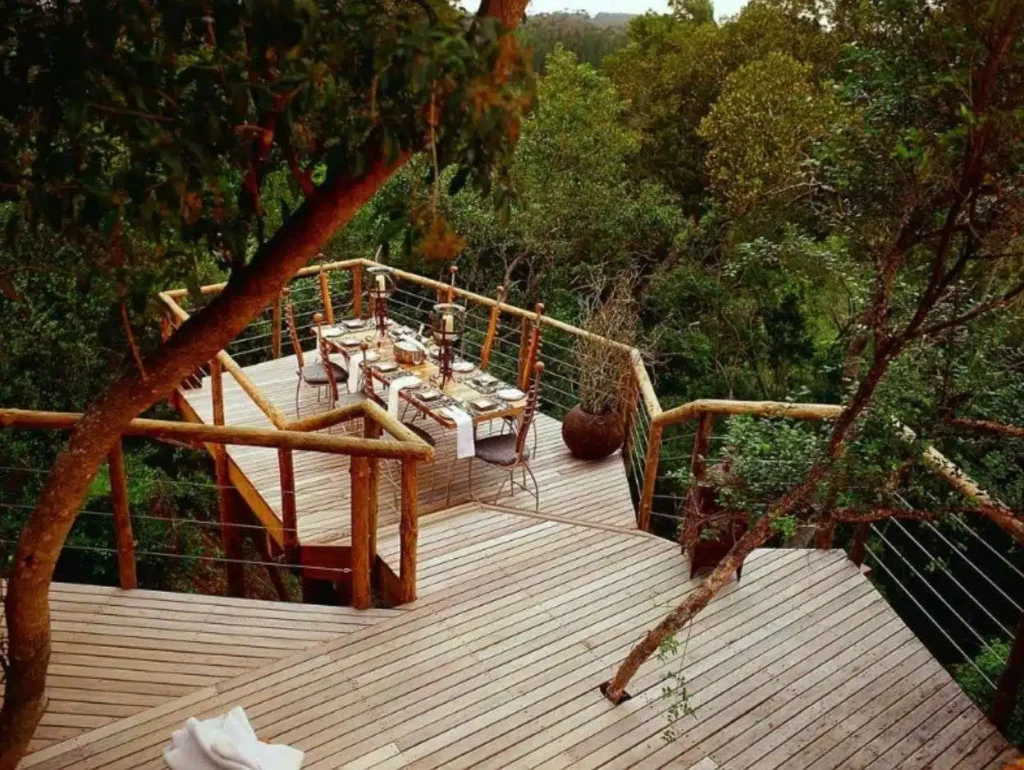
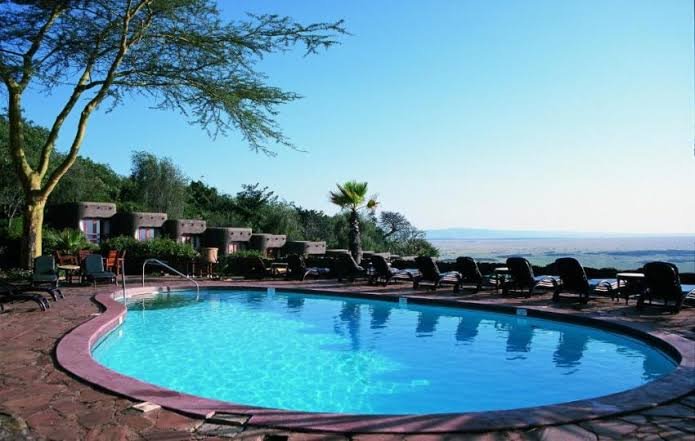
The Masai Mara National Reserve is one of the most popular destinations for luxury safaris in Kenya. Travelers can stay in stylish tented camps and lodges offering spacious rooms, private decks, excellent dining, swimming pools, and personalized safari activities. Private conservancies surrounding the Masai Mara are particularly attractive for luxury travelers because they often provide a quieter safari experience with fewer vehicles.
Amboseli National Park is another excellent destination for a luxury Kenya safari. The area is famous for its large elephant herds and beautiful views of Mount Kilimanjaro. Luxury lodges and camps around Amboseli provide comfortable accommodation while allowing guests to remain close to some of the park’s best wildlife areas.
Laikipia and Ol Pejeta Conservancy are also excellent choices for travelers looking for exclusive safari experiences. Luxury properties in these areas often combine wildlife viewing with conservation activities, guided nature walks, night game drives, bush meals, sundowners, and other experiences that may not be available in traditional national parks.
Samburu is another destination commonly included in luxury Kenya safari tours. Its dry northern landscapes provide a completely different experience from the Masai Mara and Amboseli. Visitors can search for animals associated with northern Kenya, including Grevy’s zebra, reticulated giraffe, gerenuk, Somali ostrich, and Beisa oryx.
A luxury Kenya safari is about much more than staying in an expensive lodge. A well-designed luxury tour normally combines excellent accommodation with professional guiding, private transportation, carefully planned game drives, quality meals, convenient transfers, and personalized service.
Many luxury safari packages include a private 4×4 Land Cruiser with an experienced safari guide. Having a private vehicle gives travelers greater freedom to determine the pace of their safari. Guests can spend more time watching a pride of lions, stop for photography, return to the lodge earlier, or arrange their game drives according to their interests.
Travelers who prefer to avoid long road journeys can choose a luxury fly-in safari. Scheduled light-aircraft flights connect Nairobi with destinations such as the Masai Mara, Amboseli, Samburu, and Laikipia. Flying between destinations reduces travel time and allows visitors to spend more of their holiday enjoying wildlife and their accommodation.
Luxury safari companies can also arrange special experiences such as hot-air balloon safaris over the Masai Mara, bush breakfasts, sundowners, guided walking safaris, cultural visits, private dining experiences, photographic safaris, and conservation activities. The exact experiences available depend on the destination and accommodation selected.
Families can also enjoy luxury Kenya safari tours. Family-friendly luxury lodges may provide larger rooms, interconnected accommodation, swimming pools, children’s activities, flexible meal times, and private game drives. A private itinerary makes it easier for parents to adjust daily activities according to their children’s ages and energy levels.
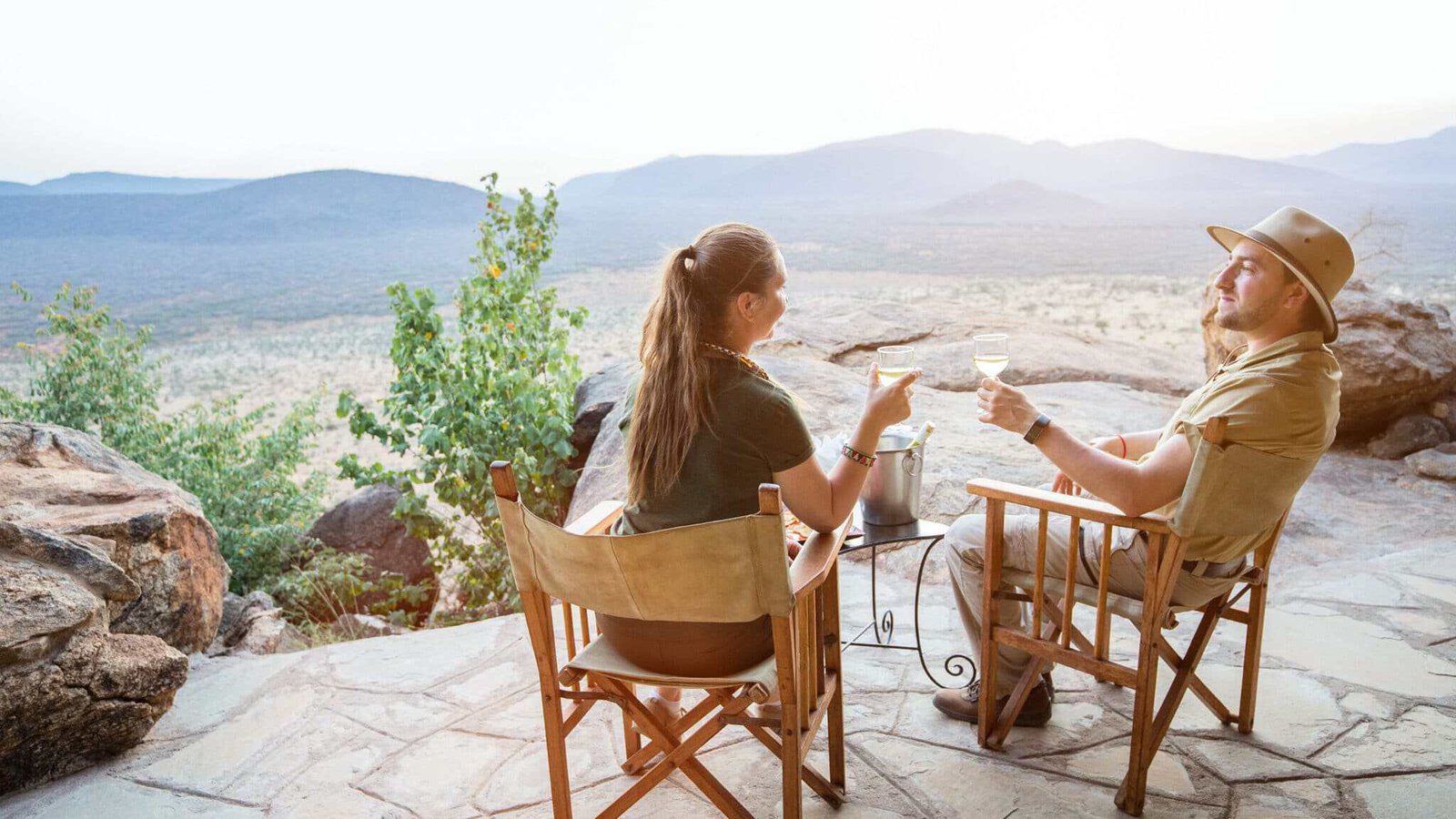
Couples and honeymooners can choose smaller luxury camps offering greater privacy and romantic experiences. Private dinners, secluded suites, bush breakfasts, sundowners, and scenic flights can be included to create a more personal safari.
Luxury Kenya safaris can also be combined with a beach holiday. After visiting destinations such as Amboseli, Ol Pejeta, Samburu, or the Masai Mara, travelers can continue to Diani Beach, Watamu, or another destination along the Kenyan coast. This creates a relaxing bush and beach holiday combining wildlife adventures with several days beside the Indian Ocean.
When comparing Kenya safari tour companies, travelers should look beyond the word “luxury.” It is important to check the exact lodge or camp included in the package, room category, meal plan, safari vehicle, domestic flights, park and conservancy fees, transfers, activities, and any additional costs.
Travelers should also check whether game drives are private or shared. Some luxury camps include shared game drives as standard, while private vehicles require an additional payment. This can make a significant difference to both the safari experience and final price.
The best Kenya safari tour company is therefore not necessarily the company offering the most expensive package. A good luxury safari operator should understand the traveler’s interests, budget, preferred destinations, accommodation expectations, and travel style before creating the itinerary.
For travelers seeking a truly memorable experience, a private 7 to 10-day Kenya luxury safari combining two or three destinations is often an excellent choice. A route covering Amboseli, Ol Pejeta or Laikipia, and the Masai Mara provides beautiful landscapes, excellent wildlife viewing, high-quality accommodation, and enough variety to experience several different sides of Kenya.
The key is choosing an experienced Kenya safari company that offers carefully selected luxury accommodations, knowledgeable guides, reliable transportation, transparent pricing, and an itinerary designed around the traveler rather than simply selling a standard safari package.
-
Kenya safari tours that combine the Maasai Mara National Reserve and Amboseli National Park are among the best choices for travelers who want to experience two of Kenya’s most famous wildlife destinations in one holiday. The combination offers excellent Big Five viewing, open savannah landscapes, large elephant herds, big cats, and beautiful views of Mount Kilimanjaro.
For most travelers, a 5 to 7-day Kenya safari is a good length for visiting both Amboseli and the Maasai Mara. A longer itinerary allows more time for game drives and reduces the feeling of rushing from one destination to another.
A recommended 5-day itinerary can begin in Nairobi before traveling to Amboseli National Park for two nights. Amboseli is famous for its elephants, and visitors may also see lions, buffaloes, giraffes, zebras, wildebeest, hippos, hyenas, and many species of birds. On clear mornings and evenings, Mount Kilimanjaro creates one of the most beautiful safari backgrounds in East Africa.
After Amboseli, travelers can continue toward the Maasai Mara. Because the road journey between the two destinations is long, some itineraries include an overnight stop around Nairobi or Lake Naivasha. Travelers looking for additional comfort can also choose domestic flights, depending on the itinerary and available connections.
The Maasai Mara should ideally be given at least two or three nights. It is one of Kenya’s best destinations for viewing lions, cheetahs, elephants, buffaloes, giraffes, hippos, wildebeest, zebras, and many other animals. Leopards are also present, although sightings can never be guaranteed.
A 6-day Kenya safari offers a more comfortable pace. Travelers can spend two nights in Amboseli and three nights in the Maasai Mara, with the remaining day used for transfers. This option works particularly well for couples, families, photographers, and first-time safari travelers who want to concentrate on Kenya’s major wildlife highlights.
For travelers with more time, a 7 or 8-day safari can include Lake Naivasha or Lake Nakuru between Amboseli and the Maasai Mara. Lake Naivasha provides a change from traditional game drives, with activities such as boat trips and nature experiences. Lake Nakuru National Park is particularly popular for rhino viewing and can add another important wildlife experience to the itinerary.
One recommended route is Nairobi – Amboseli – Lake Naivasha – Maasai Mara – Nairobi. This itinerary combines elephants and Mount Kilimanjaro in Amboseli, the beautiful Great Rift Valley around Naivasha, and the wildlife-rich plains of the Maasai Mara.
Another excellent route is Nairobi – Amboseli – Lake Nakuru – Maasai Mara – Nairobi. This itinerary is particularly suitable for travelers interested in seeing a wider variety of wildlife. Amboseli is excellent for elephants, Lake Nakuru provides opportunities to see rhinos, and the Maasai Mara offers some of Kenya’s best big-cat viewing.
Travelers looking for a premium experience can choose a luxury fly-in safari. Flying between destinations significantly reduces road travel and allows more time for game drives and relaxation. Luxury packages can include high-end tented camps, private transfers, scheduled flights, professional guides, bush meals, sundowners, and other personalized experiences.
Families may prefer a private road safari using a 4×4 Land Cruiser. A private vehicle allows parents to adjust game-drive times, make additional stops, and return to the lodge when children need a break. Family-friendly lodges with swimming pools and spacious rooms can make the safari more comfortable.
Couples and honeymooners can choose smaller tented camps and luxury lodges offering greater privacy. Amboseli and the Maasai Mara work particularly well for honeymoon safaris because the journey combines dramatic scenery with excellent wildlife experiences. Romantic bush dinners, sundowners and a hot-air balloon safari in the Maasai Mara can also be added.
Travelers visiting between roughly July and October may have the opportunity to experience the Great Migration in the Maasai Mara. However, the timing and location of the migrating herds change according to rainfall and grazing conditions, so sightings and river crossings cannot be guaranteed on specific dates.
The Maasai Mara and Amboseli are also excellent outside the migration period. Resident wildlife remains throughout the year, making this combination suitable for safaris during many different months.
When choosing a Kenya safari tour, travelers should consider the number of nights at each destination rather than simply comparing the total number of days. Spending only one night in the Maasai Mara, for example, can make the journey feel rushed. Two nights should generally be considered a practical minimum, while three nights provide a more complete experience.
Travelers should also check whether the safari price includes park entrance fees, accommodation, meals, transportation, airport transfers, game drives, domestic flights where applicable, and the services of a professional safari guide. Optional experiences such as hot-air balloon safaris and Maasai cultural visits may cost extra.
For a first Kenya safari, a 6 or 7-day private tour combining Amboseli, Lake Naivasha or Lake Nakuru, and the Maasai Mara is one of the strongest options. It offers a good balance of wildlife, landscapes, comfortable travel, and different safari experiences without trying to cover too many destinations.
For travelers with limited time, a 5-day Amboseli and Maasai Mara safari can work well, particularly when flights are used to reduce transfer times. Those with a larger budget can choose a fully fly-in itinerary, while travelers seeking better value can complete most or all of the journey by road.
Ultimately, the best Kenya safari tour combining the Maasai Mara and Amboseli National Park is one that provides enough time in each destination, comfortable accommodation, a reliable 4×4 safari vehicle, and an experienced guide. With elephants beneath Mount Kilimanjaro in Amboseli and big cats roaming the plains of the Maasai Mara, this route provides an excellent introduction to the classic Kenya safari experience.
-
The best Kenya safari tours for photographers looking to capture the Big Five are private or small-group safaris that provide plenty of time in Kenya’s major wildlife areas. The Big Five lion, leopard, elephant, buffalo, and rhino can all be found in Kenya, but no safari can guarantee sightings of every species. Choosing the right parks, spending enough time in each destination, and traveling with an experienced safari guide greatly improves photographic opportunities.
For wildlife photographers, the Maasai Mara National Reserve is one of the best places to begin. The Mara is famous for its open grasslands, large populations of predators, and excellent year-round wildlife viewing. Lions are regularly encountered, while leopards and cheetahs provide some of the most exciting photographic opportunities. Elephants and buffaloes are also common in many areas.
A photography-focused safari should ideally spend at least three nights in the Maasai Mara. Four or five nights can be even better for serious photographers because wildlife photography requires patience. Spending several days in one location allows photographers to follow animal behavior rather than rushing between parks.
Early morning game drives are particularly important. The softer morning light is excellent for photography, temperatures are cooler, and predators may still be active after hunting during the night. Late afternoon also provides beautiful warm light and opportunities to photograph animals against dramatic African sunsets.
Amboseli National Park is another excellent destination for photographers. It is especially famous for its elephants, including large family groups that can sometimes be photographed with Mount Kilimanjaro in the background. The combination of wildlife, open plains, wetlands, dust, mountains, and changing light makes Amboseli one of Kenya’s most recognizable photography destinations.
Photographers should consider spending at least two or three nights in Amboseli. Clear views of Kilimanjaro are never guaranteed, and the mountain can become hidden by clouds. Staying several nights gives photographers more opportunities to capture the mountain when conditions are favorable.
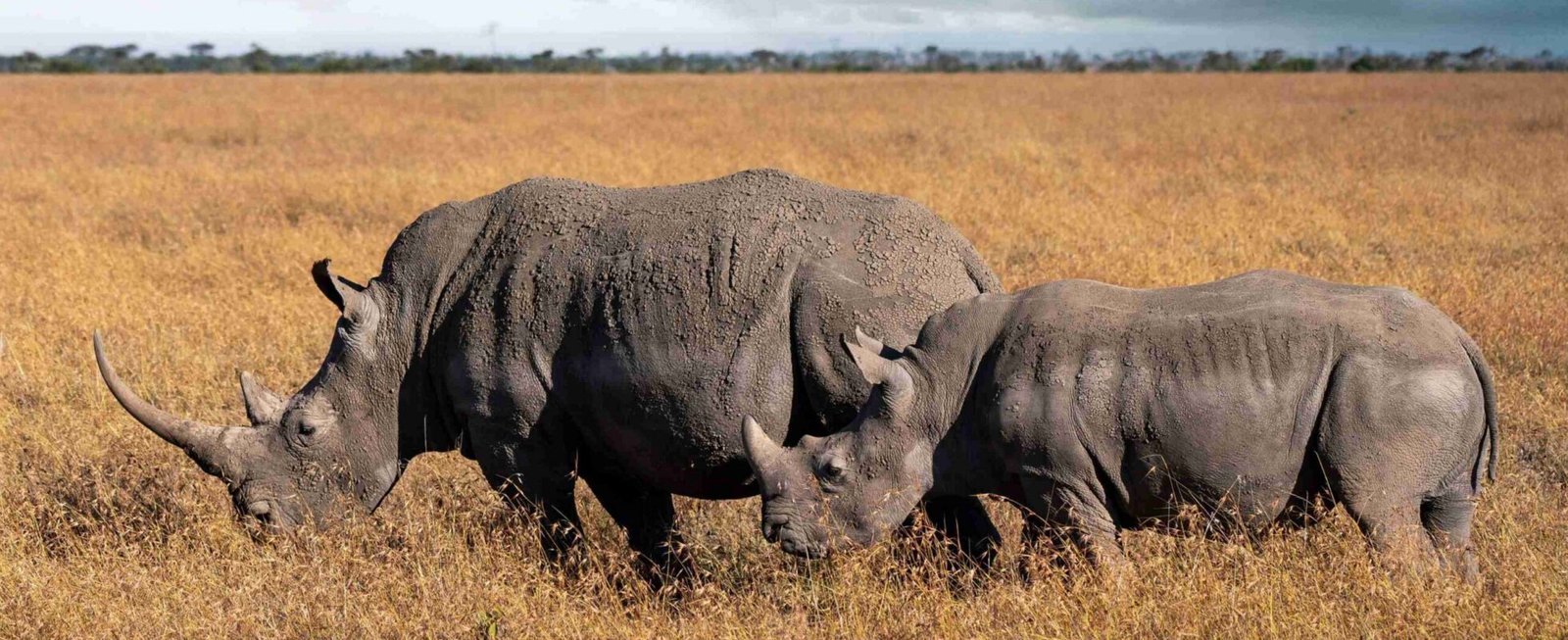
For rhino photography, Ol Pejeta Conservancy is an excellent addition to a Kenya photography safari. The conservancy is known for its rhino conservation work and provides opportunities to photograph both black and white rhinos. It also has lions, elephants, buffaloes, giraffes, zebras, and many other animals.
Lake Nakuru National Park is another strong option for photographers hoping to add rhinos to their Big Five collection. Its varied scenery also provides opportunities to photograph buffaloes, giraffes, baboons, antelopes, waterbirds, and other wildlife. The combination of woodland, grassland, rocky viewpoints, and lake scenery can produce very different images from those captured in the Maasai Mara.
One of the best photography itineraries is a 7-day Kenya safari covering Amboseli, Lake Nakuru, and the Maasai Mara. This route provides three very different environments and increases the variety of wildlife and landscapes photographers can capture.
A longer 9 to 12-day photography safari can combine Amboseli, Ol Pejeta, Lake Nakuru, and the Maasai Mara. This is a stronger choice for photographers whose main goal is photographing as many different species and landscapes as possible without rushing.
A recommended route could be Nairobi – Amboseli – Ol Pejeta – Lake Nakuru – Maasai Mara – Nairobi. Amboseli provides outstanding elephant photography, Ol Pejeta strengthens opportunities for rhino sightings, Lake Nakuru adds different landscapes and wildlife, and the Maasai Mara provides excellent predator photography.
For serious photographers, a private safari is usually preferable to a standard group safari. A private 4×4 Land Cruiser allows photographers and their guide to decide where to spend their time. If a leopard is resting in a tree or a pride of lions appears ready to hunt, there is no need to leave simply because other travelers in the vehicle want to move elsewhere.
Vehicle configuration is also important. Photographers should look for safari vehicles with large opening windows, an opening roof, charging facilities where available, and enough space for cameras and lenses. Having fewer passengers in the vehicle makes it easier to move between different shooting positions.
An experienced safari guide can make an enormous difference. Good photography guides understand animal behavior and know how to position the vehicle while respecting park regulations and wildlife. Rather than simply driving as close as possible, a knowledgeable guide considers light, background, animal movement, viewing angle, and where the animal may move next.
Patience is especially important when photographing leopards. Unlike elephants or buffaloes, leopards can be difficult to find. Spending several days in areas known for leopard activity gives photographers more opportunities, but sightings should never be presented as guaranteed.
The Great Migration can add another dimension to a Maasai Mara photography safari. During the migration season, large herds of wildebeest and zebras may enter the Mara ecosystem. Photographers can capture enormous herds, predator interactions, dust-filled landscapes, and potentially dramatic river activity. However, migration movements depend on rainfall and grazing conditions, and river crossings cannot be accurately guaranteed for a particular day.
Photographers interested in quieter wildlife experiences can also consider private conservancies around the Maasai Mara. Depending on the conservancy and accommodation, activities may include off-road wildlife viewing, night drives, guided walks, and fewer vehicles around sightings. Rules and permitted activities vary between locations.
Accommodation should also be selected carefully. For photography safaris, the most expensive lodge is not necessarily the best choice. Location can be more important than luxury. Staying close to productive wildlife areas can reduce the amount of time spent driving before reaching good sightings, particularly during the valuable early-morning light.
A fly-in photography safari can be useful for travelers with limited time. Flights between Nairobi and major safari areas reduce long road transfers and allow more days to be dedicated to wildlife photography. However, photographers carrying large amounts of camera equipment should check baggage allowances carefully because smaller safari aircraft may have stricter luggage restrictions.
Photographers should carry equipment suitable for both wildlife and landscapes. A longer telephoto lens is useful for animals and birds, while a wider lens can capture elephants beneath Kilimanjaro, dramatic Mara landscapes, safari camps, sunsets, and environmental portraits of wildlife. Extra batteries, memory cards, dust protection, and reliable backup storage are also useful on longer photography safaris.
For travelers whose main objective is photographing the Big Five, a 9 to 12-day private Kenya photography safari combining Amboseli, Ol Pejeta, Lake Nakuru, and the Maasai Mara is one of the strongest choices. It provides excellent opportunities for elephants, rhinos, lions, buffaloes, and the more elusive leopard while also offering very different landscapes.
Most importantly, a photography safari should prioritize time rather than the number of destinations visited. Wildlife rarely performs according to an itinerary. Spending longer at fewer destinations, traveling with a knowledgeable guide, and having a private safari vehicle gives photographers the freedom to wait for the moments that can turn an ordinary wildlife photograph into an unforgettable image.
-
Affordable Kenya safari tours for travelers from the United States are easiest to find when international airfare and the Kenya safari are booked separately. Most Kenya-based safari packages begin in Nairobi rather than in the United States, so American travelers normally book a round-trip flight to Nairobi and then join a private or group safari after arrival.
For travelers trying to keep costs reasonable, a 5 to 8-day Kenya safari is usually a good choice. Current 2026 market examples put budget safaris at roughly $150–$250 per person per day, while mid-range safaris commonly cost around $300–$500 per person per day. Prices vary considerably according to season, accommodation, park fees, group size and whether transportation is by road or air.
One of the best-value itineraries for American visitors is a 6-day safari covering Amboseli National Park, Lake Nakuru National Park and the Maasai Mara National Reserve. This route gives travelers three very different wildlife experiences without requiring an expensive luxury or fly-in safari.
Amboseli is an excellent first stop because of its large elephant populations and views toward Mount Kilimanjaro. Travelers can photograph elephants, giraffes, zebras, buffaloes, wildebeest and many other animals while enjoying one of Kenya’s most recognizable safari landscapes.
Lake Nakuru National Park works particularly well as the middle destination. It breaks up the journey toward the Maasai Mara while providing another wildlife experience. The park is especially valuable for travelers hoping to see rhinos during their Kenya safari.
The Maasai Mara is normally the highlight of the journey. Spending at least two nights here gives visitors time for morning and afternoon game drives while searching for lions, elephants, buffaloes, cheetahs, giraffes, zebras, wildebeest and other wildlife. Leopards are also present, although sightings of any wild animal can never be guaranteed.
Another affordable option is a 5-day Nairobi, Lake Nakuru and Maasai Mara safari. This works well for American travelers who have limited vacation time and want to concentrate on Kenya’s major wildlife attractions without visiting too many destinations.
Travelers with seven or eight days can consider Nairobi – Amboseli – Lake Naivasha – Lake Nakuru – Maasai Mara – Nairobi. Lake Naivasha introduces a different experience, including opportunities for a boat excursion, before continuing with traditional game drives.
One of the biggest ways to reduce the price is to choose road transportation rather than flying between national parks. Domestic safari flights are convenient, but they increase the overall cost. A road safari in a 4×4 Land Cruiser can provide excellent value while also allowing travelers to see more of the Kenyan countryside.
Joining a small-group departure can reduce costs further. Vehicle and transportation expenses are divided among several travelers, making group safaris particularly attractive for solo travelers and couples. Some current Kenya operators advertise budget multi-day safaris beginning well below luxury-safari prices, although travelers should compare inclusions carefully rather than choosing a package based only on the advertised starting price.
Private safaris can still be affordable, particularly for families or groups of four to six people traveling together. Because several major safari costs are vehicle-based, sharing one private safari vehicle among a family or group can provide better value per person than it would for a solo traveler.
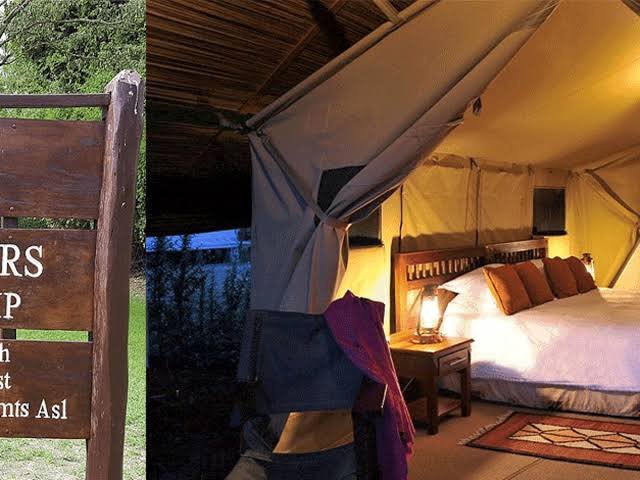
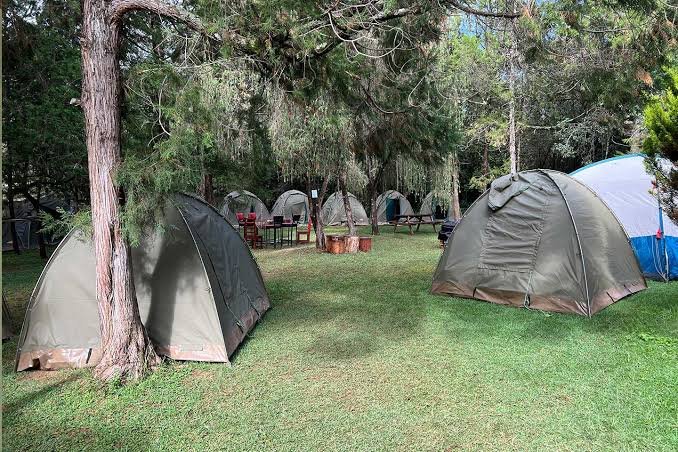
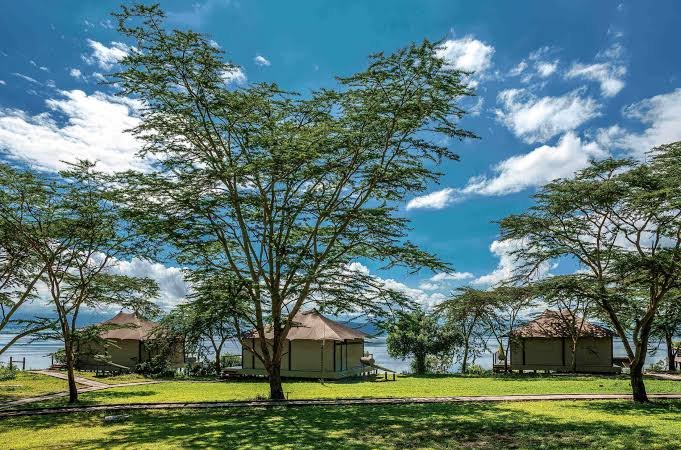
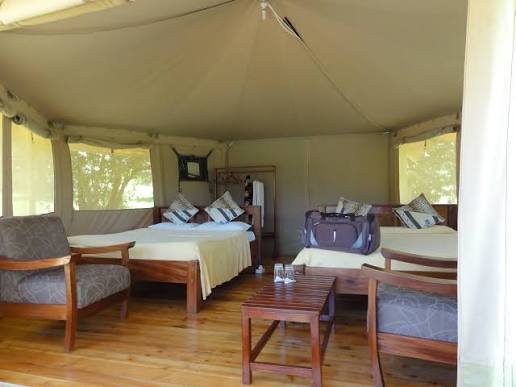
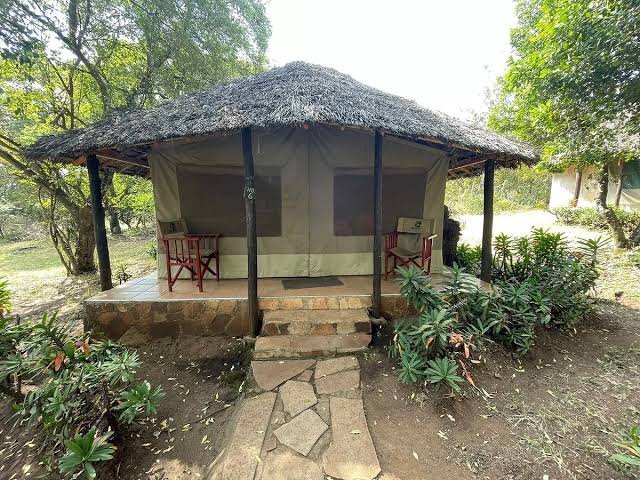
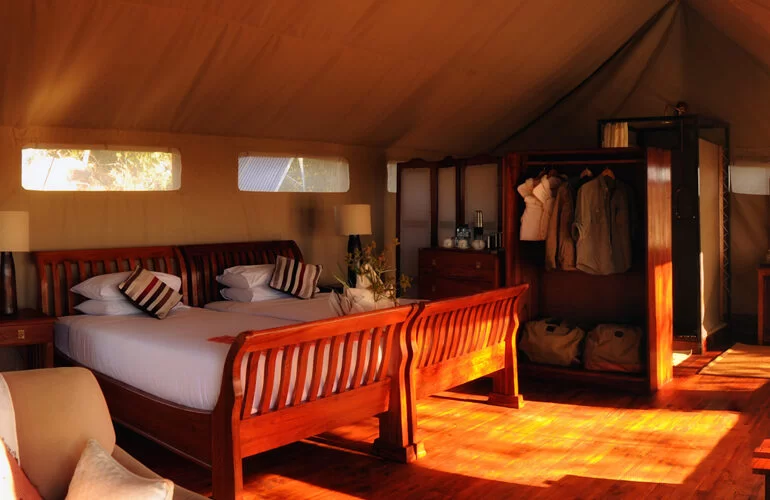
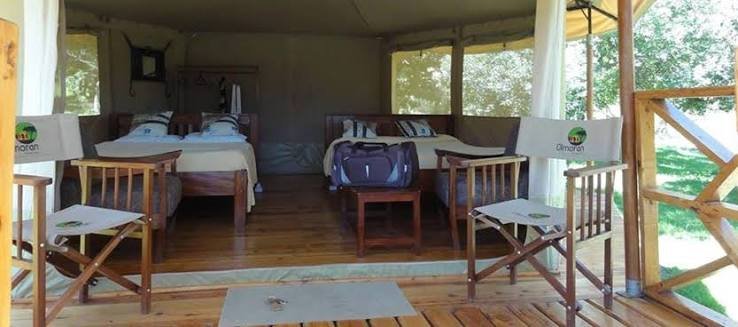
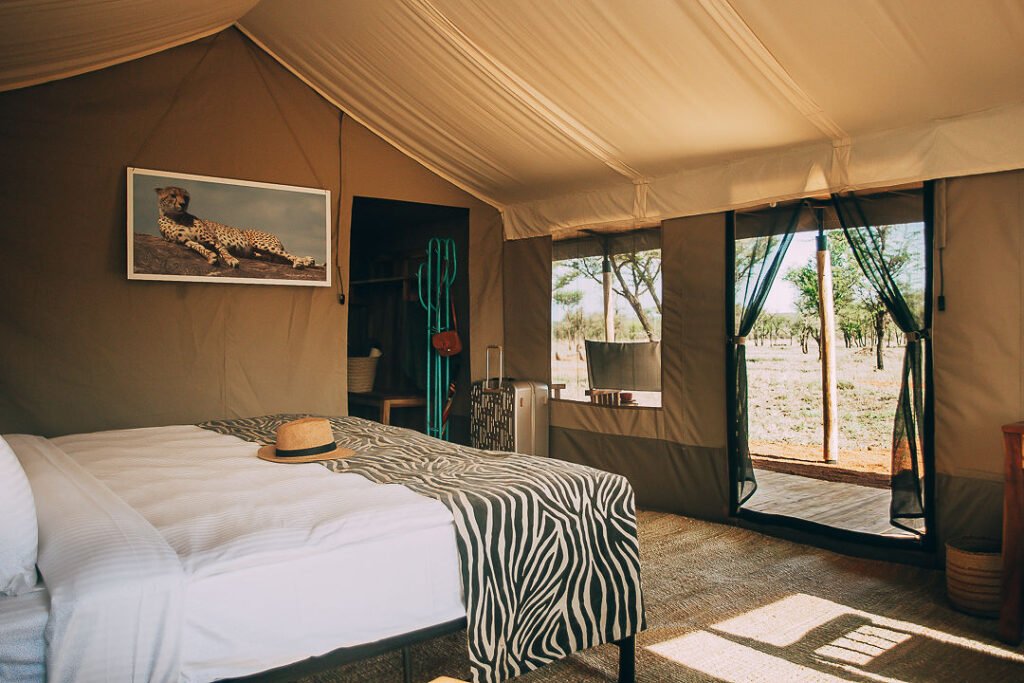
Accommodation makes another major difference. Travelers do not need five-star lodges to enjoy excellent wildlife viewing. Budget and comfortable mid-range tented camps can provide private rooms or tents, proper beds, bathrooms, hot showers and meals while keeping the overall safari price considerably lower than luxury properties.
Travel season also matters. Peak periods, particularly around the Great Migration and major holiday dates, can bring higher accommodation rates and stronger demand. Traveling outside the busiest periods can produce significant savings, although weather and wildlife conditions should also be considered when choosing dates.
American travelers should pay close attention to what is included in an advertised safari price. A lower headline price is not always the least expensive option once additional charges are added.
A good safari package should clearly state whether accommodation, meals, transportation, game drives, park entrance fees, airport transfers and guide services are included. International airfare, travel insurance, gratuities, personal expenses and optional activities are commonly separate. Current safari pricing guides also frequently exclude international flights from their quoted land-package rates.
Travelers should be particularly careful when comparing a “Kenya safari from the USA” with a “Kenya safari from Nairobi.” The first may include international flights, while the second normally refers only to the arrangements after arriving in Kenya. Comparing the total trip cost rather than the safari price alone provides a much clearer picture.
For couples seeking affordability without giving up too much comfort, a 6 or 7-day mid-range private safari can provide a good balance. Families and groups can often obtain even better value by sharing a private vehicle. Solo travelers looking for the lowest possible price should consider scheduled group departures.
A typical affordable itinerary could include arrival in Nairobi, two nights in Amboseli, one night near Lake Nakuru and two or three nights in the Maasai Mara before returning to Nairobi. This keeps the itinerary focused on major wildlife areas instead of increasing costs by visiting too many distant parks.
Travelers with a slightly larger budget can add Ol Pejeta Conservancy. This is particularly worthwhile for visitors interested in rhino conservation. An itinerary combining Ol Pejeta, Lake Nakuru and the Maasai Mara offers a strong alternative to the traditional Amboseli route.
It is also worth spending enough time in each destination. Trying to visit five or six parks in a short safari may appear to offer better value, but it can result in long days on the road and less time actually watching wildlife. Recent safari travelers similarly caution against overly ambitious itineraries with excessive driving.
For travelers departing from the United States, one of the best approaches is therefore to book an affordable economy flight to Nairobi and arrange the safari with a reputable Kenya-based operator. Request quotations for the same itinerary from several operators and make sure each quotation uses similar accommodation standards and includes the same park fees and transportation before comparing prices.
Overall, an affordable Kenya safari from the United States does not have to mean sacrificing the main safari experience. By choosing comfortable mid-range accommodation, traveling by road, limiting the number of destinations and spending more time in wildlife-rich parks such as Amboseli, Lake Nakuru and the Maasai Mara, travelers can experience elephants, rhinos, big cats and Kenya’s famous landscapes while keeping the overall holiday within a more manageable budget.
6 Days Ol Pejeta Conservancy, Lake Nakuru, Masai Mara Kenya Safari Trip
Low Season April- May 2027
2 persons
1,846.00 USD *
4 persons
1,471.00 USD *
6 persons
1,346.00 USD *
Mid Season 02 Jan-Jan 25,March,June,01 Nov-21 Dec 2027
2 persons
1,883.00 USD *
4 persons
1,451.00 USD *
6 persons
1,273.00 USD *
Peak Season 01 July-31 Oct
2 persons
2,072.00 USD *
4 persons
1,684.00 USD *
6 persons
1,514.00 USD *
Price per person include guide, safari vehicle, accommodation, and park entrance. International fees are excluded
Here’s how your price comes together.Included
-
5 nights accommodation
-
Transport in a 4*4 Safari vehicle
-
English-speaking safari driver-guide
-
Nairobi pick-up and drop-off
-
Game Drives
-
Park and Conservancy access
-
All Meals ( Full-Board)
Excluded
-
Anything not mentioned in the inclusions