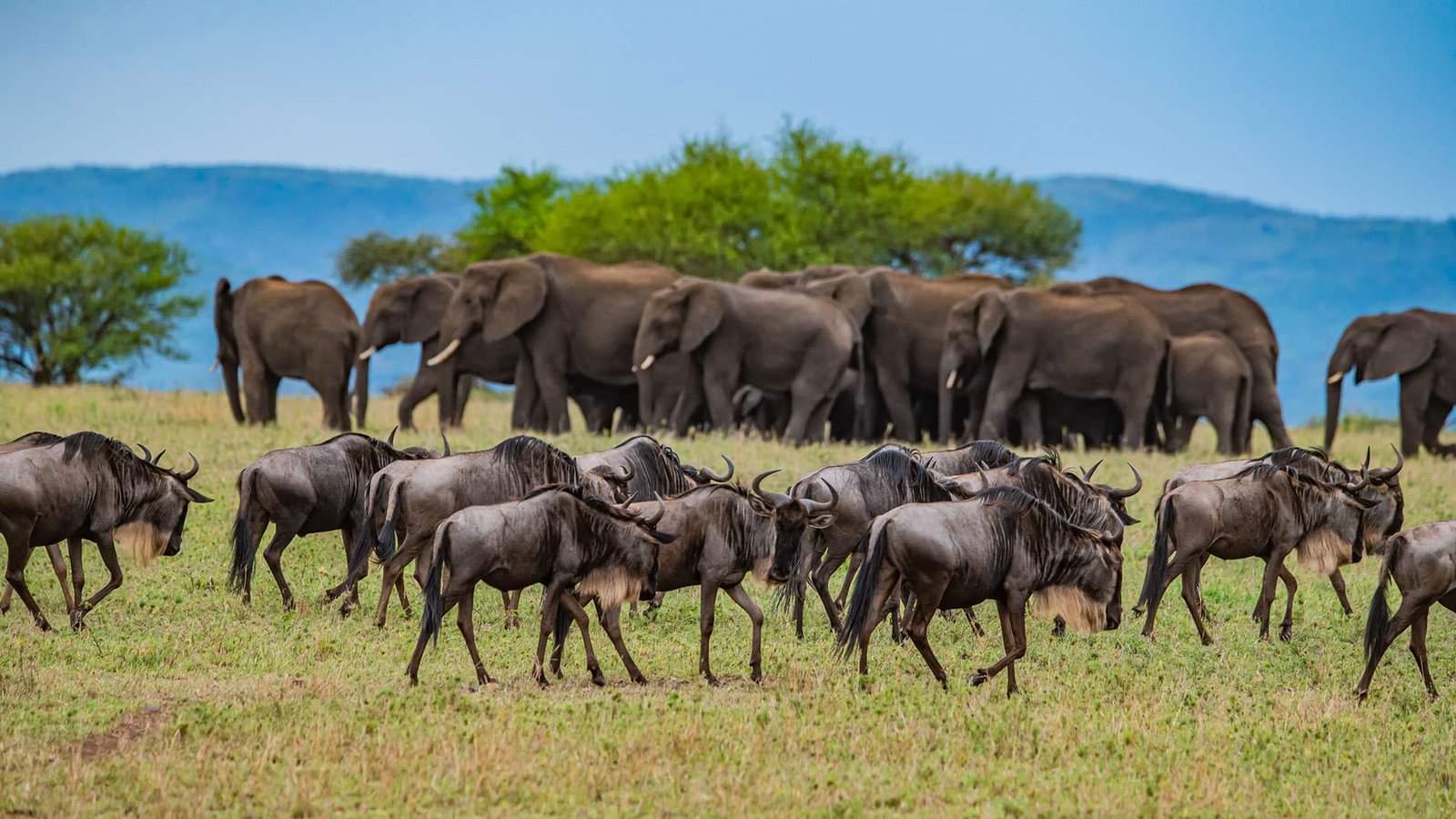
Planning what to wear on a Kenya Safari Tour may seem simple, but choosing the right clothes can make a big difference to your comfort. A typical safari day can begin before sunrise when the air is cold, become warm or hot by midday, and cool down again after sunset. You may also face dust, strong sunshine, insects, light rain, and long hours inside a safari vehicle.
Kenya Wildlife Service recommends adaptable, layerable clothing for visitors because conditions vary between parks, seasons, elevations, and times of day. It specifically recommends loose-fitting trousers, shirts or T-shirts, hats, sunglasses, lace-up shoes, and natural or earth-toned colours.
The best safari wardrobe is therefore not about looking like an explorer. It is about staying comfortable, protected, and ready for changing conditions.
Why Your Safari Clothing Matters
Kenya has very different safari environments. A morning in the Masai Mara can feel cool, while a midday game drive may become warm and sunny. Samburu and Tsavo can feel much hotter during the day, while destinations at higher elevations may have noticeably cooler mornings and evenings.
This means one heavy outfit is usually less useful than several light layers.
Your clothing should help you deal with four main things: temperature changes, sunshine, dust, and insects. It should also allow you to sit comfortably during long game drives and move easily when getting into and out of a safari vehicle.
For most travellers, simple clothes already found at home will work perfectly well.
1. Choose Neutral and Earth-Toned Colours
The classic safari colours are popular for practical reasons.
Good colours include:
Khaki, beige, olive green, tan, brown, stone, grey, cream, and other muted natural shades.
Kenya Wildlife Service recommends natural, earth-toned or khaki clothing for safari visitors.
These colours are particularly useful when you are doing walking safaris, nature walks, birdwatching, photography, or activities where you spend time outside the vehicle.
You do not need every item in your suitcase to be khaki. A normal neutral T-shirt or pair of comfortable trousers can work just as well.
Very bright colours can be less suitable for activities where keeping a low visual profile is helpful. White clothing is also often impractical because safari roads can be dusty, especially during the dry season.
2. Dress in Layers
Layering is probably the most important rule when deciding what to wear on a Kenya Safari Tour.
You may leave your lodge at 6:00 a.m. wearing a fleece or light jacket. A few hours later, the sun may be strong enough for you to feel comfortable in a light shirt.
Instead of wearing one very warm garment, consider combining a T-shirt or breathable shirt with a light sweater or fleece and a lightweight jacket.
You can then remove layers as temperatures rise.
Kenya Wildlife Service specifically recommends layerable outfits because many safari areas can experience warm or hot daytime conditions followed by much cooler nights and mornings.
This is particularly important for early morning and evening game drives.
3. Wear Lightweight, Breathable Shirts
Lightweight shirts are among the most useful items you can pack.
Cotton and other breathable fabrics can be comfortable, although quick-drying travel fabrics are especially useful when you are moving between several safari camps.
A mixture of short-sleeved and long-sleeved shirts works well.
Long sleeves have several advantages. They help protect your arms from direct sunlight, dust, vegetation, and insects.
The CDC recommends covering exposed skin with long-sleeved shirts, long trousers, and hats as one way of reducing insect bites in Kenya.
A lightweight long-sleeved shirt is therefore one of the most versatile pieces of clothing you can bring.
4. Pack Comfortable Safari Trousers
Safari trousers should be comfortable rather than fashionable.
Remember that you may spend several hours sitting inside a Land Cruiser while travelling across uneven roads.
Choose lightweight trousers that allow easy movement.
Cargo trousers, hiking trousers, chinos, travel trousers, and lightweight outdoor pants can all work well.
Long trousers provide additional protection against sunshine, insects, dust, and vegetation. They are particularly useful for walking safaris and bush walks.
Avoid trousers that are extremely tight or made from very heavy materials if you are travelling during warmer months.
Two or three good pairs of trousers can often be enough for a week-long safari because many lodges and camps offer laundry services.
5. Can You Wear Shorts on Safari in Kenya?
Yes.
Shorts are perfectly practical during hot afternoons, around your lodge, or during relaxed game drives.
However, they are not always the best choice for every safari activity.
Long trousers provide better protection during bush walks and in areas where mosquitoes or other biting insects may be present. The CDC recommends covering exposed skin as part of insect-bite prevention.
A useful approach is therefore to pack both.
You might wear trousers during an early morning drive, change into shorts during a warm afternoon at the lodge, and return to trousers for the evening.
6. Bring a Fleece, Sweater or Light Jacket
One of the most common misconceptions about Kenya is that it is always hot.
It is not.
Early morning game drives can be surprisingly cool, particularly when travelling in an open-sided or pop-up-roof safari vehicle.
Bring at least one fleece, sweater, sweatshirt, or similar warm layer.
A lightweight windproof jacket is also useful because moving safari vehicles can make cool mornings feel even colder.
You probably will not need a large winter coat on a normal savannah safari. A combination of light layers is generally more practical.
7. Carry a Lightweight Waterproof Jacket
Rain is always possible, particularly during Kenya’s wetter periods.
A lightweight waterproof or water-resistant jacket takes up little room and can be extremely useful.
Choose something that can fold into your day bag.
Heavy waterproof clothing is usually unnecessary for ordinary vehicle-based safaris. If your itinerary includes hiking, trekking, or extended walking activities, stronger rain protection may be worthwhile.
8. Wear Comfortable Closed Shoes
You do not necessarily need expensive safari boots.
For most classic game drives, comfortable trainers, walking shoes, or lightweight hiking shoes are sufficient.
Kenya Wildlife Service recommends lace-up shoes among the clothing items visitors should consider bringing.
Good footwear becomes more important when your itinerary includes walking safaris, hiking, conservancy walks, or visits where you will spend significant time outside the vehicle.
Your shoes should already be comfortable before you arrive in Kenya.
A safari is not a good place to break in brand-new hiking boots.
9. Bring Sandals or Flip-Flops for the Lodge
Closed shoes are useful in the bush, but you probably will not want to wear them throughout your entire holiday.
Bring lightweight sandals or flip-flops for relaxing around your lodge, swimming pool, tent, or room.
They are particularly useful after a long game drive.
However, use suitable closed footwear when walking outdoors at night where your lodge or guide recommends it.
10. Do Not Forget a Safari Hat
A good hat is one of the simplest ways to make a safari more comfortable.
Choose a lightweight hat that protects your face from direct sunlight. A wide-brimmed hat can provide additional coverage for your ears and neck.
Kenya Wildlife Service includes hats among its recommended safari clothing items.
A hat with a secure fit or chin strap can also be useful in open vehicles because loose hats can easily blow away.
11. Sunglasses Are Essential
The combination of strong sunlight, open landscapes, and dusty roads can make sunglasses extremely useful.
Choose comfortable sunglasses with good UV protection.
Kenya Wildlife Service includes sunglasses among recommended safari items, including in its visitor information for Nairobi National Park.
Keep them somewhere easily accessible rather than packed deep inside your suitcase.
12. Consider a Scarf or Buff
A lightweight scarf or neck buff takes up almost no luggage space but can be surprisingly useful.
It can protect your neck from sunshine, provide extra warmth on a cold morning, and help with dust on dry safari roads.
It can also become useful during transfers between parks when you spend several hours on the road.
Choose something lightweight and breathable.
What to Wear on Early Morning Game Drives
Early morning game drives are often among the best parts of a Kenya safari.
You may leave your lodge while it is still dark and return several hours later when the day is much warmer.
Wear long trousers, a T-shirt or long-sleeved shirt, a fleece or sweater, and a lightweight jacket if necessary.
Keep your hat and sunglasses nearby for when the sun rises.
The important idea is layering. You should be able to remove your jacket or fleece without needing to return to your lodge.
What to Wear During Afternoon Game Drives
Afternoons are normally warmer.
Lightweight trousers or shorts combined with a breathable shirt can be comfortable.
Bring your hat and sunglasses and keep a long-sleeved shirt nearby if you want additional sun protection.
Sunscreen should also form part of your daytime preparation. Kenya Wildlife Service lists sunscreen among useful items for visitors to Nairobi National Park.
Even if the afternoon starts hot, bring a light layer on an evening drive because temperatures may fall after sunset.
What to Wear During a Walking Safari
A walking safari requires slightly different clothing from a vehicle-based game drive.
Wear comfortable closed shoes, long trousers, and a lightweight long-sleeved shirt. Neutral colours are particularly useful.
A hat and sunglasses are also recommended.
Follow your guide’s instructions about footwear and clothing because terrain varies significantly between conservancies and parks. Kenya’s national tourism safety guidance advises safari visitors to follow the instructions of guides and park rangers.
Do not treat a guided bush walk like an ordinary stroll around a hotel. You are entering a natural wildlife environment.
What Women Can Wear on a Kenya Safari
Women do not need special safari clothing.
Comfortable trousers, shorts, leggings, breathable shirts, long-sleeved tops, fleeces, dresses for the lodge, and comfortable shoes are all possible depending on the activity.
A supportive sports bra can be particularly useful because some safari roads are rough and bumpy.
For evenings at the lodge, casual clothing is generally suitable. A simple dress, trousers, blouse, or comfortable top will normally be enough unless your accommodation has advised otherwise.
A lightweight scarf can also be useful when travelling beyond safari lodges or visiting local communities.
What Men Can Wear on a Kenya Safari
Men can keep their safari wardrobe simple.
Lightweight trousers or chinos, comfortable shorts, breathable T-shirts, collared shirts, long-sleeved shirts, a fleece, and a light jacket will cover most situations.
There is usually no reason to bring formal clothing unless your wider Kenya itinerary includes an event or accommodation with a particular dress requirement.
For most safari lodges, smart-casual clothing is more than sufficient for dinner.
What Children Should Wear on Safari
Children should be dressed according to the same basic principles as adults: comfort, layering, sun protection, and practicality.
Pack lightweight trousers, shorts, T-shirts, long-sleeved shirts, comfortable closed shoes, a sweater or fleece, a lightweight jacket, sunglasses, and a secure sun hat.
Having spare clothing available is useful because children may get dusty or dirty during the day.
Avoid dressing children in complicated outfits. Safari days can involve long drives, frequent vehicle stops, meals outdoors, and changing temperatures.
Simple clothes make the experience easier.
What to Wear During the Dry Season
Kenya’s dry periods are popular for safari travel because wildlife viewing can be excellent.
Expect dust on many unpaved safari roads.
Choose clothes that can handle repeated use and occasional dust. Beige, khaki, brown, olive, and similar colours are practical.
You should still pack a warm layer because dry-season mornings can be cool in some destinations.
A hat, sunglasses, lightweight long sleeves, and comfortable trousers are especially useful.
What to Wear During the Rainy Season
A safari during wetter periods can still provide excellent wildlife experiences, but your clothing needs to be more adaptable.
Bring a lightweight waterproof jacket and consider quick-drying trousers and shirts.
Closed shoes with reasonable grip can be helpful if you are doing activities outside the vehicle.
Avoid relying entirely on heavy cotton clothing because it can take longer to dry after becoming wet.
Pack a spare pair of socks in your day bag when walking activities are included.
What to Wear in the Masai Mara
The Masai Mara can have cool mornings followed by warmer afternoons.
Layers work particularly well here.
For an early morning game drive, wear long trousers, a shirt, fleece, and possibly a light jacket. As temperatures rise, remove the warmer layers.
A hat and sunglasses become useful once the sun is higher.
For evening game drives, keep your fleece with you even if the afternoon feels warm.
What to Wear in Amboseli
Amboseli is known for its open landscapes and famous views toward Mount Kilimanjaro.
Lightweight clothing works well during warmer daytime periods, while a fleece or light jacket is useful for early departures.
Amboseli can also become dusty during dry conditions, so expensive white clothing and delicate footwear may not be the most practical choices.
Comfortable trousers, breathable shirts, sunglasses, a hat, and closed shoes make a reliable combination.
What to Wear in Samburu
Northern Kenya can become hot, making lightweight and breathable clothing particularly important.
Loose-fitting shirts and trousers can help you stay comfortable while still providing coverage from sunshine.
A wide-brimmed hat, sunglasses, and breathable footwear are useful.
Even in warmer destinations, carrying a lightweight long-sleeved shirt is worthwhile for additional sun and insect protection.
What to Wear in Tsavo
Tsavo East and Tsavo West can also experience warm conditions.
Choose light, breathable safari clothing that handles dust well.
Khaki, olive, tan, and brown shades are particularly practical.
Lightweight trousers, shorts, T-shirts, long-sleeved shirts, a sun hat, sunglasses, and comfortable walking shoes will cover most activities.
A light sweater may still be useful for early mornings.
What to Wear at Safari Lodges in the Evening
Safari lodges are generally relaxed.
After returning from your afternoon game drive, you can shower and change into clean casual clothing for dinner.
Men might wear trousers or smart shorts with a polo shirt or casual shirt.
Women might choose a casual dress, skirt, trousers, or comfortable blouse.
You do not need formal evening wear for most safari camps.
Temperatures may fall after sunset, so keeping a sweater, wrap, or light jacket nearby is sensible.
Clothing for a Kenya Safari and Beach Holiday
Many visitors combine wildlife destinations such as Masai Mara, Amboseli, or Tsavo with Diani Beach, Watamu, Malindi, or the Kenyan coast.
In this situation, pack two small wardrobes rather than one large one.
Your safari clothes should concentrate on neutral colours, long trousers, breathable shirts, closed shoes, and layers.
For the coast, bring lightweight summer clothing, sandals, swimwear, sun protection, and relaxed evening clothing.
A versatile wardrobe allows you to enjoy both parts of the holiday without carrying unnecessary luggage.
Do You Need Expensive Safari Clothes?
No.
One of the biggest mistakes first-time travellers make is thinking they need to purchase an entirely new safari wardrobe.
You do not need designer safari shirts or specialist expedition trousers for a normal game-drive holiday.
If you already own comfortable neutral trousers, T-shirts, long-sleeved shirts, walking shoes, a sweater, and a light jacket, you already have much of what you need.
Spend money where functionality matters rather than buying clothing simply because it has “safari” written on the label.
Comfortable shoes, a good hat, sunglasses, sun protection, and useful layers are more important.
What Not to Wear on a Kenya Safari
Avoid clothing that makes you uncomfortable, overheats easily, restricts movement, or is difficult to clean.
Very delicate white outfits can quickly show dust. Extremely heavy jeans may become uncomfortable on hot days, although a comfortable pair can still be useful for evenings or cooler conditions.
Large amounts of expensive jewellery are unnecessary. Kenya Wildlife Service advises visitors to avoid displaying flashy jewellery and valuables, particularly when spending time in urban areas.
Also avoid packing simply for photographs. A safari may involve six or more hours in a vehicle. Comfort should come before appearance.
Protect Yourself Against Insects
Clothing is part of your protection against insect bites.
Long trousers, long-sleeved shirts, socks, and closed shoes can reduce exposed skin.
The CDC advises travellers in Kenya to cover exposed skin and use appropriate insect repellent. It also notes that permethrin-treated clothing and gear can provide additional protection, while permethrin should not be applied directly to skin.
Insect repellent should therefore be easily accessible during your safari rather than packed away in your main luggage.
Sun Protection Is Just as Important
Kenya’s sunshine can be strong, particularly when you spend hours outdoors or inside a safari vehicle with an open roof.
Your clothing can provide useful protection.
Long sleeves, hats, sunglasses, and lightweight trousers reduce direct exposure. Sunscreen remains important for exposed areas.
Kenya Wildlife Service includes hats and sunglasses in its recommended safari clothing and also identifies sunscreen as a useful visitor item.
Do not underestimate sun exposure simply because you spend much of the day inside a vehicle.
Keep Your Safari Wardrobe Simple
Safari travellers frequently move between lodges, camps, vehicles, and sometimes small aircraft.
Packing too much can quickly become inconvenient.
Choose clothes that can be mixed and matched.
For example, three shirts that work with two pairs of trousers provide several different combinations without taking up much space.
Many safari lodges provide laundry services, although availability, turnaround time, and restrictions can vary. Check with your tour operator or lodge before depending on laundry services.
Sample Clothing List for a 7-Day Kenya Safari
For an average seven-day safari, a practical wardrobe might include:
3–4 lightweight T-shirts or safari shirts
2 lightweight long-sleeved shirts
2–3 pairs of lightweight trousers
1–2 pairs of shorts
1 fleece or warm sweater
1 lightweight windproof or waterproof jacket
1 comfortable pair of walking or training shoes
1 pair of sandals or flip-flops
1 sun hat
1 pair of sunglasses
1 lightweight scarf or buff
Enough underwear and socks for your itinerary
Sleepwear
Swimwear if your lodge has a pool
One comfortable evening outfit
The exact amount depends on whether laundry services are available and whether your safari involves domestic flights.
A Simple Safari Outfit That Works
If you are still wondering what to wear, keep it straightforward.
For a typical morning game drive, wear lightweight long trousers, a breathable T-shirt or long-sleeved shirt, comfortable closed shoes, and a fleece or light jacket.
Carry a hat and sunglasses.
As the day warms, remove the fleece or jacket.
That basic combination works for a large part of a traditional Kenyan wildlife safari.
Frequently Asked Questions About What to Wear on a Kenya Safari Tour
Kenya Safari Clothing FAQs
Choosing the right clothing for a Kenya safari is mainly about comfort, practicality, protection from the sun and insects, and respecting the environment and local communities. You do not need a completely new wardrobe for a safari. Comfortable everyday clothing can work well when you choose suitable fabrics, colours and footwear for long game drives and changing temperatures.
Can you wear jeans on an African safari?
Yes, you can wear jeans on an African safari, but they are not always the most comfortable option. Jeans are durable and familiar, making them suitable for travelling between destinations, visiting towns and wearing during cooler mornings or evenings. However, denim can become hot during warm afternoons and may take a long time to dry if it gets wet.
For a Kenya safari, lightweight trousers made from cotton or quick-drying travel fabric are usually more practical. They allow better airflow and are easier to wear for several hours inside a safari vehicle. If you enjoy wearing jeans, there is no need to leave them at home; simply avoid relying on them as your only pair of trousers.
Jeans can be particularly useful during travel days, cultural visits and evenings at your lodge. For early-morning game drives, lightweight trousers are generally more comfortable because temperatures can start cool and then rise quickly as the day progresses.
Can you wear sneakers on safari?
Yes, sneakers are suitable for many Kenya safari experiences. Comfortable closed-toe sneakers or trainers are often enough for game drives, lodge activities and short walks where the terrain is relatively easy.
The best footwear depends on what your itinerary involves. If your safari mainly consists of driving through places such as the Masai Mara, Amboseli or Lake Nakuru, comfortable sneakers can be perfectly adequate. If you plan to take longer nature walks, hiking excursions or activities over rough terrain, lightweight hiking shoes or sturdy walking shoes may provide better support.
Choose footwear that you have already worn and know is comfortable. A safari is not the ideal time to break in brand-new shoes because you may spend several hours walking or sitting in them each day.
Closed shoes also provide some protection from dust, sharp vegetation, insects and uneven ground. Sandals can be useful around your lodge or camp, but they are generally less practical for walking in the bush.
Can I wear shorts in Kenya?
Yes, you can wear shorts in Kenya, particularly during warm weather and in many safari environments. Shorts can be comfortable during daytime game drives when temperatures are high, especially in areas such as the Masai Mara, Tsavo and Amboseli.
However, shorts are not necessarily appropriate for every situation. Early mornings can be surprisingly cool, while some safari activities involve walking through grass or bush where long trousers offer better protection from insects and vegetation.
It is also important to consider the setting. Shorts are generally acceptable in safari camps and tourist areas, but when visiting villages, cultural sites, religious places or local communities, modest clothing is more respectful. In towns and coastal areas, clothing expectations can also vary depending on where you are visiting.
A practical Kenya safari wardrobe therefore includes both shorts and lightweight long trousers. This gives you flexibility according to the weather, activity and destination.
Can I wear red in Kenya?
Yes, you can wear red in Kenya, and there is no general rule that makes wearing red illegal or automatically unsafe on safari. However, bright red clothing is usually not the first choice for wildlife viewing because it is highly visible and can stand out against the natural environment.
For a relaxed safari experience, muted and natural-looking colours are generally preferable. Shades such as khaki, beige, brown, olive, grey and other subdued colours blend more naturally with the surroundings.
It is also important not to overstate the idea that animals will automatically attack people wearing red. Wildlife behaviour is much more complex than clothing colour. Animals respond to movement, distance, sound, scent and many other environmental factors. The most important safety rule is to follow your safari guide’s instructions and never approach or disturb wildlife.
Red clothing may still be perfectly suitable for travelling in Nairobi, relaxing at your lodge or enjoying an evening at camp. If you are packing specifically for game drives, however, neutral colours are generally the more practical choice.
What colours should you wear on a Kenya safari?
The best colours for a Kenya safari are generally neutral and muted shades such as khaki, beige, tan, brown, olive, grey and other earth tones. These colours are practical because they do not show dust as prominently as very light clothing and are less visually striking in the natural environment.
Neutral clothing can also be useful when walking around a camp or participating in guided nature activities. The goal is not to become invisible to wildlife, but rather to avoid unnecessary visual contrast with the surroundings.
During the hot part of the day, lighter colours can also be more comfortable because they tend to absorb less heat than very dark clothing. Breathable fabrics are equally important, so colour should not be the only consideration when choosing safari clothes.
You do not need to wear the same colour from head to toe. A simple combination of beige trousers, an olive or neutral shirt and a lightweight jacket can work well for most Kenya safari conditions.
Should you wear camouflage clothing on a Kenya safari?
It is better to avoid wearing military-style camouflage clothing unless you have been specifically advised otherwise for a particular activity. Ordinary safari clothing does not need to look like military equipment.
Simple khaki, olive, brown, beige and neutral-coloured clothing provides the practical advantages travellers are usually looking for without creating confusion with military or security uniforms.
For most tourists, comfortable travel clothing is a better choice than full camouflage outfits.
What should you not wear on a safari?
You should generally avoid clothing that is uncomfortable, excessively bright, difficult to move in or unsuitable for changing weather conditions. Very tight clothing, heavy fabrics and clothing that does not breathe well can become uncomfortable during long game drives.
Avoid excessive jewellery and accessories when participating in bush activities. Loose or dangling items can become inconvenient during vehicle travel and outdoor activities.
Very strong perfumes and heavily scented body products are also best avoided during wildlife activities. A safari takes place in a natural environment, and there is little benefit to wearing strong fragrances while spending time around wildlife.
Avoid inappropriate footwear for the activity. High heels, delicate fashion shoes and uncomfortable new shoes have little practical value on a safari. Even if you spend most of your time in a vehicle, you may need to walk over uneven ground around your accommodation or at designated stops.
You should also avoid clothing that leaves you unprotected from the sun for long periods. A hat, sunglasses, lightweight long-sleeved shirt and sunscreen can be more useful than simply wearing very short or minimal clothing throughout the day.
What should you wear for an early-morning Kenya safari?
Early-morning game drives can be cool, even in destinations that become hot later in the day. Layering is therefore one of the best strategies.
A comfortable base layer combined with a lightweight fleece, sweater or jacket allows you to adjust your clothing as temperatures change. Long trousers and closed shoes are also practical during the cooler morning hours.
As the sun rises, you can remove the outer layer and continue wearing lightweight clothing. This is much more convenient than carrying completely separate outfits for morning and afternoon.
What should you wear during a hot afternoon game drive?
For hot afternoon game drives, choose lightweight, breathable clothing that allows air to circulate. Cotton and modern quick-drying travel fabrics can both work well depending on personal preference.
A lightweight long-sleeved shirt can provide protection from direct sunlight while keeping you comfortable. Shorts are also an option when conditions are hot and your planned activities allow them.
A wide-brimmed hat or cap and sunglasses are particularly useful because you can spend several hours exposed to sunlight while looking for wildlife.
What should women wear on a Kenya safari?
Women can wear the same practical safari clothing recommended for other travellers: comfortable trousers, shorts where appropriate, breathable shirts, lightweight jackets and comfortable closed shoes.
There is no special uniform that women must wear on safari. The main considerations are comfort, weather protection and the activities included in the itinerary.
For visits to local communities, towns and cultural or religious sites, modest clothing is recommended. Carrying a lightweight scarf or longer layer can provide an easy way to adjust your clothing when visiting places where more conservative dress is appropriate.
What should men wear on a Kenya safari?
Men can comfortably wear lightweight trousers, shorts, T-shirts, polo shirts, long-sleeved shirts and lightweight jackets. Neutral colours are practical for game drives, while more casual clothing can be worn around the lodge or during travel between destinations.
A lightweight long-sleeved shirt is particularly useful because it can provide protection from the sun and insects without being excessively warm.
Comfort should take priority over fashion. You may spend many hours seated in a safari vehicle, so clothing that allows you to sit comfortably and move easily is more useful than formal or restrictive clothing.
Is long-sleeved clothing necessary on a Kenya safari?
Long sleeves are not compulsory, but they are extremely useful. A lightweight long-sleeved shirt can protect your arms from sunlight, dust and insects while also providing an extra layer when temperatures are cool.
Long sleeves are especially practical during early mornings, evenings and walking activities. They can also help reduce the amount of skin exposed to insects.
You can still wear short-sleeved shirts and T-shirts during warmer periods. A combination of short- and long-sleeved clothing gives you more flexibility throughout your safari.
Is it better to wear light or dark colours on safari?
Light and neutral colours are generally more practical than very dark colours for daytime safari activities. Beige, khaki, tan and similar shades reflect sunlight and are less likely to feel excessively hot in strong sunshine.
Dark clothing is not forbidden, but black and other very dark fabrics can feel warmer in direct sunlight. They may also show dust more visibly depending on the fabric.
The most important consideration is comfort. A breathable, lightweight dark shirt can still be perfectly usable, especially during cooler periods or around your accommodation.
What clothing is best for walking safaris in Kenya?
Walking safaris require more attention to footwear and protection than vehicle-based game drives. Lightweight long trousers, a breathable long-sleeved shirt, comfortable closed walking shoes and a hat are generally good choices.
Sturdy footwear is particularly important because walking trails can include uneven ground, stones, grass and thorny vegetation. Your guide will determine where you can safely walk and will provide instructions about wildlife safety.
Avoid loose clothing that could catch on vegetation and avoid footwear that has poor grip or offers little support.
What should you wear in the evening at a Kenya safari lodge?
Evenings at safari lodges and camps can be cooler than expected, particularly in higher-altitude areas. Lightweight trousers, a long-sleeved shirt, fleece or sweater and comfortable shoes are useful.
Most safari lodges do not require formal clothing. Smart-casual and comfortable travel clothing is normally sufficient. If your accommodation has a restaurant with a particular dress code, check its requirements before travelling.
For tented camps, practical evening clothing can also provide extra comfort when insects are active.
Does safari clothing really need to be khaki?
No. You do not need an entirely khaki wardrobe to go on safari. Khaki is popular because it is practical, neutral and historically associated with safari travel, but beige, brown, olive, grey and other subdued colours can work equally well.
Comfortable fabric is more important than choosing a particular shade. A breathable shirt in a neutral colour is generally more useful than an uncomfortable garment simply because it is marketed as safari clothing.
There is also no need to spend a large amount of money on specialized safari outfits. Many ordinary travel clothes can work well when selected carefully.
What is the most practical Kenya safari outfit?
A practical Kenya safari outfit consists of lightweight trousers or comfortable shorts, a breathable shirt, a lightweight jacket or fleece for cool mornings, comfortable closed shoes, sunglasses and a hat.
For longer game drives, adding a lightweight long-sleeved shirt provides useful protection from the sun and insects. Layers are especially helpful because temperatures can change considerably between early morning and afternoon.
The best safari clothing is ultimately clothing that allows you to stay comfortable for several hours while protecting you from the weather and making it easy to participate in your planned activities.
Final Kenya Safari Clothing Advice
You do not need to dress like a professional explorer to enjoy a Kenya safari. Jeans can be worn, sneakers are suitable for many safari activities, and shorts are acceptable in appropriate settings. The most useful approach is to pack versatile, breathable clothing that can adapt to cool mornings, hot afternoons and different activities.
For game drives, neutral colours such as khaki, beige, olive, brown and grey are practical choices. Bright colours such as red are not prohibited, but subdued colours are generally preferable for wildlife viewing. Long sleeves, comfortable trousers, closed shoes, a hat and sunglasses can provide valuable protection from the sun, dust and insects.
Most importantly, clothing is only one part of safari safety. Your guide’s instructions, maintaining a safe distance from wildlife, staying inside the vehicle when required and following park or conservancy rules are far more important than the colour of your shirt. With practical clothing and sensible preparation, you can stay comfortable and focus on what matters most: experiencing Kenya’s remarkable wildlife and landscapes.
Create Kenya Safari Tours & Tanzania Safaris You've Always Imagined
Begin Your Safari Journey Today
Let's Turn Your Dream African Safari Into Reality

Let's Plan Your Kenya Safari Tours & Tanzania Safaris!
Let our experienced safari specialists guide your journey.
USA: +254 72210-3340 other countries