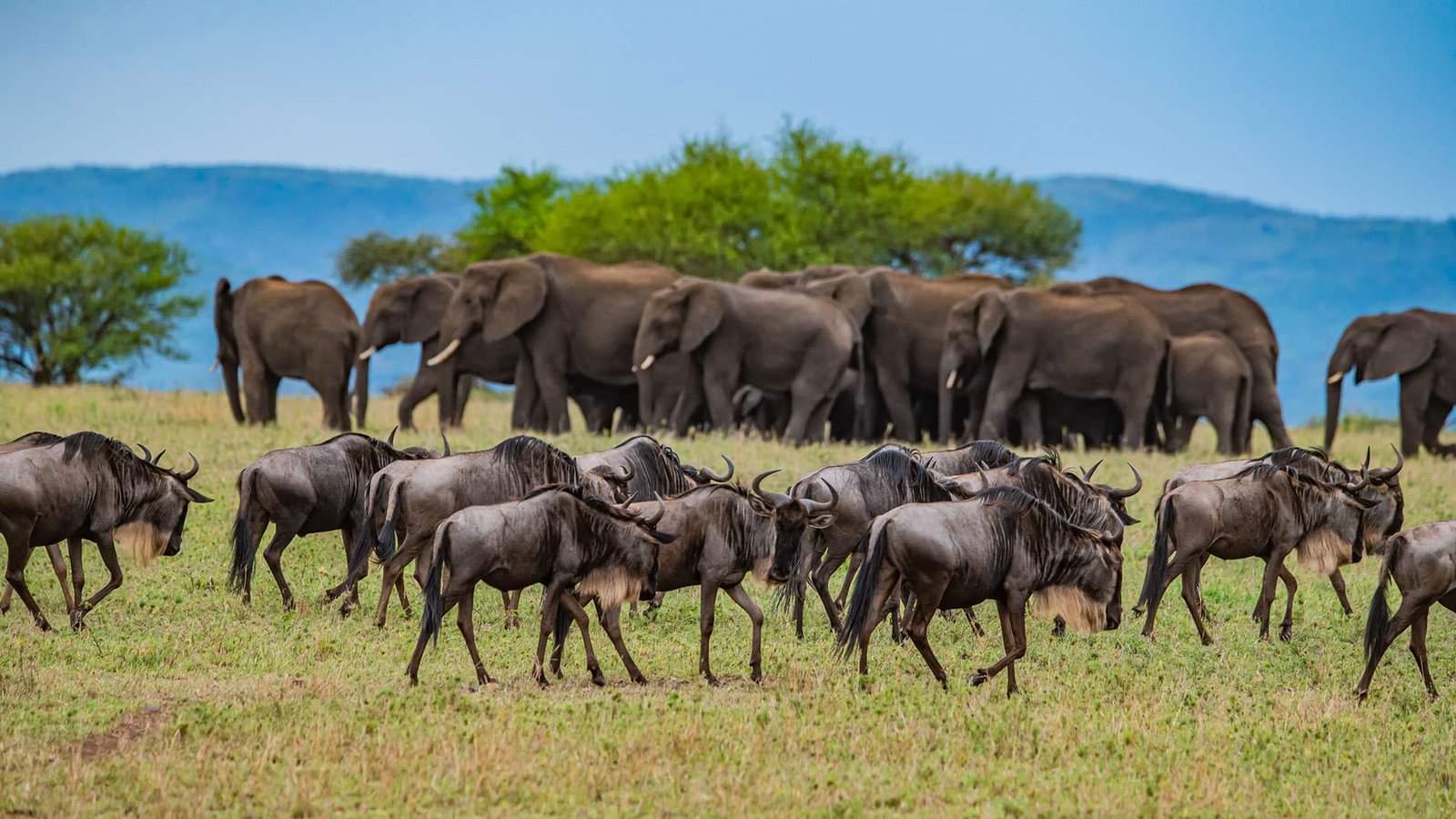
Packing for a Kenya safari requires a little more planning than packing for a city break or beach holiday. A typical safari may involve early morning game drives, long hours in a 4×4 vehicle, warm afternoons, cool evenings, dusty roads, occasional rain, nature walks, cultural visits, and stays in remote lodges or tented camps. The right things in your luggage can make the experience much more comfortable, while overpacking can make moving between destinations unnecessarily difficult.
Kenya has several different safari environments, from the open grasslands of the Maasai Mara to the dry landscapes of Samburu, the elephant-rich plains of Amboseli, the forests around Mount Kenya, and the vast wilderness of Tsavo. Weather and conditions can therefore vary considerably between destinations. Your packing should match your itinerary, the time of year, the accommodation style, and the activities you plan to undertake.
The good news is that you do not need specialist equipment for a standard Kenya safari. Most travelers can pack comfortably with lightweight clothing, comfortable shoes, sun protection, basic personal items, camera equipment, and a few useful accessories. The key is choosing versatile items that can be used throughout the trip.
Start With the Right Safari Luggage
Before deciding what goes inside your luggage, consider what type of bag you should bring. A soft-sided travel bag or duffel is often more practical than a large hard-shell suitcase, particularly if your itinerary includes small safari aircraft or frequent transfers between camps.
Some safari airlines operating domestic routes have strict baggage allowances and may require soft-sided bags because of limited luggage compartments. Weight and size restrictions can vary, so always confirm the current allowance for your specific flights before traveling.
If you are traveling entirely by road in a private safari vehicle, you may have more flexibility. Even then, avoid bringing unnecessarily large luggage because safari vehicles have limited storage space.
A small daypack is also strongly recommended. Keep the items you need during game drives in this smaller bag rather than repeatedly opening your main luggage.
Choose Lightweight and Breathable Clothing
Your safari wardrobe should focus on comfort rather than fashion. Lightweight cotton, linen blends, and moisture-wicking fabrics can work well in warm conditions. Choose clothing that allows you to sit comfortably for several hours and that can be layered when temperatures change.
Neutral colors such as beige, khaki, olive, brown, grey, and other muted shades are practical for safari. They are comfortable in dusty environments and blend naturally into the surroundings.
You do not need to wear traditional safari colors every day. Bright clothing is not generally a safety issue inside a vehicle, but many travelers prefer neutral shades because they are practical and photograph well against the landscape.
Avoid packing too many clothes. Many lodges and camps offer laundry services, although availability, turnaround times, and charges differ.
Pack Several Long-Sleeved Shirts
Long-sleeved shirts are among the most useful items on a Kenya safari. They can protect your arms from strong sunlight, cool morning air, dust, and insects.
Choose lightweight shirts that can be rolled up when temperatures rise. Some travelers prefer shirts with chest pockets for small items such as sunglasses or a phone, although valuable items should always be kept secure.
A combination of short- and long-sleeved shirts gives you more flexibility. Long sleeves are particularly useful during early morning and evening drives.
Bring Comfortable Safari Trousers
Pack lightweight trousers that allow you to move comfortably. Trousers are particularly useful during early morning drives, nature walks, and evenings when insects may be more active.
Convertible trousers can be convenient because they can be changed from trousers to shorts when temperatures rise, although they are not essential.
For a typical vehicle-based safari, you do not need heavy tactical trousers or specialized outdoor clothing. Comfortable travel trousers are usually sufficient.
Include a Few Pairs of Shorts
Shorts can be useful during warm afternoons, particularly when you are relaxing at your lodge or camp.
However, avoid relying entirely on shorts. Temperatures can change quickly, and long trousers are more versatile for early morning drives and certain cultural activities.
If your itinerary includes visits to local communities, modest clothing is generally the safer choice. Your safari operator can advise you if a specific cultural experience has particular dress expectations.
Pack a Fleece or Warm Jacket
One of the most common packing mistakes is assuming that Kenya is hot everywhere and at all times.
Early morning game drives can be surprisingly cold. This is especially true in elevated destinations such as the Maasai Mara, Laikipia, Samburu region, and areas around Mount Kenya.
A lightweight fleece, sweater, or jacket is therefore essential. You can wear it during the first few hours of the morning and remove it as the day warms.
Layering is usually more practical than carrying a heavy winter coat.
Consider a Lightweight Waterproof Jacket
Rain can occur in Kenya even outside the main rainy seasons, and weather conditions can vary from one region to another.
A lightweight waterproof or water-resistant jacket takes up little room and can be extremely useful if you experience a sudden shower during a game drive or walking activity.
You do not necessarily need heavy rain gear for a normal safari. A compact jacket that can fit inside your daypack is usually enough for most travelers.
Bring Comfortable Walking Shoes
Comfortable footwear is important even if your safari is mainly vehicle-based.
Choose closed, comfortable walking shoes or lightweight hiking shoes for nature walks, lodge grounds, village visits, and uneven terrain. They should be shoes that you have already worn rather than brand-new footwear that could cause blisters.
Heavy hiking boots are generally unnecessary for a standard Kenya safari unless your itinerary includes serious hiking or trekking.
Pack Sandals or Comfortable Open Shoes
A pair of lightweight sandals can be useful at your lodge or camp after a long game drive.
They are especially convenient for relaxing around your accommodation, moving between your room and dining area, or spending time at a swimming pool.
Do not rely on sandals as your only footwear if you plan to participate in walking activities.
Bring a Wide-Brimmed Hat
A good safari hat provides protection from strong sunlight during long game drives.
A wide brim can protect your face, ears, and neck better than a standard baseball cap. Choose something lightweight and comfortable that will remain secure when the vehicle is moving.
A hat with a chin strap can be particularly useful in open-sided vehicles where wind can be strong.
Pack Quality Sunglasses
Sunglasses are essential for protecting your eyes from sunlight, dust, and wind.
Choose sunglasses with good UV protection and a comfortable fit. Polarized lenses can also be useful for reducing glare in bright conditions.
Bring a spare pair if your sunglasses are expensive or essential to your daily comfort.
Sunscreen Is Essential
The African sun can be strong, even when the temperature does not feel extremely hot.
Pack a broad-spectrum sunscreen and apply it regularly to exposed skin. Pay particular attention to your face, ears, neck, arms, and hands.
Do not forget sunscreen on cloudy days. You can still receive substantial sun exposure when clouds are present.
A small tube or bottle in your daypack allows you to reapply during the day.
Bring Insect Repellent
Insect activity varies depending on location, season, weather, and time of day, but insect repellent is a useful item for any Kenya safari.
It can be particularly useful around dusk and in areas close to water or dense vegetation.
Choose a repellent suitable for your personal needs and follow the product instructions. Long sleeves and trousers can provide an additional layer of protection.
For malaria prevention and other travel-health questions, speak with a qualified travel-health professional before your trip.
Carry a Reusable Water Bottle
Staying hydrated is important during long game drives.
Many safari operators provide drinking water, but a reusable bottle allows you to keep water accessible throughout the day. An insulated bottle can be especially useful for keeping water cool.
Avoid unnecessary single-use plastics and follow your safari operator’s guidance regarding drinking water and waste disposal.
Bring a Small Safari Daypack
A small backpack should be one of the most accessible items in your luggage.
Use it to carry your water bottle, camera, binoculars, sunscreen, sunglasses, jacket, phone, tissues, hand sanitizer, and other essentials.
Avoid making it too large or heavy. You will often be carrying it into and out of the safari vehicle several times each day.
Binoculars Can Transform Your Safari
Binoculars are one of the most useful pieces of safari equipment.
Not every animal will be close to your vehicle. You may see a lion resting several hundred meters away, an eagle perched in a distant tree, or a herd of elephants across an open plain.
Binoculars allow you to observe animals without asking your driver to move closer. They are also excellent for birdwatching.
If possible, each traveler should have access to binoculars rather than sharing a single pair among an entire family or group.
Choose the Right Camera Equipment
Kenya is an exceptional destination for wildlife photography, but you do not need the most expensive camera to capture memorable images.
A camera with a good zoom or telephoto lens is useful because animals are often some distance from the vehicle. A versatile zoom lens can be particularly convenient for travelers who do not want to carry several lenses.
If you use a smartphone, consider bringing enough storage and a protective case. Modern smartphones can produce excellent photographs, particularly for landscapes and animals that are relatively close.
Carry Spare Batteries
Game drives can last several hours, and you may take hundreds of photographs during a single outing.
Bring spare camera batteries and charge them whenever electricity is available. Keep batteries protected from extreme heat and moisture.
A power bank can be useful for smartphones, especially when you spend a full day away from your lodge.
Bring Extra Memory Cards
Wildlife photography can consume storage very quickly. A single exciting encounter with elephants, lions, cheetahs, or a large herd can result in dozens or hundreds of photographs.
Bring enough memory-card capacity for your trip. If possible, carry backup cards rather than relying on one card for everything.
Do not keep all your photographs in one location. If you are carrying a laptop or storage device, consider backing up important photographs regularly.
Pack a Power Bank
A power bank can be extremely useful during a Kenya safari.
You may spend hours away from your lodge, and mobile phones are often used for photographs, navigation, communication, and travel information.
Electricity can also be limited at some remote camps. A charged power bank gives you an additional source of power for your essential devices.
Bring the Correct Travel Adapter
Kenya generally uses British-style Type G electrical sockets. Travelers arriving from countries using different plug types should bring a suitable travel adapter.
If you have several electronic devices, a multi-port charger can reduce the number of chargers you need to carry.
Some safari camps use solar power or have limited electricity hours, so ask your accommodation about charging arrangements before departure.
Pack Personal Medication
Bring enough prescription and essential medication for your entire trip, preferably with a small additional supply in case of delays.
Keep important medication in your hand luggage rather than putting everything in checked luggage.
Keep medicines in their original packaging where practical and carry any necessary prescriptions or supporting documentation.
Before traveling to Kenya, consult an appropriate travel-health professional about vaccinations, malaria prevention, and other health considerations based on your itinerary and personal circumstances.
Prepare a Small Personal First-Aid Kit
A small personal first-aid kit can be useful during a safari.
It can include basic items such as plasters, antiseptic wipes, blister protection, and any personal products you regularly use.
Your safari vehicle, lodge, or camp may have its own first-aid supplies, but having basic personal items available can be convenient.
Do not attempt to use medication for a serious medical condition without appropriate professional advice.
Pack Basic Toiletries
Bring your normal toiletries, including toothbrush, toothpaste, deodorant, moisturizer, shampoo, conditioner, shaving supplies, and other personal products you use regularly.
Most established lodges provide basic bathroom amenities, but products and availability vary.
If you use a specific brand or product, bring your own rather than assuming you can purchase it easily in remote safari areas.
Bring Lip Balm and Moisturizer
Sun, wind, dust, and dry air can leave your lips and skin uncomfortable after several hours outdoors.
A moisturizing lip balm and small bottle of moisturizer take up very little space and can be useful throughout your safari.
A lip balm that includes sun protection can provide an additional benefit.
Pack Hand Sanitizer and Tissues
A small bottle of hand sanitizer can be useful during long game drives, particularly before eating.
Tissues or biodegradable wipes can also be useful when traveling between remote destinations or stopping at locations with limited facilities.
Use waste bins where available and never leave wipes, tissues, or other waste in the bush.
Carry a Scarf or Buff
A lightweight scarf or neck buff is one of those optional items that can become surprisingly useful.
It can protect your neck from the sun, help reduce exposure to dust during long drives, and provide an extra layer during cool mornings.
Choose a lightweight material that is easy to wash and dry.
Pack a Small Dry Bag
A small waterproof or water-resistant bag can protect important items such as your phone, camera accessories, documents, and medication from rain or accidental spills.
It is particularly useful during rainy periods or when your safari vehicle is exposed to the elements.
A full-size dry bag is usually unnecessary for a standard lodge safari; a small one for sensitive electronics is enough.
Bring Your Travel Documents
Keep your passport, visa or entry documentation where applicable, travel insurance information, flight confirmations, hotel and safari confirmations, and important contact details secure and accessible.
Make digital copies of essential documents and store them securely on your phone or another device.
Never put your passport or critical travel documents in checked luggage.
Carry Emergency Contact Information
Keep the contact details of your safari company, accommodation providers, travel insurance company, airline, and important emergency contacts accessible.
Your safari operator should also provide contact information for your guide or operations team.
Having these details saved offline can be helpful if you have limited mobile connectivity in remote areas.
Bring Some Local Currency
You may use cards at many lodges and established tourism businesses, but cash can still be useful for tips, local markets, small purchases, and community visits.
Carry a reasonable amount of local currency and keep it secure. Avoid carrying more cash than you need.
Ask your safari operator about the best payment options along your particular route.
Pack a Small Notebook
A notebook is optional but useful for travelers who enjoy recording their experiences.
You can write down the animals you see, locations, memorable moments, bird species, guide information, or interesting facts about local communities.
It can also become a useful record of your safari after you return home.
Consider a Field Guide
A small wildlife or bird identification guide can make your game drives more interesting.
You do not need to carry a large book. A compact field guide or digital application can help you identify animals, birds, trees, and other species you encounter.
However, your safari guide will usually be your most valuable source of information because they know the local environment and wildlife.
Pack a Headlamp for Remote Camps
A small headlamp can be useful if you are staying in a remote tented camp or campsite where lighting may be limited.
It keeps both hands free and can be more convenient than using your phone’s flashlight.
Before walking anywhere at night, however, always follow the camp’s safety instructions and use an escort if one is required.
Bring a Travel Pillow for Long Drives
Some safari routes involve several hours of driving between destinations.
A small inflatable or compact travel pillow can make long journeys more comfortable, particularly if you plan to rest during transfers.
Choose something lightweight that can easily fit inside your daypack.
Consider Earplugs
Earplugs are optional but can be useful for light sleepers staying in tented camps or lodges where you may hear birds, insects, wind, or other natural sounds during the night.
They can also be useful during long road transfers.
However, do not wear noise-blocking headphones while walking around a camp or during activities where you need to remain aware of your surroundings.
What to Wear on Early Morning Game Drives
Early morning game drives are often among the coldest parts of a Kenya safari.
Wear layers consisting of a lightweight shirt, trousers, fleece or sweater, and light jacket if necessary. Closed shoes, a hat, and a scarf can provide additional comfort.
As the sun rises, remove layers and store them in your daypack rather than carrying them separately.
What to Wear During Afternoon Game Drives
Afternoon temperatures can become considerably warmer.
Lightweight shirts, comfortable trousers or shorts, sunglasses, and a hat are usually appropriate.
Apply sunscreen before leaving the vehicle and keep water within reach.
Even on warm days, carrying a light jacket is worthwhile because temperatures can fall quickly later in the afternoon.
What to Pack for a Maasai Mara Safari
The Maasai Mara can have cool mornings, warm afternoons, and occasional rain depending on the season.
Pack lightweight clothing, a fleece or jacket, comfortable walking shoes, sunscreen, insect repellent, sunglasses, a hat, binoculars, and camera equipment.
If your itinerary includes a cultural visit, carry modest clothing suitable for meeting local communities.
A rain jacket is useful if traveling during a wetter period.
What to Pack for an Amboseli Safari
Amboseli is known for its spectacular views of Mount Kilimanjaro, large elephant populations, and open landscapes.
The combination of strong sun, dust, and cool early mornings makes layered clothing particularly useful.
Bring sunglasses, sunscreen, a wide-brimmed hat, lightweight clothing, a scarf or buff, comfortable shoes, binoculars, and a light jacket.
A camera with a good zoom lens is particularly useful for photographing elephants and the surrounding landscapes.
What to Pack for Samburu
Samburu is generally warmer and drier than many parts of central and southern Kenya.
Breathable clothing, sun protection, a reusable water bottle, sunglasses, and a wide-brimmed hat are especially useful.
Do not forget a warm layer for early morning drives. Temperatures can still feel cool before sunrise.
Comfortable walking shoes are also recommended if your itinerary includes guided nature walks or cultural experiences.
What to Pack for Tsavo
Tsavo is a vast wilderness area, and safari drives can involve long periods on dusty roads.
A scarf or buff can help protect your face and neck from dust. Sunglasses can also make the drive more comfortable.
Bring breathable clothing, sunscreen, a hat, water, binoculars, and camera equipment.
Because Tsavo is extensive, a small daypack is particularly useful for keeping essentials accessible throughout longer game drives.
What to Pack for Ol Pejeta Conservancy
Ol Pejeta offers a combination of wildlife viewing and conservation experiences, and some itineraries may include walking or specialized activities.
Comfortable walking shoes are therefore particularly useful. Bring lightweight clothing, a warm layer for mornings, sun protection, insect repellent, binoculars, and a camera.
If you have booked a specific conservation activity, check with your operator beforehand to see whether any additional clothing or equipment is recommended.
What to Pack for Lake Nakuru
Lake Nakuru offers opportunities to see rhinos, buffalo, giraffes, birds, and other wildlife.
Bring binoculars if birdwatching is part of your interests. Lightweight clothing, comfortable shoes, sunscreen, sunglasses, a hat, and a light jacket are practical choices.
The area can be cooler than travelers expect, particularly during early morning drives, so layering remains useful.
What to Pack for a Kenya Safari With Children
Family safaris require a little additional planning.
Children should have comfortable clothing, warm layers, hats, sunglasses, sunscreen, comfortable shoes, personal medication, and refillable water bottles.
Bring familiar snacks where appropriate, particularly for younger children, but follow your safari operator’s guidance about food inside the vehicle.
Small binoculars can make children more interested in wildlife, while a simple wildlife identification book can turn the game drive into an educational experience.
Parents should also pack entertainment for long road transfers, but avoid loud devices that could disturb wildlife during game drives.
What to Pack for a Kenya Safari Honeymoon
Couples traveling on honeymoon may want to combine practical safari clothing with a few nicer outfits for lodge dinners.
You still do not need formal clothing. Smart-casual outfits are generally sufficient for most safari lodges.
A comfortable pair of shoes, lightweight trousers or dresses, a warm layer, sunscreen, insect repellent, and a small daypack should remain priorities.
If you plan to combine your safari with a beach stay in Diani or Mombasa, pack appropriate swimwear and beach clothing separately.
What to Pack for a Photography Safari
Photography-focused travelers should plan their equipment more carefully.
Consider bringing a camera body, telephoto lens, versatile zoom lens, spare batteries, memory cards, cleaning cloth, protective equipment, and a power bank.
A beanbag or other suitable camera support can be useful in a safari vehicle. Check with your operator before bringing large photographic supports to make sure there is enough room in the vehicle.
Most importantly, keep your equipment organized so that you can reach it quickly when an animal suddenly appears.
What Not to Pack for a Kenya Safari
Avoid packing heavy formal clothing, multiple pairs of shoes, excessive toiletries, unnecessary camping equipment, or clothing that you are unlikely to wear.
If your safari includes luxury lodges, you still do not need a formal wardrobe. Most properties are relaxed and practical.
You should also avoid bringing unnecessary single-use plastics and any items that could create waste in protected areas.
Do not bring food into wildlife areas without checking the rules of your operator and the destination.
How to Organize Your Safari Luggage
A useful system is to divide your belongings into three categories: main luggage, daypack, and essential documents.
Your main luggage should contain clothing, toiletries, spare shoes, and items you do not need during game drives.
Your daypack should contain water, sunscreen, sunglasses, binoculars, camera equipment, your jacket, medication, phone, tissues, and other items you may need during the day.
Your passport, travel documents, money, medication, and other critical items should remain with you rather than in checked luggage.
A Practical Kenya Safari Packing List
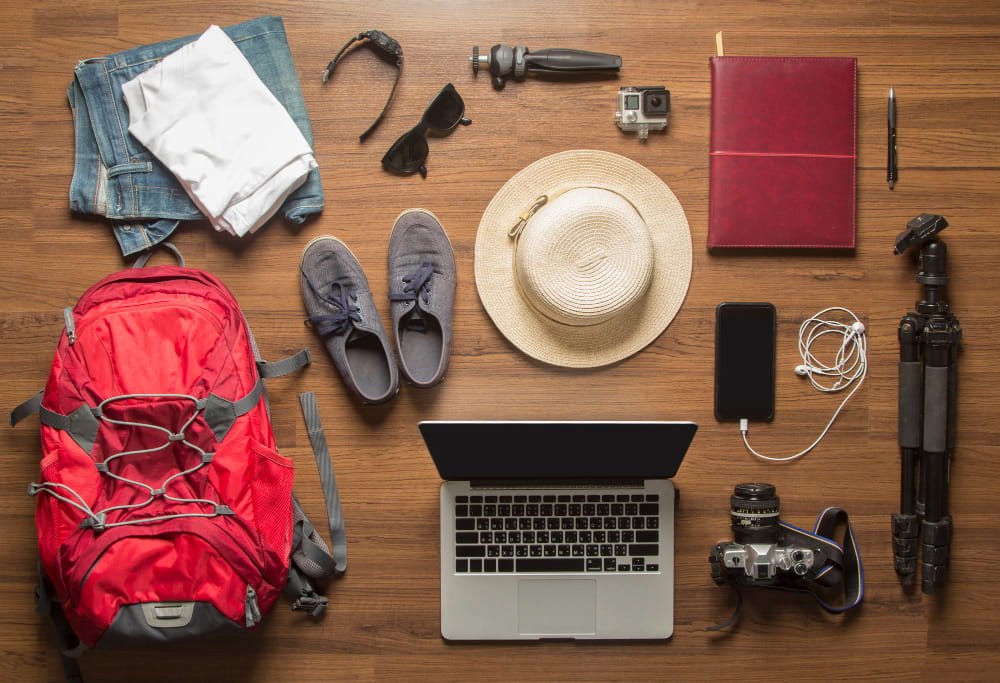
For a typical 5- to 10-day Kenya safari, most travelers can comfortably work with several lightweight shirts, a few pairs of trousers, one or two pairs of shorts, underwear and socks, a fleece or sweater, a light waterproof jacket, comfortable walking shoes, sandals, a hat, sunglasses, sunscreen, insect repellent, toiletries, medication, a reusable water bottle, binoculars, camera equipment, a power bank, travel adapter, small daypack, travel documents, and a little local currency.
The exact amount depends on whether laundry is available and whether you are traveling by road or taking domestic safari flights.
Final Kenya Safari Packing Advice
The best approach to packing for a Kenya safari is to prioritize comfort, versatility, and practicality. You do not need to bring everything you own. Choose clothes that can be layered, shoes that are comfortable for walking, and equipment that you know how to use.
Prepare for cool mornings, warm afternoons, strong sunlight, dust, insects, and the possibility of rain. Keep essential items such as medication, documents, money, and electronics secure and accessible.
Most importantly, check the requirements of your specific itinerary before departure. A road safari through the Maasai Mara and Amboseli may require different preparation from a trip that combines Samburu, Ol Pejeta, and domestic flights.
With the right preparation, you can spend less time worrying about what you forgot and more time enjoying the landscapes, wildlife, people, and unforgettable experiences that make a Kenya safari special.
Create Kenya Safari Tours & Tanzania Safaris You've Always Imagined
Begin Your Safari Journey Today
Let's Turn Your Dream African Safari Into Reality

Let's Plan Your Kenya Safari Tours & Tanzania Safaris!
Let our experienced safari specialists guide your journey.
USA: +254 72210-3340 other countries