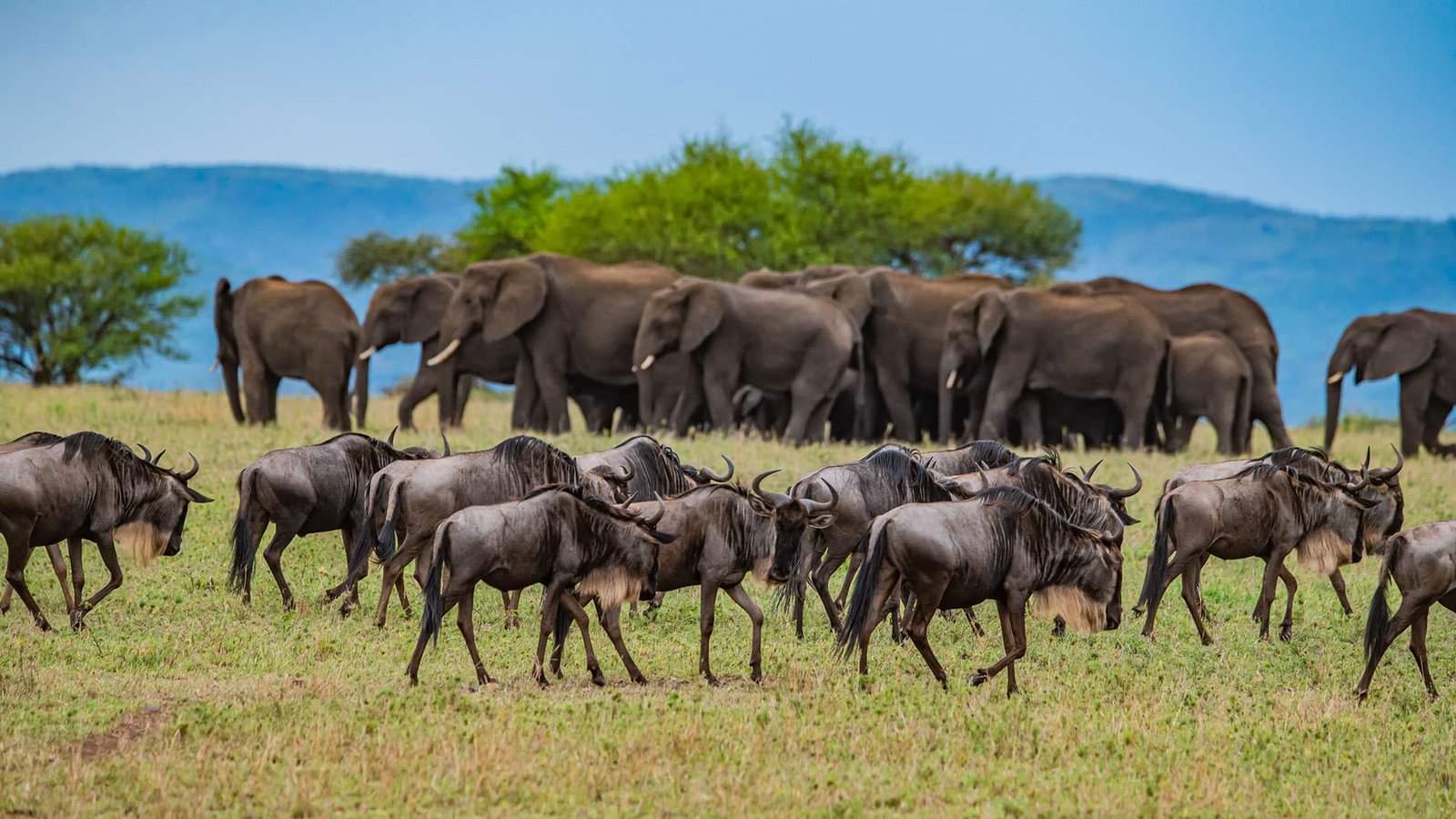
A Kenya safari is more than a holiday spent looking for lions, elephants, giraffes, and the Big Five. It is an opportunity to enter some of the country’s most important wildlife habitats and experience landscapes that support both animals and local communities. Responsible safari travel means enjoying these places without disturbing wildlife, damaging the environment, or disrespecting the people who live around Kenya’s parks and conservancies.
Whether you are visiting the Maasai Mara, Amboseli, Tsavo, Samburu, Lake Nakuru, Ol Pejeta, or another protected area, good safari etiquette makes the experience safer and more enjoyable for everyone. Kenya Wildlife Service emphasizes that visitors are entering the home of wildlife and should respect animals’ privacy and right of way. Visitors are expected to stay in vehicles where required, keep noise low, remain on established roads, avoid feeding wildlife, and take rubbish with them.
Respect Wildlife as Wild Animals
The most important rule on a Kenya safari is simple: remember that wildlife is not there for human entertainment. A lion lying beside a safari vehicle may appear relaxed, but it is still a wild predator. An elephant crossing the road may look accustomed to safari vehicles, but it deserves space and a clear route. Your guide’s responsibility is to help you enjoy these encounters without putting you, other visitors, or the animals at unnecessary risk.
Never assume that an animal is tame because it has seen safari vehicles many times. Wildlife can react suddenly when it feels threatened, cornered, or surprised. This is particularly important when watching elephants, buffalo, hippos, big cats, and other potentially dangerous animals. Move slowly and quietly because animals can react dangerously when startled.
Follow Your Safari Guide’s Instructions
Your driver-guide is one of your most important resources during a Kenya safari. Experienced guides understand animal behavior, road conditions, park regulations, seasonal wildlife movements, and the safest way to approach sightings. Listen carefully when your guide asks you to remain inside the vehicle, lower your voice, wait before moving, or leave an area.
A good guide may sometimes decide not to approach an animal closely, even when another vehicle is nearby. This can be a responsible decision based on the animal’s behavior, the position of the vehicle, or the number of vehicles around the sighting. Responsible travelers understand that getting the closest possible photograph is not always the best outcome.
Keep a Respectful Distance from Animals
Getting close to wildlife can produce spectacular photographs, but responsible viewing is about quality rather than distance. Give animals enough space to behave naturally and never encourage a driver to chase an animal or block its path simply to obtain a better photograph.
Rules concerning wildlife viewing distances can vary between national parks, reserves, conservancies, and private wildlife areas. Always follow the regulations of the specific destination you are visiting. Your safari operator should explain any important local requirements.
The safest approach is to allow your guide to determine how close the vehicle should be. If an animal shows signs of stress or changes its behavior because of the vehicle, give it more space.
Never Feed Wild Animals
Feeding wildlife may seem harmless, especially when an animal approaches a vehicle or camp, but it can create serious long-term problems. Wild animals have natural diets and behaviors that should not be changed because of human food.
Food can encourage animals to associate vehicles, camps, or people with easy meals. This may increase human-wildlife conflict and create dangerous behavior. It can also cause animals to become dependent on people rather than relying on their natural food sources.
For the same reason, do not throw food from a safari vehicle or leave leftovers where animals can access them.
Keep Noise Low During Game Drives
One of the joys of a Kenya safari is hearing the natural sounds of the bush. Loud conversations, music, shouting, and unnecessary vehicle noise can disturb wildlife and reduce the quality of the experience for other visitors.
When you find a lion resting, elephants feeding, or birds calling, lower your voice and allow everyone to observe quietly. Mobile phones should be kept on silent, and phone conversations should be avoided during important sightings.
A quiet vehicle also gives your guide a better opportunity to listen for bird calls, alarm calls, and other sounds that can help locate wildlife.
Stay Inside the Safari Vehicle When Required
Never get out of a safari vehicle simply because you want a closer photograph. Your guide will tell you when and where it is safe to leave the vehicle. In many wildlife areas, remaining inside the vehicle is an important safety requirement.
Even apparently harmless animals can behave unpredictably. A buffalo, elephant, hippo, or predator can cover ground much faster than a person expects. If you need to stretch, use a restroom, take photographs outside the vehicle, or have a picnic, ask your guide to identify a designated safe location.
Do Not Ask Your Driver to Chase Animals
Responsible safari driving requires patience. Sometimes a leopard disappears into tall grass, a cheetah changes direction, or a herd of elephants moves away from the road. It can be tempting to ask your driver to speed after the animal, but this can create unnecessary stress and interfere with other wildlife vehicles.
The best safari sightings often happen when you stop, wait, and allow wildlife to behave naturally. A skilled guide will use knowledge of the terrain and animal behavior rather than simply driving quickly from one sighting to another.
Speed is also a safety and conservation issue. Always follow the speed limits established by the park or reserve and allow your driver to maintain a safe speed on dirt roads.
Stay on Designated Roads
Driving off-road can appear exciting because it may bring a vehicle closer to wildlife or provide a better photographic position. However, repeated off-road driving can damage vegetation, compact soil, create erosion, and disturb wildlife.
Stay on designated roads and tracks unless you are in a conservation area where controlled off-road driving is specifically permitted. Different parks and conservancies have different regulations, so do not assume that something allowed in one destination is permitted everywhere.
This is also one reason private conservancies can offer a different safari experience from national parks. Some conservancies permit certain off-road activities under controlled conditions, while others have strict restrictions.
Give Animals the Right of Way
If an elephant, giraffe, zebra, buffalo, or other animal approaches or crosses the road, allow it to move freely. Do not block its path by positioning the vehicle directly in front of it.
This is especially important around elephants and large herds. An animal may need to cross the road to reach water, food, shelter, or another part of its territory. Sometimes the best thing your driver can do is switch off the engine and wait.
Allowing wildlife to pass without interference is one of the simplest ways to practice responsible safari etiquette.
Be Considerate When Many Vehicles Gather
Popular wildlife sightings in destinations such as the Maasai Mara can attract several safari vehicles. When this happens, responsible behavior becomes particularly important.
Avoid shouting across vehicles, pushing forward aggressively, or demanding that other vehicles move simply because you want a particular angle. Your guide should work within the area’s rules and cooperate with other professional guides.
If the sighting becomes crowded, consider asking your guide whether there is another location worth exploring. Kenya’s wildlife is spread across enormous landscapes, and leaving a crowded sighting can sometimes lead to an even more memorable encounter elsewhere.
Protect Kenya’s Parks from Plastic and Litter
Everything you bring into a wildlife area should be managed responsibly. Do not throw plastic bottles, food wrappers, tissues, cigarette materials, or other rubbish onto the ground.
Carry a reusable water bottle where appropriate and use the waste facilities provided by your lodge, camp, vehicle, or park. If you see a small piece of rubbish that can safely be collected, consider taking it with you rather than leaving it behind.
Keeping Kenya’s parks and reserves clean protects wildlife from accidentally eating or becoming trapped in human waste and also preserves the natural beauty that visitors come to experience.
Respect Local Communities
A Kenya safari often includes opportunities to meet local communities, visit villages, learn about traditional lifestyles, or purchase locally produced crafts. These experiences can add an important cultural dimension to a wildlife holiday, but visitors should approach them with respect.
People are not tourist attractions. Ask permission before photographing individuals, particularly children, and follow your guide’s advice about appropriate behavior. Avoid entering private homes, touching personal belongings, or making assumptions about people’s culture and way of life.
A good cultural experience should involve learning and respectful interaction rather than simply taking photographs.
Support Local Businesses and Conservation
Responsible travel can also influence where your tourism money goes. Consider using reputable local safari operators, accommodation providers, community-run experiences, guides, craft businesses, and conservation-focused properties where appropriate.
Tourism provides employment and income in many areas surrounding Kenya’s wildlife destinations. Choosing responsible businesses can help tourism contribute to conservation and community livelihoods.
When buying souvenirs, consider locally made crafts and products rather than mass-produced items that have little connection with the destination. Your guide or lodge can often recommend reputable places to shop.
Respect Maasai and Other Cultural Traditions
Visitors to the Maasai Mara and other parts of Kenya may have opportunities to meet Maasai communities. Remember that the Maasai are living communities with their own traditions, values, languages, and modern lifestyles.
Avoid expecting every person you meet to behave according to a tourist’s idea of traditional culture. Listen to local hosts and guides, ask thoughtful questions, and accept that some aspects of community life may be private.
If a cultural visit involves photography, performances, crafts, or other activities, understand what is included and how the community benefits. A responsible visit should provide value to local people rather than treating the community as a backdrop for photographs.
Take Wildlife Photographs Responsibly
Photography is one of the biggest reasons people choose a Kenya safari, but getting a photograph should never come before animal welfare. Avoid shouting, whistling, making animal sounds, or using food to attract wildlife toward the vehicle.
Turn off your camera flash when photographing animals at close range or in sensitive situations unless your guide or the specific facility confirms that it is appropriate. Never ask your driver to position the vehicle dangerously just to improve your composition.
Use binoculars when an animal is too far away for a good photograph. Often, observing an animal through binoculars provides a better experience than trying to force a photograph.
Use Drones Only Where They Are Permitted
Do not assume that you can launch a drone because you have brought one on safari. Protected areas can have strict rules concerning drones and aerial equipment. Restrictions may also apply because of wildlife, visitor safety, privacy, and security.
Always ask your safari operator and the relevant park or reserve authorities before using a drone. If permission is not granted, keep the drone packed away.
Responsible travelers should never risk disturbing animals or violating park regulations for an aerial photograph.
Be Careful Around Camps and Lodges
Wildlife does not always stay inside the boundaries of a national park. Animals may move through safari camps, lodges, conservancies, and surrounding areas, particularly at night.
Follow your accommodation’s instructions about walking after dark. If the property recommends an escort, use one. Do not wander outside your tent or room because you hear an animal nearby.
Never leave food outside your tent or accommodation unless the property specifically instructs you to do so. Keep doors and tent openings secured as advised by staff.
Respect Park Rules Even When Nobody Is Watching
Responsible travel should not depend on whether a ranger or guide is nearby. Park rules exist to protect wildlife, visitors, landscapes, and future tourism.
Before entering a park or reserve, listen to your guide’s briefing and ask questions if you are unsure about a rule. Regulations can change and may differ between destinations.
Following the rules also sets a good example for other travelers and helps safari operators maintain positive relationships with park authorities and conservation organizations.
Choose a Responsible Safari Operator
The safari company you choose can have a significant influence on the quality and sustainability of your trip. Look for an operator that uses qualified guides, follows park regulations, maintains vehicles properly, treats staff fairly, and demonstrates respect for wildlife and local communities.
It is also useful to ask what the safari price includes. A transparent operator should be able to explain accommodation, park or conservancy fees, transport, meals, guide services, activities, and other major costs.
A professional safari company should also be willing to explain its approach to wildlife protection, community tourism, waste management, and responsible travel.
Why Responsible Safari Travel Matters
Every safari takes place within an ecosystem that has its own natural balance. Vehicles, visitors, lodges, roads, camps, and tourism activities all have the potential to affect that environment. Responsible behavior helps reduce unnecessary disturbance and supports the long-term value of Kenya’s protected areas.
The positive side is that travelers do not need to make complicated changes to become responsible safari visitors. Staying on designated roads, keeping noise low, following your guide, avoiding wildlife feeding, carrying rubbish out, respecting local communities, and choosing responsible tourism businesses are practical actions that can make a real difference.
Tourism also plays an important role in supporting conservation and creating economic opportunities for people living around wildlife areas. When visitors travel responsibly, their spending can contribute to accommodation providers, guides, drivers, conservancies, community projects, craft producers, and other local businesses.
A Simple Responsible Safari Rule to Remember
If you are unsure what to do during your Kenya safari, remember three principles: respect the wildlife, respect the people, and respect the environment. Give animals space, follow your guide’s instructions, avoid disturbing natural behavior, treat local communities with dignity, and leave the places you visit as clean as you found them.
A responsible Kenya safari is not about seeing how close you can get to a lion or how many photographs you can take. It is about experiencing wildlife in its natural environment while helping ensure that these landscapes remain healthy and valuable for future generations.
By traveling thoughtfully, you can enjoy an unforgettable Kenya safari while also contributing to the conservation of wildlife, the protection of natural habitats, and the livelihoods of communities living alongside some of Africa’s most remarkable ecosystems.
Create Kenya Safari Tours & Tanzania Safaris You've Always Imagined
Begin Your Safari Journey Today
Let's Turn Your Dream African Safari Into Reality

Let's Plan Your Kenya Safari Tours & Tanzania Safaris!
Let our experienced safari specialists guide your journey.
USA: +254 72210-3340 other countries