
Kenya Safari Tours from USA offer American travelers the chance to experience one of Africa’s most famous wildlife destinations. Kenya combines open savannahs, remarkable wildlife, rich cultures, comfortable safari lodges, beautiful landscapes, and an Indian Ocean coastline within one country.
For travelers coming from the United States, a Kenya safari is usually a major international vacation rather than a short getaway. Good planning therefore matters. You need to consider international flights, entry requirements, safari length, accommodation standards, internal transportation, health preparation, weather, luggage, and the type of wildlife experience you want.
Kenya has an established network of protected areas covering very different environments. Kenya Wildlife Service highlights destinations ranging from the plains of Amboseli and Tsavo to Lake Nakuru, the Aberdares, Hell’s Gate and marine protected areas along the coast.
The Masai Mara is another major reason Americans travel to Kenya, particularly for classic savannah wildlife experiences and the seasonal movements associated with the wider Serengeti-Mara ecosystem.
A well-designed Kenya safari can include morning and afternoon game drives, photography, cultural experiences, conservancy visits, guided nature activities and several days relaxing on the Kenyan coast.
This guide explains how to plan Kenya Safari Tours from USA, including entry requirements, recommended safari destinations, trip lengths, accommodation choices, health considerations, transportation and practical advice for first-time visitors.
Why Choose Kenya for a Safari from the USA?
Kenya offers something that is difficult to find in many destinations: variety within manageable travel distances.
A single journey can take you from Nairobi to the open plains of the Masai Mara, the mountain scenery of Amboseli, the lakes of the Great Rift Valley and the beaches of the Indian Ocean.
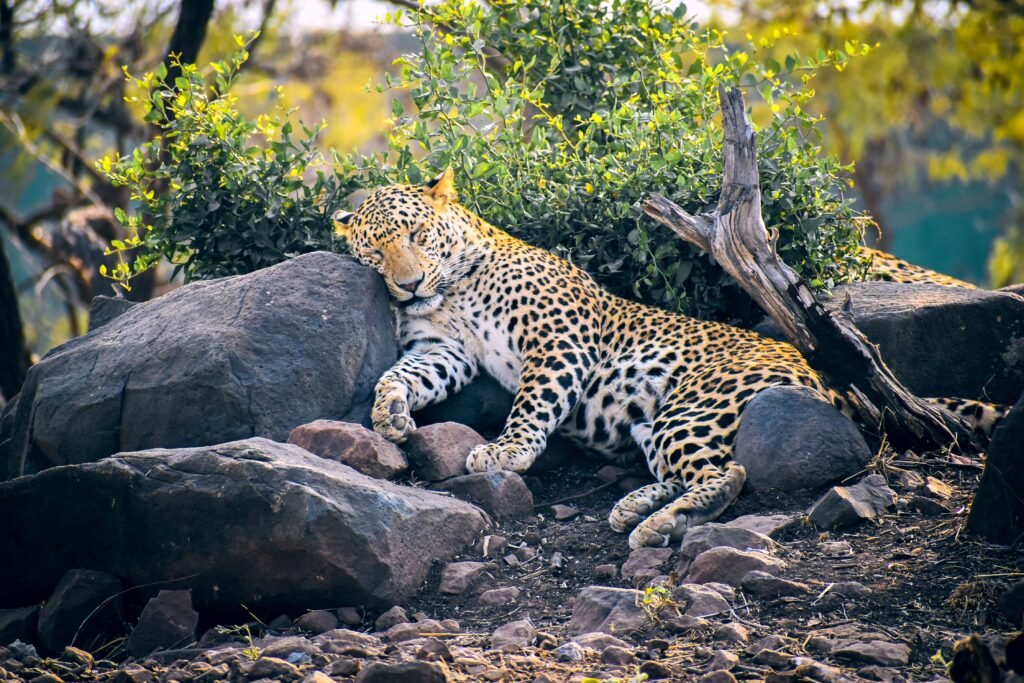
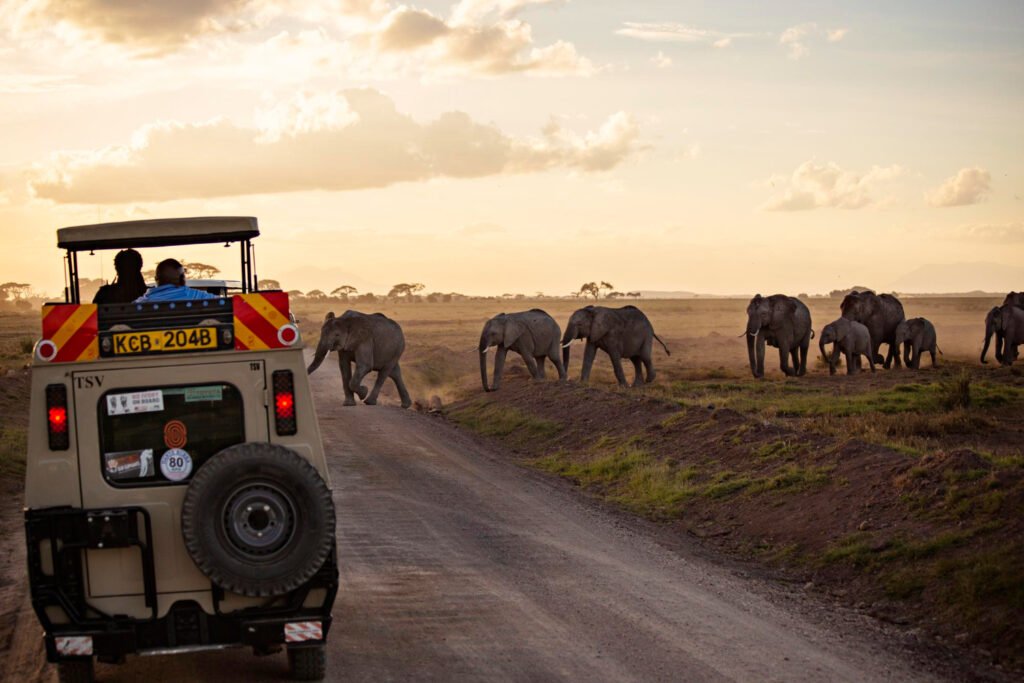
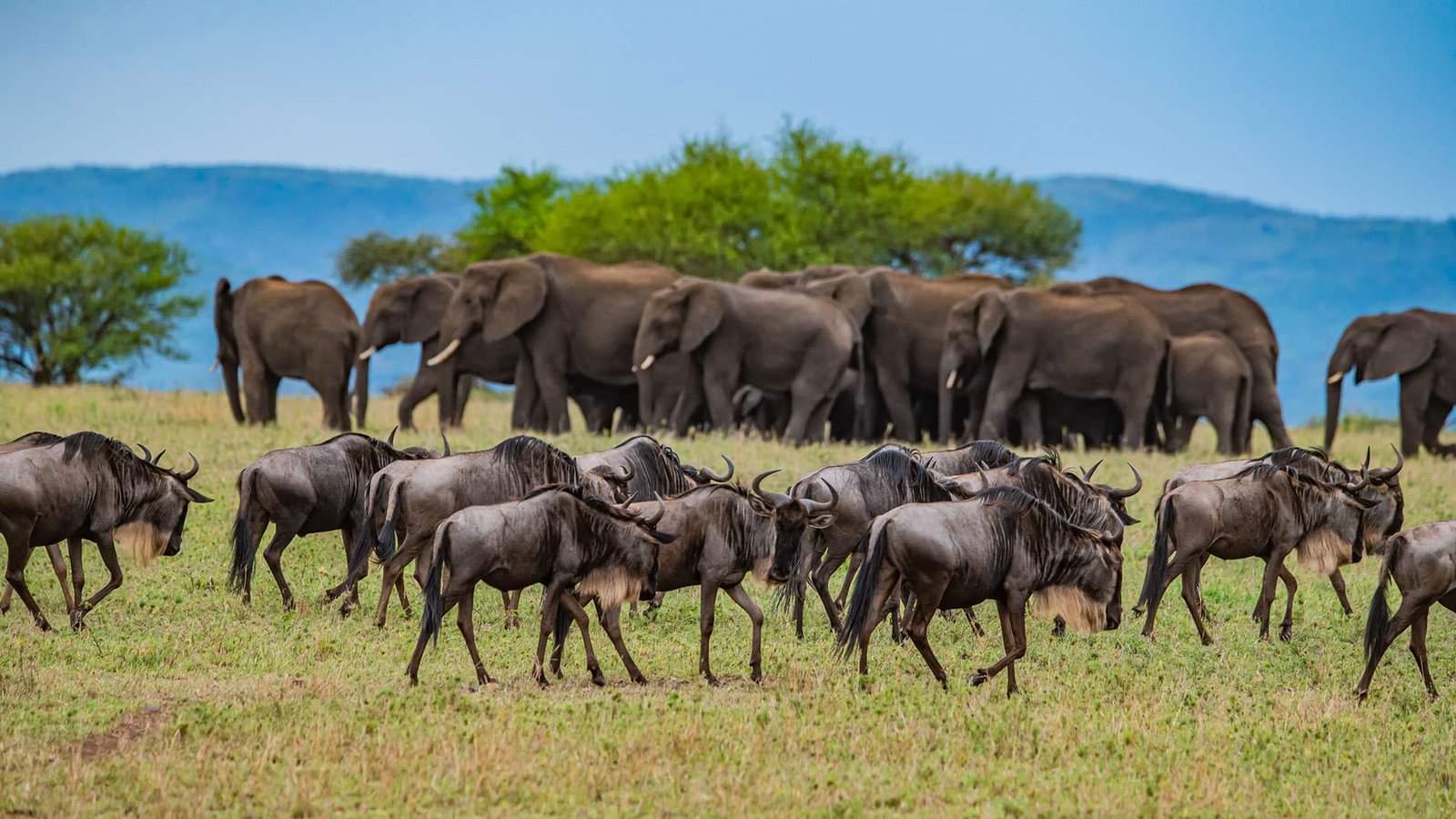
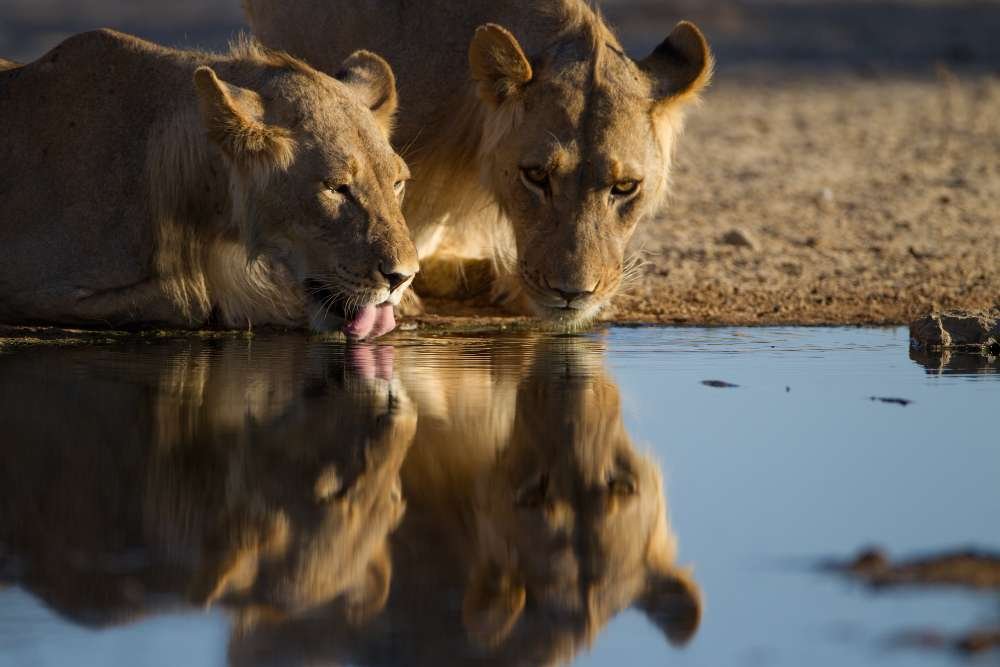
Wildlife diversity is another major attraction. Depending on your itinerary and season, you may encounter lions, elephants, leopards, buffaloes, rhinos, giraffes, zebras, cheetahs, hippos, crocodiles, wildebeest, antelopes and hundreds of bird species.
Kenya Wildlife Service describes the country’s protected areas as including savannah grasslands, forests, arid scrublands, wetlands and mountain ecosystems.
This variety makes Kenya suitable for first-time safari travelers as well as experienced visitors returning to Africa.
What Makes Kenya Safari Tours from USA Different?
Traveling from the United States requires more planning than arriving from a neighboring African country.
The international journey is long, so most American visitors benefit from spending enough time in Kenya to make the trip worthwhile. Instead of trying to visit every destination in a few days, it is usually better to choose a sensible route and spend quality time in each park.
Another consideration is comfort.
After a long international flight, arriving in Nairobi and immediately beginning a long road transfer may not be ideal for everyone. Spending the first night in Nairobi can provide time to rest before starting the safari the following morning.
A carefully planned Kenya Safari Tours from USA itinerary should balance wildlife viewing with realistic driving times, rest periods and accommodation quality.
Getting to Kenya from the United States
Most American safari travelers arrive through Jomo Kenyatta International Airport in Nairobi.
Your exact flight options depend on your departure city, airline and travel dates. Travelers coming from cities such as New York, Washington, Atlanta, Chicago, Los Angeles, San Francisco, Boston, Dallas or Miami should compare both total travel time and connection times rather than selecting flights based only on price.
Nairobi is the main starting point for many Kenyan safari circuits.
From Nairobi, you can continue by road or domestic flight to major safari destinations.
Because airline schedules and routes can change, confirm your international and domestic connections before making non-refundable safari arrangements.
Kenya Entry Requirements for US Citizens
American travelers should check Kenya’s official immigration requirements before departure rather than relying on old travel articles.
Kenya currently operates an Electronic Travel Authorisation system. The official Kenyan eTA website states that visitors who are not exempt must obtain the required authorization before beginning their journey. Applicants generally need a passport valid for at least six months beyond their planned arrival, with at least one blank page, along with travel, contact and accommodation information.
The Kenyan government recommends submitting an application well before travel; its current guidance says applications are usually processed within three days but recommends applying at least two weeks before departure.
American nationals who make repeated visits should also check current eTA categories. Kenya’s official eligibility page currently lists a five-year multi-entry eTA specifically for American nationals, alongside other eTA options.
Because immigration rules and fees can change, always verify them directly through the official Kenya eTA website before traveling.
How Many Days Should Americans Spend on Safari in Kenya?
For travelers coming from the USA, around 7 to 12 safari days works particularly well.
A five-day safari is possible, but international travel time makes longer itineraries more rewarding.
Seven days allows you to combine two or three important wildlife areas without rushing excessively.
Ten days provides more flexibility and can include destinations such as Amboseli, Lake Naivasha, Lake Nakuru and the Masai Mara.
Twelve to fourteen days gives you enough time for a broader safari or a combination of wildlife viewing and a beach holiday.
Travelers with two weeks available can create a particularly balanced itinerary with several safari destinations followed by three or four nights on the Kenyan coast.
Best Safari Destinations in Kenya for American Travelers
Masai Mara National Reserve
The Masai Mara is often the centerpiece of Kenya Safari Tours from USA.
Its open grasslands provide excellent opportunities to search for lions, elephants, cheetahs, leopards, buffaloes, giraffes, zebras and many species of antelope.
The reserve is also internationally known for the seasonal Great Migration movements within the greater Serengeti-Mara ecosystem.
However, the Masai Mara should not be treated only as a migration destination. Resident wildlife makes it an important safari area throughout the year.
Allowing at least two or three nights gives you more time to explore different sections of the ecosystem.
Amboseli National Park
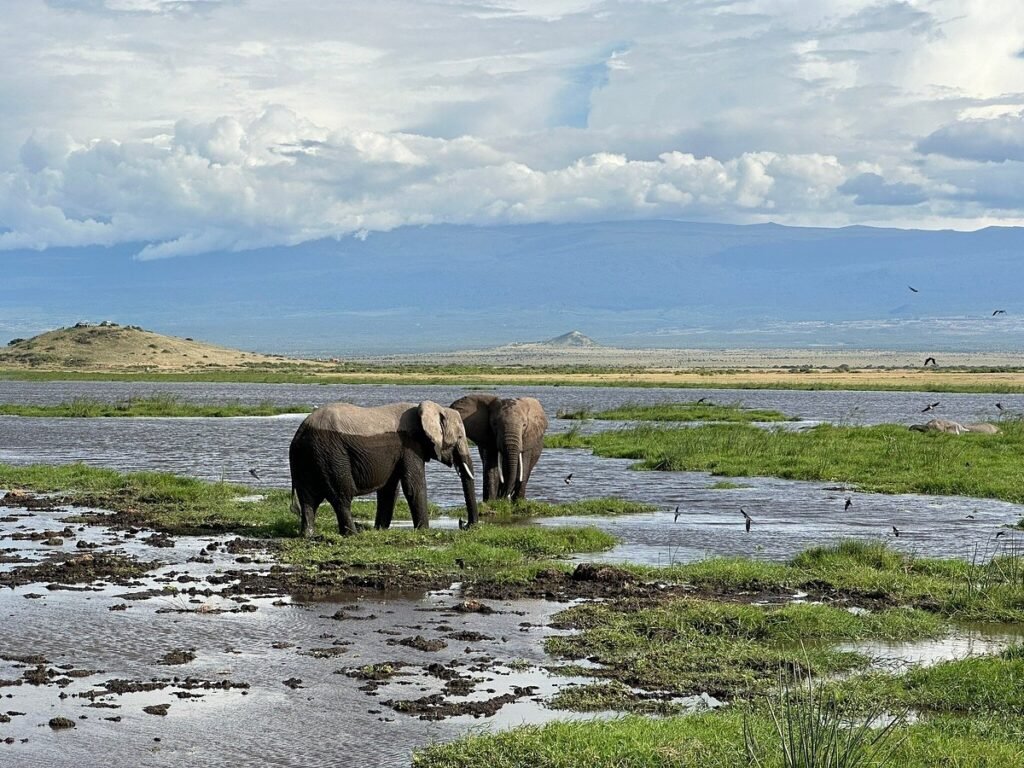
Amboseli is an excellent choice for travelers interested in elephants, photography and African landscapes.
The park is famous for views toward Mount Kilimanjaro when weather conditions are clear.
Its relatively open landscape can provide excellent wildlife photography opportunities.
Kenya Wildlife Service lists Amboseli among Kenya’s major wildlife safari destinations.
Amboseli combines particularly well with Nairobi, Tsavo and the Kenyan coast.
Lake Nakuru National Park
Lake Nakuru provides a different environment from the open plains of the Masai Mara.
The park combines lake scenery, woodland, grassland and wildlife viewing.
It can be included between Nairobi and the Masai Mara, making it useful for travelers building a longer road safari through the Great Rift Valley.
Lake Nakuru is among the protected areas managed by Kenya Wildlife Service and remains an established part of Kenya’s safari circuit.
Ol Pejeta Conservancy
Ol Pejeta is an attractive addition for visitors interested in conservation and rhino experiences.
Located near Nanyuki, the conservancy can be combined with the Mount Kenya region, Samburu or the Great Rift Valley.
A stay here also adds variety to a traditional safari because the experience is not limited to searching for the same animals found in the southern parks.
Samburu National Reserve
Samburu offers a very different landscape from the Masai Mara.
The drier northern environment, dramatic scenery and distinctive wildlife make it an excellent destination for travelers who want to explore beyond Kenya’s most familiar safari circuit.
Samburu works particularly well on longer itineraries combined with Ol Pejeta, Lake Nakuru and the Masai Mara.
Tsavo East National Park
Tsavo East is known for enormous landscapes and a strong sense of wilderness.
It is especially convenient for travelers planning to continue toward the Kenyan coast.
Instead of returning to Nairobi after safari, an itinerary can travel through Amboseli and Tsavo before continuing toward the coast.
Tsavo West National Park
Tsavo West offers volcanic landscapes, hills, springs and varied scenery.
Combining Tsavo East and Tsavo West creates an interesting safari route for visitors who want to experience southeastern Kenya.
Kenya Wildlife Service recognizes both Tsavo East and Tsavo West among the country’s established wildlife safari destinations.
Nairobi National Park
Do not overlook Nairobi itself.
Nairobi National Park lies only about 10 kilometers from Nairobi’s central business district, according to Kenya Wildlife Service, providing an unusual opportunity to experience wildlife with the city’s skyline in the background.
It can be particularly useful for American visitors who have an additional day in Nairobi before or after their main safari.
A Recommended 7-Day Kenya Safari from USA
A seven-day safari can begin with arrival and an overnight stay in Nairobi.
The following morning, travel to Amboseli for two nights. This provides time for afternoon and morning game drives without immediately rushing to another destination.
Continue toward the Great Rift Valley and spend a night around Lake Naivasha or Lake Nakuru.
The final three nights can be spent in the Masai Mara.
This creates a straightforward route combining elephants and Kilimanjaro scenery in Amboseli, Rift Valley landscapes and the classic wildlife experience of the Masai Mara.
After the safari, return to Nairobi for your international departure or continue to the Kenyan coast.
A Recommended 10-Day Kenya Safari from USA
Travelers with ten days can explore Kenya at a more relaxed pace.
Begin with a night in Nairobi before heading north toward Ol Pejeta.
Continue to Lake Nakuru or Lake Naivasha and then spend several nights in the Masai Mara.
Amboseli can be added toward the beginning or end depending on the preferred route and whether domestic flights are included.
The additional days allow more time for wildlife photography, relaxed lodge stays and optional activities without constantly packing and moving.
A Recommended 14-Day Kenya Safari and Beach Holiday
Two weeks is an excellent length for travelers arriving from the United States.
The first section can concentrate on wildlife.
A route might combine Nairobi, Amboseli, Lake Naivasha, Lake Nakuru and the Masai Mara.
After completing the safari, fly to Kenya’s coast for several days at Diani Beach or another coastal destination.
This combination provides a natural change of pace.
Safari mornings can begin before sunrise, and road journeys between parks can be long. Finishing beside the Indian Ocean gives travelers time to rest before the international journey home.
Road Safari or Fly-In Safari?
This is one of the most important choices when planning Kenya Safari Tours from USA.
Road Safaris
Road safaris are ideal for travelers who enjoy seeing the countryside and want a more continuous journey through Kenya.
A private 4×4 safari vehicle also gives you considerable flexibility during game drives.
Road travel can reduce the cost compared with using several internal flights, although this depends on the itinerary and group size.
The disadvantage is travel time.
Some destinations are several hours apart, and road conditions vary.
Fly-In Safaris
Fly-in safaris reduce long overland transfers.
Small aircraft connect Nairobi with many safari regions, allowing visitors to spend more of their holiday inside wildlife areas.
They are especially attractive for honeymooners, luxury travelers, older guests and visitors with limited vacation time.
The main disadvantages are higher costs and stricter baggage limits.
Combining Road and Air Travel
For many American travelers, combining both methods provides the best balance.
You might travel by road through Amboseli and the Rift Valley, for example, before flying from the Masai Mara back to Nairobi.
This prevents the final day from becoming another long road journey.
Choosing Safari Accommodation
Kenya offers accommodation across several price levels.
Budget Safari Accommodation
Budget safaris generally use simple tented camps, guesthouses or affordable lodges.
The important consideration should be cleanliness, location, safety and reliability rather than unnecessary luxury.
Mid-Range Safari Accommodation
Mid-range safaris are popular among American travelers because they balance comfort and cost.
Properties in this category may offer permanent rooms or safari tents, private bathrooms, restaurants, lounges, swimming pools and good locations for wildlife activities.
Luxury Safari Accommodation
Luxury camps and lodges provide a more exclusive experience.
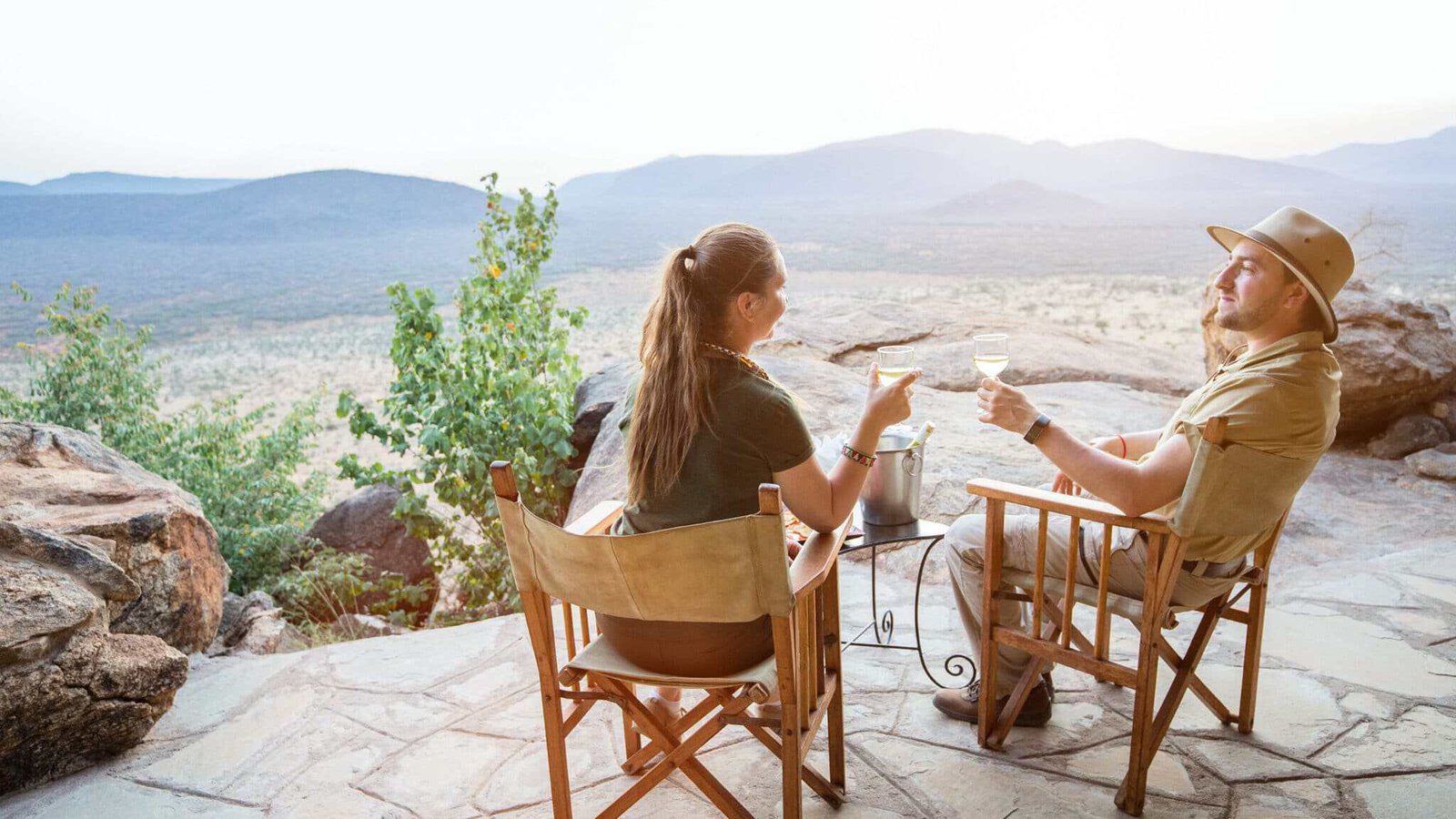
Depending on the property, this may include spacious suites, private decks, smaller camps, premium dining, personalized guiding, private vehicles or scenic locations.
High-End and Private Safaris
Travelers seeking privacy can arrange exclusive-use vehicles, private guides, premium camps and charter flights.
This option is particularly suitable for honeymooners, photographers, multigenerational families and groups celebrating special occasions.
Private Safari or Group Safari?
Private safaris provide greater flexibility.
Your guide and vehicle are dedicated to your party, allowing you to spend more time at sightings that interest you.
Families also appreciate being able to adapt the pace around children.
Photographers often prefer private vehicles because positioning, patience and space for camera equipment are important.
Group safaris can reduce costs because transportation expenses are shared among several travelers.
The right option depends on your budget and expectations.
Best Time for Kenya Safari Tours from USA
Kenya can be visited throughout the year, but different months provide different experiences.
The drier months are traditionally popular because vegetation may be less dense and wildlife can concentrate around dependable water sources.
The middle part of the year is particularly popular in the Masai Mara because travelers hope to see large seasonal movements of wildebeest and zebra.
However, migration timing is controlled by rainfall and natural conditions. River crossings cannot be guaranteed for a particular day.
Travel outside peak periods can also be rewarding.
Green landscapes, fewer vehicles in some areas, birdlife and seasonal rates can make quieter months attractive to travelers who do not need to travel during the busiest period.
Health Preparation for US Travelers
Health planning should be done well before departure.
The US Centers for Disease Control and Prevention advises travelers to Kenya to review recommended vaccines and medicines and suggests consulting a healthcare professional at least a month before travel.
Malaria is an important consideration for safari travelers. CDC guidance identifies malaria transmission in many areas below 2,500 meters, including game parks, and recommends discussing appropriate preventive medication with a healthcare professional.
Yellow fever requirements depend partly on your route. According to current CDC guidance, yellow fever vaccination is not an entry requirement when traveling directly from the United States to Kenya, but requirements can apply when arriving from countries with yellow fever risk. The CDC also has vaccination recommendations based on the parts of Kenya being visited.
Always discuss your personal medical situation with a qualified travel-health professional rather than relying solely on general safari advice.
Travel Insurance for a Kenya Safari
Comprehensive travel insurance is strongly recommended for international safari travel.
Consider a policy that addresses medical emergencies, evacuation, trip interruption, cancellations and baggage problems.
If your itinerary includes activities such as hot-air ballooning, hiking or other adventure experiences, check whether your policy covers them.
Read the terms carefully rather than assuming all safari-related situations are automatically covered.
What to Pack for a Kenya Safari from the USA
Keep your safari luggage practical.
Bring lightweight shirts, long trousers, a fleece or sweater for cool mornings, comfortable closed shoes, a sun hat, sunglasses and a lightweight rain jacket.
Neutral colors such as khaki, beige, olive, brown and grey work well in safari environments.
A small day bag is useful for your camera, binoculars, sunscreen, insect repellent, documents and personal items.
If your itinerary includes domestic flights on smaller aircraft, check the baggage allowance before leaving the United States. Safari aircraft may have different luggage rules from your international airline.
Photography Equipment
Kenya is an outstanding destination for wildlife photography.
A camera with a telephoto lens is useful for animals that cannot be approached closely.
Bring enough memory cards and spare batteries. A dust cover or simple protective bag can also be useful because safari roads may become dusty.
Binoculars are valuable even if you have a good camera.
Do not spend the entire safari looking through a screen or viewfinder. Some of the best safari experiences happen when you simply watch the animals and landscape around you.
Kenya Safari Tours from USA for Families
Kenya can be an excellent family safari destination.
A good family itinerary should avoid unnecessary long drives and changing hotels every night.
Children often enjoy elephants, giraffes, lions and zebras, but a successful family safari should include more than sitting in a vehicle all day.
Depending on age restrictions and the properties selected, families can consider swimming time, nature activities, cultural visits and shorter game drives.
Private safari vehicles are particularly useful because parents have greater control over the day’s pace.
Kenya Safari Tours from USA for Couples and Honeymooners
Kenya works extremely well for romantic travel.
Couples can combine intimate tented camps, private game drives, bush meals and scenic sundowners with a beach extension.
The Masai Mara followed by Diani Beach is a particularly natural safari-and-beach combination.
Amboseli can also add beautiful landscapes and opportunities for memorable photography.
Rather than trying to visit too many parks, honeymoon itineraries often work better when couples spend two or three nights at each property.
Kenya Safari Tours from USA for Senior Travelers
Safari travel can also suit older travelers when the itinerary is planned carefully.
Fly-in transfers can reduce long drives, while high-quality lodges provide comfortable accommodation between game drives.
Ask your safari operator about vehicle access, stairs, walking distances, bathroom arrangements, medical considerations and any mobility requirements before confirming accommodation.
A private safari is particularly useful when travelers prefer a slower pace.
Kenya Safari Tours from USA for Wildlife Photographers
Photographers have different needs from ordinary sightseeing travelers.
A photography-focused safari should prioritize time rather than the number of destinations.
Spending four nights in one excellent wildlife area can be more productive than visiting four parks in four days.
A private safari vehicle can provide better control over positioning and how long you remain at a sighting.
Photographers should also consider seasonal light, animal behavior, luggage allowances for domestic flights, charging facilities and storage for images.
Adding Tanzania to a Kenya Safari
American travelers with additional time can combine Kenya and Tanzania.
A typical East African itinerary may include the Masai Mara, Serengeti and Ngorongoro Crater.
However, international border arrangements, immigration requirements and logistics need to be considered carefully.
Do not assume that authorization to enter Kenya automatically covers Tanzania. Each country has its own immigration and health requirements.
A Kenya-Tanzania safari is best planned as one connected itinerary so that border transfers, accommodation and transportation work smoothly.
Adding Diani Beach to Your Safari
A beach extension can completely change the rhythm of the holiday.
After several early morning game drives, Diani provides an opportunity to slow down.
Visitors can enjoy the Indian Ocean, swimming, coastal activities and relaxed resort days.
Safari-and-beach combinations are especially suitable for honeymooners and families traveling from the USA because they provide two very different experiences within one vacation.
How Much Do Kenya Safari Tours from USA Cost?
There is no single accurate price for a Kenya safari.
Cost depends on travel dates, number of travelers, accommodation level, transport method, park fees, number of nights, room arrangement and optional activities.
Peak-season luxury accommodation can cost considerably more than a mid-range safari during a quieter period.
Private safaris also work differently depending on group size because vehicle and guide costs can be shared among several travelers.
For this reason, compare safari quotations based on what is actually included rather than looking only at the final price.
What Should a Kenya Safari Package Include?
A clearly prepared safari quotation should explain accommodation, meal plans, transportation, park entry fees, guiding arrangements and airport transfers.
It should also identify exclusions.
International flights, visas or travel authorizations, travel insurance, gratuities, alcoholic drinks, personal expenses and optional activities may not be included unless specifically stated.
Good safari planning requires transparency.
If an offer appears dramatically cheaper than comparable itineraries, find out what has been removed before paying a deposit.
How to Choose a Kenya Safari Tour Operator
Selecting your safari company is one of the most important decisions you will make.
Look for clear company information, detailed itineraries, realistic travel times, transparent inclusions and exclusions, knowledgeable communication and verifiable guest feedback.
A trustworthy operator should be able to explain why particular parks, camps and routes have been recommended rather than simply sending a generic itinerary.
Ask questions before paying.
Find out which accommodation is being booked, what type of safari vehicle will be used, whether the safari is private or shared, what happens if a property becomes unavailable and who will assist you while you are in Kenya.
This is where experience matters. A safari itinerary may look simple on paper, but practical knowledge of routes, seasons, park locations, accommodation and realistic driving times can greatly affect the quality of the journey.
Responsible Safari Travel in Kenya
Wildlife should always be viewed respectfully.
Follow instructions from your professional guide and respect park regulations.
Never pressure a guide to drive dangerously, disturb animals or approach wildlife more closely than permitted.
Avoid littering and keep noise low around animals.
When visiting communities, treat people as people rather than tourist attractions. Ask before photographing individuals and respect local customs.
Responsible tourism helps protect the landscapes, wildlife and communities that make Kenya an exceptional destination.
Frequently Asked Questions About Kenya Safari Tours from USA
Do US citizens need a visa for Kenya?
Kenya currently uses an Electronic Travel Authorisation system rather than the old traditional tourist visa arrangement for most visitors. American travelers should check their applicable eTA category and obtain the required authorization before travel.
How long should I spend in Kenya?
For travelers coming from the United States, around 7 to 12 safari days provides a good balance. Two weeks is ideal if you want to combine safari and beach time.
Is Kenya suitable for a first African safari?
Yes. Kenya has an established tourism industry, diverse wildlife destinations and safari options ranging from affordable camps to high-end luxury properties.
Can I combine Kenya and Tanzania?
Yes. Kenya and Tanzania make an excellent combination, particularly for travelers interested in the Masai Mara, Serengeti and Ngorongoro. Allow enough time so that the trip does not become rushed.
Is a private safari worth it?
For families, couples, photographers and small groups, a private safari can be particularly valuable because you have greater control over the schedule and game-drive experience.
Should I book a road or flying safari?
Choose according to your time, budget and comfort preferences. Road safaris allow you to see more of the countryside, while flying safaris reduce long transfers. Combining both is often an excellent solution.
Can I combine a safari with the beach?
Yes. Diani and other areas along Kenya’s Indian Ocean coast can be added after the wildlife portion of the trip.
When should I book my Kenya safari?
For peak travel periods, booking well in advance provides a better choice of camps, lodges and room categories. This is particularly important for travelers with fixed vacation dates or specific accommodation preferences.
Final Thoughts on Kenya Safari Tours from USA
Kenya Safari Tours from USA can be much more than a wildlife holiday. For many travelers, the journey becomes an introduction to East Africa through its landscapes, people, wildlife and cultures.
The best safari does not necessarily visit the greatest number of parks or use the most expensive lodges. It is the safari that matches your available time, interests, comfort expectations and budget.
Give yourself enough time in each destination. Choose a knowledgeable operator. Understand what your package includes. Check current immigration and health information through official sources. Most importantly, build an itinerary that allows you to experience Kenya instead of simply driving through it.
From watching elephants beneath the distant slopes of Kilimanjaro to following lions across the Masai Mara and ending the journey beside the Indian Ocean, Kenya offers American travelers the opportunity to experience several sides of Africa in a single trip.
With thoughtful planning, Kenya Safari Tours from USA can work equally well for first-time visitors, couples, families, photographers, honeymooners and experienced safari travelers returning to East Africa.