Ever thought of challenging yourself to climb Mount Kenya?
If you have ever talked to someone who has climbed Mount Kenya, you will probably notice they remember more than just reaching the summit; only a few do. Most climbers remember the cold mornings, hours of hiking, encounters with fellow climbers along the trails, and the incredible feeling of watching the landscape change as they climbed higher. These moments make climbing Mount Kenya an experience worth preparing for.
Mount Kenya is Kenya’s highest mountain and the second-highest in Africa after Mount Kilimanjaro, rising to 5,199 metres at Batian Peak. Its slopes take hikers through dense forests, open moorlands, rocky valleys, and the striking alpine landscapes.
But let’s be honest, climbing Mount Kenya is not simply a walk with beautiful views. Your legs need to handle long hours on uneven ground, your body needs time to adjust to the altitude, and you must keep warm when temperatures drop. This is why choosing the right route, allowing enough days for acclimatisation, and preparing properly can make a significant difference to your experience.
In this guide, Ravina Tours and Travel will bring all those details together to help you plan realistically. Whether you are an experienced hiker looking for your next challenge or a first-time trekker wondering what to expect from the routes, preparation, safety, and costs, this guide has you covered.
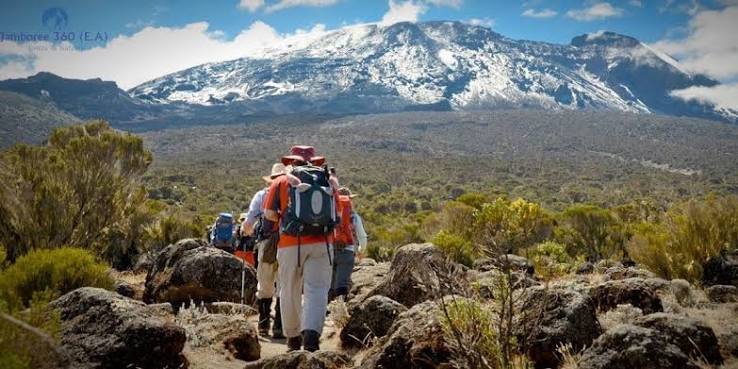
Interesting Facts About Mount Kenya
Mount Kenya is one of Africa’s most remarkable natural landmarks, located in central Kenya, famous for its snow-capped peaks, unique wildlife, beautiful forests, and cultural significance.
Here are some interesting facts about Mount Kenya;
1. Mount Kenya is the second-highest mountain in Africa and the highest in Kenya. Although it lies close to the equator, its upper slopes have glaciers, an ice field, and snow, creating a striking contrast with the warm tropical regions below.
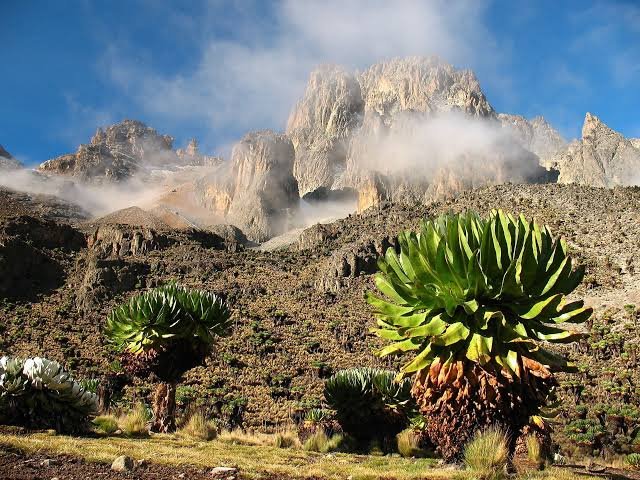
2. Mount Kenya is home to extraordinary plants that have adapted to survive extreme temperatures, intense sunlight, and cold nights. As you climb Mount Kenya, you will notice the scenery change, from the dense green forests to open moorlands and unusual giant plants.
3. Mount Kenya is not just a physical landmark; it also has a deep spiritual and cultural importance, especially to the Kikuyu, Embu, and Ameru communities. Moreover, in some communities, people pray facing the mountain and conduct religious ceremonies connected with their beliefs.
4. Mount Kenya is a UNESCO World Heritage Site listed in 1997. The protected property was extended in 2013 to include Lewa Wildlife Conservancy and Ngare Ndare Forest Reserve.
Where is Mount Kenya located?
Mount Kenya is located in Central Kenya, about 150-180 km north of Nairobi, the capital city.
In addition, it lies near the equator, which passes south of the mountain, and is surrounded by forests, farmlands, and highland communities.
How to Get to Mount Kenya from Nairobi
If you have been planning to visit Mount Kenya, the easiest option is to travel by road to Nanyuki, then continue to one of the mountain’s park gates or trekking routes.
Why Climb Mount Kenya
Climbing Mount Kenya is a rewarding adventure that offers beautiful scenery, physical challenges, wildlife encounters, and a chance to experience one of Africa’s most famous mountains.
Below are important reasons to climb Mount Kenya;
1. The mountain offers spectacular views of rocky peaks, glaciers, valleys, alpine lakes, and forests, and on clear days, you can enjoy beautiful sunrises and panoramic views from high elevations.
2. Climbing Mount Kenya requires endurance, determination, and preparation. So, the trek will help you develop physical fitness, patience, confidence, and resilience as you overcome steep trails and high-altitude conditions.
3. Point Lenana stands at approximately 4,985 metres above sea level, and it is a popular trekking summit. Therefore, reaching it gives you a tremendous sense of achievement and a memorable view of the surrounding mountain landscape.
However, Batian, at 5,199 metres, is Mount Kenya’s highest peak and requires technical climbing skills, while Point Lenana is more accessible.
4. Mount Kenya is an important natural landmark and a sacred mountain to several local communities. Visiting it helps people appreciate Kenya’s biodiversity, cultural traditions, and the importance of protecting forests and water sources.
5. If you intend to climb the mountain with friends, family, or other hikers, it creates an opportunity to support one another. Reaching the viewpoint together can become a lasting shared memory.
6. A mountain trek gives you time away from busy schedules and the distractions of daily life. It provides an opportunity to slow down, reflect, and appreciate nature.
Mount Kenya Vegetation Zones
Mount Kenya has several vegetation zones because temperature, rainfall, soil, and altitude change as you move up the mountain. The vegetation changes from dense forests at lower elevations to grasslands, heathlands, and alpine plants near the highest peaks.
The main vegetation zones are as follows;
Montane Forest Zone
This zone covers the lower mountain slopes and receives relatively high rainfall, especially on the wetter southern and eastern slopes, allowing dense forests to thrive. Also, the forest provides a habitat for elephants, buffaloes, colobus monkeys, and numerous bird species.
Therefore, when trekking through the Montane Forest Zone, expect shaded trails, cool air, damp ground, and occasional muddy sections. Moreover, the thick canopy can limit direct sunlight, while streams and forest clearings add to the scenery.
Bamboo Zone
As the forest becomes thinner at high elevations, mountain bamboo becomes a prominent feature, particularly on the wetter slopes.
The bamboo creates a distinctive landscape, with tall stems rising above the trail and filtered sunlight passing through the foliage. Some sections can feel enclosed, while clearings offer glimpses of the higher slopes.
Also, the bamboo is ecologically important because it provides food and shelter for wildlife.
Heath Zone
The heath zone introduces a more open landscape dominated by shrubs rather than tall trees. It overlaps with the upper woodland and moorland, and its appearance changes with elevation, rainfall, and exposure.
When the forest canopy disappears, it usually exposes hikers to stronger winds, direct sunlight, and cooler conditions.
Afro Alpine Moorland Zone
This is one of Mount Kenya’s most remarkable ecological zones.
The scenery becomes increasingly dramatic with open moorland, tussock grasses, rocky ground, and unusual plants that have adapted to extreme temperature fluctuations.
This is where Mount Kenya starts to look unlike an ordinary mountain. You may notice that the vegetation becomes patchier, with more exposed rock and bare soil. However, the thinner air, cold nights, and demanding terrain make this a challenging part of the ascent.
For anyone planning to climb Mount Kenya, understanding its vegetation zones helps you know what to expect along the trail, how the scenery changes, and why certain plants grow at particular elevations.
Mount Kenya Climbing Routes
Mount Kenya has several climbing routes, each offering a different experience in terms of scenery, vegetation, difficulty, acclimatisation, and summit access.
Therefore, choosing the right route depends on your fitness, number of days available, your trekking experience, and whether your goal is Point Lenana or the technical summits of Batian and Nelion.
Sirimon Route
Sirimon Route approaches Mount Kenya from the northwest near Nanyuki. It is a popular option for trekkers who want a relatively gradual ascent through forests, open moorland, and alpine valleys, taking about 4 to 5 days.
Moreover, the route offers expansive views of the northern slopes and giant alpine plants.
Chogoria Route
Chogoria Route approaches Mount Kenya from the eastern side. Chogoria is renowned for its dramatic valleys, alpine lakes, cliffs, and sweeping mountain views. So, the approach can involve longer access transfers and camping, depending on the itinerary, making it a rewarding route for photographers and nature enthusiasts.
Naro Moru Route
The Naro Moru Route approaches Mount Kenya from the southwest and is well known for its direct route towards the central peaks. It is often chosen for shorter climbing itineraries of about 3 to 4 days. It is popular because it provides a relatively direct way to reach the upper mountain, making it attractive to climbers working on a limited schedule.
However, its shorter ascent should not automatically be considered the best option for beginners. The route climbs steeply in some places, and its rapid elevation gain can make acclimatisation more difficult,
Burguret Route
The Burguret Route is a less-travelled approach from the western side of Mount Kenya.
This route offers a more remote wilderness experience, passing through dense forest, bamboo vegetation and higher-altitude moorland before connecting with the upper mountain. It is less suitable for inexperienced hikers because the sections can be rough, overgrown, or difficult to navigate.
Timau Route
The Timau Route approaches Mount Kenya from the north near Timau town on the Meru-Nanyuki side of the mountain. It offers a quieter alternative to the more frequently used Sirimon, Naro Moru, and Chogoria routes.
Although the Timau Route has a gentler profile across some of the northern slopes, it is not necessarily an easier or safer climb. The route has limited infrastructure, which can make it difficult to navigate and requires special permission from the management.
Mount Kenya Lakes You Should Visit
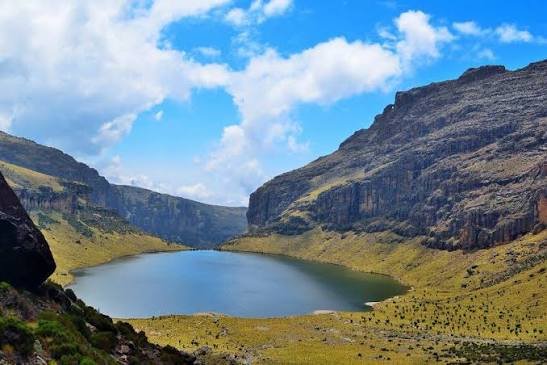
Mount Kenya is home to several stunning lakes, but here are the 5 major lakes that you will come across as you explore Mount Kenya.
- Lake Alice
- Lake Michaelson
- Lake Ellis
- Lake Rutundu
- Lake Hohnel
What Happens During a Typical Mount Kenya Climb
A typical Mount Kenya climb is more than just making it to the summit.
It is a multi-day journey through dense mountain forests, bamboo zones, open moorlands, rocky valleys, and high-altitude terrain, with each day bringing a different challenge.
Most trekkers spend 4 to 5 days climbing Mount Kenya, usually aiming for Point Lenana, which stands at approximately 4,985 metres above sea level. However, the exact experience depends on your route, weather, fitness, and how much time you allow for acclimatisation.
Your adventure often begins with a drive from Nairobi to Nanyuki and directly to the park gate, depending on your itinerary. After meeting your mountain guide and support team, you begin hiking through the forest, bamboo vegetation and heathland. The first day’s climb is usually an opportunity to settle into the rhythm of the climb. Depending on your route, you may spend the night at the Old Moses Camp on the Sirimon Route or another designated camp.
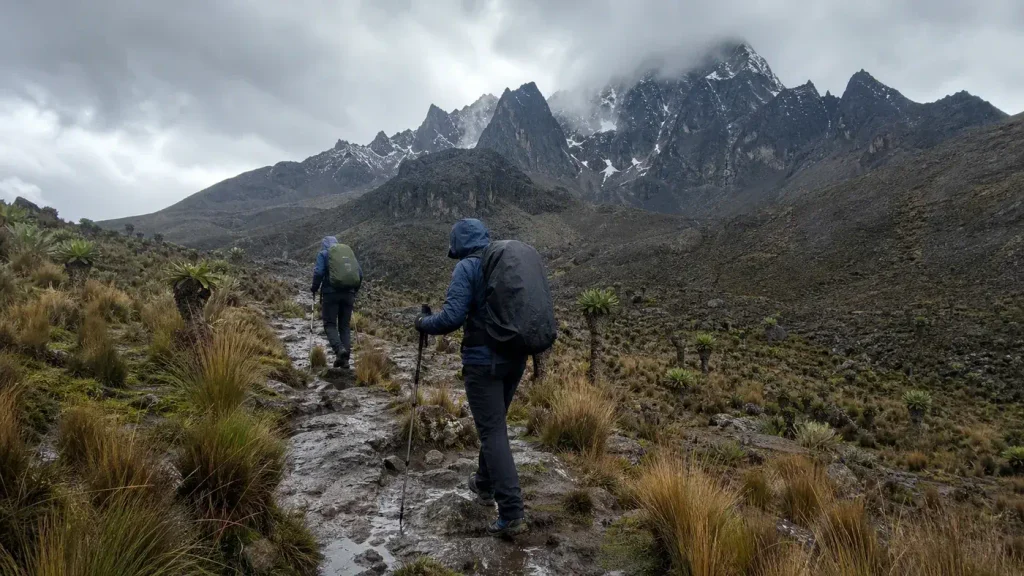
As you climb higher, the dense forest gradually gives way to the open moorlands, giant groundsels, lobelias, and wide alpine valleys. The views become more dramatic with rocky peaks rising above the surrounding landscape. This is also when you may begin to notice the effects of altitude; climbing can feel harder, and you may need to slow down even if you are physically fit.
On a 4 to 5 day climb, this stage may involve hiking to a higher camp, taking a short acclimatisation walk or resting before the summit attempt. You may also spend time admiring the rugged peaks of Batian and Nelion, checking your clothing and headlamp, organising your summit day essentials and eating an early dinner.
Acclimatisation is important because your body needs time to adjust to the reduced oxygen available at higher elevations. Therefore, a longer itinerary generally provides more opportunity to adapt than a rushed ascent.
What Happens During the Summit Day
Summit day is often the most demanding and memorable part of the climb. Guides commonly wake trekkers around 2 am to 3 am, but the exact start time depends on the route, camp, and weather.
Also, you are advised to put on warm layers, switch on your headlamp, and begin the final ascent in darkness. The trail may involve steep rocky sections and slow deliberate steps.
The goal for many trekkers is to reach Point Lenana, the highest trekking summit on Mount Kenya. Reaching the top around sunrise can reward you with sweeping views across the mountain, surrounding valleys, and distant plains when the weather allows.
After taking photographs and celebrating the achievement, you will begin your journey back to the starting point through alpine vegetation, depending on the route. You will notice the air gradually becoming richer in oxygen as you lose altitude, although tired legs and steep or slippery sections can make the descent challenging.
If you choose to descend via the Chogoria Route, the journey may include spectacular valleys, mountain lakes, and dramatic cliffs. On other routes, you may retrace parts of your ascent before exiting.
How Many Days Does It Take to Climb Mount Kenya
Climbing Mount Kenya typically takes 3 to 5 days depending on your chosen route, fitness level, and acclimatisation needs. For most first-time hikers, 4 to 5 days is a good option because it allows more time to adjust to the altitude.
- 3 days – Best suited for experienced, well-acclimatised hikers with limited time.
- 4 days – A common choice for reaching Point Lenana with time to hike through different vegetation zones.
- 5 days – Ideal for first-time climbers who want a more gradual ascent, extra rest time to enjoy the mountain scenery.
Common Mistakes to Avoid When Climbing Mount Kenya
Climbing Mount Kenya can be an incredible experience, but poor preparation can turn an exciting adventure into a difficult and dangerous one.
If you are planning to climb Mount Kenya for the first time, here are the mistakes worth avoiding;
- One of the biggest mistakes most hikers make is trying to climb Mount Kenya in a few days. Note that a rushed ascent gives your body less time to adjust to the altitude.
- You do not have to be unfit to experience altitude sickness. Even experienced hikers can become unwell when ascending too quickly to elevations above 3,000 metres.
- Not preparing and training before the climb. Long hiking days can be physically demanding.
- Packing the wrong clothing. You need to bring warm insulating clothing, a waterproof outer layer, gloves, a warm hat, and suitable hiking trousers and extra socks.
- Not drinking enough water or eating properly.
- Walking too fast at the beginning.
- Choosing a route based only on price.
- Assuming Point Lenana is an easy summit.
- Leaving no room for recovery.
Therefore, give yourself enough time, respect the altitude, and be willing to turn back when necessary.
Where to Stay During the Climb
Where you sleep during a Mount Kenya climb depends on your chosen route, the number of days you have, and the type of experience you want.
Unlike a typical holiday where you book a hotel for every night, for Mount Kenya climbing you will stay in mountain huts, designated campsites, or mountain tents along the trekking route where you will rest, eat, recover, and prepare for the next day’s hike.
Below are some of the places you will stay;
- Mountain huts
- Old Moses Camp on Sirimon Route
- Shipton’s Camp on Sirimon Route
- Met Station on Naro Moru Route
- Mackinder’s Camp on Naro Moru Route
- Meru Mount Kenya Bandas
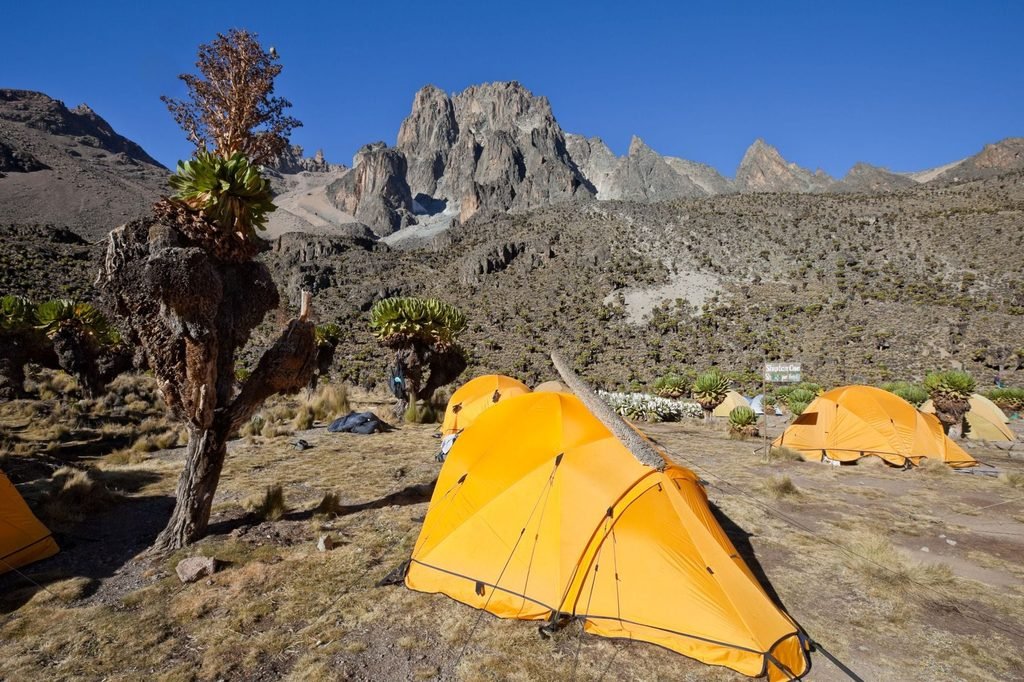
However, if you choose to spend a night before your climb, here are some of the places you can consider near Mount Kenya.
- Fair Mount Kenya Safari Club
- Naro Moru River Lodge
- Serena Mountain Lodge
Best Time to Climb Mount Kenya
January and February are among the most favourable months for climbing Mount Kenya when the trails are generally drier, skies are often clearer, and visibility is excellent.
These conditions can make the period attractive for first-time trekkers, photographers, and hikers hoping to enjoy the mountain’s landscapes without dealing with persistent rain.
How You Should Prepare for a Mount Kenya Climb
Climbing Mount Kenya is not a walk in the park. You need to prepare your body for several days of walking, choose the right equipment, and give yourself enough time to adjust. The good news is that you do not have to be a professional to trek Mount Kenya.
Here is how to prepare for your Mount Kenya adventure;
- Start physical training before the climb
- Prepare yourself for high altitude
- Choose the right climbing route
- Get the right clothing and climbing equipments
- Prepare mentally for challenges
- Book an experienced mountain guide and support team
- Get enough rest before the climb
What to Pack for Mount Kenya
Packing for a Mount Kenya climb requires careful planning because the mountain has several climatic zones, and conditions change as you gain altitude.
Whether you are climbing through the Sirimon, Chogoria, or Naro Moru Route, having the right equipment can make a significant difference to your comfort, safety, and overall experience.
Here is what you should include in your Mount Kenya packing list;
- Essential clothing for Mount Kenya
- Hiking boots and footwear
- Sleeping and camping equipment
- Toiletries
- First-aid kit and personal medication
- Sun Protection
- Personal accessories
- Travel documents
Mount Kenya Climbing Cost
The total cost of your Mount Kenya climb depends on your chosen route, number of climbing days, accommodation, group size, transport arrangement, and whether you book a guided package or organise the trek independently.
For most travelers, climbing Mount Kenya to Point Lenana on a guided expedition is the most convenient because it combines essential services such as mountain guides, meals, accommodation, and park fees.
Mount Kenya Climbing Safety Rules
Climbing Mount Kenya is an exciting experience, but reaching Point Lenana safely requires preparation, discipline, and respect for the mountain. The high altitude, cold temperatures, changing weather, and steep trails can make the trek challenging, even for experienced hikers.
Therefore, following these rules helps reduce risks and make the climb more manageable.
- Climb with a qualified mountain guide
- Allow enough time to acclimatise
- Never ignore serious altitude sickness symptoms
- Dress appropriately
- Stay hydrated and eat regularly
- Walk at a steady pace
- Carry essential safety equipments
- Respect wildlife and keep your distance
- Follow park rules and protect the environment
- Get suitable travel insurance
Combining Mount Kenya Climbing with a Safari
Most travelers visiting Kenya want to experience more than one side of the country.
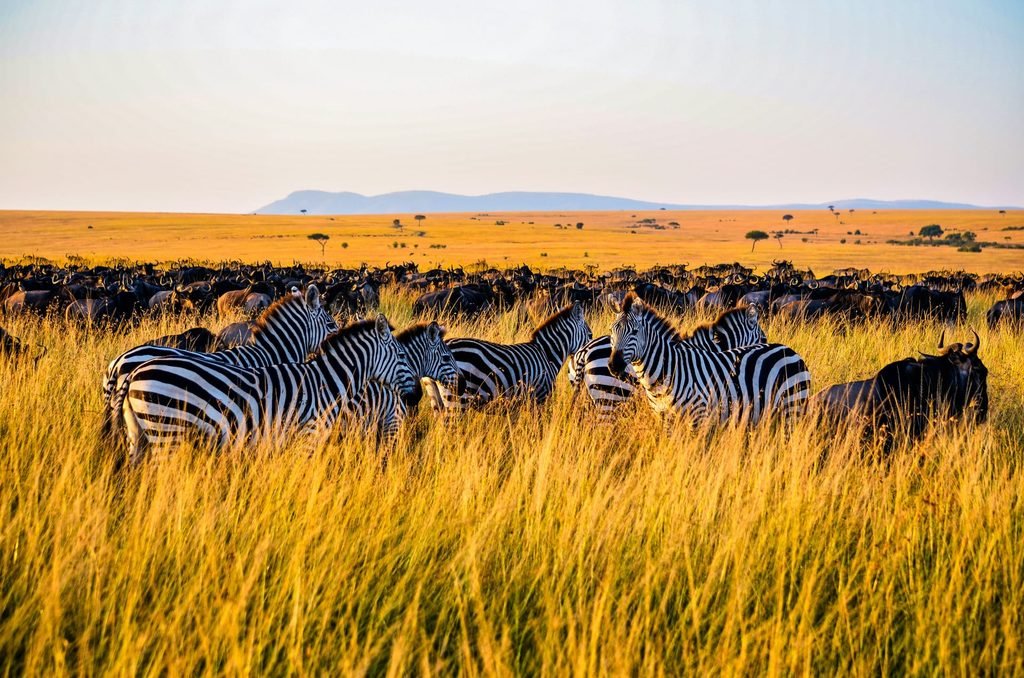
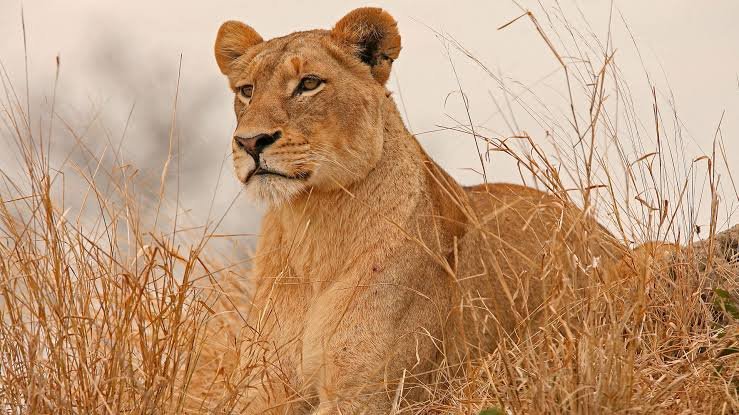
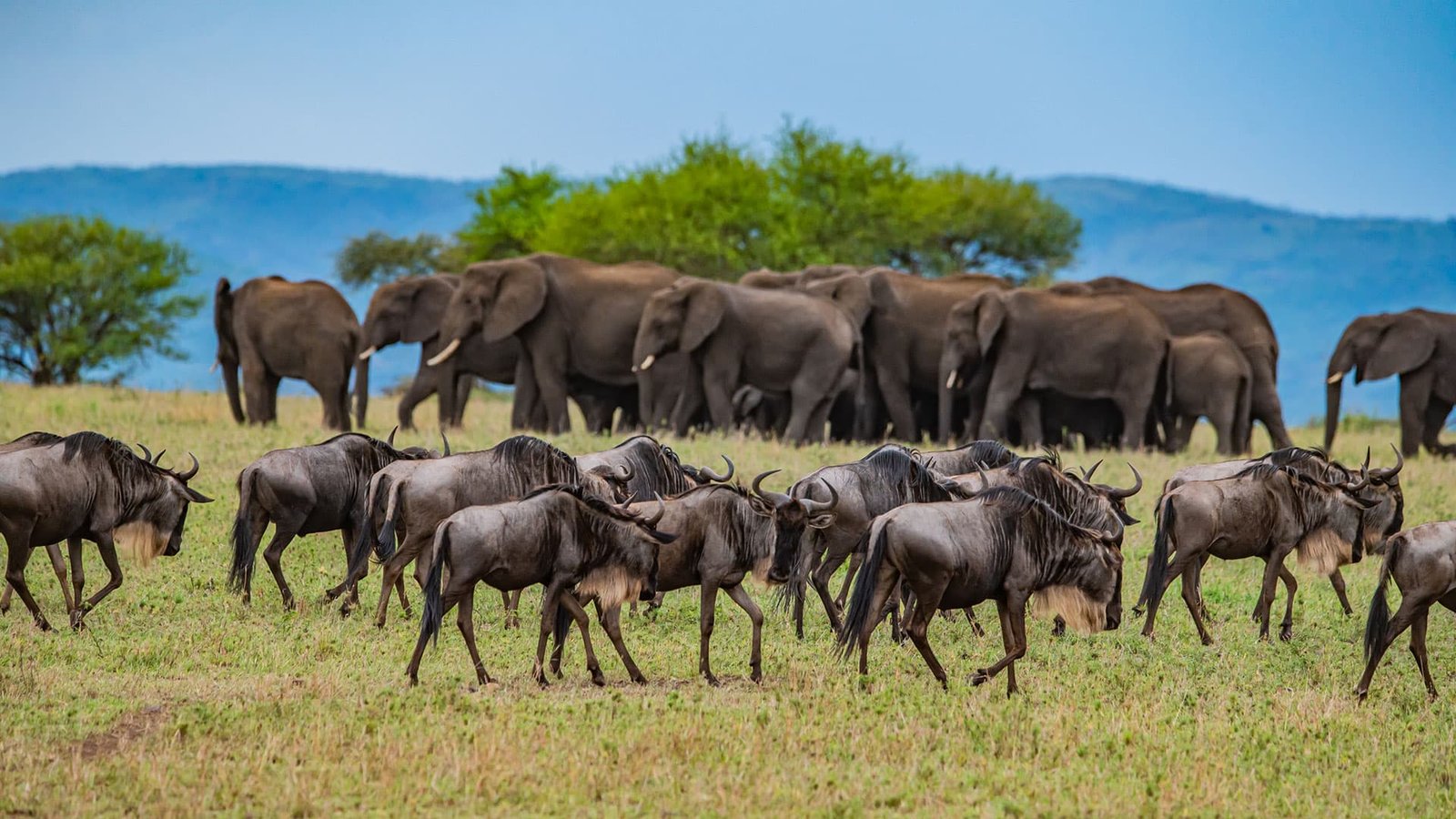
After spending several days climbing Mount Kenya, many choose to extend their holiday with a wildlife safari, giving them the chance to move from the mountain’s cold environment to Kenya’s warm savannah landscapes.
However, combining the two experiences requires thoughtful planning because climbing Mount Kenya can be physically demanding and you may need time to recover before beginning long game drives or travelling to another destination.
Why Plan Your Mount Kenya Climb With Ravina Tours and Travel
Climbing Mount Kenya and reaching Point Lenana is one thing, and having the right support throughout your journey is another.
At Ravina Tours and Travel, we help you plan your Mount Kenya climb adventure around your fitness level, experience, travel dates, and budget.
Final Thoughts
To wrap up, climbing Mount Kenya is an adventure that challenges you physically while rewarding you with some of the most beautiful landscapes in East Africa, from its unique vegetation zones to its mountain lakes, dramatic valleys, and changing landscapes.
Are you ready to take up the challenge and climb Mount Kenya? Contact Ravina Tours and Travel today, and we will help you plan your climb, choose the preferred route,e and organise the arrangements needed for a rewarding mountain adventure and an unforgettable Kenyan experience.