
Have you ever wondered which route offers the best experience when climbing Mount Kenya?
You may dream of reaching Point Lenana ( 4989m), watching the sunrise above the clouds, exploring beautiful mountain lakes, or just challenge yourself on a multi-day trek through some of Kenya’s most spectacular landscapes. Whatever your goal is, choosing the right Mount Kenya climbing route is one of the most important decisions to make before starting your adventure.
Did you know Mount Kenya is Africa’s second-highest mountain and one of the most rewarding destinations for mountain trekking?
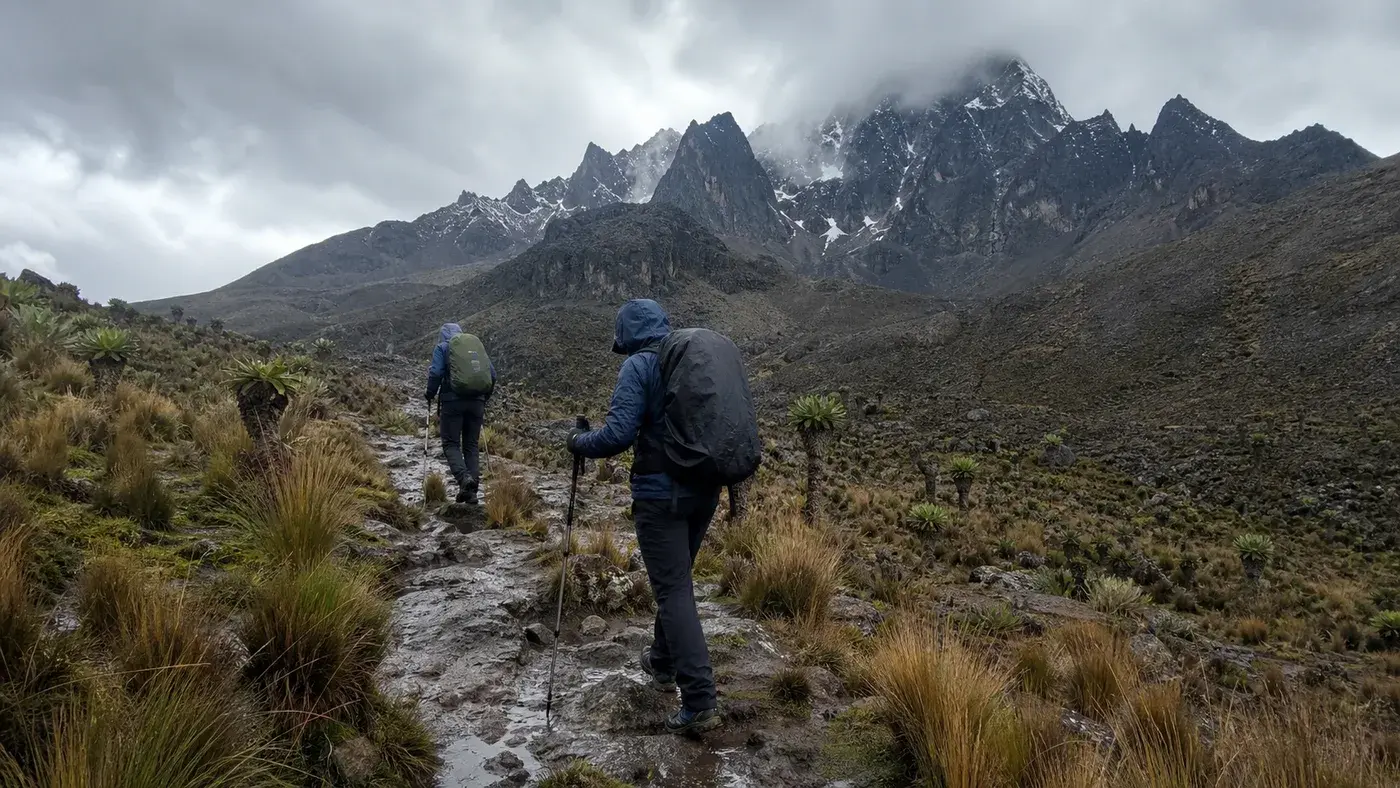
Located just south of the equator, the mountain features an incredible variety of landscapes, from dense montane forests, bamboo zones, open moorlands, glacial valleys, rocky peaks, and alpine lakes. Moreover, as you climb higher, you will note that the scenery changes, giving you a completely different experience at every stage of the journey.
However, not every Mount Kenya climber follows the same trail. Mount Kenya has several climbing approaches, each offering different scenery, terrain, challenges, and opportunities for acclimatisation.
The three most popular trekking routes are Sirimon, Chogoria, and Naro Moru, which we will discuss in detail in this guide. Beyond these popular options, there are lesser-used routes such as Burguret, Timau, Kamweti, Meru and Ithanguni, which attract climbers looking for a quieter and more remote experience.
How to Make the Right Mount Kenya Route Choice
So, how do you decide which route is right for you?
Your choice should depend on several factors, including your physical fitness, previous hiking experiences, available time, preferred scenery, and ability to acclimatise to high altitude. A shorter itinerary may appear convenient, but giving your body enough time to adjust to the altitude is essential.
For many first-time climbers, choosing a route with a more gradual ascent and allowing about 4 to 5 days or longer can make the experience more comfortable and manageable.
In this guide, Ravina Tours and Travel will help you explore the different Mount Kenya climbing routes in detail. You will also discover the most scenic approaches, route combinations, and practical preparation tips to help you plan your Mount Kenya adventure.
The Mount Kenya Climbing Routes
Mount Kenya has several approaches, but each offers a different experience. However, your choice determines the landscapes you explore, the camps where you spend your nights, the difficulty of the trek, and how much time you have to adjust to the altitude.
Let’s explore each route;
Sirimon Route
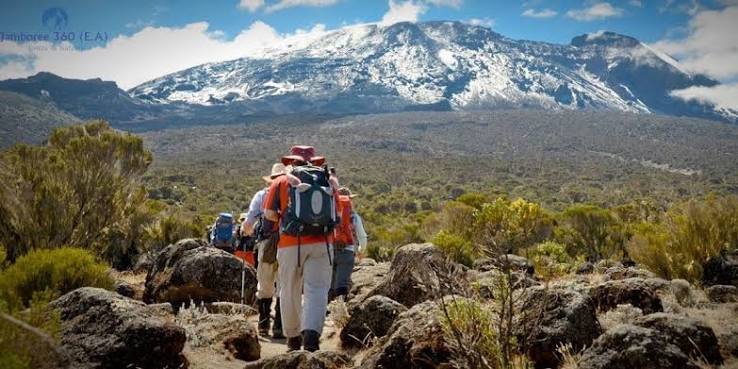
The Sirimon Route is one of the most popular ways to climb Mount Kenya, especially for hikers who want a gradual ascent, beautiful mountain scenery, and a better opportunity to adjust to the altitude. Therefore, approaching the mountain from the northwestern side, the route takes you through dense montane forest, open moorland, rocky alpine landscapes, and the impressive Mackinder’s Valley before reaching Point Lenana.
The Sirimon Route begins at Sirimon Gate, located on the northwestern side of Mount Kenya near Nanyuki. The gate is approximately 200 kilometres from Nairobi by road, accessed through the Nanyuki-Meru Road.
Most climbers travel from Nairobi to Nanyuki before proceeding to Sirimon Gate. Nanyuki is a very convenient stop where you can even meet your mountain crew.
On arrival, the route begins in the forest zone, where you follow a gradual uphill trail through indigenous trees and bamboo vegetation. As you gain elevation, the thick forest gives way to heathland and open moorland.
This route gives you a relatively gradual introduction to the mountain. However, the trail becomes more demanding as you approach Shipton’s Camp and the summit.
Note that the Sirimon Route generally takes four to six days depending on your itinerary, trekking pace, acclimatisation needs, and whether you plan to descend using the same route or another trail.
After approximately 3 to 5 hours of trekking, depending on your pace and starting point, you will spend your night at the Old Moses Camp ( 3400m), also known as Judmaier Camp or Shipton’s Camp (4200m).

Chogoria Route
The Chogoria Route is widely regarded as the most scenic route to use when climbing Mount Kenya, offering a spectacular combination of mountain lakes, deep valleys, dramatic cliffs, and unique alpine landscapes.
It is located on the eastern side of the mountain. The mountain begins near Chogoria town and approaches the summit through some of Mount Kenya’s most impressive natural scenery. Unlike the Sirimon Route, which is known for its gradual ascent through the dense forest and moorland, Chogoria is popularly known for its breathtaking views and dramatic terrain.
On arrival at the Chogoria Gate, you will begin your hike towards the lower mountain camps before continuing to Lake Ellis or higher camps such as Mintos Hut. From there, you will proceed towards the higher camps such as the Shipton’s Camp area or another high-altitude camp before attempting Point Lenana, which stands at approximately 4,985 meters.
The Chogoria Route takes about 5 to 6 days, although some longer itineraries allow extra time for acclimatisation and exploration of the lakes and valleys.
It is very important that you understand that the route’s scenic attraction comes with physical demands, long walking distances, significant elevation gain, uneven ground, and exposure to changing mountain weather.
Interestingly, most climbers combine it with the Sirimon Route, ascending through Sirimon’s relatively gradual northern slopes and descending through Chogoria’s spectacular eastern landscape. This traverse provides a chance to experience 2 distinctive sides of Mount Kenya in one expedition.
Naro Moru Route
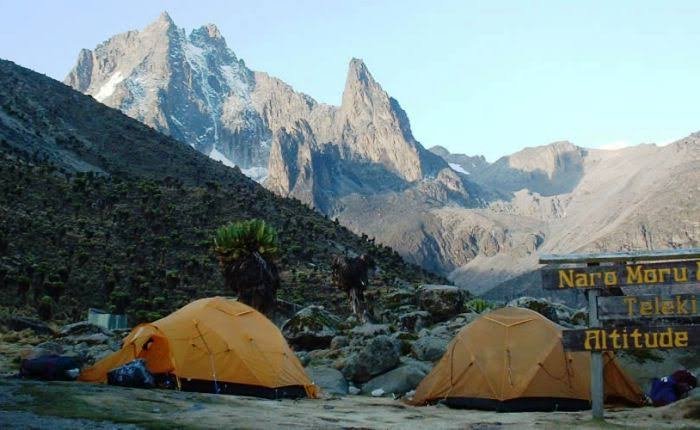
The Naro Moru Route is one of the most established and direct approaches to Point Lenana on Mount Kenya, making it a popular choice for hikers who want a relatively short ascent to the summit. It is located on the western side of the mountain, beginning at Naro Moru Gate, which can be accessed through Naro Moru town between Nyeri and Nanyuki.
According to the Kenya Wildlife Service ( KWS), Naro Moru Gate is approximately 188 km from Nairobi, making it one of the main-road access points to the park.
Geographically, the route follows the western slopes of Mount Kenya, an ancient extinct volcano that rises to 5,199 metres at Batian, the highest peak in the massif. Other prominent summits are Nelion at 5,188 metres and Point Lenana at 4,985 metres.
As you begin the Naro Moru Climb, the trail passes through the montane forest, where tall indigenous trees, thick vegetation, and bamboo create a relatively sheltered environment.
One of the most recognisable geographical features along this route is the vertical Bog, a steep, waterlogged stretch of high-altitude moorland that can become muddy after rainfall. If you may wonder what a vertical Bog is, it is a challenging uphill section where wet ground, tussock vegetation and uneven footing can make progress slow and tiring, especially during the rainy season.
If your main goal is to reach Point Lenana through a direct western approach, the Naro Moru Route is worth considering.
Burguret Route
The Burguret Route is one of the least travelled and most adventurous ways to climb Mount Kenya, offering an experience that is quite different from the 3 popular routes: Sirimon, Chogoria and Naro Moru.
Approaching the mountain from the western side near the Naro Moru side, the Burguret Route takes climbers through dense montane forest, thick bamboo vegetation, remote moorlands and rugged alpine terrain before connecting with the mountain’s higher trekking routes towards Point Lenana ( 4,985 metres).
However, the Kenya Wildlife Service classifies the Burguret Route as an unofficial climbing route, and it requires climbers to inform the park office in advance before using it. Also, climbers must be accompanied by qualified and certified guides.
One of the route’s distinctive landmarks is the Giant Bamboo Camp, situated at approximately 2,600 metres, where climbers commonly spend their first night after trekking through the lowest forest. The next major highlight is the Highland Castle, a striking collection of rocky formations at approximately 3,700 metres, surrounded by an increasingly open alpine landscape.
This route requires 5 to 6 days, although the exact duration depends on the chosen approach, acclimatisation schedule, summit plan, and descent route.
Therefore, if you are looking for a remote approach that allows you to experience Mount Kenya away from its busier trekking trails, Burguret offers a memorable challenge.
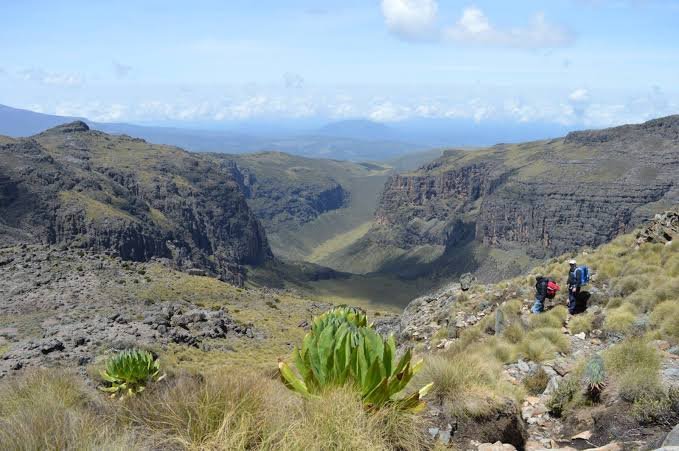
Timau Route
The Timau Route is one of the least-used approaches to climbing Mount Kenya, offering a quieter and more remote experience on the mountain’s northern side.
This route begins near Timau Town along the Nanyuki- Meru road, following the mountain’s gentler northern slopes before climbing towards the high-altitude terrain surrounding the main peaks. Moreover, the northern slopes generally receive less rainfall than the wetter eastern and south-eastern slopes, resulting in a drier environment with a narrower forest belt and more extensive open moorland. This gives the Timau Route a noticeably different appearance from routes that begin in dense montane forest.
In addition, this route is best for experienced trekkers who are interested in exploring a quieter part of Mount Kenya and are prepared for remote terrain.
However, because it is not a standard trekking route, advanced planning from KWS is essential before including it in your Mount Kenya climbing itinerary.
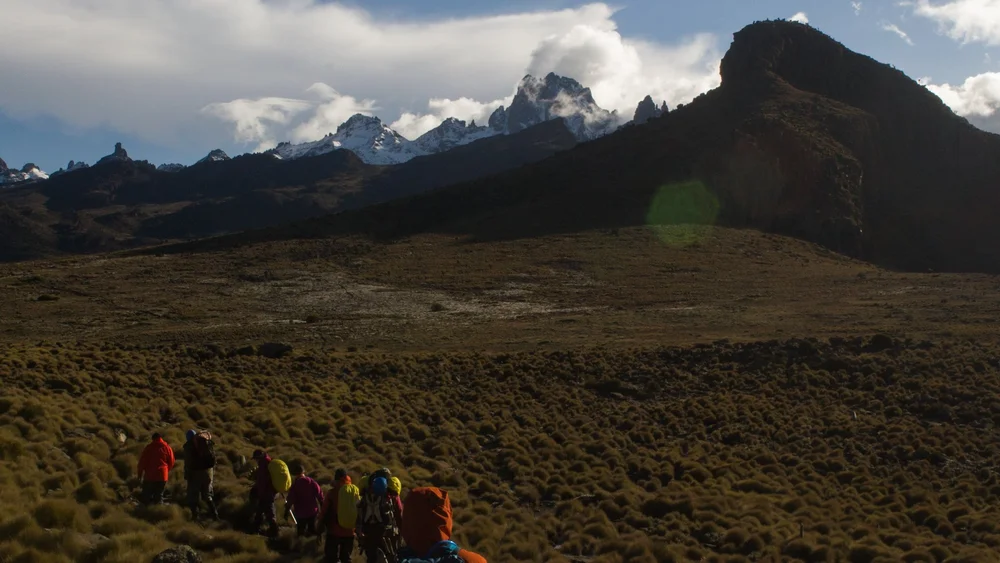
Kamweti Route
The Kamweti Route offers a different experience from the popular routes, approaching the mountain from the southern slopes in Kirinyanga County.
This remote route takes hikers through the dense indigenous forest, bamboo vegetation, and giant heather and open moorland before connecting with the higher mountain trails leading towards Point Lenana. In addition, this route is known for its quiet wilderness, challenging navigation, and limited hiking infrastructure, making it more suitable for experienced climbers seeking a less-travelled approach to Africa’s second-highest mountain.
Interestingly, the route is closely associated with Castle Forest Lodge, which provides a useful access point on the southern side of Kenya. From the Castle Forest Area, the approach continues towards the Old Kamweti Forest Station at approximately 2,600 metres above sea level. Other landmarks along this route include Castle Banda, the Sagana River, the Thego River, and Lake Hohnel along the wider route corridor. This shows that the Kamweti Route can connect with different parts of Mount Kenya’s upper trail network, but the exact line followed depends on the expedition plan and current access conditions.
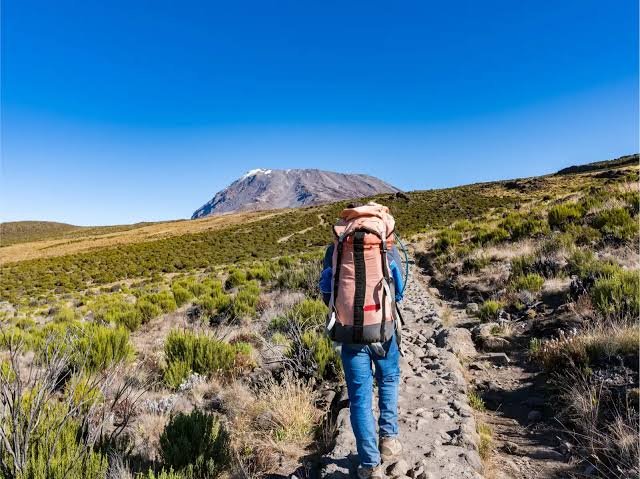
Meru Route
Meru Route is also a lesser-known approach to Mount Kenya that explores the mountain’s southern slopes from the Meru side.
The route offers a different kind of mountain climbing experience, taking climbers through river valleys, forest vegetation, and open alpine moorland.
However, there is an important distinction worth understanding before planning to use this route. The route does not provide a direct hiking approach to Point Lenana, Batian, or Nelion. Instead, it leads towards the high moorland around Lake Rotundu.
Trekking begins around Katheri, south of Meru Town, and follows the Kathita Munyi River as you climb the upper slopes of Mount Kenya. The river valley provides the geographical backbone of the route, guiding trekkers from lower agricultural and forested landscapes towards the mountain’s higher ecological zones.
As the elevation increases, the surroundings gradually change. The lower slopes feature upland forest, while the higher sections transition into bamboo vegetation, heathland, and open moorland. This change reflects Mount Kenya’s distinct vegetation zones, which are shaped largely by altitude, temperature, and rainfall.
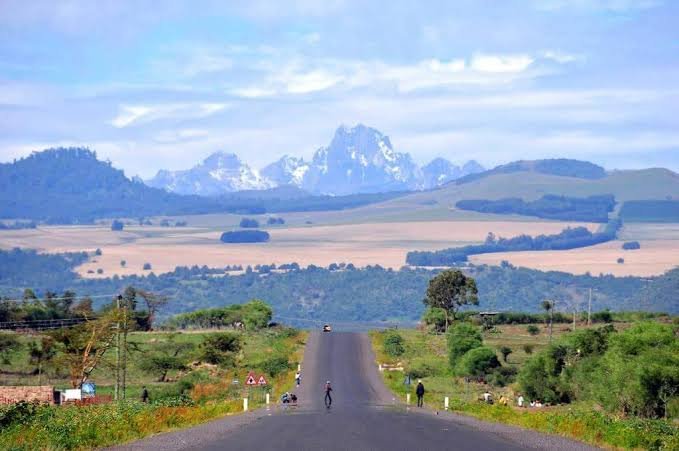
Ithanguni Route
Lastly, Ithanguni Route is also one of the less busy trails on Mount Kenya, offering trekkers an opportunity to explore the mountain’s eastern side through some of its less-visited highland landscapes.
Ithanguni is a remote trail with limited infrastructure and more demanding navigation. It is one of the best choices for experienced trekkers who want to explore the eastern mountain terrain, including the striking Ithanguni area and the nearby Giant’s Billiards Table, an expansive high-altitude plateau that offers a very different experience from the steep valleys and forest trails found elsewhere on the mountain.
The route takes its name from Ithanguni, a prominent mountain feature on the eastern side of Mount Kenya. The area is known for its open scenery, rocky terrain, and broad views across the surrounding landscape.
One important geographical point is that the Ithanguni area is not the same as the main summit Circuit. It is a separate, less-used approach, and it is not automatically presented as a direct or straightforward trail to Point Lenana.
Note that the route is less developed than the three main Mount Kenya routes, so hikers should expect fewer established facilities and should be prepared for a camping experience.

Final Thoughts
To wrap up, climbing Mount Kenya is more than just reaching Point Lenana or standing above the clouds. It is about experiencing how dramatically the mountain changes as you gain altitude from dense indigenous forests and bamboo zones to open moorlands, glacial valleys, rocky ridges, and alpine lakes. Each route offers a different experience and perspective of Mount Kenya, and choosing the right one can make a huge difference to your overall trekking experience.