
Planning an African safari is one of the most exciting adventures in the world. Travelers dream about seeing lions, elephants, giraffes, and wildebeest running across wide open plains. But one of the most common questions people ask is: how much does it cost to enjoy a 7-day African safari? The answer depends on where you go, how you travel, and the level of comfort you choose. Let’s look at the details to help you plan your dream trip.
How much is the all-inclusive African safari with airfare?
When people ask about the cost of an all-inclusive safari with airfare, they want to know the total price from the moment they leave home until the moment they return. This includes flights, hotels or lodges, meals, park fees, game drives, and guides. The price can range widely depending on where you fly from and which country in Africa you choose.
For example, if you are traveling from the United States or Europe to East Africa, international flights alone may cost between $800 and $1,800 depending on the season and airline. Once you arrive, the safari packages usually cover everything from meals to transportation inside the parks. A mid-range all-inclusive safari in countries like Kenya or Tanzania can cost between $3,000 and $5,500 per person for 7 days. Luxury safaris, which include high-end lodges, private guides, and sometimes charter flights, can reach $8,000 to $15,000 per person. The good news is that there are also budget-friendly safaris starting from about $2,000 if you choose group camping trips with simple meals and tents. So the total cost of an all-inclusive 7-day safari with airfare can be anywhere between $3,500 and $12,000 depending on the style you prefer.
Is an African safari worth it?
Many travelers worry about spending so much money on a safari. The simple answer is yes, it is worth it. An African safari is not just a holiday; it is a life-changing experience. Imagine waking up in the morning to the sound of birds and roaring lions. You drive into the park and watch elephants cross the road in front of you. At sunset, you sit by a fire in the wilderness as giraffes walk by in the distance. These are memories you cannot put a price on.
A safari gives you a chance to connect with nature in its purest form. Unlike a zoo, animals are free and wild. You also get to meet local guides and communities who share their stories and traditions with you. Beyond wildlife, safaris support conservation and local jobs. When you pay park fees and stay in lodges, part of your money goes to protecting animals and helping nearby villages. That means your trip has a positive impact too. For these reasons, most travelers say an African safari is one of the best investments they have ever made in travel.
Is 7 days safari too much?
Some people wonder if 7 days is too long for a safari. The truth is that 7 days is the perfect balance for most travelers. A shorter safari of 2 to 4 days can feel rushed, especially if you want to visit more than one park. On the other hand, a safari longer than 10 days may feel tiring for some, especially if you are not used to early mornings and long drives.
In 7 days, you can explore at least two or three famous parks. For example, in Tanzania, you might visit Serengeti National Park, Ngorongoro Crater, and Tarangire National Park. In Kenya, a 7-day safari could include Maasai Mara, Amboseli, and Lake Naivasha. Each park offers different landscapes and wildlife, so your trip feels varied and exciting. You also get enough time to relax at the lodge and enjoy the scenery. For most travelers, 7 days feels just right—long enough to enjoy everything without being too much.
How many days should you do on an African safari?
The number of days you should spend on safari depends on your travel goals. If you only want a short taste of the experience, 3 to 5 days may be enough. This works well if you are combining a safari with another destination, such as climbing Mount Kilimanjaro or visiting Zanzibar. However, if your dream is to see the famous Great Migration in Serengeti or Maasai Mara, or if you want to visit multiple parks, then 7 to 10 days is better.
Many experts recommend at least 7 days because it allows you to see different habitats and increases your chances of spotting the “Big Five”—lion, leopard, elephant, buffalo, and rhino. Weather and animal behavior can change daily, so spending more days gives you more opportunities. Remember that safaris are not like amusement parks where everything happens on schedule. Nature has its own timing, and patience often rewards travelers with magical moments.
Which safari is best in Africa?
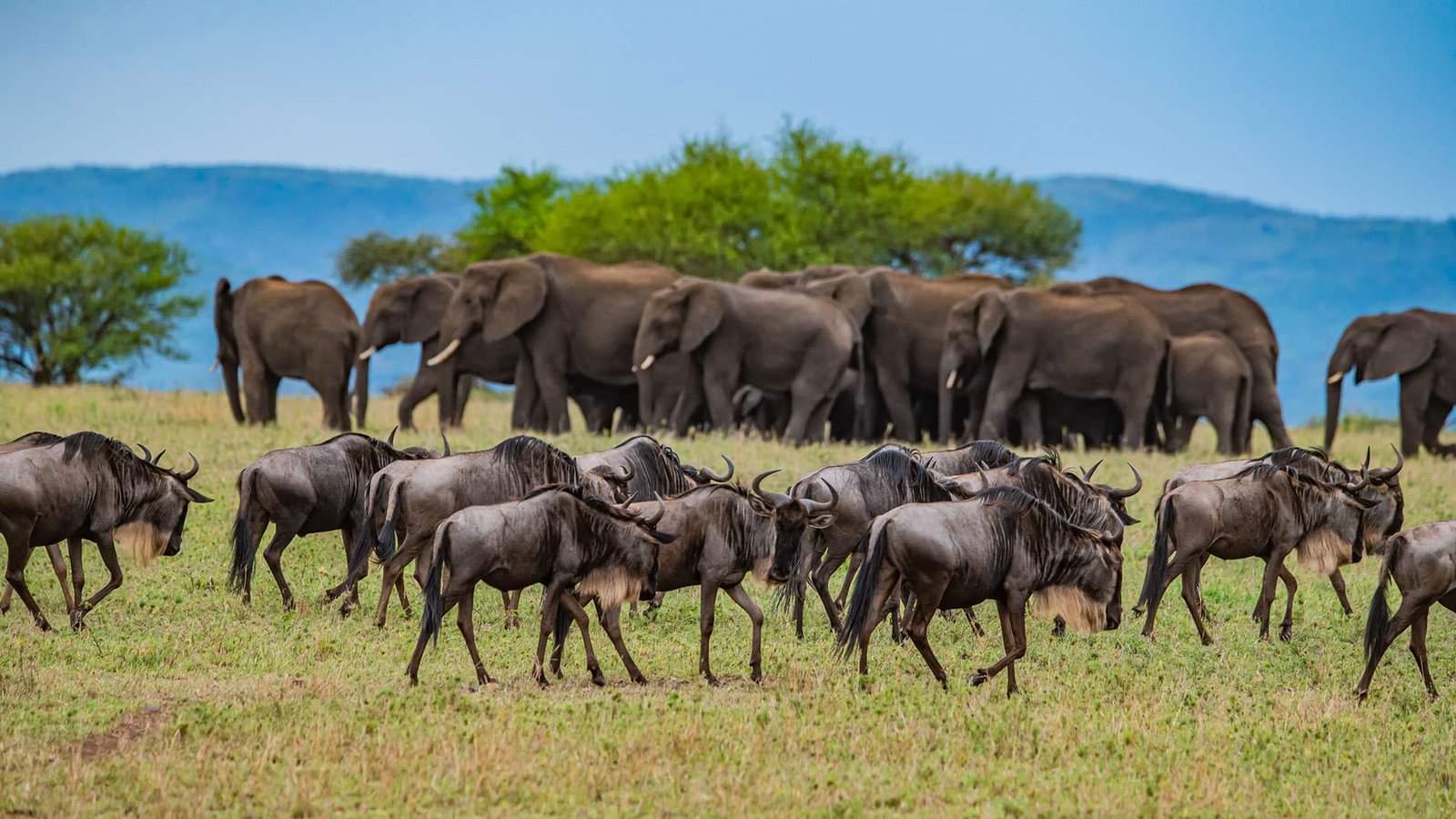
Africa is a vast continent with many safari destinations, each with its own highlights. Some of the most famous safaris are found in East Africa and Southern Africa. In East Africa, Kenya’s Maasai Mara and Tanzania’s Serengeti are world-famous for the Great Migration, when millions of wildebeest and zebras cross the plains. Ngorongoro Crater in Tanzania is another special place where you can see an incredible concentration of animals in one area. Amboseli in Kenya is known for large herds of elephants with Mount Kilimanjaro in the background.
In Southern Africa, South Africa’s Kruger National Park is popular for its accessibility and wide variety of wildlife. Botswana’s Okavango Delta offers unique boat safaris where you can watch animals from the water. Namibia’s Etosha National Park has striking desert landscapes with rare animals like oryx and desert lions. Each safari destination has its own magic, but if you are looking for the classic African safari experience with wide open plains and big herds, Tanzania and Kenya are often considered the best.
Which African safari is best for money?
Not all safaris cost the same, and some countries offer better value than others. Kenya and Tanzania are known for having a wide range of safari options, from budget camping trips to luxury lodges. This means you can find something that suits your budget. South Africa is also a good choice for value because it has many self-drive safaris in Kruger National Park. Travelers can rent a car, pay park entry fees, and stay in affordable lodges or camps inside the park, which lowers the cost.
On the other hand, Botswana and Rwanda are more expensive because they focus on luxury tourism and limit the number of visitors to protect the environment. Uganda offers a unique experience with gorilla trekking, which is more expensive but worth it for the rare encounter. So the best safari for money depends on what you want. If you want the lowest prices, Kenya and South Africa are good choices. If you want the best balance of cost and experience, Tanzania often wins because it offers both high-quality wildlife viewing and a range of prices.
How much does Tanzania safari cost?
Tanzania is one of the most popular safari destinations in the world. The cost of a safari here depends on the type of trip you choose. A budget safari with camping and shared vehicles may cost between $200 and $300 per person per day. This means a 7-day budget safari could be around $1,400 to $2,100. A mid-range safari with comfortable lodges and professional guides usually costs between $350 and $600 per person per day, which makes a 7-day trip about $2,500 to $4,200. Luxury safaris, which include high-end lodges, private guides, and sometimes small plane flights between parks, can cost $700 to $1,500 per person per day. That means a 7-day luxury safari could be anywhere from $5,000 to $10,500.
These prices usually include meals, park fees, guides, and accommodation. Extra costs may include tips, drinks, and optional activities like hot air balloon rides. Overall, Tanzania offers some of the best safari experiences in Africa, and many travelers find the price worth every penny.
How Much Does 7 Days Kenya Safari Cost?
Kenya is among the top destinations in Africa, one of the main attractions that only happens in this country is the iconic river crossing of the Great Migration that happens at the border of Kenya and Tanzania along Mara River. The uniqueness of what Kenya offers is so amazing that if you are in doubt of whether you want to visit the country or not, you are clearly missing out on a lot. To book this iconic trip email us at info@ravinatoursandtravels.com.
Is Kenya Safe?
When visiting and exploring any country, common sense is key, despite you knowing that the destination is safe. Kenya thrives in offering top security to its tourists. Every park you visit you are guaranteed maximum security with guided tours and professional tour guides. Places like the cities especially in Nairobi, Kisumu or Mombasa you have to be careful. Don’t walk in the streets alone or in the dark to avoid petty theft crimes or violence against you. If you follow basic rules provided to you, you will definitely have a trouble free experience back to your home country and in safe hands.
Best Time To Travel To Kenya
The experience you are looking forward to have, highly answers this question, however, Kenya is a year-round travel destination with great weather to enjoy most activities. For example the dry season runs from late June to October and January to February. This period is ideal for wildlife game drives and viewing and a perfect time to relax in the coastal regions. This dry season is considered a peak season and you end up paying for higher rates so it is best to book early in advance when the rates are favourable with Ravina Tours and Travels. In the month of April and May this months are considered wet months with a cold weather, they are favourable for any traveller looking forward to enjoy privacy with less people in the park and the rates are also quite low in this period.
How to Pack for your Kenya Safari Tours
Kenya has very favourable weather conditions, however, early mornings and late afternoon the time tends to be a bit cold. I recommend packing heavy jackets for morning game drives, comfortable shoes and neutral coloured clothes for your safari to blend easily with the environment. Other necessary essential that will come in hand in any safari that you should involve in your packing include mosquito and bug repellant, any medication you have, a pair of binoculars, a telephoto zoom camera, they will give you good optics when the safari jeep is far from the animals.
Self Drive or Guiden Tours, Which is Better?
Guided tours are very flexible and highly recommended despite self – drive option being more popular. On self drive option the biggest con is that you might not know where the animals are located which will make you miss on a lot of game viewing, where as with a professional skilled tour guide from Ravina Tour and Travels, he or she will ensure your safety and will take you directly to where the animals are found. It is always necessary to have an experienced tour guide with you if you choose the self – drive option.
How To Choose the Best Tour Operator
Ravina Tours is a local tour company in Kenya that provides an enjoyable safari. I have used them for my safari expeditions not only in Kenya but also for my vacations in Zanzibar, Tanzania and Rwanda. What I like about them is they are different from other tour operators in Kenya. The customise your itinerary depending on your budget, comfort and interests with no hidden costs or scams. You can’t go wrong by choosing Ravina Tours.
How Much Should I Spend in Kenya?
To get the most of experience out of Kenya a week is ideal. You will spend some of the days around national parks like Amboseli, Masai Mara, Tsavo East and the rest of the days you will refresh yourself in the Kenyan coastline along beaches of Malindi, Watamu and Diani. If you spend few days from around 4 to 6 days most of your time will be spent visiting national park for game drives but you might not have enough time to relax in the white sandy beaches.
Tipping and Negotiation Tips
It is good to know that tipping in Kenya is never mandatory, you only do so depending on whether you want to or not, but after receiving great service, tipping is normally considered as a good travel etiquette. When it comes to negotiating for prices when you are shopping in the local markets, bargaining is your biggest friend. Sometimes locals take advantage of tourists and offer higher prices for items that should be priced low. Bargain but approach this with respect, if you don’t know how to bargain, you can go shopping with a local guide who will do so for you.
Your Perfect 1 Week Kenya Safari Itinerary & Costs
Day 0: Arrival
You will touch down in Nairobi, Kenya’s capital city and our representative from Ravina Tours will greet and welcome you to the country. If you have time after you land in Kenya, instead of heading straight to your place of stay you can decide to pass along Karen Blixen Museum and Giraffe Center to see the endangered Rothschild giraffe, the for lunch you can head over to Carnivore Restuarant.
Day 1:Nairobi To Masai Mara National Reserve
Your day will begin early in the morning after breakfast. You will spend around 5 to 6 hours on the road as you head to the world famous Masai Mara National Reserve. Once you arrive at the reserve, you will first check in at the place of accommodation, have lunch and start your game drive. In this reserve you will spot the Big Five which are lions, buffalos, rhinos, leopards and elephants. You will also spot zebras, giraffes and the pride of Masai Mara the wildebeest. Late in the afternoon, you will be taken back to your lodge for refreshment, a hot shower, dinner and an overnight stay.
Day 2:Full Day Masai Mara National Reserve
On this day you will explore Masai Mara from from morning till when the sun sets down, If you visit between July and September, you will enjoy a breathtaking awesome view of the Great Migration and see thousands of wildebeest crossing the dangerous Mara River to Serengeti National Park in Tanzania. Apart from game drive you will also stop at the Hippo Bar at Muthu Keerok Lodge for a drink and lunch. You can have an optional visit to Masai village and communities but for an extra $10. This cultural visit will make your full day in Masai Mara more intimate and you can also participate in their dances and cultural practices. Late in the afternoon, you will head back to your lodge for dinner and overnight stay.
Day 3:Maasai Mara to Lake Nakuru National park
This drive takes 5 to 6 hours with a stop at Lake Naivasha where you will have a boat ride as you head to Lake Nakuru. This boat ride take you to Crescent Island and you can observe large hippos and various bird species. The boat ride is not on your package and you will need to pay $20 per person, however, it is optional. Some itineraries are different, but allow yourself to not just visit Lake Nakuru but also explore Hell’s Gate National Parkland Olkaria Hot Springs.
Day 4:Lake Nakuru to Amboseli National Park
You will check out of your lodge and start your early morning game drive to Amboseli National Park after breakfast. This drive to Amboseli takes about 7 to 8 hours with a stop for lunch along the way. In Amboseli you will be blessed with views of Mount Kilimanjaro, the tallest mountain in Africa. Amboseli is famous for large herds of elephants, birdlife, and wildlife such as lions, cheetahs, giraffes, zebras and a unique eco-system such as the Ol Tukai and Enkongo Narok swamps which you will see. Later in the afternoon, you will be driven back to your lodge in a luxury 4×4 Ravina Tours jeep for a hot shower, dinner and overnight stay.
Day 5:Full Day in Amboseli
This day will fully be dedicated to enjoy and explore Amboseli National Park. You will start early in the morning to catch clear views of Kilimanjaro, have breakfast and start your game drive. This park is an excellent destination to view lions, cheetahs, huge elephants, hyenas and great amount of wildlife. If you are a lover of cocktails, you will stop at Ol Tukai Lodge located amidst the national park and enjoy your favourite drink enrich your full day in Amboseli . As the day comes to an end, you will have the opportunity to immerse yourself in the Masai village and communities as you end your day back to your lodge for dinner and overnight stay.
Accommodation: Ol Tukai Lodge
Day 6:Amboseli to Nairobi,Train to Mombasa
After breakfast you will check out of your hotel and start your journey to Nairobi that takes a maximum of 4 hours. Once you arrive in Nairobi, you will board the Madaraka Express train and head to Mombasa. You will pass through Tsavo National Park and see elephants, giraffes and other wildlife just to name a few. If you want to save on time, you can catch a flight instead directly to Mombasa and land in Ukunda Airport. You will arrive in Mombasa late in the afternoon and tired. You can stay at Sentrim Castle Royal Hotel for dinner and overnight stay.
Accommodation: Sentrim Castle Royal Hotel
Day 7:Relax at Diani Beach
After the thrill of safari adventures, your time at Diani Beach is slowed down. You feel at ease and enjoy the warm climate in the coastal region. You will spend your days swimming, sun basking, snorkelling, diving, kitesurfing and paddle boarding while in Diani. You can opt to stay at Gale Beach, it is quiet, laid back and offers privacy. Other activities I suggest you try is getting a beach massage that costs less than $10, visit the souvenir markets for shopping locally crafted jewels, carvings and fabrics, spending time at the Nomad Beach Bar & Restuarant for fresh seafood and sundowners. At the end of the day you will head back to your hotel for dinner and overnight stay.
Accommodation: Diani Sea Lodge
Day 8:Day Trip to Chale Island
Chale Island is located off the coast of Diani and is surrounded by beautiful coral reefs and mangroves. On this day you will have the time to enjoy and explore this gem of a paradise. Chale Island might be on the higher end especially in price but it is totally worth it. This place is the best if you want to fully unwind, sun bathe while still getting the best views of the Coast. You may enjoy touring in Kisite-Mpunguti Marine National Park or take a boat ride excursion from Diani Beach and have the chance to spot dolphins in their environment. Additionally you can swim in the crystal clear waters, snorkel and dive in the coral reefs. Later in the evening you will head back to your lodge for dinner and overnight stay.
Day 9:Tranfer to Nairobi
This day marks the end of your adventure. You will check out off your lodge and make your way back to Nairobi. If you want to use air you can do so by taking a short domestic flight from Ukunda Airport or travel by train, options are available to choose from on what suits you best. You will be driven to Jomo Kenyatta International Airport by our guide from Ravina tours to catch your flight back home. This is how your ultimate 1 – week Kenya itinerary: from Savannah to Swahili Coast will look like. To book with Ravina, email us at info@ravinatoursandtravels.com or call us on our WhatsApp line at +254 722103340.
What types of Accommodations can i expect in 1 Week Kenya Safari Tours?
Kenya offers a diversity of accommodation options for travellers of every kind, more than just a bed.The accommodation options are divided into 3 categories;
Luxury
This category of accommodation consists of high-end hotels offering 5-star vibes. These are mainly found in Nairobi city, high-end conservancies like the Mara, such as Angama Mara, JW Marriot, the Royal Mara Safari lodge and the Kenyan Coast, such as Sarova Whitesands, Serena Beach Resort and Spa, etc., with beautiful views of their surroundings, either the savannahs or the beach, and they are usually very expensive but with high-class hospitality services. You also get to enjoy amenities such as swimming pools, private balconies, spa treatments, fitness centres, dining areas and lounges.
Mid-range
On the other hand, the mid-range category of accommodation consists of middle-level hotels, safari lodges, tented camps or villas with all amenities such as swimming pools, gym, on-site restaurants, at a moderate and reasonable price compared to the luxury category.
Budget-friendly
The budget-friendly category is the cheapest, consisting of guest houses, apartments, and Airbnb, offering basic amenities only, such as a bed, bathroom, a basic TV and Wi-Fi, eliminating extra amenities for you to enjoy during your trip. This category is usually available for travellers on a budget.Depending on your budget and travel preferences, there’s always an option for you with the help of your tour consultant, who will guide you to the best one that suits you and even book and reserve it for you.
Kenya boasts of some of the best safari lodges in Africa, including luxurious tented camps and environmentally friendly lodges in world-renowned wildlife reserves and conservancies such as the Masai Mara, Amboseli, Tsavo, Samburu, and Lewa Conservancy, among others. The right selection of the lodge can significantly improve the Kenya safari tours, as the lodges are equipped with comfort, access to wildlife, and other exotic landscapes.
The Giraffe Manor, which is a few minutes outside Nairobi, is one of the most famous safari lodges in the country, where guests can have breakfast with giraffes peeking in the windows. Another standout safari lodge is the Cottar’s 1920 Safari Camp in the Masai Mara, which is known for its vintage style, exceptional guiding, and proximity to the Great Migration path. In addition, Sirikoi Lodge in Lewa Wildlife Conservancy is a luxury hotel frequented by luxury travellers owing to its reputation for combining conservation efforts with high-end safari experiences or services.
For tourists looking to visit Tsavo National Park, Kiliguni Serena Safari Lodge provides amazing scenery of Mount Kilimanjaro and constant sightings of elephants in adjacent waterholes. Meanwhile, private conservancies such as Laikipia host exclusive properties such as Lengishu Lodge, where guests can enjoy privacy, conservation tours, and big drives for a chance to spot abundant wildlife.
Other safari lodges that also stand out in Kenya include Angama Mara (Masai Mara), Mara Plains Camp (Olare Motorogi Conservancy), Mahali Mzuri (Olare Motorogi Conservancy), Elewana Loisaba Tented Camp (Laikipia), Salt Lick Safari Lodge (Taita Hills), Elephant Pepper Camp (Mara North Conservancy), and Elsa’s Kopje (Meru National Park), among others.
The safari lodges are unique not only due to their luxury facilities but also due to their proximity to areas with abundant wildlife. Most safari lodges are well-positioned close to rivers, water holes, or migration paths, where animals congregate during the day. This enables travellers on Kenyan safari tours to spot wildlife even from private terraces or lodge dining areas.
For travellers planning Kenya safari holidays, selecting a lodge in the appropriate ecosystem is equally important as the level of luxury. Lodges in well-known game reserves such as the Masai Mara, Amboseli, Tsavo, Samburu, and Lewa Conservancy, among others, offer excellent game viewing opportunities and breathtaking views.
Ultimately, the ideal safari lodge or camp is based on the travel style, budget, and preferred wildlife experiences. Both luxury and mid-range Kenya safari tours offer spectacular accommodation that allows travellers to be in touch with nature without sacrificing comfort and authenticity. To stay in one of these stand-out safari lodges in Kenya, contact Tours at 0722103340.
Cost of 1 Week Kenya Safari- From $1,500$ per person Sharing.
One Week Kenya & Tanzania Safari Combined(Short & Sweet)
Day 1 : Nairobi to Masai Mara National Reserve
Your tour guide will pick you up from your hotel at 7:30 am. You will then receive a briefing session with Ravina Tours guide then drive along the floor of the Rift Valley to Masaai Mara game reserve arrive in your camp on time for lunch You will then proceed to have a game drive followed by dinner and overnight stay at Enkorok Mara Camp.
Day 2 : Masai Mara National Reserve
You will spend the day exploring Masaai Mara seeing its abundant large mammals and diverse bird life. Leopards and Cheetahs are also a prominent feature of the Masai Mara which are more straightforward to find. You will also watch thousands of wildebeest and zebra cross to Tanzania to feed on the lush Mara grasslands depending on the season you travel. The Mara River is infested with gigantic crocodiles that you have to experience when they feed on the wildebeest during their migration, this experience offers catchy dramatic action photo opportunities. After having this long day you will head back to your hotel for dinner and overnight stay.
Day 3 : Masai Mara to Serengeti National Park
After having breakfast you will enter Serengeti National Park through Ndabaka Gate for a full day game drive. You will drive west and south to the western corridor of the great Serengeti with a picnic lunch. Then have dinner and overnight stay at Kati Kati Camp.
Day 4 : Serengeti National Park
Your day starts with breakfast in the morning and a full day exploring . Visit Serener Valley one of many world attractions in the Central Serengeti. It supports greater wildlife diversity of wildlife than anywhere else in the Serengeti. This high concentration of wildlife also attracts large number of predators such as hyenas, lions, leopards and cheetahs. You will head back and have dinner, relaxation and an overnight stay.
Day 5 : Serengeti to Ngorongoro vial Olduvai Lodge
You will have your morning game drive then head back to the camp for breakfast then south to Ngorongoro Centre through the historical Olduvai Gorge and get interrupted for lunch. At Olduvai Gorge it is where humanoid bones have been found including a direct ancestor of modern man. For more diggings on this, there is an excellent site museum you can visit. You will have dinner and overnight stay at Rhino Lodge.
Day 6 : Ngorongoro Crater Tour
You will leave with picnic lunch for a full day crater tour after taking your breakfast. A four-wheel drive vehicle will take you 2000ft down the crater to explore the crater before ascending back to the Ngorongoro Farm House for dinner and overnight stay.
Day 7 : Ngorongoro to Amboseli National park
Monday 7 of your Kenya and Tanzania combined tour you will enjoy an early morning breakfast the drive to Amboseli National Park through Namanga border. You will then proceed for afternoon game drives at the scenic park at the foothills of Mt. Kilimanjaro. You will be taken back to your hotel or lodge for dinner and overnight stay.
Day 8 : Amboseli National Park
On this day, you will have morning and afternoon game drive at the foot of Mt. Kilimanjaro. You will see variety of wildlife like gazelles, buffalos, lions and cheetahs in Amboseli and observe birds in and around the marshes. The great population here are the elephants, it is beautiful to watch them walk to and from the swamps in the morning and evening. In certain remote areas, the land is very rewarding flat and dry lake beds that offer amazing backdrops for photography and and evocative images. One of the most iconic scenes you will see is snow peak of Mt. Kilimanjaro emerging from the clouds in the morning and afternoon when a herd of elephants appear in the distance. You will head back to Kobo Safari Camp, a mid range to have dinner and overnight stay.
Day 9 : Amboseli to Nairobi
You will have an early morning game drive to view large elephants. Then return to camp for breakfast after your final game drive. After check out out of the campy will drive back to Nairobi for departure. This marks the end of your Kenya and Tanzania Combined safari tour.