
Have you ever imagined standing on top of Africa watching the sun rise above the clouds after days of walking through forests, rocky landscapes, and snow-covered trails?
Climbing Mount Kilimanjaro is one of those adventures that can challenge everything you think you know about your physical and mental strength. At 5,895 metres above sea level, Uhuru Peak is the highest point in Africa and a dream destination for hikers from around the world.
But before you pack your hiking boots and book your flight to Tanzania, there are a few things you should understand about Mount Kilimanjaro. The mountain is often described as a beginner-friendly mountain because you don’t need technical climbing skills or previous mountaineering experience to reach the summit. However, that does not mean the journey is easy; you will experience long walking days, changing temperatures, altitude sickness, and the demanding summit night, which can make the experience more challenging than many first-time climbers expect.
One thing I have come to appreciate about climbing Mount Kilimanjaro is that reaching the summit is not simply about how strong or fast you are; it is about preparation, patience, listening to your body, and taking each day as it comes.
Therefore, if climbing Mount Kilimanjaro is on your 2027 bucket list, my personal experience will help you understand what to expect before, during, and after the climb.
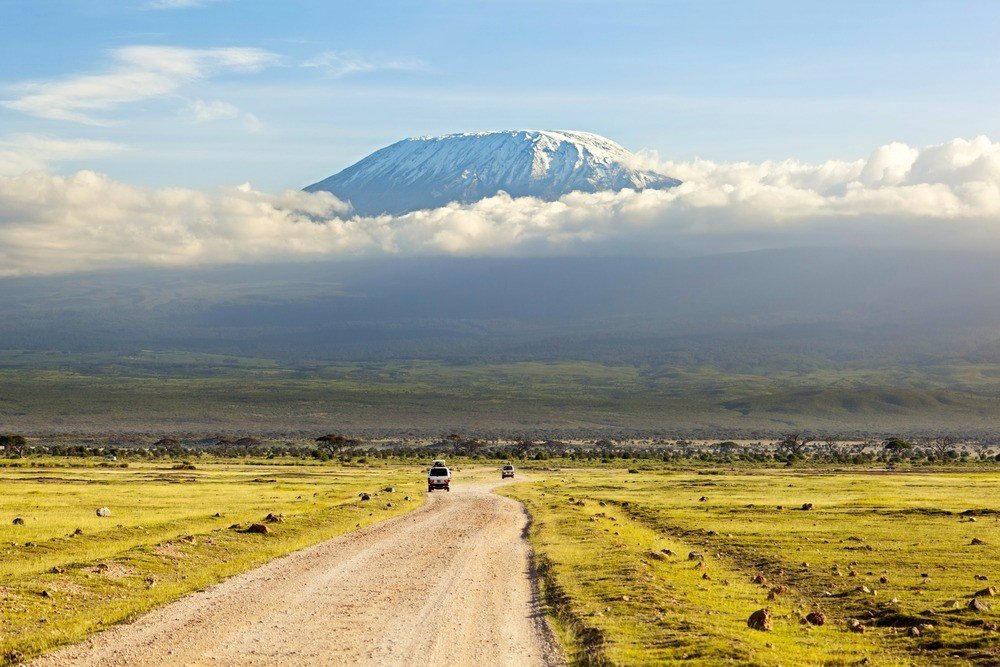
There is something special about looking at a mountain and wondering what it would feel like to stand at its highest point. For a long time, climbing Mount Kilimanjaro was one of those adventures I imagined myself experiencing one day. I had seen photographs of people celebrating at Uhuru Peak, read stories about the challenging summit night, and wondered how ordinary people managed to trek all the way to the highest point in Africa. Eventually, I decided it was time to stop imagining and start planning.
At 5,895 metres above sea level, Mount Kilimanjaro is not a mountain you simply wake up one morning and decide to climb without preparation. It requires fitness, proper equipment, a good itinerary, and most importantly, an experienced mountain team beside you.
I wanted to experience the mountain without having to worry about organising every little detail myself, so I started looking for a tour company that could help me plan the adventure. That is how I began exploring a Kilimanjaro climbing package with Ravina Tours & Travel. I wanted a tour company that understood the mountain, could help me select the right route, and would coordinate the arrangements with a professional local operator.
I made an enquiry about climbing Kilimanjaro and explained that I was interested in a 6-day experience. What followed was planning a 6-day adventure along the Machame Route, with nights spent camping on the mountain, early morning starts, beautiful landscapes, unexpected challenges, and one very important goal: reaching Uhuru Peak.
What I appreciated about planning through a tour company like Ravina Tours & Travel was having a point of contact to help coordinate the different arrangements. From organising accommodation, transport, park entry fees, and mountain support.
Here is how the journey unfolded;
With the arrangements confirmed, the next exciting part was traveling to Tanzania.
For most Kilimanjaro climbs, Moshi is a convenient base because of its proximity to the mountain’s southern climbing gates. It’s also where climbers spend the night before beginning their trek. After arriving in Tanzania, I was transferred to the hotel in Moshi, where the local operator helped me coordinate the pre-climb preparations.
I was particularly interested in meeting the mountain guide and understanding how the team would work.
Before starting the climb, the team conducts a briefing and equipment check. We went through the planned itinerary. We went through the planned itinerary, walking expectations, safety procedures, weather conditions, and the importance of maintaining a slow and steady pace. I also needed to make sure that I had the correct clothing and personal equipment.
Preparing for the Climb
One thing I quickly realised was that packing for Kilimanjaro was very different from packing for an ordinary holiday. I could not simply wear a T-shirt and jeans; the mountain requires proper layering because temperatures can vary considerably between the rainforest and the summit.
My essential packing list included:
- Hiking trousers
- Fleece or insulating jackets
- Waterproof and windproof outer jacket
- Warm gloves
- A comfortable day pack
- Sleeping bag
- Water bottles
- Sunglasses
- Sunscreen
- Personal toiletries
- Powebank
- First-aid supplies
- snacks
One thing I would tell anyone preparing for Kilimanjaro is not to underestimate the importance of good hiking boots. They should be comfortable and properly broken in for the climb. Discovering that your boots cause blisters halfway up the mountain is not the kind of surprise you want. Another important consideration is the sleeping bag; nights become increasingly cold as you climb higher, so a sleeping bag with an appropriate temperature rating is essential.
With the equipment checked and briefing completed, the only thing left was to begin the climb.
Day 1: Machame Gate to Machame Camp
The first morning of Kilimanjaro was finally here.
After breakfast, we met the local mountain team, checked out personal belongings, and made sure the luggage was ready for the porters. There was a different kind of excitement in the air. Everyone knew that once we entered the national park, the real adventure would begin.
We drove to Machame Gate, where the registration process and park entry formalities were completed. Machame Gate is the starting point for the Machame Route. It is also where climbers get their first taste of the busy mountain environment, with guides, porters, and other hiking groups preparing for their journeys.
Watching the porters organise their loads was interesting. They carried food, tents, cooking equipment, and other supplies that would be needed throughout the climb. It made me appreciate just how much work goes into supporting a mountain expedition.
After completing the necessary formalities, we started walking. The first section of the Machame Route takes you through a beautiful tropical rainforest. We came across tall trees, thick vegetation, dense branches, and the sounds of birds, creating an atmosphere that feels completely different from the busy towns below.
The trail was generally manageable, although some sections were muddy and slippery. This was especially noticeable where rain had fallen. I had expected the first day to be relatively easy, but walking continuously for several hours reminded me that even the lower slopes of Kilimanjaro require effort. Our guide kept on reminding us to walk pole pole, which means slowly, slowly in Swahili.
At first, I wondered why we needed to walk slowly. However, I soon understood that Kilimanjaro is not a race, but maintaining a steady pace helps conserve energy and gives the body time to adjust as we gain altitude. We stopped for lunch and short breaks along the way before continuing towards Machame Camp. By the time we arrived, I was tired but happy. Our first mountain meal was served, followed by an opportunity to rest and prepare for the following day. Before sleeping, the guide checked how everyone was feeling and reminded us to drink enough water. I went to bed knowing that the first day was behind me, but the real challenge was still ahead.
Day 2: Machame Camp to Shira Camp
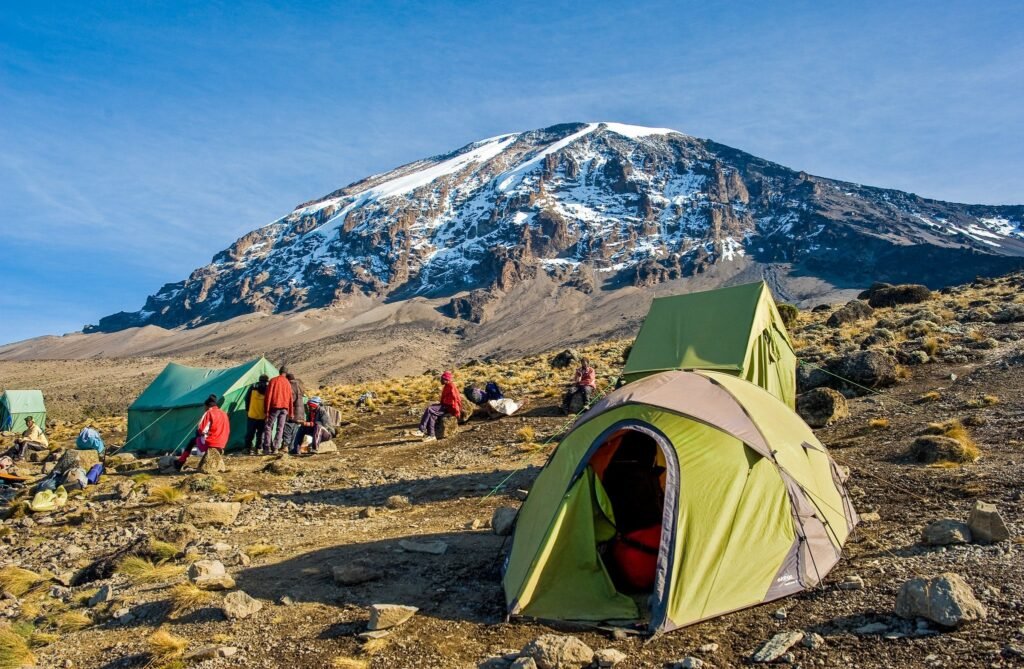
I woke up to a different kind of morning on Mount Kilimanjaro. The sounds of the forest were still around us, but the temperature was cooler than it had been the previous day. After getting out of the tent, I freshened up, had breakfast, and started preparing for another day of hiking. One thing I appreciated about having a dedicated mountain crew was that meals and campsite arrangements were organised for us, and we did not have to worry about finding somewhere to eat or carrying all the cooking ourselves. After breakfast, we packed our day packs and started trekking towards Shira Camp.
The landscape gradually changed as we gained altitude. The thick rainforest began disappearing, giving way to more open vegetation and the beautiful moorland zone. This was one of my favourite parts of the climb because I could see how different Kilimanjaro’s ecological zones were. We continued walking at a steady pace, taking breaks whenever necessary. There were moments when I needed to stop, catch my breath, and continue. I also started to pay attention to how my body felt. Headaches, nausea, dizziness, and unusual fatigue are symptoms climbers can experience.
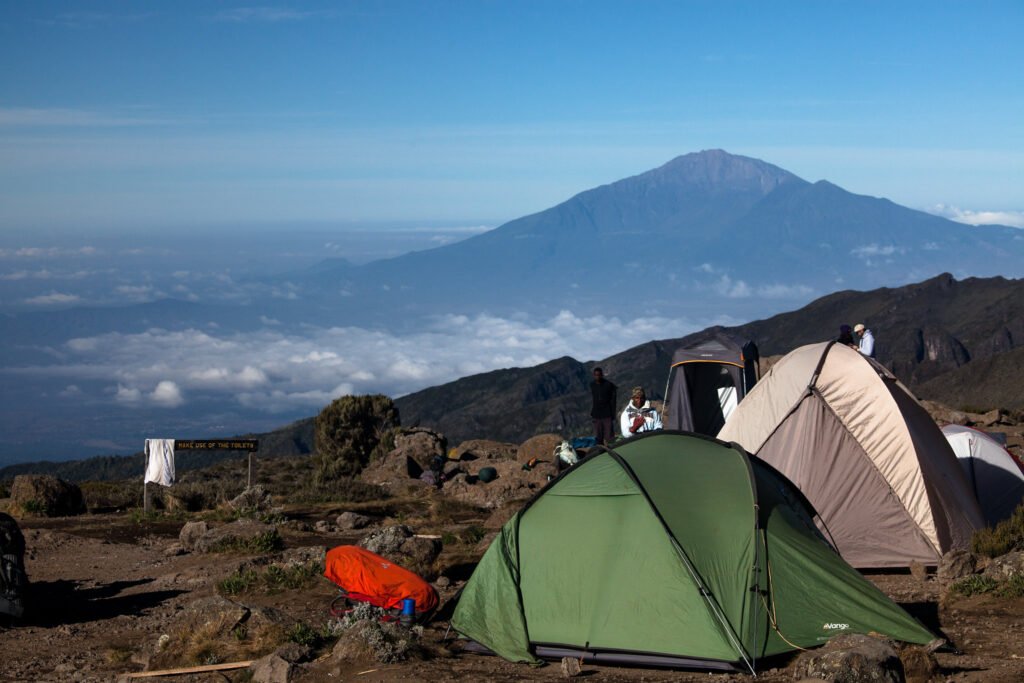
We eventually arrived at Shira Camp, situated on the beautiful Shira plateau. The views were incredible.
After settling into our tents, we had a warm meal and spent some time resting.
Day 3: Shira Camp to Lava Tower and Barranco Camp
If there was one day that made me realise how different climbing Mount Kilimanjaro was from ordinary hiking, it was on this day.
We woke up, had breakfast, and prepared for a longer day on the mountain. Our destination was Barranco Camp, but first we were to climb towards Lava Tower. I remember the trail gradually became more rocky and exposed as we left the Shira Plateau behind. The scenery was increasingly dramatic, with fewer trees and more rugged mountain terrain.
After several hours, we reached Lava Tower at approximately 4,600 metres, one of the major landmarks along the Machame Route. Reaching this point was an achievement but also where the altitude became noticeable. We took a break, had something to eat, and followed the guide’s instructions before beginning the descent.
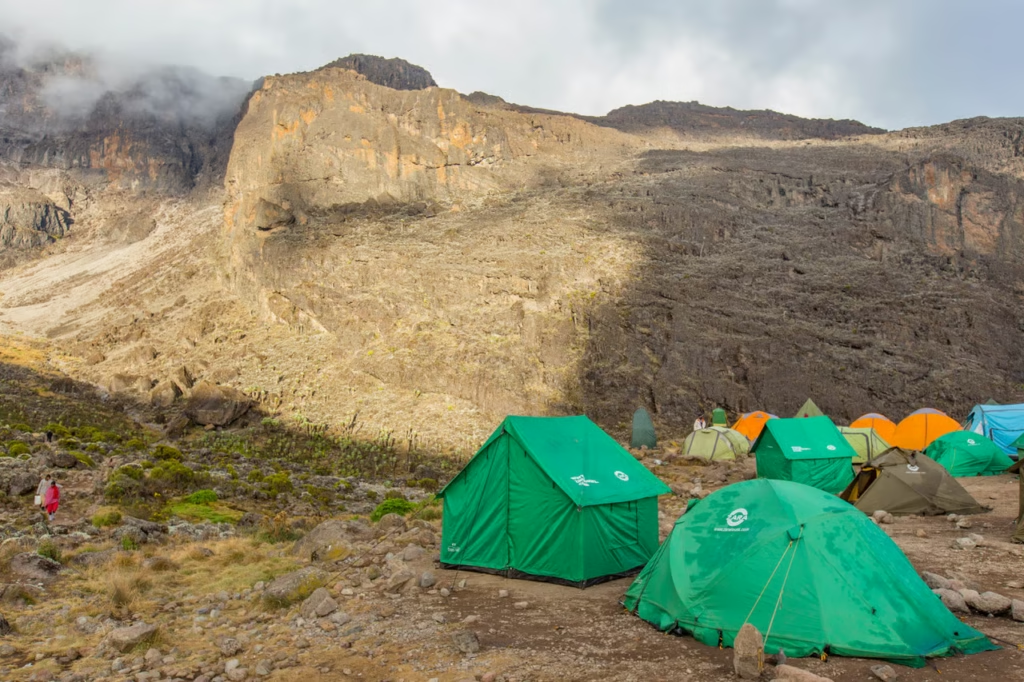
Barranco Camp is one of the most scenic campsites on the mountain, which sits beneath the impressive Barranco Wall, our next big challenge.
After arriving, we had our meal and settled into the camp.
Day 4: Barranco Camp to Barafu Camp
I had been thinking about Barranco Wall since the previous evening. From the campsite, the wall looked intimidating. It was a steep, rocky section rising above Barranco Camp, and I knew we would have to climb it before proceeding to our next destination.
We started the day early, had breakfast, and prepared our daypacks. As we approached the Barranco Wall, I could see other climbing groups making their way up. Some sections required using our hands for balance, while others involved carefully stepping over rocks; it required concentration. I was also surprised by how much encouragement people gave one another.
Eventually we reached the top of Barranco Wall, and the views were worth every step.
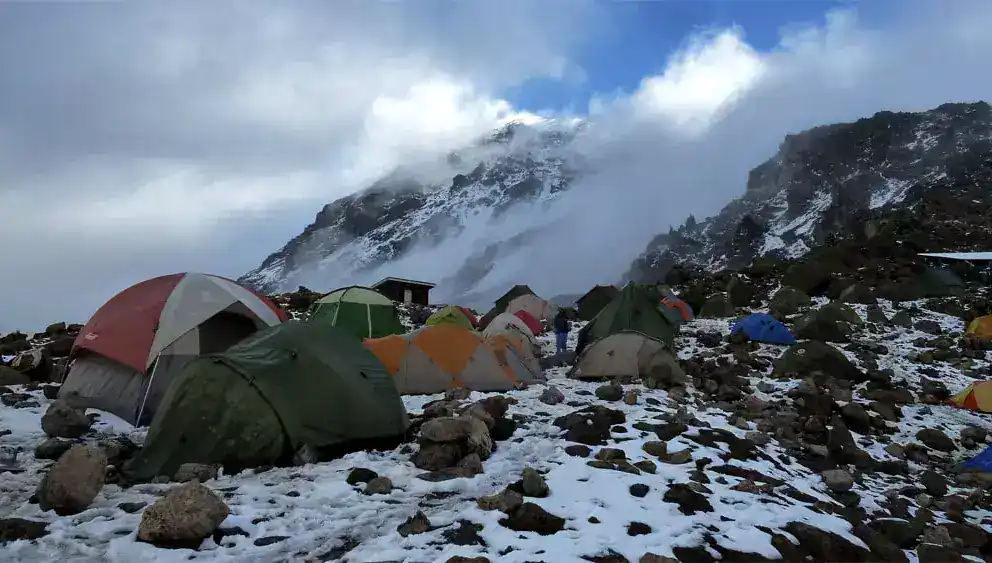
After lunch break, we continued towards Barafu Camp. Barafu Camp is the main base camp for the Machame Route summit attempt. It is located at approximately 4,673 metres and offers a dramatic view of the surrounding high-altitude landscape. When we arrived at the camp, the first thing I wanted to do was rest. After dinner, our guide briefed us about the summit attempt. We were expected to start climbing around midnight. He also explained what we needed to carry, how to dress, and why it was important to conserve energy.
Day 5: Barafu Camp to Uhuru Peak
There is something unusual about waking up in the middle of the night to climb a mountain. It was cold, dark, and quiet when we prepared to leave Barafu Camp. We put on our warmest clothing, switched on our headlamps,mps and checked our equipment one last time. As we started walking, I could see a line of headlamps moving slowly up the mountain. The trail was steep, and the pace was deliberately slow. Our guide kept reminding us to take small steps and conserve our energy. There was no rushing.
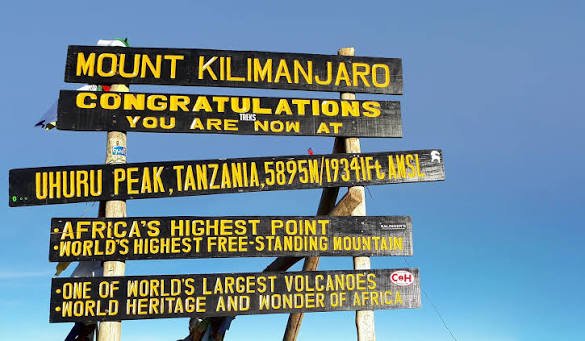
Eventually, we reached Stella Point, at approximately 5,756 metres. This was an important milestone because it meant we had reached the crater rim. The sky was beginning to brighten, and the surrounding landscape looked incredible. However, we still had some distance to cover before reaching Uhuru Peak. Seeing the Summit sign gave me a fresh sense of motivation.
We finally made it!
Standing at 5,895 metres above sea level at the highest point in Africa was an experience I will always associate with the Mount Kilimanjaro adventure. After spending some time at the summit, taking photographs and appreciating the achievement, we began our descent. Reaching the top was not the end of the challenge. The descent was long, and I was beginning to feel the effects of the summit attempt.
That night, I slept knowing that we had completed the biggest part of the adventure.
Day 6: Mweka Camp to Mweka Gate
After Several days of hiking, camping, and adjusting to the mountain environment, I was looking forward to a proper shower and a comfortable bed. We had breakfast, packed our personal belongings, and prepared for the final descent. Walking downhill felt different from the earlier days. The air was richer in oxygen, and breathing felt easier. However, my legs were tired, and the descent required concentration because some sections could be muddy and slippery.
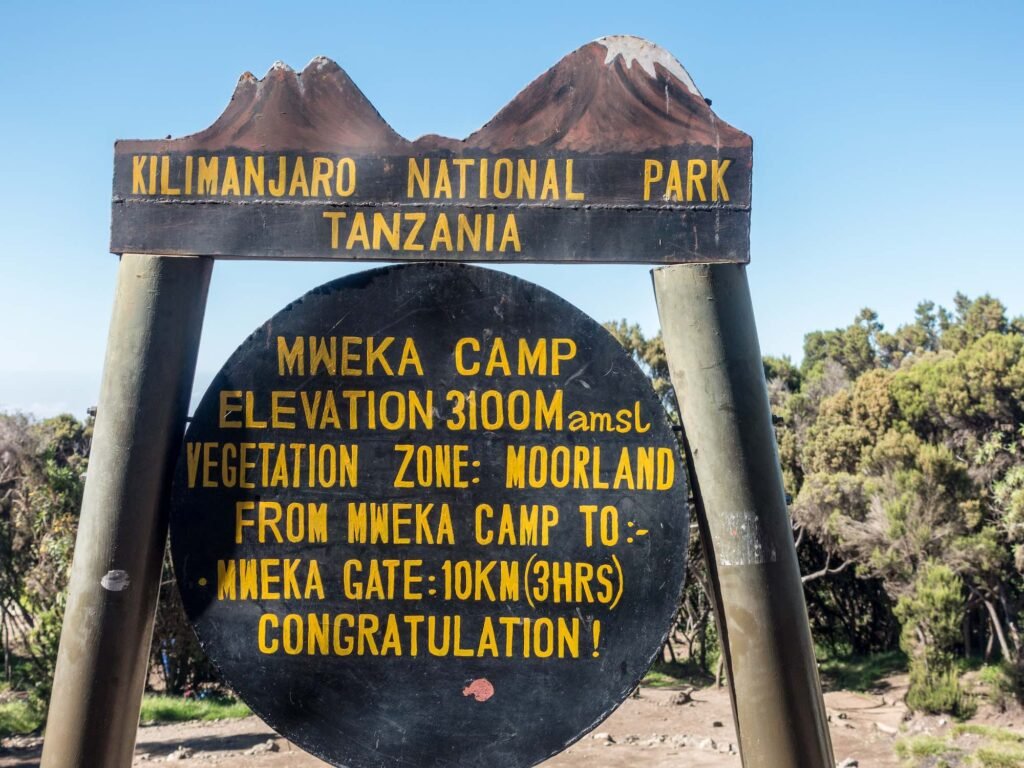
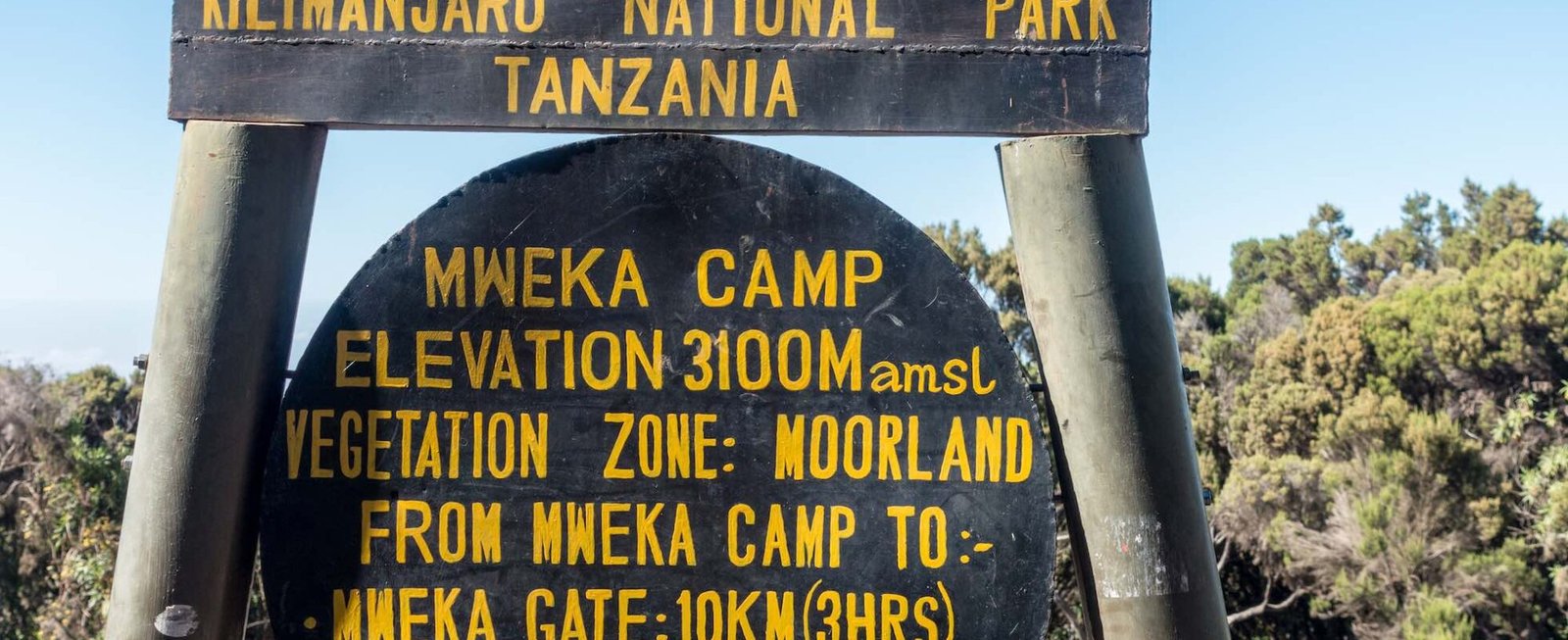
Eventually we arrived at Mweka Gate. This was where we completed the necessary exit formalities and celebrated the end of our climb. Successful climbers received a summit certificate, and those who reached Uhuru Peak received the corresponding summit certificate.
After saying our goodbyes, we were transferred back to Moshi, where I finally had time to reflect on the experience.
Climbing Mount Kilimanjaro tested my patience, physical endurance, and determination, but it also showed me the importance of teamwork, preparation, and listening to my body.