
Have you ever looked up in the sky during a safari and wondered what you were missing? Welcome to Kenya, one of the world's premier birdwatching destinations, offering an extraordinary diversity of habitats with more than 1,000 recorded bird species, from the flamingo-filled lake in the Great Rift Valley to…
4 results
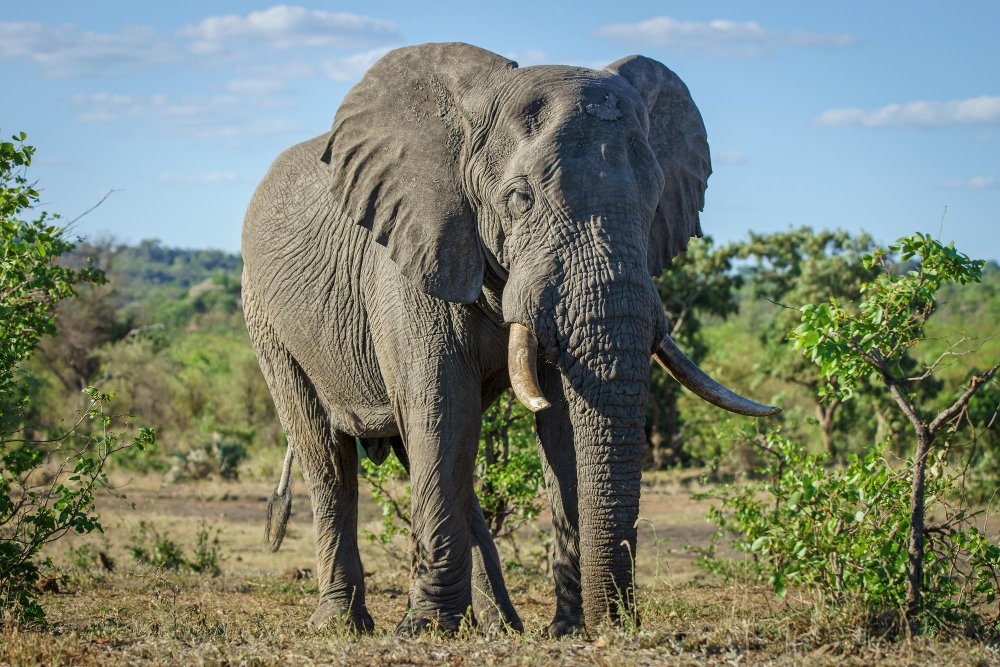
Have you ever imagined waking up to the sounds of the wild, watching the golden sunrise or sunset over Kenya's endless plains, and feeling more connected to Kenya? A game drive is more than just spotting wildlife in a national park or game reserve. It is a journey into the…
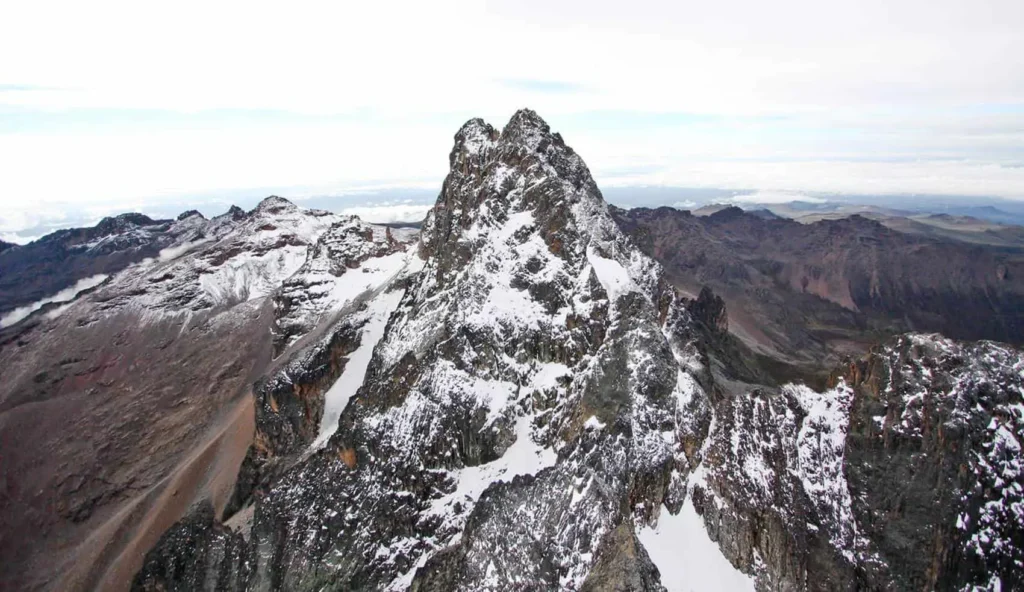
Have you ever stood somewhere so high that the world behind you felt different, where the noise of everyday life disappears, and it's just you, the mountain, and the sky? That is the exact feeling that most mountain climbers experience in Kenya. When most travelers want to come to Kenya,…
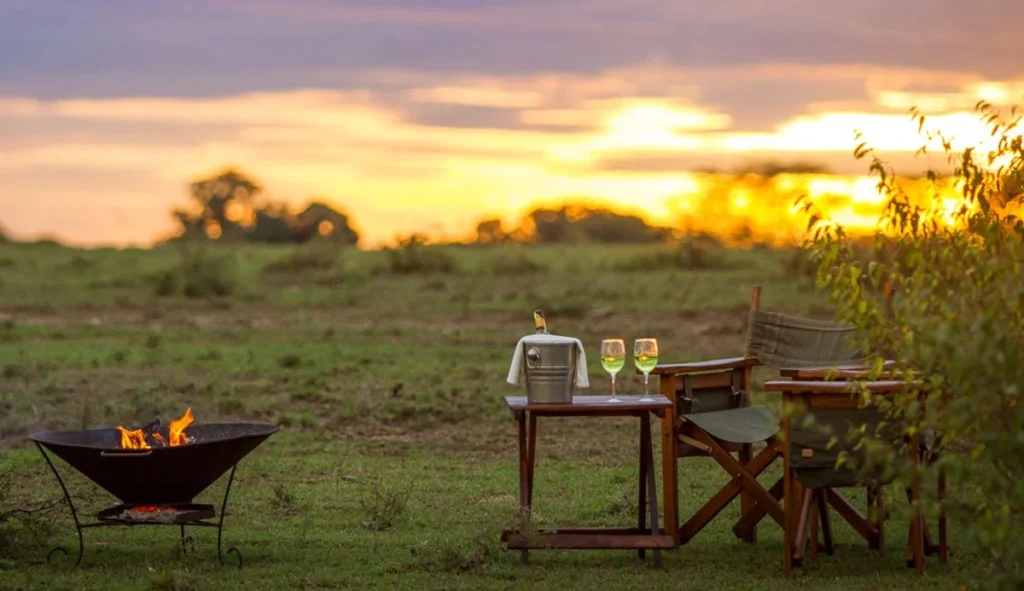
Ask anyone who has been on a safari in Kenya what they remember most, and you might expect them to say lions, elephants, or the Great Wildebeest Migration, but most travelers find themselves talking about something much simpler and unforgettable, the sunset. What exactly is a Sundowner? A sundowner is…
Bird Watching in Kenya
Have you ever looked up in the sky during a safari and wondered what you were missing?
Welcome to Kenya, one of the world’s premier birdwatching destinations, offering an extraordinary diversity of habitats with more than 1,000 recorded bird species, from the flamingo-filled lake in the Great Rift Valley to the dense forests of Western Kenya to the open savannahs of the Masai Mara. Whether you are a beginner or an expert, Kenya offers exceptional bird-watching opportunities.
In this guide, you will discover the best bird-watching destinations in Kenya, some of the iconic and rare bird species that you can look out for, the ideal time, and practical advice ensuring you have an unforgettable bird watching experience.
Why Birdwatching is an Unforgettable Experience in Kenya
- What makes Kenya truly special is the incredible variety of bird species found across the country. Whether you are an expert or a first-timer, Kenya offers endless opportunities for discovery.
- You can experience birdwatching in any ecosystem of your choice. Whether it is the Mara, Lake Nakuru, Paradise Lost, Ngong Forest Sanctuary, Karura Forest, Tsavo East, the list is endless.
- Bird watching in Kenya is an exciting experience because you never know what you might encounter next. It is not like a game drive where you can target a specific wild animal.
- Kenya combines birdwatching with world-class safari experiences in some of its iconic National Parks, Reserves, or Conservancies. You do not have to choose whether to see the Big Five and enjoy incredible birdlife, they happen together.
Bird Watching Destinations in Kenya
A question that most travelers tend to ask is, Where do you go when you want to experience Kenya’s incredible birdlife at its very best?
Here are some of the places where you can experience Kenya’s incredible birdlife;
- Lake Nakuru National Park
- Nairobi National Park
- Masai Mara National Reserve
- Samburu National Reserve
- Tsavo East National Park
- Mt. Kenya National Park
- Aberdare National Park
- Kakamega Forest
- Arabukosokoke Forest
- Lake Baringo
- Lake Bogoria National Reserve
- Taita Hills
- Lake Elementaita Wildlife Sanctuary
- Karura Forest
- Ngong Road Forest Sanctuary
- Oldonyo Sabuk National Park
Top 10 Iconic Birds to See in Kenya
What are some of the iconic birds that truly capture the spirit of Kenya?
While Kenya is home to more than 1,100 bird species, just a few stand out because of their beauty, size, behaviour and unforgettable presence.
Therefore, these are some of the iconic birds that make bird watchers stop and take binoculars to capture them up close.
- Lilac-breasted Roller
- African Fish Eagle
- Secretary Bird
- Grey Crowned Crane
- Kori Bustard
- Shoebill
- Southern Ground hornbill
- Saddle-billed stork
- African Hoopoe
- African Harrier Hawk
These iconic species represent only a small part of Kenya’s extraordinary bird diversity, and spotting them is not about adding names to your checklist, but about experiencing the colors, sounds, and wild landscapes that make birdwatching in Kenya one of the most rewarding adventures.
Best Time for Birdwatching in Kenya
One thing about Kenya’s birdlife is that every season brings something special from across the world. Unlike wildlife, which depends on specific seasons for better sightings, birdwatching is rewarding all year round.
However, for many birdwatchers, the best time to go birdwatching is from October to April. During this season, millions of migratory birds arrive from Europe and Asia to escape the northern winter. This creates incredible diversity, with wetlands, forests, and grasslands becoming even more active. This time, also make it a spectacular moment for photographers because most bird species display bright breeding plumage, perform courtship behaviours, and become more vocal.
Essential Bird Watching Equipments
What do you really need to enjoy birdwatching in Kenya?
While a good pair of eyes and a pair of curiosity are the most important tools, having the right equipment can transform your birdwatching experience.
Therefore, ensure that you have the following before going for a birdwatching adventure;
- Binoculars
- A bird field guide book
- Camera
- Notebook or birding app
- Comfortable clothing and footwear
- Sun protection
- Spotting Scope for experts
- Bird Call Identification tool
- Small Backpack
- An open mind
Birdwatching Tips
- Early mornings are the golden hours for birdwatching. As the sun rises, birds tend to become more active.
- Learn to listen to the bird sounds before you even look.
- Bird watching is not a race, be patient and give birds time to appear.
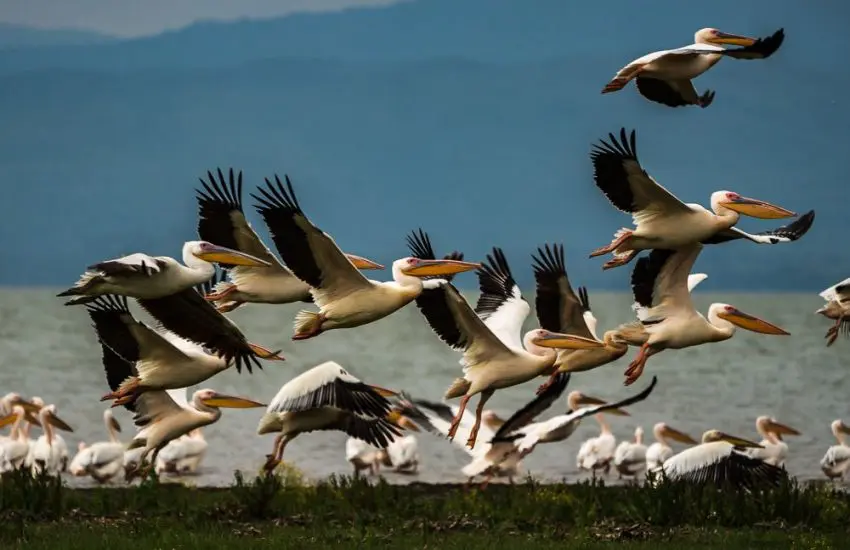
- Learn where different birds live in each ecosystem. For instance, flamingoes, pelicans, kingfishers, and herons are found in lakes and wetlands.
- Birds are usually highly alert and can disappear quickly when they sense danger. Ensure you move slowly and quietly.
- Use your binoculars correctly.
- Take notes and keep a bird checklist. Record details such as species name, location, date, time, behaviour observed, and other interesting notes during your birdwatching adventure.
- Respect birds and their habitats.
- For beginners, hire a local bird guide.
Conclusion
Birdwatching in Kenya is more than just searching for birds. It is a journey and an invitation to explore, especially for beginners, for experienced birdwatchers, it is an opportunity to take in new challenges, and for photographers and nature lovers, it is an experience to create memories and learn something new.
Important details
- Kenya is one of Africa’s top birdwatching destinations, with more than 1,100 recorded bird species.
- The country’s diverse habitats, including savannahs, forests, mountains, wetlands, lakes, and coastal areas, support a remarkable variety of birdlife.
- Kenya is home to both resident and migratory bird species, attracting birdwatchers from around the world.
- The best birdwatching seasons are generally from November to April, when migratory birds from Europe and Asia are present.
- Lake Nakuru National Park is famous for its large numbers of flamingos and over 450 bird species.
- Lake Naivasha is one of the best places to see fish eagles, kingfishers, cormorants, herons, and pelicans
- Kakamega Forest is Kenya’s only tropical rainforest and is home to many rare forest bird species.
- Arabuko Sokoke Forest along the Kenyan coast hosts several bird species found nowhere else in the country.
- Samburu National Reserve is known for dry-country bird species and impressive birds of prey.
- The Maasai Mara is not only famous for wildlife but also for more than 500 bird species, including vultures, eagles, secretary birds, and ostriches.
- Kenya’s Rift Valley lakes are internationally recognized as important bird habitats.
- Birdwatchers can see some of Africa’s largest birds, including ostriches, kori bustards, and ground hornbills.
Game Drives in Kenya
Have you ever imagined waking up to the sounds of the wild, watching the golden sunrise or sunset over Kenya’s endless plains, and feeling more connected to Kenya?
A game drive is more than just spotting wildlife in a national park or game reserve. It is a journey into the heart of nature, culture, wildlife encounters, and unforgettable stories.
What is a Game Drive?
A game drive is simply a shared experience between you, wildlife, the environment, and the people who ensure you have an unforgettable experience in a safari destination of your choice while in a 4*4 safari vehicle as you observe wild animals in their natural habitat, led by experienced guides.
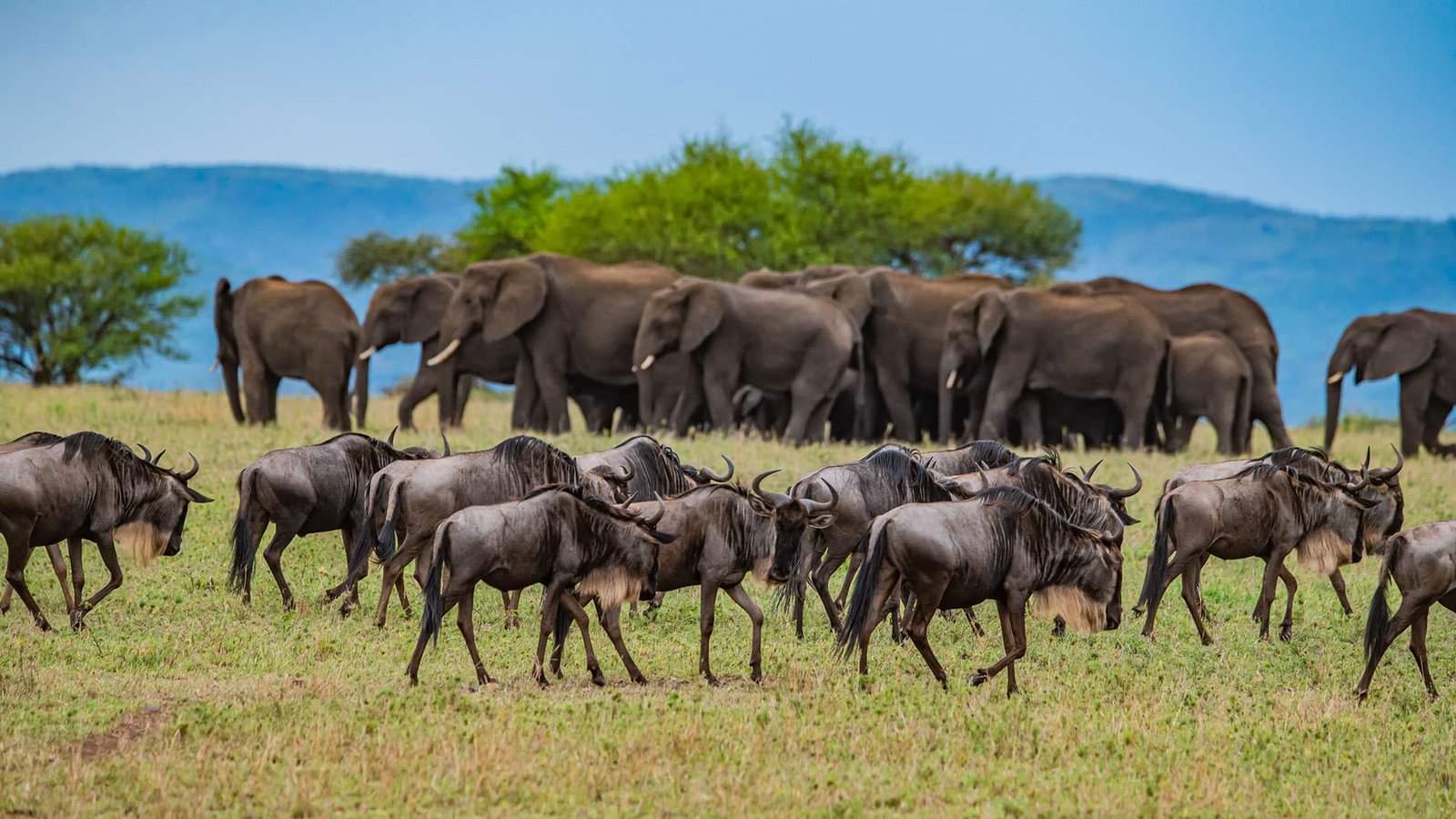
A game drive gives you a golden opportunity to discover Kenya’s incredible wildlife, from the iconic Big Five, predators, wildebeests, and birdlife.
Remember that every game drive offers a different experience, no two moments are ever the same because nature does not follow a schedule.
Why Go on a Game Drive in Kenya
Over the years, Kenya has been famous for its vast landscapes with wildlife diversity and abundance.
Therefore, some of the reasons why you should go for a game drive at least once in your lifetime are;
- Kenya’s Masai Mara hosts one of the world’s most spectacular events, the Great Migration, where millions of wildebeest travel across the plains in search of greener pastures. A powerful reminder of the beauty, challenges, and resilience of the natural world.
- Going on a game drive in Kenya helps you create unforgettable experiences.
- This experience helps you learn from experienced tour guides about the wild, including explaining animal behaviour, identifying birds and plants, interpreting tracks, and sharing stories that deepen your understanding of Kenya’s ecosystem and culture.
- A game drive offers you an opportunity to slow down and relax.
Best Places to Go for Game Drives in Kenya
Kenya is one of Africa’s most iconic safari destinations with remarkable national parks, national reserves, and conservancies where travelers across the world can experience wildlife in their natural habitat.
Below are some of the best places offering unforgettable game drives that you will live to remember.
They include;
Masai Mara National Reserve
The Masai Mara National Reserve is Kenya’s premier safari destination, famous for its abundant wildlife, from the Big Five to the Wildebeests, and dramatic landscapes.
Amboseli National Park
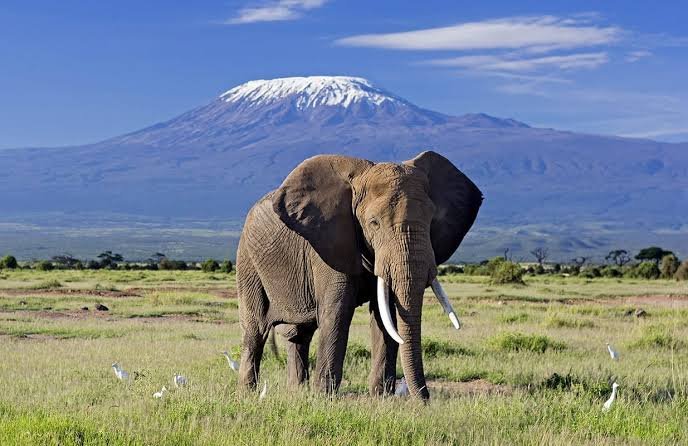
The Amboseli National Park is located in the foothills of Mount Kilimanjaro, one of the most incredible views during a game drive, as you spot large herds of elephants.
Tsavo East & West National Parks
These 2 destinations are Kenya’s largest and most protected areas, offering more rugged landscapes and adventurous experiences. During game drives, you will spot the red elephants, making it a unique destination.
Lake Nakuru National Park
The Lake Nakuru National Park is renowned for its beautiful lake, bird life, and rhino conservation efforts, hence providing a rewarding game drive experience.
Other destinations that offer the best game drives are;
- Samburu National Reserve
- Nairobi National Park
- Olpejeta Conservancy
- Lewa Conservancy
- Meru National Park
- Hell’s Gate National Park
- Aberdare National Park
- Chyulu Hills National Park
Best Time for Game Drives in Kenya
The best time to go on a game drive depends fully on what you are looking forward to experiencing. However, early mornings and late afternoons during the dry season from June to October or January to March offer the best wildlife spotting experiences.
What to Pack for a Game Drive in Kenya
Packing wisely signifies that you are prepared and ready to enjoy every moment of your game drive.
Therefore, here are some of the essentials to bring along;
- Light, comfortable, breathable, and neutral-colored outfits like Khaki, olive green, brown, or beige to blend with the environment.
- Comfortable closed-toe shoes ideal for walking in designated areas.
- A hat, sunscreen, and sunglasses to protect you from direct sunlight.
- A pair of binoculars to enhance your wildlife viewing.
- Insect repellent
- Personal medications if unwell.
- Travel documents.
- A small backpack to keep your personal essentials during game drives.
Kenya Game Drives Rules & Etiquette
As said earlier, a game drive is a shared experience between you, the wildlife, the environment, and the people who help to make your experience in the wild unforgettable.
Therefore, following these simple rules will help protect nature while you enjoy the game drive.
- Respect wildlife and keep a safe distance
- Stay inside the vehicle the entire trip unless your guide tells you otherwise.
- The wild is a place of patience and observation. Ensure you maintain low voices.
- Do not feed ot touch animals.
- Help protect Kenya’s parks, reserves, and conservancies by keeping the environment clean.
- Avoid using flash while taking pictures.
- Respect the local community and culture.
Conclusion
In conclusion, after a game drive, your experience should not stop when the driver is over, but it should continue through memories, emotions, and stories that become part of your own Kenyan adventure.
Important details
- Game drives are the most popular safari activity in Kenya and offer visitors the chance to see wildlife in their natural habitat.
- A game drive involves exploring national parks, reserves, and conservancies in specially designed safari vehicles led by experienced guides.
- Kenya is home to some of Africa’s most famous safari destinations, including the Maasai Mara National Reserve, Amboseli National Park, Tsavo East National Park, and Samburu National Reserve.
- Morning game drives usually start at sunrise when animals are most active and temperatures are cooler.
- Afternoon game drives provide excellent opportunities to see wildlife before sunset.
- Full-day game drives allow visitors to explore larger areas and maximize wildlife viewing opportunities.
- Kenya is one of the best places in Africa to see the Big Five: lion, leopard, elephant, buffalo, and rhino
- During game drives, visitors may also encounter cheetahs, giraffes, zebras, wildebeests, hyenas, hippos, crocodiles, and numerous antelope species.
- The Maasai Mara is especially famous for predator sightings and the annual Great Migration of wildebeests and zebras.
- Amboseli National Park is known for its large elephant herds and stunning views of Mount Kilimanjaro.
- Tsavo East and Tsavo West National Parks are among the largest protected wildlife areas in Africa and offer excellent game-viewing experiences.
- Professional safari guides use their knowledge and tracking skills to locate wildlife and explain animal behavior.
Mountain Climbing in Kenya
Have you ever stood somewhere so high that the world behind you felt different, where the noise of everyday life disappears, and it’s just you, the mountain, and the sky?
That is the exact feeling that most mountain climbers experience in Kenya.
When most travelers want to come to Kenya, their minds go straight to wildlife safaris without remembering that there is another world of Kenya that not so many travelers get to experience.
Kenya offers mountain climbing adventures unlike anywhere else in Africa, from the legendary slopes of Mount Kenya to the hidden beauty of lesser-known mountains like Mount Suswa, providing unforgettable experiences for hikers, climbers, and nature lovers at all levels, whether you are a beginner climber, intermediate climber, or an advanced climber.
What Nobody Tells You Before Mountain Climbing in Kenya
- Mountain climbing in Kenya is often described as a test of strength, endurance, and determination, but there are parts of the experience that rarely appear in travel brochures. The real challenge is found in the quiet moments, unexpected challenges, and the lessons the mountain teaches you along the way.
- Many people expect mountain climbing to be about altitude and reaching the highest point. But one of the biggest surprises is how quickly the environment changes as you gain elevation.
- Many visitors are always surprised to learn that Kenya’s mountains can be extremely cold, even though Kenya is located near the equator.
- Most climbers focus on the distance covered to reach the top of the mountain, but altitude is clearly the major factor that demands most respect. As you climb, your body has to adapt to thinner air.
- During mountain climbing, most climbers dream about reaching the summit, but the most memorable moments happen before reaching the summit, such as sharing stories around the campsite after a long day, walking through landscapes that feel untouched, and discovering plants and wildlife that thrive in those extreme conditions, etc.
Why Mountain Climbing is an Unforgettable Experience in Kenya
- The mountain climbing adventure tests and strengthens you. In that, mountain climbing is a physical challenge but also a mental journey that requires patience and determination.
- Every climber creates unique memories.
- Kenya’s mountains are living ecosystems. As you climb, you will discover rare nature and wildlife. You may encounter a rock hyrax resting on a cliff, sunbirds moving through mountain vegetation, unique alpine plants, and forest wildlife that survive in lower mountain zones. Therefore, the mountains become a place of discovery, not just a destination.
Best Mountains to Climb in Kenya
Kenya’s mountains offer some of the most rewarding climbing experiences in Africa.
Note that each mountain has a different personality. Some will challenge you with altitude and rugged terrain, while others will excite you with incredible views, unique landscapes, and unforgettable encounters with nature.
Below are some of the best mountains to climb in Kenya;
Mount Kenya
No list of Kenyan mountains is complete without Mount Kenya, Africa’s second-highest mountain and iconic climbing destination.
Mount Kenya offers an incredible journey through the changing ecosystems, from lush forests and bamboo zones to open moorlands, alpine valleys, and rocky summit landscapes.
Most climbers aim for Point Lenana, which is 4,985 metres above sea level, and can easily be reached without technical climbing skills, ideal for beginner climbers, while experienced climbers can attempt the technical peaks of Batian and Nelion.
Mount Longonot
Mount Longonot is also one of the best mountain climbing destinations located in the Great Rift Valley region. Note that the hike on this mountain involves a steep climb to the crater rim, followed by an optional walk around the crater edge. On clear days, climbers enjoy clear views of Lake Naivasha, the Rift Valley, and the surrounding landscapes.
Mount Elgon
Mount Elgon is one of East Africa’s oldest volcanic mountains, located along the Kenya-Uganda border, offering incredible trekking experiences through forests, waterfalls, caves, and peaceful landscapes.
The mountain is known for its massive caldera, which is one of the largest in the world, and quieter trails, making it ideal for nature lovers and hikers seeking a peaceful wilderness experience.
Mount Suswa
Mount Suswa is one of Kenya’s hidden volcanic gems, offering Kenya’s most unique hiking experiences in the Great Rift Valley region, known for its double-peaked volcano, unusual landscapes, underground lava caves, breathtaking views, and fewer crowds.
Aberdare Mountain Ranges
The Aberdare Mountains offer a different kind of mountain adventure. Instead of dramatic summit climbs, visitors get to experience beautiful highland trails, dense forests, waterfalls, etc.
Moreover, the mountain range is home to diverse wildlife, including elephants, buffaloes, zebras, and birdlife.
Mount Kulal
Lastly, Mount Kulal, which is located in northern Kenya near Lake Turkana in Marsabit County, rises to approximately 2,285 meters above sea level, offering a different mountain experience. At first glance, its surroundings appear dry and rugged, but as you climb, you will be surprised to see a lush forest ecosystem that has developed around its slopes, creating a green island.
The Best Time to Go Mountain Climbing in Kenya
The best time to go Mountain climbing in Kenya definitely depends on the mountain that you choose to climb, your experience level, and the kind of adventure you want.
Kenya’s mountains can be climbed throughout the year, but choosing the right season can make all the difference between a challenging trek and an unforgettable experience.
Therefore, the best climbing season is during the dry season when trails are more stable, skies are clearer, and mountain views are at their most spectacular.
How Difficult is Mountain Climbing in Kenya?
Kenya’s mountains offer a wide range of mountain experiences, from gentle hikes that can be completed in a day to demanding high-altitude climbs.
Therefore, the difficulty of mountain climbing in Kenya depends on several factors like the mountain you choose, the altitude, the route, the weather conditions, your fitness level, and your adaptability level to changing environments. However, while some climbs are accessible to beginners, other mountains can test even advanced climbers.
The important thing to understand is that mountain climbing in Kenya is not about physical strength but about patience and preparation.
What to Pack for Mountain Climbing in Kenya
Many first-time climbers assume that Kenya’s warm climate means that mountain conditions will also be warm. The truth is that these high-altitude areas experience extremely cold conditions, and what you pack allows you to focus on the views, the journey, and the incredible landscapes around you.
- Heavy clothes for the mountain changing conditions
- Strong hiking boots
- A comfortable backpack
- Sleeping equipment & camping Gear
- A reusable water bottle
- Water purification tablets
- Energy snacks like nuts, energy bars, dried fruits, and chocolate
- First-aid kit
- Sun protection essentials
- Cameras & Binoculars
Mountain Climbing Safety Tips in Kenya
- Choose a mountain that matches your experience. If you are a beginner, consider Mount Longonot or Mount Suswa before trying Mount Suswa,
- Hire a certified local guide.
- Give your body time to adjust to the altitude.
- Check the weather before you begin climbing.
- Wear the correct mountain climbing clothing, gear, and footwear.
- Stay hydrated and eat regularly.
- Pace Yourself.
- Respect the environment and wildlife.
- Carry a basic first-aid kit.
- Know when to turn back.
Conclusion
Mountain climbing in Kenya is an incredible adventure, but the best experiences are built on preparation and smart decisions. So whether you are planning your first hike or preparing for a multi-day expedition, Kenya offers mountains that inspire, challenge, and reward in equal measure.
Come prepared, respect the environment, climb responsibly, and take time to enjoy the journey, not just the destination.
Important details
- Kenya is home to some of Africa’s most spectacular mountains, making it a popular destination for mountain climbing and hiking.
- The highest mountain in Kenya is Mount Kenya, which rises to 5,199 meters above sea level and is Africa’s second-highest mountain after Mount Kilimanjaro.
- Mount Kenya is a UNESCO World Heritage Site and one of the country’s most important natural landmarks.
- The mountain has three main peaks: Batian, Nelion, and Point Lenana. Point Lenana is the most commonly climbed peak by trekkers.
- Most climbers take between 4 and 6 days to reach Point Lenana, allowing time for acclimatization.
- Popular climbing routes on Mount Kenya include the Sirimon Route, Chogoria Route, and Naro Moru Route.
- The Chogoria Route is famous for its beautiful scenery, including waterfalls, forests, valleys, and alpine lakes.
- Mount Kenya is home to unique wildlife such as buffaloes, elephants, colobus monkeys, and numerous bird species.
- Climbers pass through different vegetation zones, from dense forests to bamboo forests, moorlands, and alpine deserts.
- The best time for mountain climbing in Kenya is during the dry seasons from January to March and June to October.
- Mountain climbing in Kenya offers breathtaking views of valleys, glaciers, lakes, and surrounding landscapes.
- Besides Mount Kenya, hikers can also explore mountains such as Mount Longonot, Mount Elgon, and the Aberdare Ranges.
Sundowner Experiences in Kenya
Ask anyone who has been on a safari in Kenya what they remember most, and you might expect them to say lions, elephants, or the Great Wildebeest Migration, but most travelers find themselves talking about something much simpler and unforgettable, the sunset.
What exactly is a Sundowner?
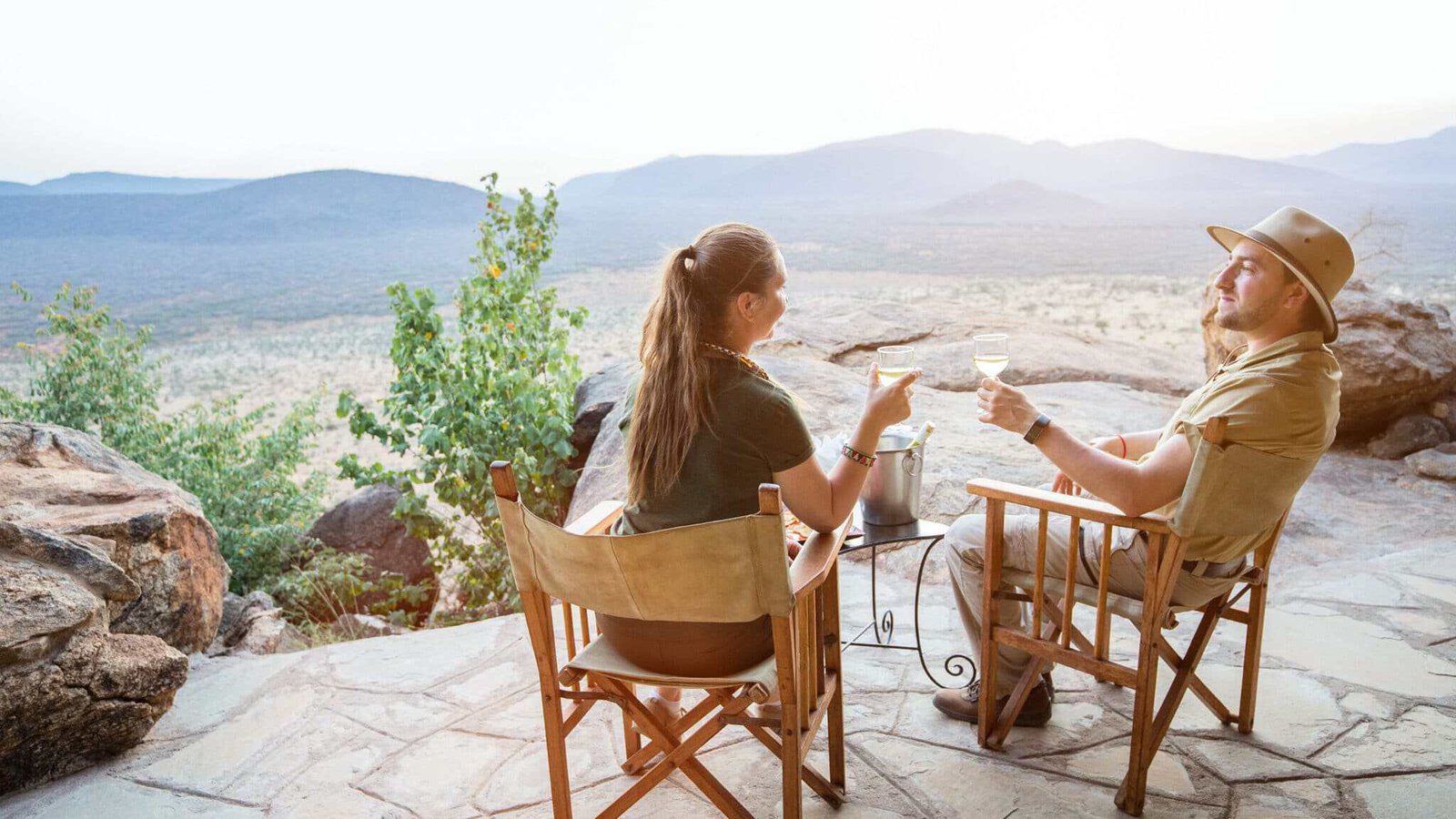
A sundowner is an evening stop during a safari where guests enjoy a drink and light snacks while watching the sun set. It might sound simple, but that is exactly what makes it so special. There is no schedule to follow and no crowds to beat. It is simply about finding the perfect spot, taking in the scenery, and enjoying a quiet moment surrounded by nature. Whether you choose a glass of wine, a cold beer, a fresh juice, or a cup of Kenyan coffee, everything somehow tastes better with a safari view.
Why Travelers Love Sundowners
Safaris are exciting from the moment you leave the lodge or the camp. You spend the entire day looking for wildlife, listening to your guide, and hoping for that once-in-a-lifetime sighting, the Great Migration. As the day comes to an end, a sundowner gives you permission to pause.
It is often during these quiet moments that you truly appreciate just how vast Kenya’s landscapes are. You notice the distant sounds of birds calling, the breeze moving through the grass, and the silhouettes of acacia trees against the evening sky.
Many travelers say these peaceful moments become their favorite memories, not because something dramatic happened but because they felt completely connected to nature.
The Best Places in Kenya for a Sundowner
One of the biggest highlights about Kenya is that every destination offers a different backdrop for sunset.
Here are some of the best places in Kenya for a sundowner experience;
Masai Mara National Reserve
In the Masai Mara National Reserve, endless golden plains stretch as far as the eye can see, and it is not unusual to watch elephants or giraffes wandering in the distance as the sun dips below the horizon.
Amboseli National Park
In Amboseli National Park, the experience is even more dramatic with the backdrop of Mount Kilimanjaro, while herds of elephants cross the open plains.
Samburu National Reserve
If you are looking for somewhere quieter, Samburu National Reserve offers rugged hills, unique wildlife, and fewer safari vehicles, making the experience feel wonderfully exclusive.
Tsavo National Park
In the vast wilderness of Tsavo National Park, it offers fiery sunsets in its famous red earth and ancient baobab trees.
Moreover, the conservancies in Laikipia are also perfect if you enjoy a more intimate safari. Many lodges arrange sundowners on hilltops with panoramic views, where the only sounds you will hear are birds, insects, and the occasional call of wildlife.
What to Expect During a Sundowner
- A scenic location with panoramic views
- Wine, beer, cocktails, soft drinks, tea, or coffee
- Light snacks or appetizers
- Time to relax and enjoy the sunset
- Excellent photography opportunities
If you are celebrating a special occasion, many luxury lodges may include gourmet dining, elegant setups, lantern lighting, and personalized services.
Tips for Enjoying Your Sundowner
To make the most of the experience, wear comfortable clothing and carry a light jacket, especially if you are visiting during the cooler months or staying in higher-altitude parks.
Do not forget your camera and a fully charged phone to capture magical moments that you will live to remember.
Most importantly, listen to your guide. Sundowners are carefully planned with guest safety in mind. Guides will guide you to the best location and the appropriate time to return to the camp before nightfall.
Final Thoughts
A Kenyan safari is filled with unforgettable experiences, but a sundowner adds something truly special. It combines breathtaking scenery, warm hospitality, and the peaceful atmosphere of the African wilderness into a single experience that perfectly captures the spirit of a safari.
So, whether you are exploring the Masai Mara, Amboseli, Samburu, Laikipia, or Tsavo, do not miss the opportunity to end your day beneath one of Kenya’s spectacular sunsets, a simple tradition, but one that leaves a lasting impression.
If you are planning a safari in Kenya, make sure a sundowner experience is part of your itinerary, and you will understand why it is considered one of the most magical moments of any African Adventure.