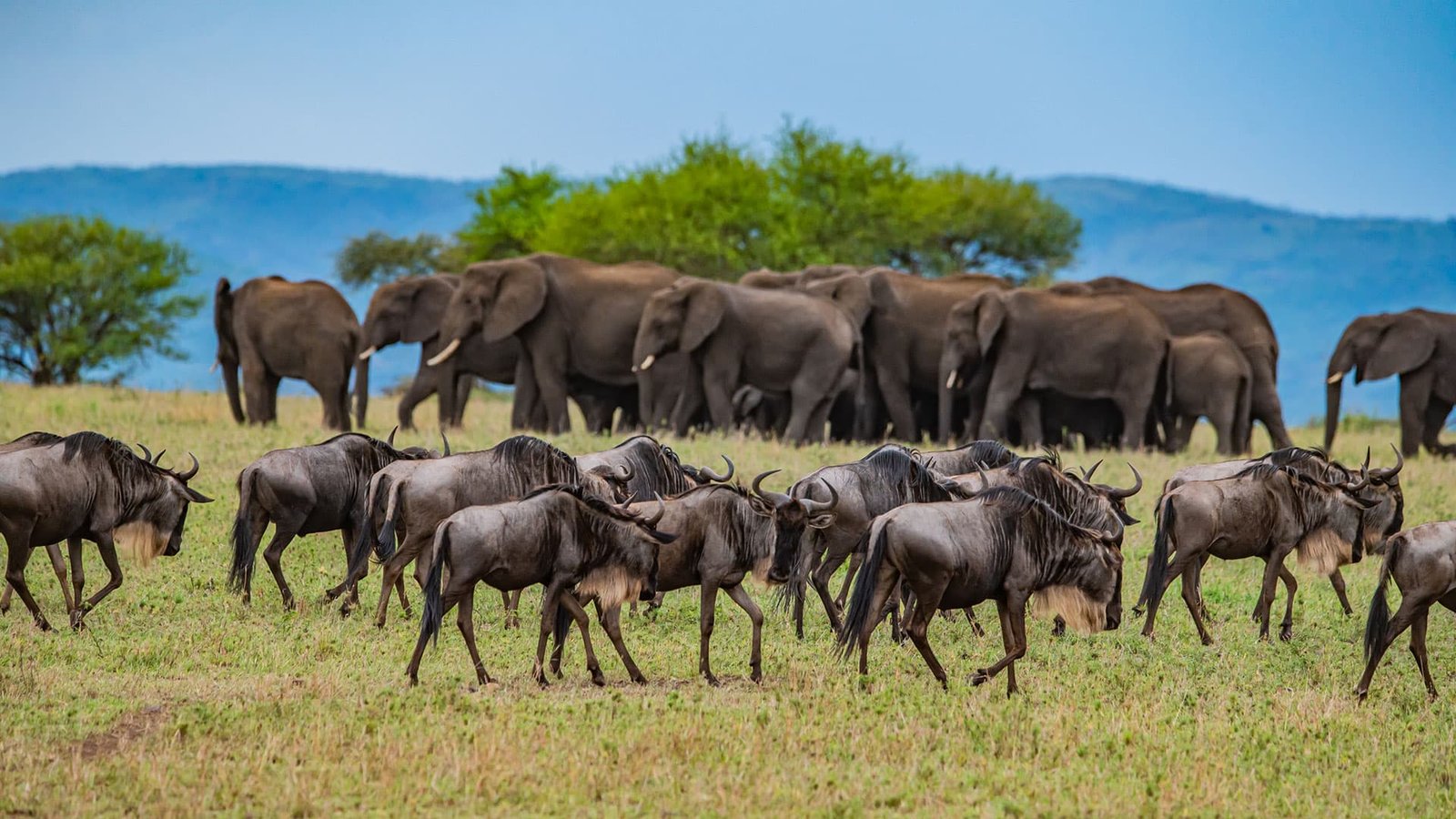
Have you ever wondered what happens in the African wilderness after the sun goes down?
Most travelers have experienced daytime game drives, allowing them to spot wild animals in their natural habitat. A moonlight safari, on the other hand, offers an opportunity to experience the quieter and more mysterious side of the wilderness where nocturnal animals become active, unfamiliar sounds fill the air, and the moon illuminates the vast landscapes.
As daylight fades, many animals begin changing their routines. Some retreat to safer resting places while others emerge from their hiding spots to hunt, forage, and explore. Predators such as leopards and hyenas become more active, smaller nocturnal mammals venture out in search of food, and animals that are rarely encountered during daytime game drives may become easier to observe. In addition, you may notice the sounds of the bush change with hyenas calling from a distance, owls communicating from nearby trees, and insects creating a constant background rhythm.
Therefore, a moonlight safari allows you to appreciate these natural activities while experiencing the African wilderness under a different kind of light. However, depending on the destination, the experience may involve guided night game drives, exploring designated wildlife areas, observing nocturnal species, or enjoying a peaceful evening surrounded by the sounds of nature.
In this guide, Ravina Tours and Travel will help you explore everything you need to know about a moonlight safari in Africa, including what the experience involves.
What is a Moonlight Safari
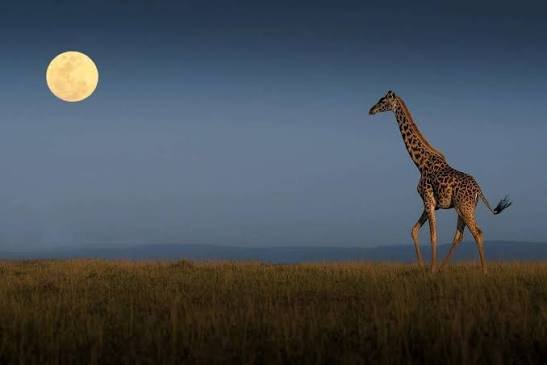
A moonlight safari is a nighttime wildlife experience that allows travelers to explore or appreciate the African wilderness after sunset, often under the natural illumination of the moon. It offers a different perspective of the bush where wildlife activity changes, nocturnal animals become more active, and the atmosphere is shaped by the sounds and sights of the African night.
However, depending on the destination and activities offered, this may involve guided night drives, observing nocturnal animals, stargazing, or enjoying a meal in a wilderness setting under the night sky while observing the moon.
Note that a moon safari is an opportunity to experience a side of Africa that many daytime visitors never get to see. It adds variety to your Africa safari itinerary and allows you to appreciate the wilderness beyond the usual morning and afternoon game drives.
How Moon Phases Affect Your Moonlight Safari
Did you know that the phase of the moon can influence what you experience during a moonlight safari?
The moon is more than just a beautiful feature of the African night sky. Its brightness, position, and visibility can affect how much natural light reaches the wilderness, the atmosphere of your safari, and the way you observe nocturnal wildlife.
A moonlight safari can take place during different phases of the lunar cycle, but each phase offers a slightly different experience. Therefore, understanding the moon phase can help you choose suitable dates for your safari, especially if you have a preference for wildlife viewing, photography, or simply enjoying the African night sky.
The moon takes approximately 29.5 days to complete one lunar cycle. During this period, its appearance changes as it moves around the Earth. These changes are known as moon phases. So, for a moonlight safari, 4 main phases are worth understanding.
- New Moon Phase
- Crescent Moon Phase
- First and Last Quarter Moon Phase
- Full Moon Phase
Note that there is no single moon phase that guarantees the best moonlight safari. Therefore, your preferred experience should determine when to travel.
What Happens During a Moonlight Safari
A moonlight safari offers a different way to experience the African wilderness, taking you beyond the familiar morning and afternoon game drives.
As the sun sets and darkness gradually covers the landscape, wildlife begins to change its behaviour, nocturnal animals emerge from their hiding places, and the sounds of the bush become more noticeable. Unlike a daytime safari where you can easily scan the grasslands for elephants, giraffes, and other wildlife, a nighttime experience requires you to be patient, careful, and under the guidance of an experienced safari guide. During the moonlight safari, every sound, movement, and pair of glowing eyes become part of the adventure.
Although the exact activities depend on the destination, accommodation, and local regulations, here is what you can generally expect during a moonlight safari.
1. Your experience usually begins at your safari camp or lodge in the early evening. Your guide may brief you on what to expect, including the route, safety instructions, wildlife you might encounter, and the rules to follow during the experience.
2. You may have the opportunity to enjoy the sunset over the African plains.
3. Your guide will direct your attention to movement in the grass, sounds coming from nearby bushes, or reflective eyes in the darkness. You will also learn how different animals use their senses to navigate, hunt, and communicate at night.
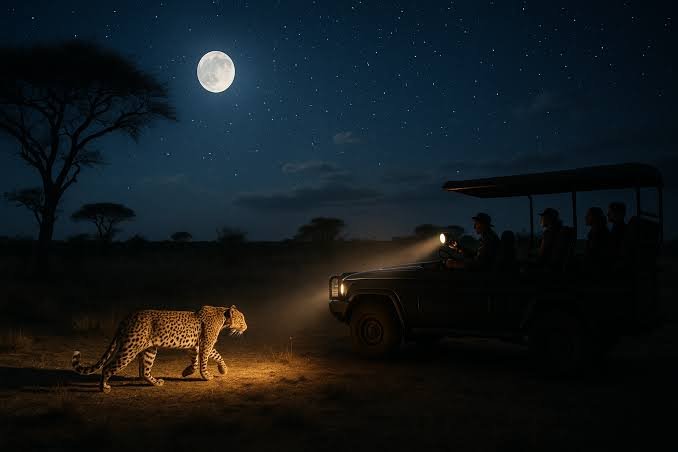
4. One of the most exciting parts of a moonlight safari is the opportunity to encounter animals that are more active after dark. Depending on the destination, you may come across leopards, spotted hyenas, genets, bushbabies, porcupines, and owls.
5. A moonlight safari is not only about spotting animals; sometimes the most memorable moment comes from listening to the wilderness. Your guide can help interpret some of these sounds, explaining which animals may be responsible and what their calls or movements could mean.
6. Depending on the moon phase, weather, and light pollution, you may see bright stars, constellations, and parts of the Milky Way.
7. Depending on your safari package, the evening may continue with dinner, refreshments around a campfire, or a specially arranged outdoor dining experience.
Note that a guided moonlight safari may last approximately 2 to 3 hours, although some destinations have shorter or longer authorised operating windows.
Also, do not approach a moonlight safari expecting to see every nocturnal animal. Sometimes the most memorable part of the evening is simply being out in the African bush and discovering how different it feels when the rest of the world goes quiet.
Best Destinations for a Moonlight Safari in Africa
Africa offers some of the most fascinating nighttime wildlife experiences, from searching for elusive nocturnal animals in private conservancies to enjoying the silence of the wilderness beneath a star-filled sky.
While most safari activities take place during daylight hours, selected safari destinations offer authorised night game drives, allowing visitors to explore a different side of the African wilderness.
Here are some of the best destinations to consider.
Moonlight Safari in Kenya
Kenya is an excellent destination for travelers looking to combine traditional wildlife safaris with nighttime wilderness experiences. One of the best safari destinations is the Mara. Although night game drives are not permitted inside the Masai Mara National Reserve, several neighbouring private conservancies offer authorised nighttime excursions such as;
- Mara North Conservancy
- Naibosho Conservancy
- Olare Motorogi Conservancy
Other destinations in Kenya that offer the best moonlight safari experiences are Ol Pejeta Conservancy and Lewa Wildlife Conservancy in Laikipia
Moonlight Safari in Tanzania
Tanzania also offers opportunities to experience the African wilderness through authorised game drives and special wilderness experiences. One destination worth considering is Tarangire National Park, famous for its large elephant populations, ancient baobab trees and diverse wildlife. Therefore, its landscapes also provide an interesting setting for exploring the nocturnal side of the African wilderness.
Lake Manyara National Park is also another destination to investigate when planning a moonlight safari experience.
Other destinations to witness the moonlight safari are;
- Botswana
- South Africa
- Zambia
- Zimbambwe
Moonlight Safari vs Night Game Drive
Often, moonlight safari and night game drives are used interchangeably, but they do not always describe the same experience. Yes, both take place after sunset and allow you to experience the African wilderness at night, but a moonlight safari can include several activities beyond wildlife viewing, such as stargazing, a moonlit bush dinner, a sleep-out experience, or simply enjoying the sounds of the wilderness, while a night game drive focuses on searching for wild animals after dark.
Best Time for a Moonlight Safari
The best time for a moonlight safari in Africa depends on the experience you want, the destination you choose, and the phase of the moon. Unlike a regular daytime game drive, where wildlife viewing is largely influenced by seasons, vegetation, and animal movements, a moonlight safari also depends on how much natural light is available after sunset.
So, if you want to enjoy the African wilderness under a bright moon, plan around the full moon phase. And if stargazing and seeing the Milky Way are your priorities, a new moon may offer a better experience. However, no single time is best for every traveler.
How Much Does a Moonlight Safari Cost
The cost of a moonlight safari in Africa depends on the destination, accommodation, type of nighttime experience, and whether your safari package includes the activity or charges separately.
Best Accommodations that Offer Moonlight Experiences
Choosing the right accommodation can make a big difference to your moonlight safari experience. Some safari lodges are located in private conservancies where guided night game drives are permitted, while others stand out for their remote wilderness settings, open-air dining, sleep-out experiences, and excellent stargazing opportunities.
Here are some accommodations worth considering when planning a moonlight safari in Africa.
- Naibosho Camp, Masai Mara
- Kicheche Valley Camp, Masai Mara
- Skybed’s Camp, Botswana
- Sabi Sabi Private Game Reserve, South Africa
- Ruaha National Park, Tanzania
What to Pack for a Moonlight Safari
Packing for a moonlight safari requires a little more preparation than packing for a regular daytime drive. Temperatures can drop considerably after sunset, especially in open safari vehicles and remote wilderness areas.
Since you will spend more time outdoors observing nocturnal wildlife, enjoying a bush dinner, or stargazing under the African sky, the aim is to stay warm, comfortable, and prepared without carrying unnecessary luggage.
- Warm Clothes
- Comfortable and appropriate footwear
- A torch or headlamp
- Binoculars
Click here and read more on what to pack for a Kenya safari.
Final Thoughts
In conclusion, a moonlight safari offers a different way to experience the African wilderness, taking you beyond the familiar daytime game drives to discover what happens after sunset. It is important to remember that not every safari destination permits game drives. Some of these experiences are available only in selected private conservancies and reserves.
At Ravina Tours and Travel, we believe that an African safari should be about more than ticking wildlife sightings off a list. It should also give you opportunities to connect with the landscapes, wildlife, and unique experiences like a moonlight safari that make Africa special.
Let us help you plan a moonlight safari that matches your interests, travel dates, and budget. Whether you want to explore the African bush after sunset, enjoy a romantic dinner under the stars, or combine nighttime experiences with daytime safaris. We can help you put together an unforgettable African adventure.