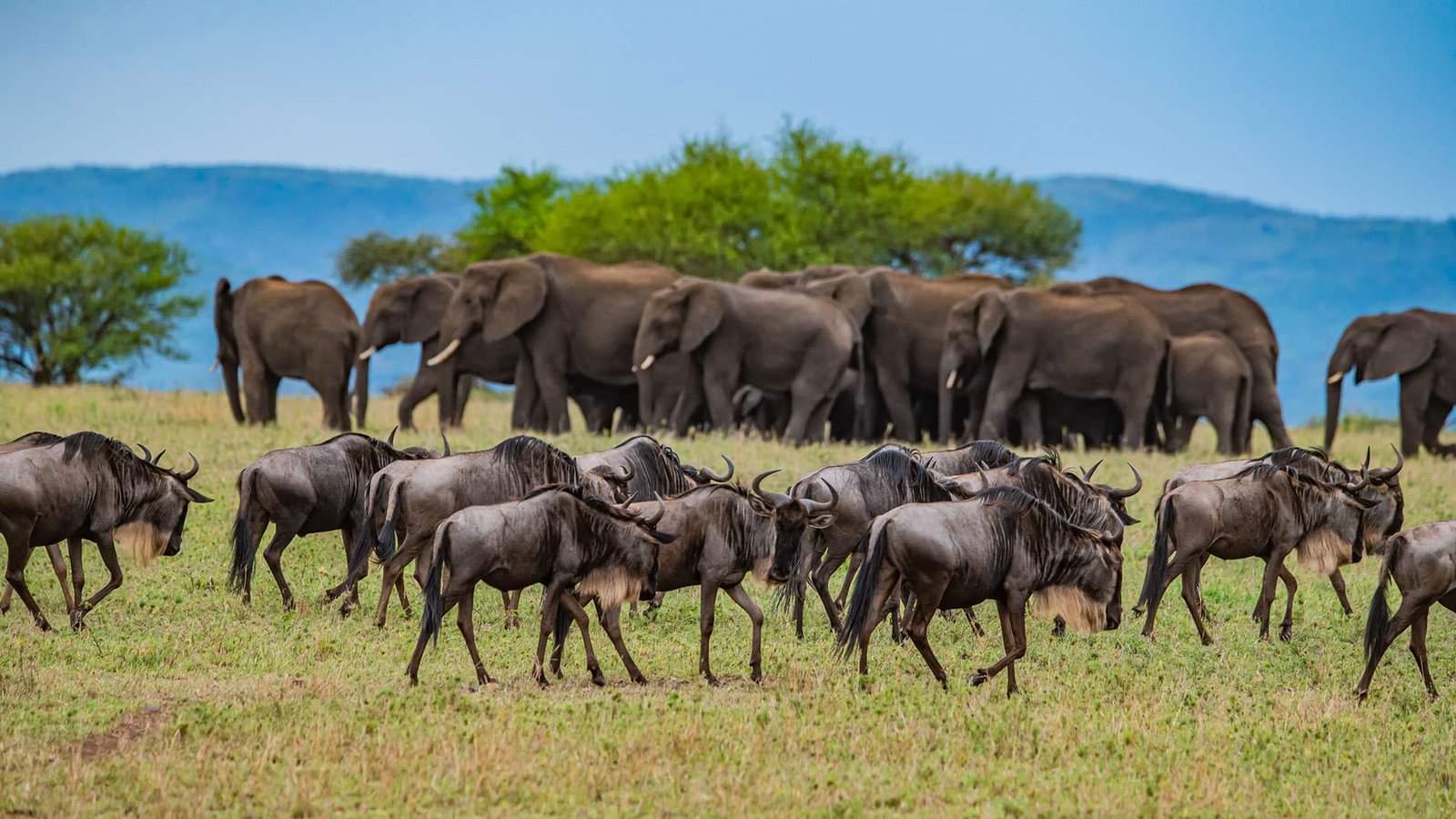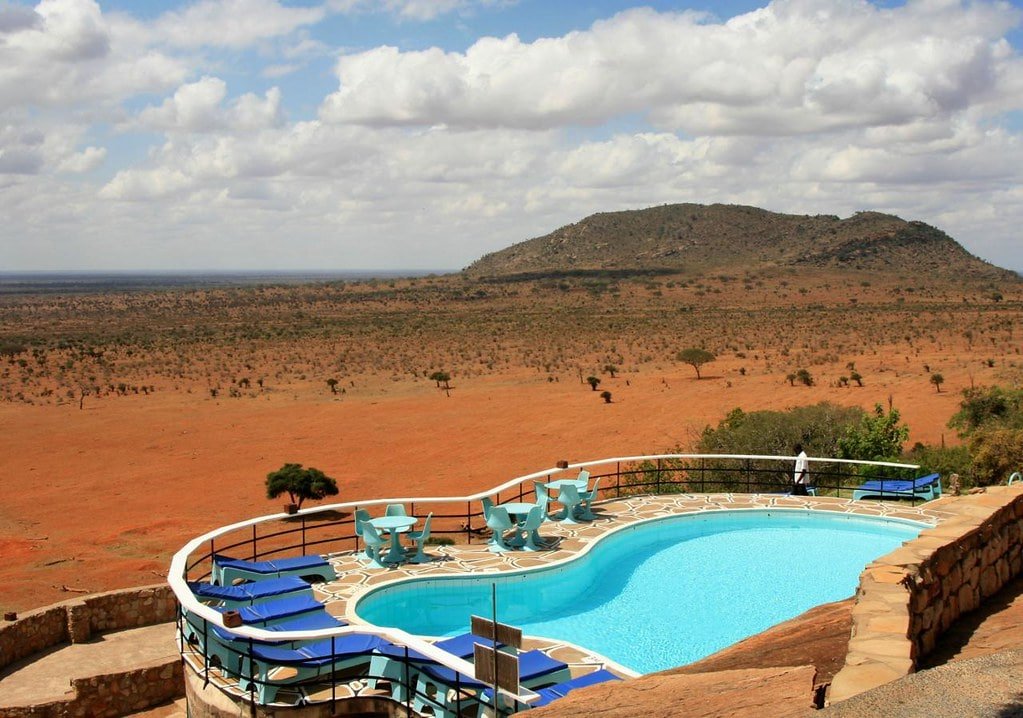

Sometimes, it may be hard to get the perfect safari in Africa as there are many destinations and options. Over the years, Kenya has been identified as among the best destinations to travel owing to different factors attributing to it. Kenya boasts an extensive network of protected zones comprising 65 national parks and game reserves.
When it comes to planning for your perfect Kenya Safari tour, many people end up failing to get the utmost out of the safari where they already have spent a lot for the trip. Personally, I have been able to plan hundreds of safaris in Kenya, Uganda, Tanzania, Botswana and Kruger and I can attest to the fact that there are many memorable experiences that get to be missed during planning, unless you have deeper research into it.
Reason? When a safari agency gets a quote, the first thing a tour consultant would do is to share available itineraries that have always been sharing for more than 5 years.
When it comes to planning a Kenyan safari, every detail matters, whether you are a budget, Mid-range or even a luxury safari traveler.
Of course, as I write this, you have come across numerous safari footages, be it the golden savannah, lions having their hunting, and crocodiles attacking the wildebeest while crossing Mara River during migration.
In this guide, we give you everything that you need to know in a very clear and honest point of view – be it breakdown of costs, best timing for Kenya Safari, and also the best lodges that you can use for Kenya Safari Trip.
Kenya Safari Map; All Kenya National Parks
In most cases, one would jump directly into making their safari bookings even without having a deeper look into the finer details of Kenya, including Kenya safari map and the national parks distributions.
Having to check into the distances between the Kenya National Parks you would wish to travel can make the difference between having a memorable safari and the longest safari of lifetime.
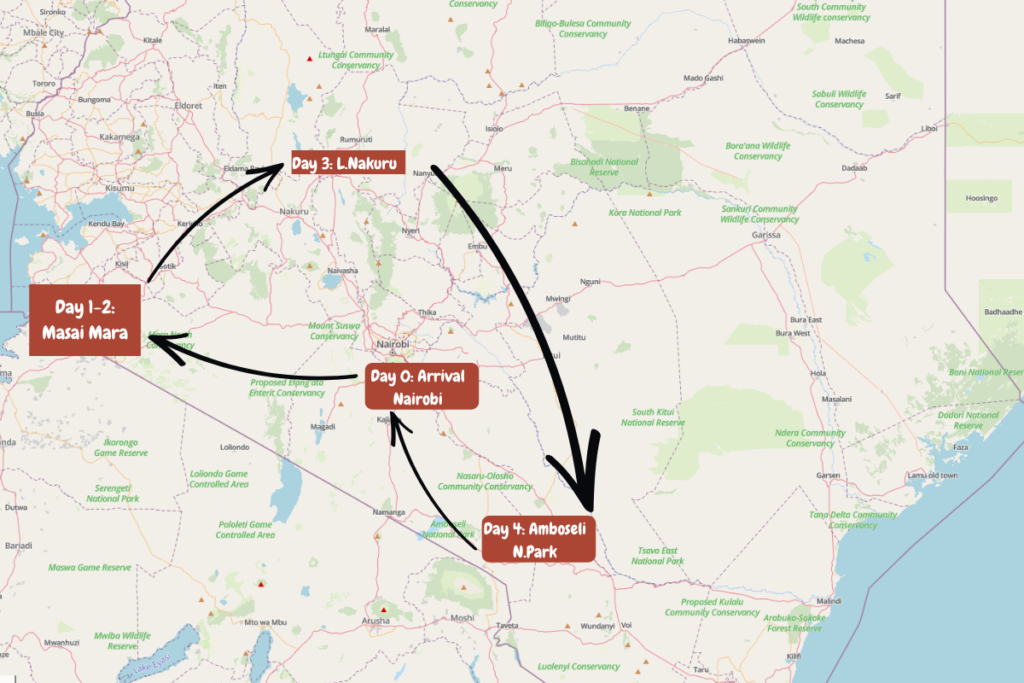
A Kenya Safari Map showing the routes and distances between is essential tool when exploring wildlife between the destinations. This normally assist in knowing which park should give you which type of experience.
| Nr | ROUTE BETWEEN PARKS | DISTANCE(Km) | DISTANCE(Miles) | Driving Time |
| 1 | Lake Turkana National Parks → Tsavo East National Park | 850 km | 528 miles | 14–16 hours |
| 2 | Sibiloi National Park → Amboseli National Park | 820 km | 510 miles | 13–15 hours |
| 3 | Marsabit National Park → Masai Mara National Reserve | 620 km | 385 miles | 10–12 hours |
| 4 | Tsavo East National Park → Maasai Mara National Reserve | 560 km | 348 miles | 9–10 hours |
| 5 | Amboseli National Park → Samburu National Reserve | 430 km | 267 miles | 7–8 hours |
| 6 | Nairobi National Park → Tsavo East National Park | 325 km | 202 miles | 5–6 hours |
| 7 | Nairobi National Park → Amboseli National Park | 240 km | 149 miles | 4–5 hours |
| 8 | Lake Nakuru National Park → Maasai Mara National Reserve | 235 km | 146 miles | 4–5 hours |
| 9 | Samburu National Reserve → Ol Pejeta Conservancy | 185 km | 115 miles | 3–4 hours |
| 10 | Lake Nakuru National Park → Nairobi National Park | 160 km | 99 miles | 2.5–3 hours |
| 11 | Aberdare National Park → Ol Pejeta Conservancy | 90 km | 56 miles | 1.5–2 hours |
| 12 | Amboseli National Park → Chyulu Hills National Park | 70 km | 43 miles | 1–1.5 hours |
Masai Mara National Park: Best for Big 5 & Great Migration
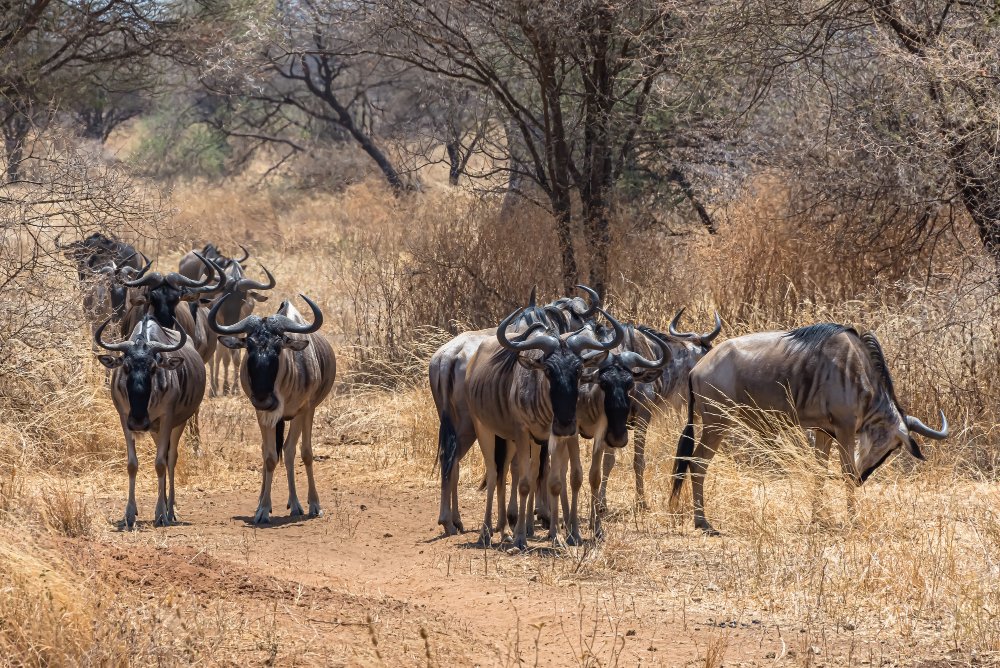
The Masai Mara is one of the worlds renowned parks and is best known for the Mara Crossings- whereby hundreds of thousands of wildebeest crosses the Crocodile infested Mara River to Kenya’s side. This normally happens every July- October.
The park is located on the South western parts of Kenya. Its extension is in the Serengeti National Park.
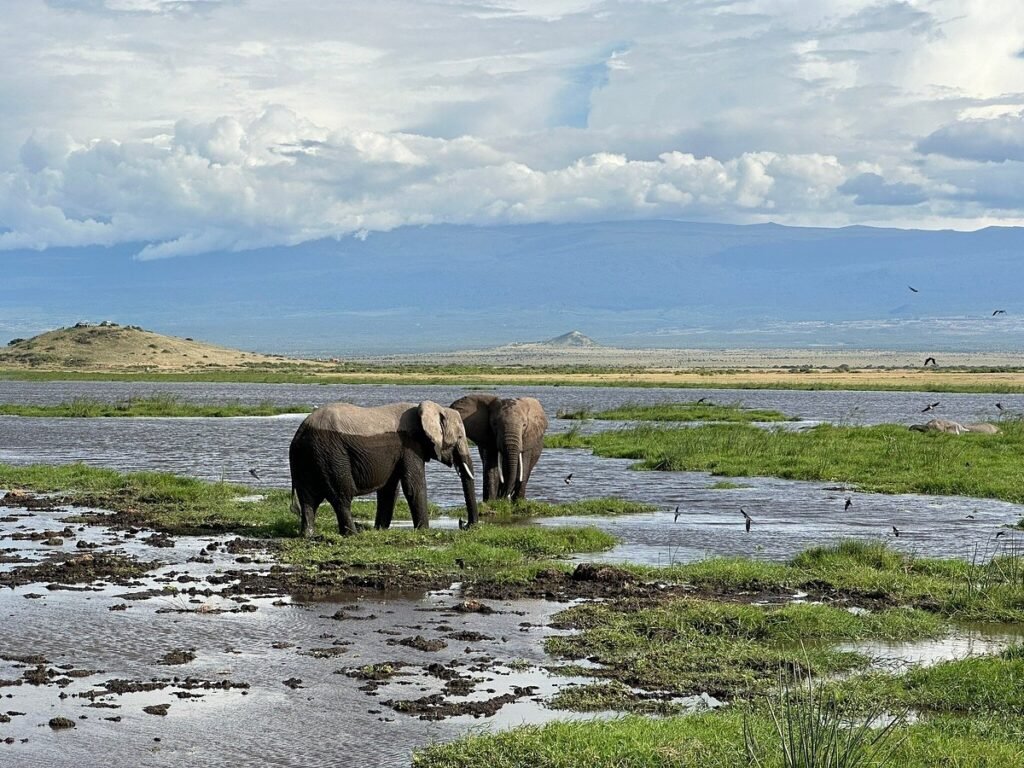
Amboseli National Park- Best National Park in Kenya for Elephants & Mt Kilimanjaro Views.
If you love photography, then this Amboseli National Park would be the best option for you. Located in the Southern part of Kenya, Amboseli is the best national park to visit because of its large elephants, always referred to as the tuskers wading through the swamps majestically with backdrop of Mount Kilimanjaro.
Amboseli suits the photographers, elephant enthusiasts and also if you would like to combine Kenya & Tanzania Safari.
Tsavo East & West National Park- Best Known for its Iconic Elephants
The Tsavo East & West are one of the best National parks in Kenya, best known for its red elephants. The duo national parks are neighboring each other, sharing the same ecosystem and just separated by the Nairobi- Mombasa highway.
Tsavo East is known for open plains, dramatic red elephants and also the iron rich soil. The key highlights includes the Galana River, Lugard falls, Mudanda Rocks and the infamous Yatta plateau.
The open landscapes makes it easier for wildlife viewing therefore its easier to spot elephants, lions, giraffe and other wildlife species found in the park.
Tsavo West is greener, hilly and more dramatic that the Tsavo East. Its landscape comprises of volcanic landscapes, rocky ridges and natural springs such as the Mzima Springs.
Samburu National Park- Best known for the Northern Rare Species.
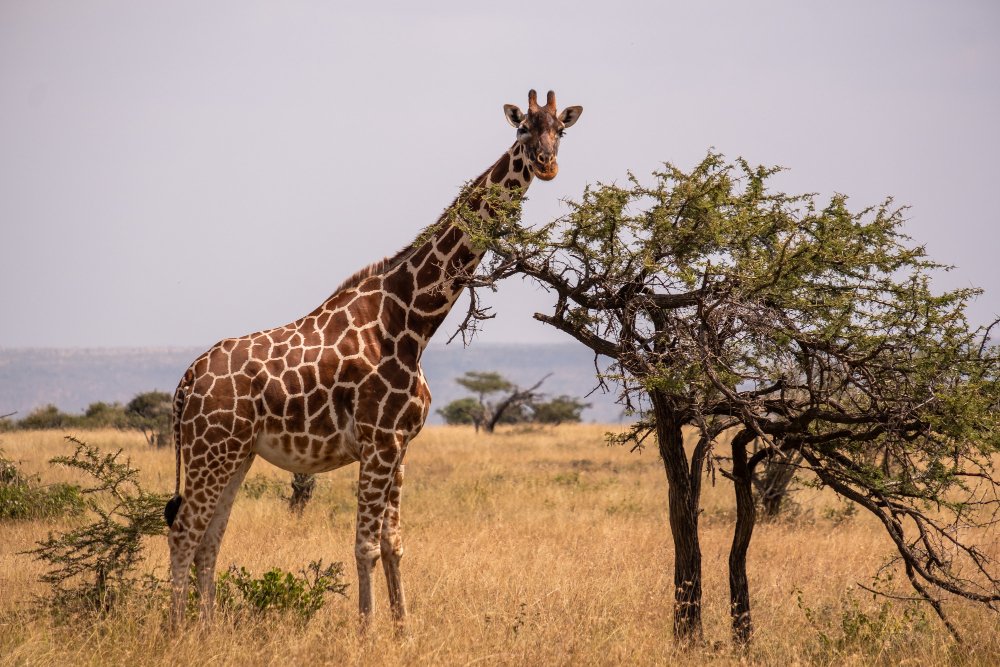
The Samburu National Park is one of the well-known parks in Kenya, hosting rare wildlife that cannot be found in any part of Kenya. Some of the wildlife commonly found at the Samburu National Park includes the Reticulated Giraffe, Grevy’s Zebra and also the Gerenuk.
Ol Pejeta Conservancy – Best for Rhino, Chimpanzee Sanctuary in Kenya
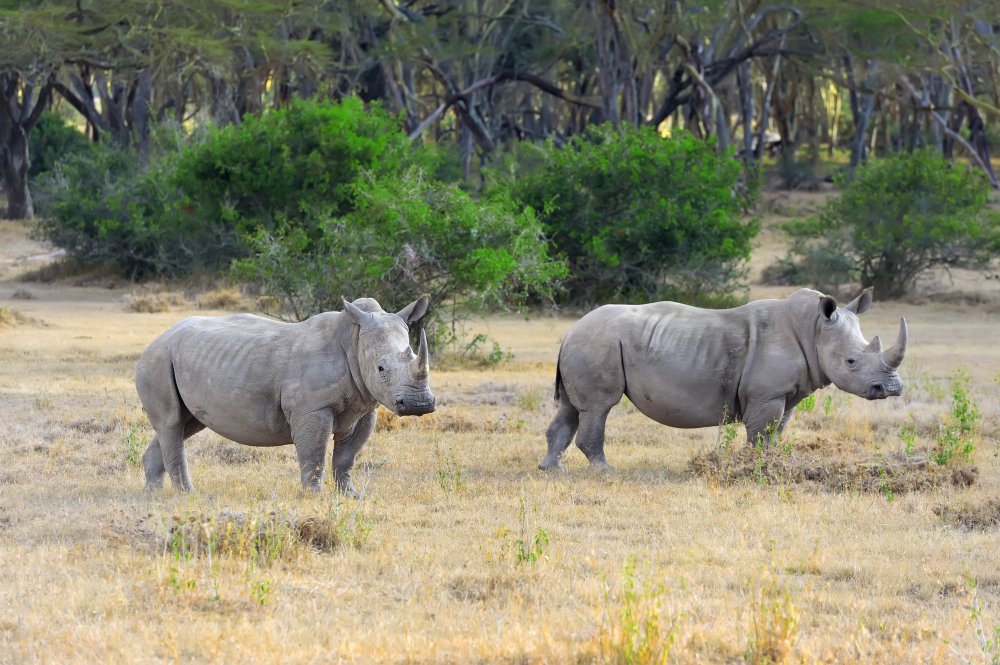
The Ol Pejeta Conservancy is located in Laikipia and is the worlds largest conservancy with black rhinos, two of which are the last 2 white rhinos existing in the planet. It is the best place to be in Kenya whereby you can have a close up with rhinos at a close range.
Ole pejeta conservancy also hosts Chimpanzee which was rescued from severe captivity into its social rehabilitation.
Lake Nakuru National Park- Best for Flamingoes & Birdwatching
Lake Nakuru National Park is renowned for its flamingoes, rhinos and also an exclusive birding experience. If you are on safari to Masai Mara, and your safari package has a drop off to Amboseli or Nairobi either for extension or drop of at the airport, then a 1 night stop at Lake Nakuru National Park could be ideal due to the distance between.
2026 Kenya National Park & Reserves Entry Fees
I have been able to make a summary of Park entry fees for All the National Parks in Kenya. At least this will help understanding the best time of the year which you can plan to visit Kenya and save you on Kenya safari cost.
These were revised in 2025.
Some of the most prominent parks in Kenya include Masai Mara, Amboseli, Aberdares, Lake Nakuru, and both Tsavo East and West National Park.
Starting January 2024, park fees in Masai Mara national reserve Increased by 100%.
| Category | Fee(USD) from 1st Jan 2025-30th June 2025 | Fee(USD) from 1st July 2025 to 31 Dec 2025 |
| Non Resident Adult | 100 | 200 |
| Non-Resident Child(9-17 yrs) | 50 | 50 |
| Non Resident Child (0-8 yrs) | Free entry | Free entry |
Kenya Safari Cost -National Parks & Reserves Park Fee Calculator
🇰🇪 Kenya Park Fees Calculator
Calculate your estimated 2026 Kenya safari park entry fees.
| Traveller | Qty | Rate / Day | Total |
|---|
Best time to Go for Safari in Kenya.
The best time to go on safari is during the great migration which occurs between June and October.
At this time, the vegetations becomes scarce, wildlife congregates closer to the water points while the mara river becomes busy with hundreds of thousands of wildebeest.
Month by Month Summary
| Month | Season | Highlights | Crowd & Cost |
| Jan-Feb | Dry | Excellent viewing calving at Serengeti | Lesser Crowds, Best Rates. |
| March-May | Long rains | Best for birdwatching. | Low Crowds, Lowest Prices. |
| Jun-July | Dry Season Begins | Great Migration Begins. | Crowding begins – Prices Shoots |
| Aug-Sept | Peak Season | Migration river crossing at Peak | Highest Crowd, Rates doubles. |
| Oct | Dry Season ends | Excellent for big five experiences | Lesser crowds |
| Nov-Dec 21 | Short rains | Excellent for Birdwatching, Migratory birds arrive. | Lower crowding and lesser prices |
| Dec 21- Jan 3rd | Shorter rains | Festive season | Medium crowding |
The best thing about visiting Kenya is that it can be done throughout the year and you will always have something to see. January – February is typically dry period and is the best time to visit Kenya for safari if you would wish to balance between having a quiet park experience and also having to pay lower park fees.
How much does a safari trip in Kenya cost?
The real cost of Kenya budget safari is $100-$200 per person per day. Normally, Kenya budget safaris involve sharing vehicle with a group of people averaging between 6-8 people.
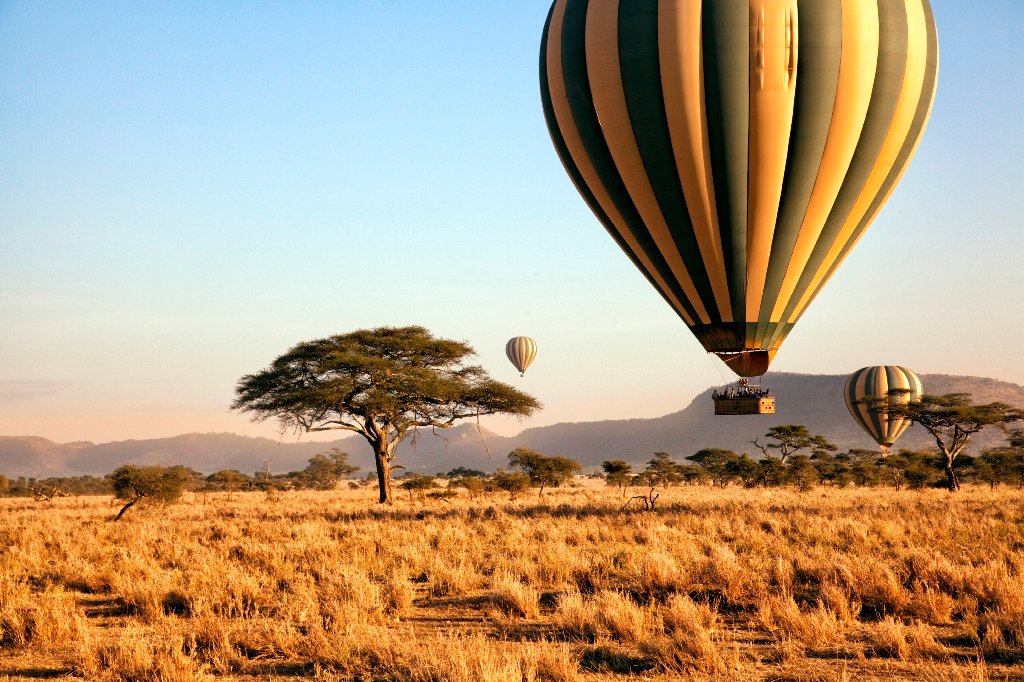
After having experienced Kenya Safari trip from in all Major parks in Kenya for over 36 years, I have seen all types of Kenya safari that you can ever imagine of, be it hot air balloon, Budget, Mid Range, Luxury and even camping options.
But Honestly, prices are normally fair than what is portrayed out there and people think of.
In as much as park fees hits differently, especially for Masai Mara peak season, the rest of the Kenya safari budget solely depends on your travel style.In a nut shelly, the choice of accommodation and mode of travel contribute massively into the much you may end up spending on Kenya Safari tours.
The typical type of accommodation is from basic tents to basic Bandas inside the national parks.
This type of tier is best suit for backpackers and also those who would like to spend more time for game drives at affordable rates. The park entry fees for most of Kenya national parks ranges between $80- $100 per day. I have put together Kenya Safari breakdown based on my first hand experience over 35 years while in kenya and I will be sharing it so that you get to know if in case you are planning your Kenya Safari trip and wants a clearer picture of the costs.
Kenya Mid-Range Safaris Cost
The real cost of Kenya mid-range safaris normally ranges between $300 and $600 per day depending on factors such as the time of the year, type of vehicle and even the accommodation type chosen. This is the most common type of safari especially for first time Kenya safari travelers and also solo travelers. This type of experience is excellent as you spend less and get the most out of the safari.
Luxury Kenya Safari Costs.
For Luxury Safari in Kenya, cost ranges from $600 to $1500 per person per day. This type of safari in most cases offers exclusive use of vehicle while accommodations being at world class tented camps with most of extra services such as sundowners, hot air balloons, bush dinner, gourmet cuisines and also flight transfers.
Some of the luxury camps found inside the infamous Masai Mara National Park include Mahali Mzuri and Angama Mara.
Some of Additional Costs for a Luxury Safari in Kenya
International Flights to Africa from USA to Nairobi: $700 – $1800 (Depending with Season).
Domestic Flights: The average cost of local flights in Kenya is between $200 and $400.
Visa Costs: Kenya Visa costs $51
Tipping: Tipping in Kenya is recommended especially after experiencing exquisite services on average of $10 per day. (Depending with how memorable safari was).
Travel Insurance: On average, the cost of travel insurance ranges between $100- $300.
Summary of Kenya Safari( Breakdown)
| Safari Type | Daily Cost PP | Accommodation | Vehicle |
| Budget | $150-$350 Per Day | For a basic camp | Group based(4×4 Landcruiser on sharing basis), Or Tour Van. |
| Mid Range | $350-$600 Per Day) | Simple Tented Camp with bathroom | Private 4×4 Landcruiser |
| Luxury | $600-$1500 Per Day) | A Premium Tented camp.(Offers value for money) | Exclusive use of 4 X4 Vehicle. Full Game Drives |
| Ultra Luxury | $1500+ per day | Exclusive Camp common in Private conservancy. | Dedicated team for customized Kenya safari experience. |
The cost of Kenya safari that have tabulated above would in most instances comprise of your accommodation of choice, meals -either bed and breakfast, Half board, full board or all inclusive, park fees and also transportation.
Kenya Safari Cost Calculator
Estimate your Kenya safari cost in USD. Choose your safari style, destinations, accommodation, transport and number of nights to get an indicative safari budget.
Plan Your Kenya Safari
Estimated Kenya Safari Cost
This calculator provides an indicative estimate in USD. Final safari prices vary according to travel dates, availability, accommodation, park fees, vehicle type, group size and itinerary. Ravina Tours & Travels Ltd will confirm the final quotation before booking.
How Much Does a Kenya Safari Cost?
The cost of a Kenya safari depends on your travel style, number of nights, destinations, accommodation, transport and travel season. Use this Kenya Safari Cost Calculator to get an indicative estimate before requesting a personalised quotation from Ravina Tours & Travels Ltd.
Kenya Safari Cost by Budget
A budget Kenya safari is suitable for travellers looking for an affordable wildlife experience, while a mid-range safari offers a balance between comfort and price. Luxury Kenya safaris typically include premium lodges or camps, private vehicles and more exclusive experiences.
What Affects the Cost of a Kenya Safari?
The biggest factors include the number of safari nights, park fees, accommodation category, transport, group size, season and the destinations you visit. Masai Mara safari prices can also vary significantly during the Great Migration period.
Get a Personalised Kenya Safari Quote
Your calculator result is an estimate. For exact Kenya safari prices, availability and a personalised itinerary, contact Ravina Tours & Travels Ltd and let our travel experts design your safari around your budget and preferred destinations.
How to Book Kenya Safari in 2027
In order to book your first Kenya safari trip, the first step is to do some research on popular destinations that you may opt to go (This depends with your safari duration, budget and also what you are interested to see). The following are simple steps to Book your first Kenya safari trip. That is basically how I did when I booked my first Kenya safari tour. I have simplified every step that you need to undertake into 5 major ones as follows:
Step 1: Define your Budget and Timings
The first thing you need to know is the budget and when you would wish to go to Kenya for safari. In this, you need to classify the type of travel into Budget, Mid range, luxury and ultra luxury Options.
Travel Timings: You also need to define the season in which you are comfortable with your Kenya safari bookings. The best time to go for Kenya safari is between July and October when the migration is happening and tends to be quite pricier (Peak Season), whereas if you are budget sensitive, planning to go between November and May could be ideal as the prices are lower.
In order to avoid safari burnout, you manage to plan for safari with a duration of between 5 -10 days.
Also, consider the distance between the destination’s choses. Most tours and travel companies would normally assist with planning your custom safari package.
Step 2: Choosing your preferred Safari destinations
As previously stated, depending on your preferred wildlife experience need, you can opt to choose Masai Mara (for the big 5 experience), Amboseli (because of elephant tuskers with background of Mount Kilimanjaro), Lake Nakuru for birding experience and also Ol Pejeta (Known for the rhino populations).
Step 3: Select your preferred Tour Operator
Choosing the best tour and travel company in Kenya is the most important phase when booking your Kenya safari trip. First you may need to conduct a research on companies listed on the KATO or Tourism Regulatory Authority website. This is important to verify their authenticity.
Many people have been conned by scammers and unregistered companies posing to be fully operating in Kenya. Therefore, you need to be cautious. After choosing the company, conduct a background check of the company including their reviews. This will add confidence, ensuring that you get value for money.
Request A Quote: After validating the operation ability of a company, you can now go ahead and request for a quote from 2-3 companies then compare them. Remember to ask them to customize it according to your Kenya safari destination preferences.
Review the Inclusions & Exclusions: It is important to review for the inclusions and exclusions that have been provided on the quote given. This is important. Also, take time to know of any additional expenses that may be required so that you can budget for your safari appropriately.
Pay Deposit: Finally, you can secure your lodges by paying deposit to the tour and travel company. Initial safari deposits ranges from 20-30% of the overall cost of Kenya safari. You can opt to pay 9-12 months in advance then clear the remaining balance between 30-60 day before arrival date.
Note: Ask for 2-3 hotel confirmation vouchers (Depending with your stay duration) from the hotel once you have made your initial deposit. Afterwards, use the confirmation number to check with hotel if they have booking with that confirmation numbers.
Notably, we also have international companies doing Kenya safaris. Some people feel comfortable booking with them as they can be accountable in the event of anything but be assured to pay triple the amount that you will pay for your safari with a local tour operator.
Step 4: Arrange for your Flight & Documents
- If you have your dates locked, you can book for flights to Nairobi – Jomo Kenyatta International Airport – abbreviated as JKIA.
- Ensure that you have a valid passport -of up to 6 months.
- Apply for online Visa – via official Kenyan government portal (ETA) few weeks before departure.
Step 5: Medical Check Ups Preparations
Before travelling, ensure that you have checked with your doctor in regards to vaccinations related to typhoid, Hepatitis A and Yellow fever.
You may also need to obtain Malaria prophylactic prescription from your doctor. However, most of the camps are fitted with Mosquito nets.
If you would want to start planning your next Kenya safari, let me know.
Your Travel Style? Is it a Budget, Mid-Range or Luxury Options? You accommodation preference and also if you need safari to be combined with beach relaxation.
The Great Migration at Glance
Kenya is part of the World’s famous Great Wildebeest Migration where over 1.5 million wildebeest 400,000 zebras, 12,000 eland, and 30,000 Grant’s and Gazelle trek annually from the Southern Serengeti to the Masai Mara ecosystem. This year-long animal activity is a great phenomenon with its timing being pegged on various dynamic factors including weather and the animals themselves. In summary, the migration happens because of rain.This migration is unique as it is a circular movement between the Serengeti and Masai Mara in search of greener pastures, water, and minerals.
Highlights of the Great Migration
As the great Migration happens every year in July, the Wildebeests, Zebras, and Gazelles are met by lethal predators along the way. Apart from threats from big cats, the herds are also faced with the threat of over 3000 crocodiles marking along the muddy riversides of the Mara River.
To say the least, witnessing the fragile herds jumping blindly to the crocodile-infested river Mara is just spectacular to see just before they are rewarded with the greener pastures of the open Masai Mara National Reserve.
For short times, life in Mara becomes better not until the pastures dwindles when they also move away to find better pastures.
Why go to Kenya on Safari?
Kenya is home to over 54 game reserves and national parks and is often considered globally the best tourist destination in Africa due to the number of animals.
Kenya also has diverse landscapes that sweep across vast savannahs and mountains, which makes safari in Kenya an unforgettable experience.
The Masai Mara alone has a population of 900 lions and 2500 elephants according to the latest data and is part of the same ecosystem as the Serengeti of Tanzania.
The Amboseli is quite famous for its elephants with huge tasks, commonly referred to as tuskers with the beautiful views of Mount Kilimanjaro in the background. Tsavo on the other hand is one of the biggest Parks while Lake Nakuru National Park is known for its flamingos and white rhinos. Besides the amazing wildlife, it is quite easy to reach Kenya. In Africa, Nairobi is one of the busiest airports.
Kenya’s airport is the major transport hub in the entire East Africa.
With 23 national parks and game reserves, Kenya is frequently regarded as one of Africa’s top safari destinations because of the vast number of animals that call it home.
The nation also boasts incredibly varied terrain, ranging from towering mountains to expansive savannahs, which make it the perfect place to see some of the most amazing species on the planet.
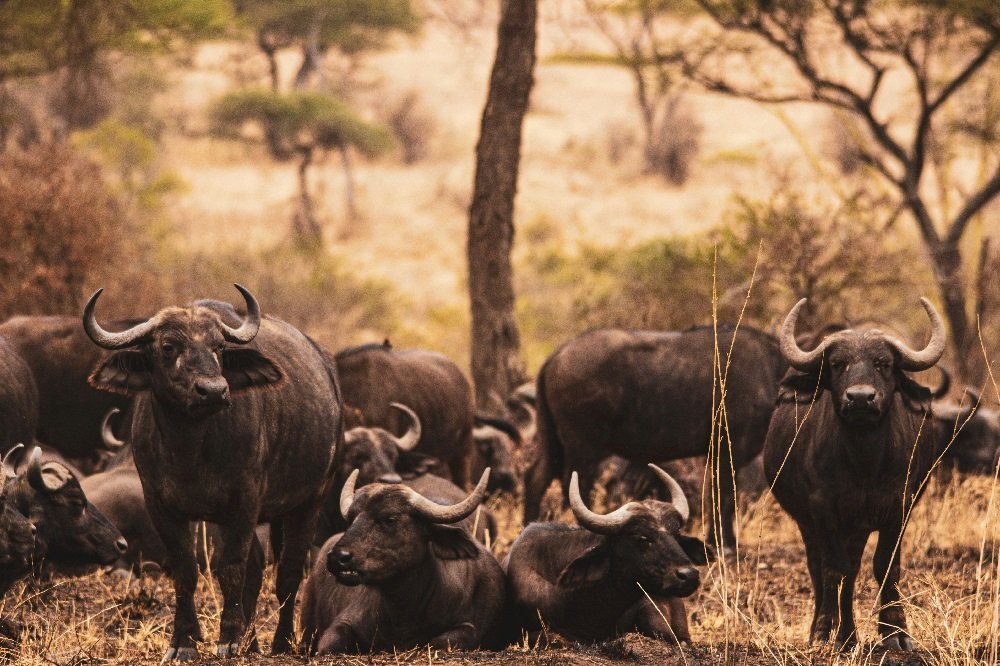
Along with hundreds of other animal and bird species, the Maasai Mara, Kenya’s most cherished national reserve, is home to sizable populations of lions, elephants, African buffalo, rhinos, and cheetahs.
Tanzania’s Serengeti National Park and Kenya’s Masai Mara share the same ecology.
Huge herds of elephants, referred to as “Big Tuskers,” and expansive vistas of Tanzania’s Mount Kilimanjaro are the main draws of Amboseli National Park.
While Lake Nakuru is renowned for being a bird lover’s dream, Tsavo is Kenya’s largest park and one of the largest game sanctuaries in the world.
In addition to the breathtaking beauty and wildlife, Kenya is also incredibly accessible—at least in terms of travel time. You can fly directly to Kenya’s capital from cities all over North America and Africa because Nairobi is one of the continent’s busiest airports.
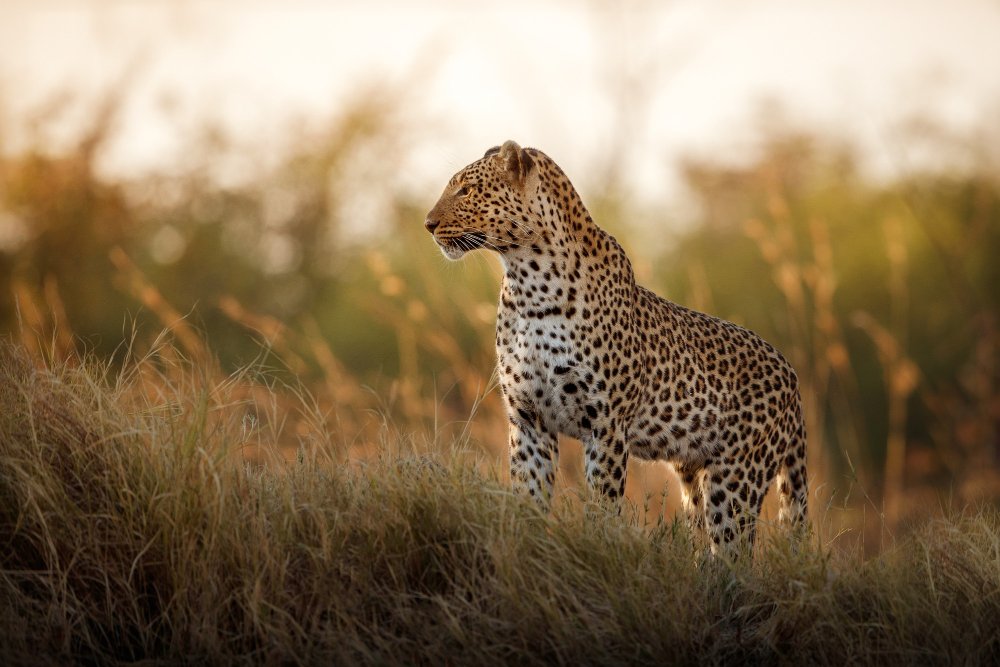
Nairobi Airport also acts as a regional transportation hub, making it simple to schedule a subsequent flight to the Indian Ocean or another African location.
How to Book Your Kenya Safari
How Much Does Kenya Safari Cost?
Although safari is not a cheap holiday option, it is a once-in-a-lifetime event that you will remember forever. Kenya is not one of the cheapest safari destinations, but it is worth every penny.
Some key Kenya safari highlights include the Great Migration at Masai Mara, Mount Climbing at Mt Kenya National Park, the hot springs of Lake Bogoria, and the Flamingoes and white rhino of Lake Nakuru National Park.
To start with, let us see the last park increase in some of the Kenya parks and how it will have an impact on your overall cost of safari.
The consensus of park fee increase in Masai Mara is because the parks nowadays get too busy with safaris. Therefore, through the wisdom of KWS and Narok Country, it was decided to increase park fees in order to reduce numbers while at the same time maintaining the same income level to protect the park.
With the parking fee being around 30% of the safari cost, therefore each safari package would likely increase by the same percentage. For instance, if per day at Mara was costing $300 then it would be increased by $90 to become $390.
To lower the cost of the overall safari, most tour operators would lower the number of days being spent on major National parks such as Masai Mara.
Even though having a high price is not something to celebrate, this one has the benefit of having a better experience in the park as it will now be less crowded enhancing better wildlife viewing opportunities.
Alternatively, it can be rewarding to spend more time at less expensive parks such as Lake Nakuru National Park, Amboseli, and Tsavo and have a better wildlife experience at affordable rates.
While park fees can increase the overall cost of a safari, other factors also include the comfort level of the safari.
East African Safaris are divided into three, Budget & camping, mid-range, and Luxury (With Luxury plus).
Comfort levels mostly refer to accommodations but can also affect the transportation means with mini busses and pop-up roof vans being commonly used at the lower end while Landcruiser and safari jeeps are widely used by high-end and luxury users.
For each of the 3 different comfort levels, I will analyze each of them and show the cost when booking each of them through the DIY(Do It Yourself) approach. This is for anyone interested in Private safari -Self-drive, Group Joining, shared safaris, Local companies, and international companies.
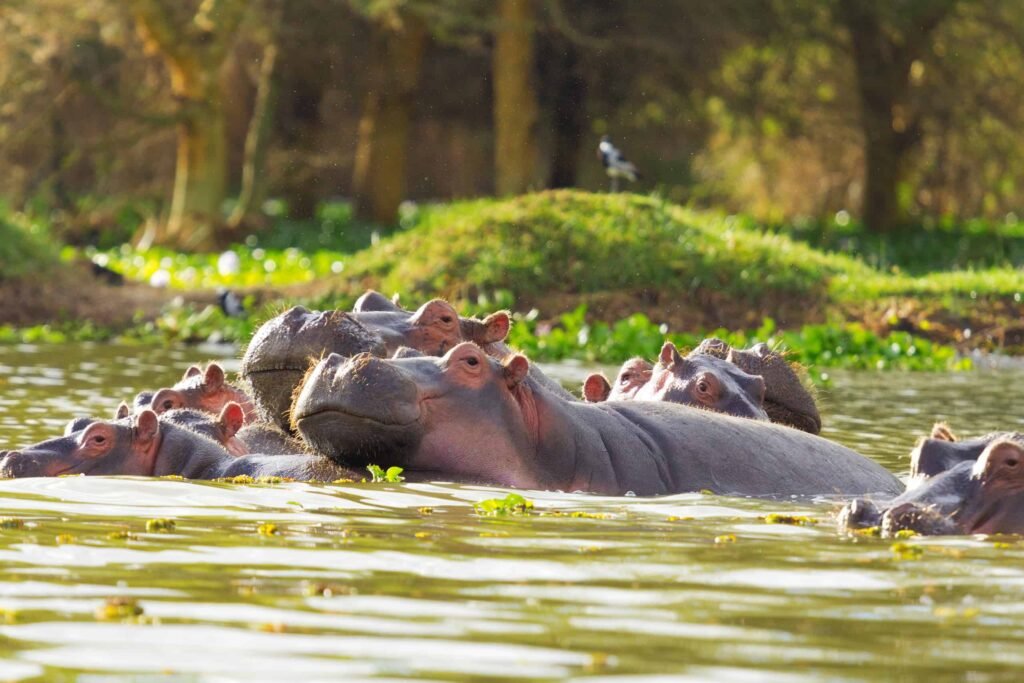
Kenya Budget Safari at Glance
Kenya Budget safari is the cheapest way to experience the typical Kenyan safari where you get to drive through the national parks and view wildlife.
Within the budget safari type, there is also budget camping and budget lodges. Budget camps are those that are semi-permanent and basic tents that are comfortable with private bathrooms.
If you opt for group sharing safari, then most likely you will have budget camping as an accommodation option. These types of safaris are organized by local tour operators on fixed dates, typically 3-6 days.
This type of safari is perfect for solo travelers as they lack the flexibility and comfort of private safaris and can start anywhere from $400.
If in case you are more in number say 2 or more, the cost becomes more affordable as you will be sharing fixed costs such as driver/guide, with other people on the same safari.
Difference Between Budget and Mid-Range
The most common difference between the two is the choice of accommodation and type of safari vehicle. Most probably if you are on a budget safari you will move between parks using the road as internal flights are quite expensive.
The difference between Kenya and Tanzania budget safaris which makes it affordable is that Kenya parks allow for minibuses and safari vans in the parks whereas the Tanzania counterpart only allows Land cruisers which makes Tanzania budget safari more expensive.
When comparing budget and mid-range safaris, accommodation options create the biggest difference. The options available can range from small tents and sleeping bags for group camping to comfortable tented camps with private bathrooms.
The Mid-range of accommodation options are comfortable, have bigger rooms and private space.
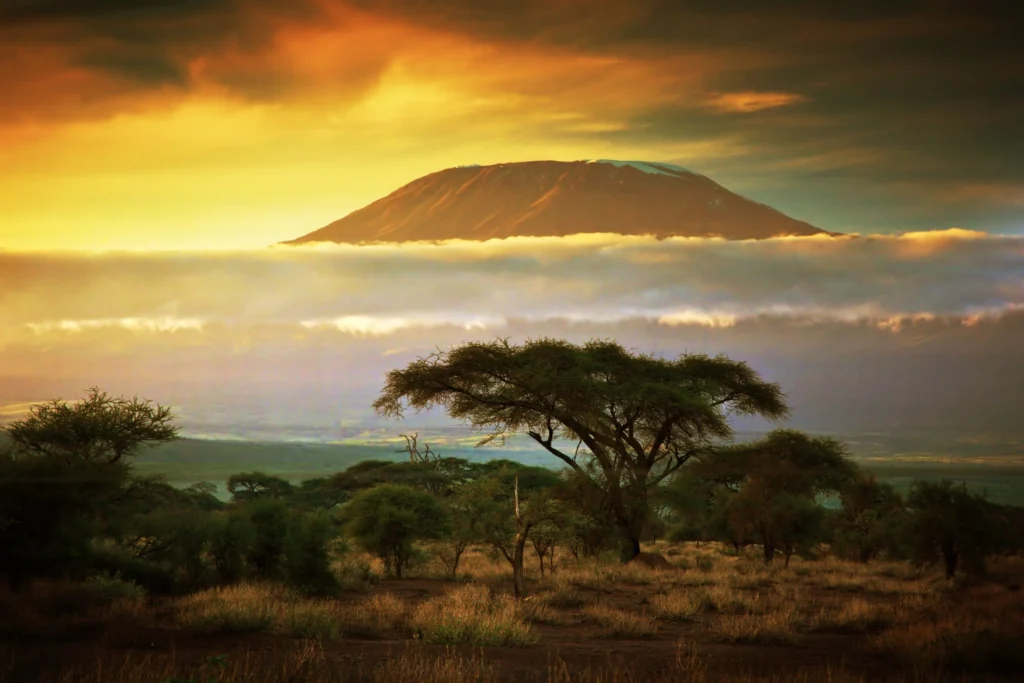
Mid -Range- Safari Cost
In Kenya, mid-range safari are the most popular and widely used. In my opinion, Mid-range safari is the best option as they are just 30% higher than the budget option. This type of safari offers a higher standard of accommodation, with comfortable beds having private bathrooms.
Since the amount of money being spent on Park fees is higher, then it would make sense to spend a little more ranging from $74 to $100 per person daily, and have fantastic accommodation.
Also, you will have a spacious land cruiser option just for the two of you for a more experienced safari.
Luxury Kenya Safari Cost
Kenya has a lot more variety of Luxury safari options with incredible safari accommodation options.
The luxury safari booking through a local tour operator may cost anything between $600 per adult daily to $1500 and can go up to $5,000 and beyond.
With the option of having chartered flights, the long drives between parks are cut off and now you can have 2 daily game drives inside luxurious parks.
When you choose an international travel agent, the cost might be a little bit higher as you will be paying off overhead costs on top of making profits.
In most cases, the luxury safari option perception is sold as the end consumer may not be price sensitive and may be thinking will have additional value than the rest options of safaris.
Perfect 3-Day Kenya Safari Itinerary & Costs
The name “safari,” which means “journey” in the native Swahili language, originated in Kenya. Therefore, it should be no surprise that Kenya is among the top safari destinations worldwide.
Kenya offers something for every safari traveler, with its diverse range of pristine national parks and reserves, home to the renowned Big Five (lions, leopards, elephants, rhinos, and buffalo).
One of the most well-known reserves in the world, the Maasai Mara is an excellent location to see Africa’s big cats and attempt to get a glimpse of the great wildebeest migration, the second greatest terrestrial mammal migration on Earth.
Then there is Amboseli, where the last Big Tusker elephants in Africa can be seen walking before the majestic Mount Kilimanjaro.
With so much to see, you might be wondering if a 3-day Kenya itinerary will cut it?
Yes, it is feasible to enjoy a fantastic three-day safari, and it is a very popular choice.
To explore more of Kenya’s parks and reserves, I would strongly advise adding a few more days to your five-day plan if you have the time.
I would strongly advise going on a 7–10-day safari schedule if you don’t have any scheduling constraints. This lets you take your time seeing all of Kenya’s top attractions.
Different options of a 3- 3-day Kenya Itinerary
Option 1
3 Day Masai Mara Safari Itinerary
In just three days, this journey explores the greatest of the Maasai Mara. First-time tourists who wish to explore one of Africa’s most well-known safari locations favor this well-traveled path.
Since this safari is driven, you won’t have to pay for pricey internal flights. Due to the reserve’s proximity to Nairobi, transportation is usually quick, allowing you to spend more time on safari.
The Masai Mara can be a fantastic option for those on a tight budget because it offers some of Kenya’s most affordable safari lodging options.
Day 1: Maasai Tribe
Following your departure from Nairobi, you will take in breathtaking vistas of the Great Rift Valley on a 6-hour drive. Get to your lodge in time for lunch, and then spend the afternoon touring a Maasai tribe.
You will be given a guided tour of one of the Maasai tribes following lunch. You will interact with the people in a traditional Boma environment during this comprehensive cultural encounter.
Listen to the well-known chanting, learn about pastoral life, and, if you’re feeling upbeat, participate in the Maasai jumping dance. The women will display their vibrant jewelry, and if you’d like, you can purchase some mementos.
Day 2: Maasai Mara National Reserve
You will go on a full-day wildlife drive in Masai Mara National Reserve following an early breakfast. In a 4×4 vehicle, which typically has open sides and a roof that opens for excellent animal viewing, you will be traversing the Mara plains.
Using their local knowledge to predict where the wildlife will be, your guide will show you all the best places to see it.
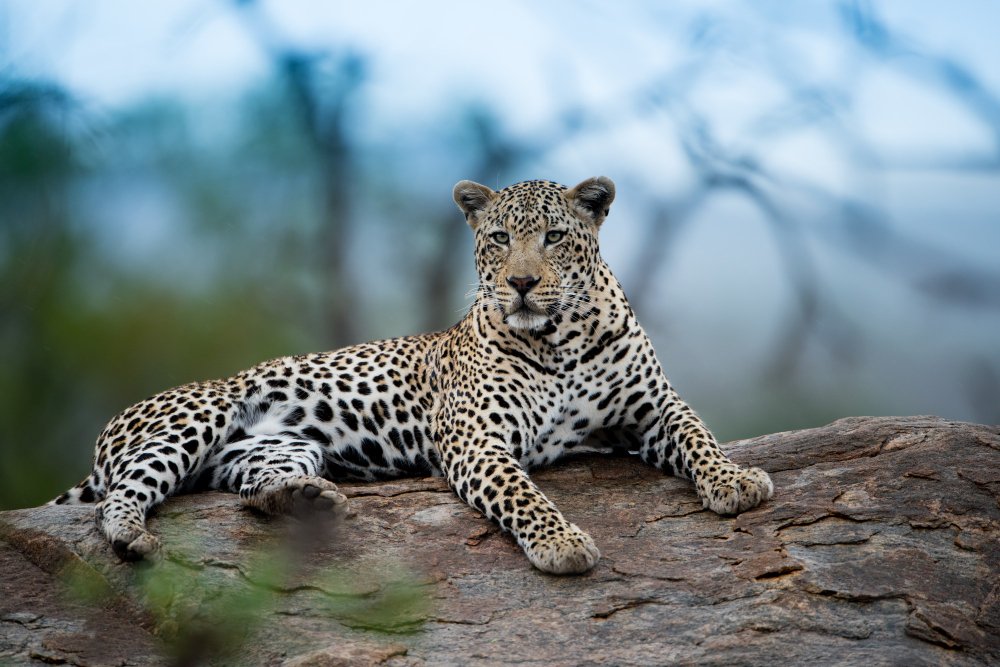
Take a break for a picnic lunch on the banks of the Mara River with a view of a hippo pool or under the shade of an acacia tree.
You will resume your game drive in the afternoon before returning to your lodging in time for dinner at dusk.
Day 3: Maasai Mara to Nairobi
On your last game drive of the trip, you will spend the morning exploring the Masai Mara. Ask your guide if there is an animal you would especially like to see before you leave the reserve, and they will try their best to accommodate you.
To avoid paying an additional day’s admission costs, park departures often occur by 10 AM. On your route back to Nairobi, you will pass through Maasai settlements before arriving in the late afternoon.
Option 2
3-Day Great Lakes Safari Itinerary
Seeing famous lakes and volcanic landscapes in one of Kenya’s most accessible national parks, this tour offers you a new perspective on the country. Enjoy a game drive around Lake Nakuru, go on a boat safari at Lake Naivasha, see flamingos, and end the trip with a strenuous walk in Hell’s Gate National Park.
One of Kenya’s most reasonably priced 3-day safari itineraries, the journey blends modest road miles, breathtaking scenery, and a range of lodging options. It’s a fantastic option if you wish to combine the best that the nation has to offer because of its excellent highways and convenient access to wildlife.
Day 1: Lake Naivasha
After breakfast, depart Nairobi for a picturesque two-hour drive through the Rift Valley. You’ll have some free time to explore Lake Naivasha after you get there. You’ll have a lot of options because the area has a lot to offer. Take a nature walk with a local guide, go horseback riding in a nearby conservancy, or visit a flower farm and stroll among the flowers.
You will take a boat safari around Lake Naivasha after lunch. The local fauna, which frequently gathers near the water’s edge, is best viewed in this manner. Pelicans and fish eagle
Visit Crescent Island, where a protected game refuge is located. The animals were left stranded after the peninsula was severed by rising water levels, which had formerly connected the island to the mainland. You’ll have a better chance of seeing a variety of species when you explore with a native guide, including buffalo, giraffes, wildebeest, and bushbucks.
Day 2: Lake Nakuru
After breakfast, you’ll leave Naivasha and travel for 1.5 hours to Lake Nakuru, where you’ll spend the remainder of the day touring the national park.
Take a guided game drive through the savannah to start your experience, looking for black and white rhinos. Here, lions, waterbucks, and leopards and cheetahs also wander. See if you can find the hippos lounging in the shallows as you conclude your journey down the lakeshore.
On the southwest side of the lake, have a picnic lunch at the Out of Africa overlook.
Choose from a variety of afternoon activities following your outdoor feast. Visit the Hyrax Hill Prehistoric Site, which is a short drive from the town, climb to Makalia Falls, or have a horseback ride around the park’s edge.
Day 3: Hell’s Gate National Park
You will have a lovely two-hour journey from Lake Nakuru to Hell’s Gate National Park this morning. You have a variety of adventurous activities to select from when you arrive, allowing you to explore at your leisure.
Because hikers are free to move over the entire park, frequently alongside giraffes and zebras, hiking is very popular. A guide is required, but they will help you get the most out of your trip. Local companies also offer rock climbing vacations, with routes for more experienced climbers that tackle the towering cliffs.
You can rent bikes at Elsa’s Gate if you want to explore on two wheels. Hell’s Gate Gorge is a picturesque 9-kilometer descent from here. Hiking in the gorge and then cycling upward back to the gate are part of the half-day tour. This one requires a reasonable degree of fitness.
After your hard work, take a dip in the Olkaria Geothermal Spa’s geothermal pools before making the two-hour drive back to Nairobi.
Option 3
3-Day Eastern National Parks Safari Itinerary
In just three days, this incredible Kenya safari itinerary covers a lot of ground. You will have the opportunity to see some of Africa’s most breathtaking vistas, tour the contrasting national parks of Amboseli and Tsavo West, and cross off the Big Five.
This simple tour is ideal for the classic safari experience because of the large herds of elephants and the views of Kilimanjaro.
Day 1: Tsavo West National Park
Before heading south from Nairobi via the Nairobi-Mombasa Highway to Tsavo West National Park, get ready for an early start. The journey through Masai territory is picturesque, with traditional homesteads and cattle herds scattered along the roughly five-hour journey.
After checking into your lodging and refueling with lunch, you can go on a game drive in the afternoon. Elephants with some of the largest tusks in the world are known as mega tuskers, and you may spot them as you plod across the plains in the open-sided safari vehicle.
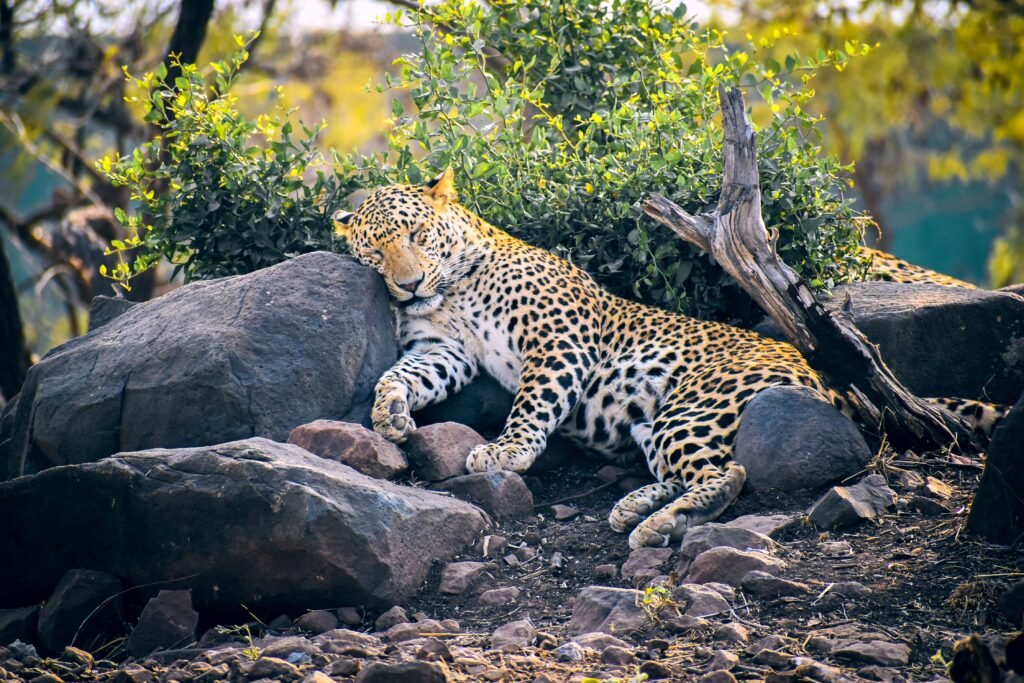
A leopard may be spotted lounging in the woods further along the riverine forests. You can see everything from buffalo to lions here because the majority of the wildlife is concentrated near the river during the dry season.
Day 2: Amboseli National Park
Get up early to see the dawn over the park if you’re staying at a lodge in Tsavo West. Following breakfast, you will take your time driving up to Amboseli, which is only a few hours away.
Take a rest at Mzima Springs, a naturally occurring water feature that draws animals from all across the plains. Hippos and crocodiles can be found there as well. With your guide, you can take a quick nature walk along the route by the pools to get your legs stretched.
After there, Amboseli is the next stop, and Mount Kilimanjaro is growing closer by the minute. After checking into your lodging, go on a game drive in the afternoon. Here, one can frequently see a variety of animals, including buffalo, jackals, hyenas, and the well-known Amboseli elephants.
Day 3: Amboseli to Nairobi
For a final game drive in Amboseli, get up early and see the sun rise over the park, illuminating the plains with color. Since the animals are most active around this time, there’s a strong possibility you’ll see some unusual creatures, such as cheetahs or elephants. Enjoy breakfast in the wilderness while taking in the scenery.
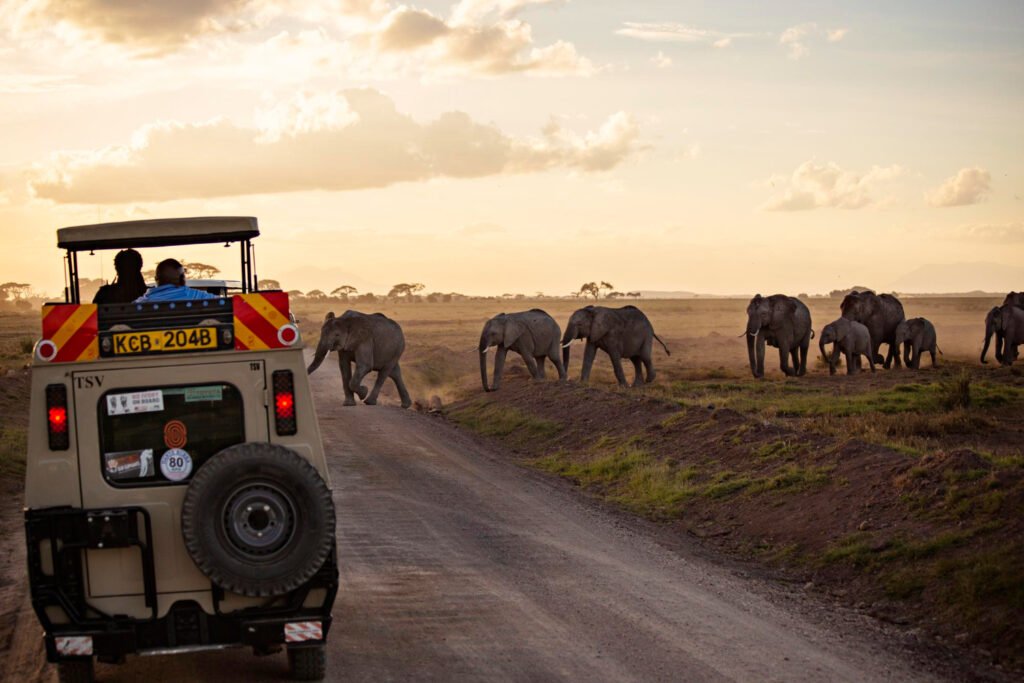
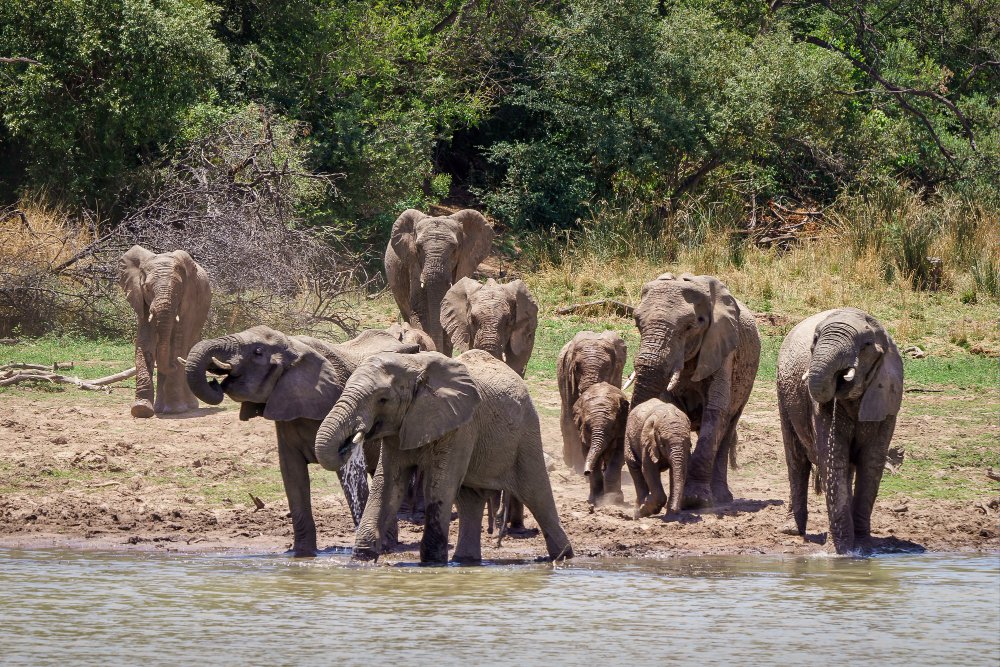
You have a good possibility of witnessing the massive herds of elephants crossing the road in front of you as they make their daily trek to cool off. The elephant herds travel from the woods beneath Kilimanjaro to the wetlands in the park’s center, usually between 7 and 8 am.
After a 5-hour drive back to Nairobi, you will finally depart from Amboseli. You will reach the capital late in the afternoon, just in time for an evening flight or a city stay.
Itinerary Cost
For a private budget safari for two people, budget about $300 per person per day for this three-day Kenya safari itinerary. The number of people attending the game drives and the type of lodging you select affect the cost.
If you want to see the Big Five but don’t want to pay $200 per person per day for park admission, this itinerary is a wonderful choice because Amboseli and Tsavo West are far less expensive than the Masai Mara.
Do you want to minimize expenses? Although most visitors prefer to travel with a guide to increase their chances of seeing wildlife—after all, the natives know best—self-drive safaris are feasible in Amboseli. When traveling alone, don’t forget to account for the park.
Travel outside of these periods to save money because lodging costs are higher during the busiest months of June through October. Aim for the shoulder months if you want a less expensive safari because several locations close during the wet seasons, which are April to May and November to December.
Option 4
3-Day Amboseli Safari Itinerary
You will be traveling through the center of one of Kenya’s most well-known parks on your safari excursion. It’s the ideal location for those classic wildlife encounters, and Mount Kilimanjaro makes for breathtaking scenery.
To learn about traditional Maasai culture and community, you will visit a nearby hamlet and take part in several game drives. For anyone who would rather spend more time in one location rather than traveling huge distances, this 3-day Kenya safari is excellent. For first-time safari visitors who like to view as many animals as possible in a stunning plains environment, it’s the ideal choice.
Day 1: Amboseli National Park
After breakfast, leave Nairobi for the five-hour trip to Amboseli. After checking into your lodge, you will have time to have lunch at the national park.
You will accompany a local guide for a game drive in the national park in the afternoon. Ask if there is something in particular you would like to see. Along the journey, you can learn basic tracking methods, and the guides are frequently delighted to try and locate certain species.
Seeing massive herds of elephants roaming the savannah while Mount Kilimanjaro watches in the distance may be the highlight of the drive. Every day at approximately 5 p.m., this show usually occurs when the elephants make their way from the marshes in the park’s center to the forests underneath Kilimanjaro.
During the peak of the dry season, you will also spend time in the waterholes, where a lot of animals gather.
Day 2: Amboseli National Park
After a filling breakfast, venture into the bush as your reliable guide scouts the day’s top animal locations. Along with many other animals, one may come across lions, giraffes, buffalo, and, of course, elephants.
As part of the day’s safari activities, some operators include a nature walk just outside the national park; if you would like to participate, please inquire in advance. This is a fantastic approach to have a closer look at nature and see the wild in its most unadulterated state.
Savor an outdoor bush lunch on Observation Hill while taking in views of Mount Kilimanjaro and possibly some distant plains wildlife grazing. This is an excellent opportunity to share tales with your guide and gain a deeper understanding of their culture and community. They will occasionally share terrifying stories about their interactions with wildlife!
Drive around the plains and along the banks of the rivers in the afternoon to look for animals, who might be sleeping in the shade from the heat. After that, it’s time to head back to your resort for dinner and sundowners.
Day 3: Maasai Tribe & Drive to Nairobi
Following your last meal in Amboseli, you will go to one of the Maasai settlements located close to the national park’s edge. In addition to walking through the village with a local warrior who will share stories and educate you about the way of life in this isolated area, this is your opportunity to learn more about Maasai civilization.
A Maasai visit offers a singular chance to engage with tribe members, try milking cows, and even purchase memento jewelry to bring home. Songs and dances will be performed to greet you; feel free to join in if you’d like.
When your tour of the village is over, you’ll get back in your 4×4 and head back to Nairobi. Depending on traffic, the trip takes about five hours, so you’ll return to the city in the afternoon.
Option 5
3-Day Kenya Highlights Fly-In Safari Itinerary
The Masai Mara and Amboseli, two of Kenya’s top wildlife locations, are included in this 3-day safari itinerary. Since this is a fly-in safari, you will take an airplane to get from one place to another.
Although fly-in safaris cost more than road-based itineraries, you can spend more time in the parks because of the shorter travel time. Additionally, you will have the opportunity to view Kenya’s diverse landscapes from above, which will enhance your journey even more.
Day 1: Masai Mara National Reserve
An exciting internal flight from Nairobi Wilson Airport to Masai Mara National Reserve kicks off your journey. It will feel like a very exclusive experience because you will be traveling in a small aircraft, usually a Cessna Caravan, with only a few other people. You have plenty of opportunities to take in the view and snap pictures from the windows throughout the hour-long journey.
There are multiple bush airstrips in the Masai Mara; you will land at the one nearest your resort. Similar to a bus, your jet may make multiple stops so that other passengers can board and disembark. The pilot will indicate who must alight at each location, so don’t worry.
After picking you up at the strip, your driving guide will take you through the reserve to your lodging. The trip is like having an extra safari because you may come across several animals.
Before going on an afternoon game drive, you will have the opportunity to explore the lodge and eat lunch after checking in. You will travel in an open-sided safari vehicle, which provides you with the ideal position to observe wildlife. Whether it’s a herd of elephants, a clan of hyenas, or a pride of lions and their young, your guide will make every effort to locate the creatures you are most interested in seeing.
Day 2: Masai Mara to Amboseli
Enjoy another game drive in the Masai Mara to start the day off right. You never know what you could encounter because animals are most active in the mornings. Interested in seeing a cheetah? Your guide will try their best to find one if you let them know.
When you arrive at the airstrip, your guide will drive you to board another bush plane for the one-hour flight to Amboseli. On the trip, keep your camera close at hand for overhead photos of Mount Kilimanjaro and the Great Rift Valley.
You will be picked up from the airport and taken to your lodging when you arrive in Amboseli. Exploring the national park is the main focus of the day, with game drives bringing you far into the forest to look for wildlife.
Day 3: Amboseli National Park
To enjoy the comforts of your safari vehicle while watching the sun rise over the savannah, you and your guide will leave early for the national park. To cross off a few more animal sightings, you will tour the plains, swamps, and woods as the bush gradually warms up.
After that, it’s time to return to the airport in preparation for your flight to Nairobi. You will arrive in the early afternoon because the trip to the city just takes an hour.
You’ll have some time to explore Nairobi if you don’t have an additional flight. Visit the Karen Blixen Museum to learn the true “Out of Africa” tale, browse the Village Market for trinkets, or dine at one of the lively eateries in the city.
Is 3 Days Enough in Kenya?
Yes, you can have a fantastic three-day safari in Kenya.
A 7–10 Kenya safari itinerary, however, is the best way to see the animals and scenery of this stunning East African nation if time and money permit. After your safari, would you like to spend some time at the beach or possibly go to Zanzibar? Then, a two-week schedule that includes Kenya and Tanzania is the best course of action.
You may still see and do a lot in just three days, though, if you have a strict budget or little free time. A three-day road trip is both manageable and exciting due to the abundance of wildlife in Kenya’s most well-known parks and the short driving distance between Nairobi and locations like Lake Naivasha and Tsavo West.
How to Book a 3-Day Safari Itinerary in Kenya?
Local Kenya Safari Companies
It’s advisable to reserve your trip through a local safari operator for the best prices and local knowledge. They frequently have exclusive deals with hotels and lodges that allow them to provide cheaper prices than the general public, and the savings are always passed on to you. With profit margins typically of 15% or less, they also lack the significant overheads of foreign agencies, which keeps costs down and gives you better value.
Because of the vast local communication networks, these businesses are well-informed and have access to the most recent information regarding animal viewing. Going local is the greatest option if you’re eager to witness the Great Migration.
As it should be, making your reservation through a local safari business also helps Kenyan communities directly. Because some operators are better than others, make sure to read other travelers’ reviews.
International Travel Agents
Booking your safari through a reputable international travel agency situated in your home country may make you feel more at ease. In addition to providing purchase protection and organizing your overseas travel, they can handle any kind of vacation request that a local operator would not be able to fulfill.
However, keep in mind that foreign brokers typically tack on a substantial charge (up to 300%) to the local operator rates, which means you’ll pay extra.
Since these agents typically contract out their safaris to local businesses, you might as well make your reservation with the Kenyan operator to save money. Eliminating the “middle man” will also allow you to communicate with the individuals planning your safari directly, which may improve operations.
Private vs Group Kenya 3-day Safaris
Private Kenya safaris
Scheduling a private tour is the best way to enjoy a Kenya safari. When you have an exclusive car and driver handbook, this is particularly crucial for the game driving component. Your guide will make it their goal to find a leopard if you’re itching to see one for the first time. Your safari will be customized to your interests.
You won’t have to wait for other travelers who could be late leaving their hotels in the mornings if you have your safari truck. If you’re having an especially thrilling wildlife encounter on a private safari, the guides may be more willing to stay in the bush a little later than usual.
Having your place is an additional advantage of private Kenya safaris. Making reservations for exclusive game drives is essential if you’re not very outgoing and don’t want to spend a lot of time with the other lodge visitors every day. Additionally, you won’t have to share the best seats in the safari van; you can sit wherever you wish.
Group or shared safaris
Apart from the apparent financial advantage, group safaris offer additional benefits. These kinds of vacations are social events, frequently featuring group dinners that allow you to get to know your fellow travelers rather well.
Joining a game drive with other travelers facilitates the development of relationships via shared experiences, transforming the entire trip into a vacation with friends.
Naturally, this may go both ways, and it may feel a little strange if you don’t have many interests with the other visitors. But the reason you’re all here is to see the animals, who always steal the show.
Due to the significant cost savings and opportunity to network with other travelers, group safaris are especially fantastic for lone travelers.
How Much Does a 3-day Kenya Safari Itinerary Cost?
Although they are expensive, safaris are rewarding and frequently regarded as a once-in-a-lifetime opportunity. One of the greatest safari destinations in Africa is Kenya, where a trip can frequently be less expensive than a comparable vacation in Tanzania or Botswana; however, the difference is narrowing as a result of increased park fees.
The price of a Kenya safari varies significantly based on the type of lodging you select. In Kenya, the average cost of a private safari is approximately $300 per person per day for a low-cost trip, $400 for a mid-range tour, and $600 for a luxury one. Full board lodging, special game drives, park admission, car, guide, and taxes are all included in these all-inclusive rates.
If you choose a less expensive option, you can save up to 27% by scheduling a shared safari instead of a private one. Based on shared game drives and inexpensive camping with common restrooms, these group safaris start at about $220 per person per day. Since single extras on private safaris may be highly costly, this is a fantastic choice if you’re traveling alone.
When choosing your safari site, keep in mind that national park fees might make up as much as 30% of the total cost. While some parks are more costly than others, admission to the Mara is the most expensive. Reducing the number of days spent in the park or selecting an alternative reserve with lower admission costs are two ways to save money.
The pricing varies throughout the seasons as well. Safari rates are at their highest during the dry season, which runs from June to October. This is especially true if you’re visiting during the Great Migration in July or August.
With cheaper prices, fewer tourists, and more unexpected experiences, traveling to Kenya in the shoulder months of January, February, November, and December can be a wise compromise. During the rainy season, several locations stay open, but keep in mind that transport becomes more challenging and occasionally impossible. This isn’t the ideal time of year for a safari because it’s much tougher to see animals.
Road-based tours are less expensive, but if you have the extra cash, fly-in safaris skip the lengthy drives and offer an exciting aerial view of Kenya. For a single peak season trip, flights can cost anywhere from $200 to $420 per person, which can add up, particularly if you’re visiting multiple parks.
While self-drive safaris are less expensive than utilizing a local operator, they are available in several of Kenya’s national parks (except the Masai Mara, where self-driving is prohibited as of June 2024). A driver’s guide, on the other hand, is not that expensive and will provide a more comfortable, secure, and animal-spotting experience.
Kenya Safari Tips & Tricks
Keep in mind that you usually get what you pay for while going on a safari in Kenya. Booking a low-cost trip may save you money, but the quality of the safari vehicle and lodging will suffer as a result. Minibuses are frequently used by less expensive operators in place of open-sided 4x4s, which makes wildlife viewing more difficult and less pleasurable. Make sure you understand what you’re getting into if this is essential to you.
Most airlines have a stringent baggage weight limit of 15 kilograms for domestic flights, and Safarilink and Air Kenya are no exception. Therefore, utilize soft-sided bags instead of hard cases and pack light.
While on safari, do you need to do any laundry? The majority of lodges provide this service, but be in mind that some may not wash women’s underwear due to cultural differences, so pack your underwear carefully!
Any three-day Kenya safari must include a Maasai cultural encounter, but choosing the correct one is crucial. Make sure to let your operator know that you’re seeking a more immersed experience away from the major tourist attractions, because some trips feel overly marketed and unauthentic.
2-Week Kenya Safari Overview
The ideal two-week Kenya safari schedule is provided below. This itinerary takes you to several of Kenya’s most popular national parks and reserves, where you may almost certainly see some amazing wildlife.
Day-by-Day Breakdown of the Ultimate 2-Week Kenya Safari Itinerary
Day 1: Nairobi
Greetings from Nairobi! It’s ideal to acquaint yourself with your new surroundings on your first day in Kenya.
Nairobi serves as both Kenya’s capital and the entry point to some of the greatest natural areas on earth. Since there are a lot of travel companies established here, airport pickup is probably included in your trip package.
You can plan some activities or just go to the hotel and unwind, depending on when your flight comes (and how exhausted you will be upon arrival!). Although there is a lot to do in Nairobi, we wouldn’t blame you if you would rather sleep well in order to be ready for the exciting two weeks that are ahead!
Day 2: Nairobi to Maasai Mara
You will begin traveling westward from Nairobi in the direction of the Masai Mara, which is regarded as one of Kenya’s most well-known national parks.
You’ll be treated to breath-taking views of the Rift Valley during the drive. You can pause at the Great Rift Valley Viewpoint, which is a great place to stretch your legs and take pictures, after around 1.5 to 2 hours of driving.
Because of the continuous geological movements that continue to affect its terrain, this is the world’s greatest valley and is always changing.
At Narok, you’ll probably make a second, brief stop to refuel. The nearest big town to the Masai Mara is Narok, which is roughly three and a half hours from Nairobi.
You can have a satisfying and tasty supper at a park lodge if you’re hungry after arriving in Masai Mara. Then, you can visit the Maasai tribe in the afternoon to wrap up your day.
I strongly advise starting early because the drive from Nairobi to the Talek Gate, the entrance to the Masai Mara reserve, takes almost six hours. You may spend more time with the intriguing Maasai and avoid having to drive in the dark thanks to this!
Day 3 & 4: Maasai Mara National Reserve
Make sure you’re up and at ’em when the sun rises since the animals are at their most active in the early morning, which is the ideal time of day to go on safari! Depending on how far your lodge is from the reserve gates, I advise setting your alarm for approximately 5 a.m. since the gates open at 6 a.m.
Try to remain in the park until the gates reopen at 6 p.m. if at all possible. This increases the likelihood of some memorable sightings by making the most of your time in the park.
I can assure you that it is worth the long hours spent in a safari jeep! Just before dusk, I witnessed a lion kill a wildebeest. Seeing something so strong was amazing, and I’m very happy we spent the day in the park!
If you returned to your lodge for lunch, you would have to pay the Masai Mara entrance fee again because they charge it each time you enter the park. To spend the entire day in the park, instead, pick up a packed breakfast and lunch from your lodge before you depart.
Your lodge should have no issue making the packed lunch that almost every safari traveler needs. Just be sure to inform them the night before if you have any food restrictions (vegetarian, vegan, etc.).
There is typically a good amount of food offered, even though it could be costly if you have to pay for the packed lunch separately. You’ll regret it later when you can’t hear a lion roaring over your stomach grumbling, so don’t cut corners on this one, I promise!
Your lodge will serve you another delicious lunch to cap off the day. The range of cuisine that may be prepared in the heart of the Masai Mara is just astounding!
Day 5: Naivasha
You will travel five to six hours today, traversing a range of roads from buttery smooth to full-fledged African massage. By starting early, you can avoid driving at night and make sure you reach your next destination in time for lunch and afternoon activities.
After reaching Lake Naivasha, have lunch at your resort and recover for a while before continuing with the day’s activities.
An afternoon boat ride, which offers a fresh viewpoint on the lake’s fauna, is one of the most well-liked activities here. The majority of boat tours stop at Crescent Island, where you may go on a walking safari and observe a broad range of animals, such as giraffes, gazelles, zebras, and wildebeest.
Day 6: Lake Nakuru National Park
You will drive to Lake Nakuru, which is only two hours away, after another early start. You will arrive in time for a late-morning wildlife drive in Lake Nakuru National Park.
Now that you’ve had a brief overview of the neighborhood, it’s time to settle in for lunch and make plans for the afternoon! Horseback riding and an afternoon bicycle safari are a couple of the options. If you’d rather do something a little more laid-back, you could go on another gaming drive.
Day 7: Ol Pejeta Conservancy
You can go on a wildlife drive for the remainder of the day after driving from Lake Nakuru to Ol Pejeta. You will undoubtedly want to take some pictures of the rhino population in the reserve, so be sure to keep your cameras out.
You may also see the poignant Rhino Memorial, which was constructed in remembrance of all the rhinos that have been poached, and the Equator sign while you’re in Ol Pejeta. while an alternative, take a horseback ride or observe the K9 anti-poaching squad while they practice tracking.
Day 8: Ol Pejeta Conservancy to Amboseli National Park
You may anticipate spending the entire day on the road because the drive should take eight to ten hours. During the journey, you will pass through Nairobi, so I suggest making time for a lunch break there.
You’ll probably want to get a short meal and go straight to bed as soon as you get to Amboseli!
Day 9: Amboseli National Park
Prepare yourself for a full day of Amboseli wildlife drives. Make sure to get up early today because the park gates open at 6 a.m.
To ensure you have enough time to reach the elephant crossing into the marsh, you should arrive at the gates as soon as they open. The optimum time to see large animals like lions and cheetahs is in the early morning.
Enjoy a picnic lunch atop Observation Hill in the afternoon while admiring the expansive, all-encompassing views of the park. After that, it’s off again for a safari in the afternoon.
Staying in the park for as long as possible can significantly improve your chances of seeing more animals, much like in the Masai Mara.
Day 10: Amboseli to Tsavo West National Park
You’ll travel to another of Kenya’s most cherished parks today, which is located near the Tanzanian border. You might be fortunate enough to enjoy some amazing views of Mount Kilimanjaro, despite the drive being somewhat long.
You will arrive in time for lunch and an afternoon wildlife drive after crossing the Chyulu Gate into the Tsavo West from Amboseli.
Day 11: Tsavo West National Park
For your final game drive in Kenya, get up and shine. After leaving early for a wildlife drive in the morning, you will return to the lodge for a hearty lunch and spend the afternoon unwinding.
Day 12: Tsavo West to Diani Beach
You will travel from Tsavo West to Diani, which is situated at the southeast tip of Kenya, in around five hours.
You can spend the afternoon in Diani getting back in touch with your inner beach bum, snorkeling in the pristine waters, or just enjoying a few cocktails at one of the beach bars if you depart early enough.
You’ve earned it, so take some time to appreciate the relaxed charm of this classic beach town. After following this plan, you probably need a break.
As an alternative, if you’re more of a city dweller, you could always visit Mombasa, the second-biggest city in Kenya.
As the capital of Kenya during the British colonization and a major trading hub for the Indian Ocean trade, Mombasa is also a fascinating place for history buffs to visit. Relics of this lengthy past can be found everywhere.
Day 13: Diani Beach
Diani is the ideal location to round up a trip to Kenya. The ideal setting for your final full day is the shimmering Indian Ocean, the white sand, and the laid-back atmosphere.
Things to do in Diani
- Unwind on the shore
It’s difficult to resist Diani’s lovely white sand, and I wouldn’t blame you if you chose to sunbathe all day.2. Go scuba diving
Diani is fortunate to have coral reefs all around it, and the Indian Ocean’s warm water makes snorkeling there an alluring activity. Nomad Beach, which is directly in front of Nomad Beach Bar & Restaurant, is the greatest place to go snorkeling.3. Dine at One of the Delectable Restaurants in Diani
You could be craving a few delectable meals after consuming picnic lunches from the safari hotels for the past ten days! Diani provides a wide variety of dining alternatives for hungry tourists, from upscale seafood restaurants to laid-back cafes
You can’t go wrong with a visit to Nomad Beach Bar & Restaurant, which provides expansive views of the beach and delicious local and foreign cuisine. This location is a Diani institution and is adored by both locals and visitors.
Try Ali Barbour’s Cave Restaurant, which is located in the center of a natural cave, if you’re searching for something different!
4. The National Reserve of Shimba Hills
Visit Shimba Hills National Reserve if you aren’t quite ready to bid Africa’s wildlife farewell. One of the biggest coastal forests in East Africa, it is abundant in both plants and animals. During game drives in the reserve, visitors can see waterbuck, giraffes, elephants, hyenas, leopards, and more.
- The Center for Colobus Conservation
The goal of this nonprofit organization is to preserve the endangered Colobus monkey. Visitors can witness colobus monkeys, vervets, sykes, and baboons on the center’s guided primate eco-tours.
Day 14: Diani Beach to Nairobi
You can take a one-hour flight or a full-day drive back to Nairobi to wrap up your journey.
If you choose to fly, you can either take a morning flight and see Nairobi in the afternoon, or you can spend the morning lounging in Diani before your afternoon flight.
You would have to travel back up the Nairobi-Mombasa Highway towards Chyulu Hills National Park if you choose to drive back to Nairobi.
On a paved roadway, the trip from Mombasa to Nairobi is essentially a straight shot, making it a fairly easy but lengthy journey. As always, get out of there as early as you can to avoid driving at night.
Final Thoughts
To be honest, when it comes to having an amazing African safari, Kenya is unmatched. There are a ton of amazing national parks and reserves throughout the nation. It should come as no surprise that some of my favorite safari experiences have taken place in Kenya, with so much amazing wildlife to witness!
During a 14-day safari, you can see several of Kenya’s top attractions. You can have some amazing safari experiences just by visiting the Masai Mara and Amboseli, but you can really understand the extent of the wildlife here when you also include Ol Pejeta and the two lakes.
And there isn’t a better way to wrap out a trip to Kenya than to explore Tsavo West before continuing on to the breathtaking beaches of Diani! This seaside region not only lets you see a different aspect of the nation, but it also lets you unwind in paradise and end your journey on a positive note!