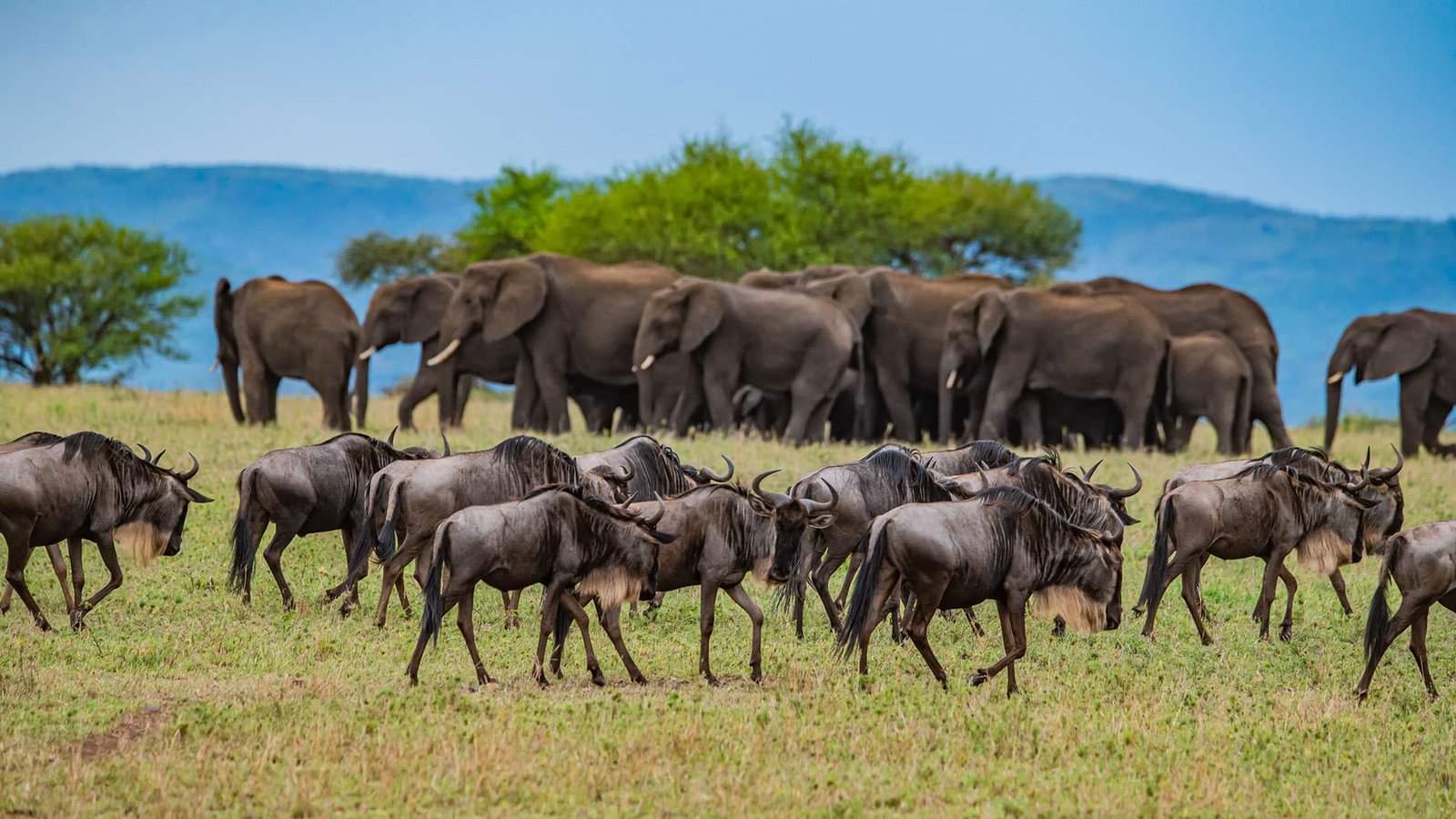
A Kenya safari offers the chance to see lions, elephants, buffalo, leopards, cheetahs, giraffes, hippos, rhinos, and many other wild animals in their natural environment. These encounters are often the highlight of a trip, but it is important to remember that wildlife is unpredictable. Even animals that appear calm or accustomed to safari vehicles can react quickly when they feel threatened.
Staying safe around wildlife does not mean being afraid of the animals. It means understanding their behavior, following safari rules, and listening carefully to your professional guide. Whether you are visiting the Maasai Mara, Amboseli, Tsavo, Samburu, Lake Nakuru, Ol Pejeta, or another wildlife destination, a few simple habits can help make your safari both safe and enjoyable.
Always Listen to Your Safari Guide
Your driver-guide is your main source of safety information during a game drive. Professional safari guides spend years learning about animal behavior, tracks, habitats, roads, weather conditions, and the specific areas where they operate.
If your guide asks you to remain inside the vehicle, stay quiet, sit down, or avoid moving suddenly, follow the instruction immediately. Your guide may notice something that you cannot see, such as an animal hidden in tall grass or a herd approaching from behind the vehicle.
Do not assume that you know what is safe simply because you have watched wildlife documentaries or previous safari videos. Conditions change from one encounter to another.
Never Approach Wild Animals on Foot
One of the most important Kenya safari safety rules is never to approach wild animals on foot unless you are in a designated area with a qualified guide.
A lion, elephant, buffalo, rhino, hippo, or leopard may react defensively if a person comes too close. Even herbivores can be dangerous when they feel threatened, particularly when protecting young animals.
If you are outside the vehicle at a lodge, campsite, picnic area, or viewpoint, follow the property’s instructions about where you can walk. Some safari camps are unfenced, meaning wild animals may move through the area.
Stay Inside the Safari Vehicle
During a normal game drive, remain inside the vehicle unless your guide has specifically identified a safe place where you can get out.
Do not stand up suddenly, lean far outside the vehicle, or attempt to touch an animal. Keeping your body inside the vehicle helps prevent animals from viewing you as a separate threat or target.
Even when a lion is resting close to the vehicle, remember that the animal is wild. Do not assume that the vehicle makes you completely invisible or invulnerable.
Give Elephants Plenty of Space
Elephants are among Kenya’s most impressive safari animals, but they should always be treated with respect. An elephant may appear relaxed while feeding, but its behavior can change if it feels that a vehicle is blocking its route or getting too close.
Never ask your driver to move closer simply to get a better photograph. If an elephant approaches your vehicle, remain calm and let your guide decide what to do.
Avoid shouting, sudden movements, or attempting to attract the elephant’s attention. Allow the animal to cross the road or move past the vehicle without interference.
Be Especially Careful Around Buffalo
The African buffalo is one of the animals that deserves particular respect during a Kenya safari. Buffalo may look slow and relaxed while grazing, but they are powerful animals capable of moving quickly when disturbed.
Never attempt to approach a buffalo on foot. During a game drive, remain inside the vehicle and allow your guide to determine a safe viewing position.
If a buffalo appears agitated, your guide may choose to increase the distance or reposition the vehicle. Trust that decision.
Keep Your Distance from Lions and Other Predators
Lions, leopards, and cheetahs are some of the most sought-after animals on safari. Their presence near a vehicle can create exciting photographic opportunities, but visitors should never forget that they are predators.
Do not make noises to get a lion to look toward your camera. Avoid shouting, calling the animal, or making unusual sounds. Never attempt to attract a predator by offering food.
Leopards can be particularly difficult to see because they often rest in trees or dense vegetation. If your guide tells you that a leopard is nearby, remain patient and quiet rather than trying to force a closer sighting.
Do Not Get Too Close to Hippos
Hippos spend much of their time in water, which can make them appear harmless. They are actually large, powerful wild animals and can be highly territorial, especially around water.
Never approach a hippo on foot or get between a hippo and the water. If you are staying near a lake, river, or waterhole, follow your guide’s instructions and never walk toward an animal simply because it appears to be far away.
Hippos can move surprisingly quickly over short distances, so maintaining a safe distance is essential.
Be Careful Around Rhinos
Seeing a rhino in Kenya is a memorable experience, particularly in conservation areas where populations are carefully protected. Rhinos have poor eyesight compared with some other animals but possess strong senses of smell and hearing.
Never approach a rhino on foot or attempt to get its attention. Keep quiet and allow your guide to position the vehicle safely.
If a rhino appears nervous, begins moving quickly, or changes direction toward the vehicle, remain calm and follow your guide’s instructions.
Never Feed or Touch Wildlife
Feeding wild animals can change their natural behavior and encourage them to associate humans and vehicles with food. This can make animals dependent on people and may eventually create dangerous encounters.
Never offer animals snacks, fruit, or other food from a safari vehicle or lodge. Do not throw food toward animals to attract them for photographs.
You should also never attempt to touch wildlife, even if an animal approaches close to a vehicle.
Keep Children Close and Supervised
Families should take additional care around wildlife. Children may become excited when they see an elephant, lion, giraffe, or monkey and may move suddenly or make loud noises.
Parents and guardians should explain safari safety rules before entering a park or reserve. Children should remain close to adults and follow the guide’s instructions at all times.
At lodges and camps, find out whether the property is fenced or unfenced and whether children need to be accompanied by an adult when walking around the grounds.
Be Careful After Dark
Wildlife does not stop moving when the sun goes down. In fact, many animals are most active during the evening and night.
If your lodge or tented camp advises guests not to walk alone after dark, take the instruction seriously. Ask staff for an escort when necessary.
Never leave your tent at night simply because you hear footsteps, rustling vegetation, or animal sounds outside. Contact camp staff and allow trained personnel to determine what is happening.
Do Not Leave Food Outside Your Tent
Food smells can attract animals and other wildlife. Avoid leaving snacks, leftovers, or open food containers outside your accommodation.
Follow your camp or lodge’s instructions for storing food and disposing of waste. Keep doors, windows, and tent openings secured according to the property’s safety guidance.
This is particularly important in unfenced camps where wildlife can move through the property.
Stay Calm During Unexpected Encounters
If an animal comes closer than expected, do not panic. Avoid screaming, running, or making sudden movements unless your guide tells you otherwise.
Your safari guide will normally know how to respond to the situation. Remain seated, stay quiet, and follow instructions.
Running from certain wild animals can trigger a chase response, while sudden movements can make an already nervous animal more alert. Remaining calm gives your guide the best opportunity to manage the encounter safely.
Follow Park and Conservancy Rules
Every protected area can have its own regulations concerning vehicles, walking, photography, camping, and wildlife viewing. These rules exist to protect both visitors and animals.
Before entering a park or conservancy, listen carefully to the briefing provided by your guide. If you are unsure whether something is allowed, ask before doing it.
Do not assume that a behavior permitted in one conservancy or private reserve is permitted in a national park. Rules can vary considerably between destinations.
Do Not Use Your Phone to Distract Wildlife
Avoid playing music, animal sounds, videos, or loud notifications from your phone during wildlife encounters. These noises can disturb animals and may also distract your fellow travelers.
Keep your phone on silent and concentrate on the experience. If you need to make a call, wait until the vehicle has moved away from an important wildlife sighting.
Photograph Wildlife Without Taking Risks
A great photograph is not worth putting yourself or an animal at risk. Never lean dangerously out of a vehicle, leave the vehicle without permission, or ask your driver to position the vehicle in an unsafe location.
Use a zoom lens or binoculars instead of trying to move closer. Experienced safari guides can often position the vehicle in a way that provides excellent viewing opportunities while maintaining an appropriate distance.
Remember that wildlife behavior matters more than getting the perfect photograph.
Choose an Experienced Safari Operator
Your choice of safari operator can have a major impact on safety. A reputable company should use experienced driver-guides who understand wildlife behavior, park regulations, vehicle safety, and emergency procedures.
Before booking, consider asking about the experience of the guides, type and condition of safari vehicles, communication arrangements, emergency procedures, and the destinations included in your itinerary.
A professional safari company should place passenger safety and wildlife welfare ahead of getting the closest possible animal encounter.
Common Kenya Safari Safety Mistakes to Avoid
Some of the most common mistakes are easy to prevent. Do not leave a vehicle without permission, approach animals on foot, feed wildlife, shout at animals, block their movement, or ask your driver to drive dangerously for a photograph.
Do not walk around an unfenced camp alone at night, and do not ignore instructions from your guide or lodge staff. Avoid assuming that small or familiar-looking animals are automatically safe.
The safest safari behavior is usually the simplest: observe quietly, maintain distance, and allow wildlife to behave naturally.
Final Kenya Safari Safety Tips
A Kenya safari should be exciting, but safety should always come first. Respect the fact that you are entering a natural environment where animals have their own space, instincts, and behavior.
Stay inside the vehicle when required, listen to your guide, maintain a safe distance, keep noise low, never feed wildlife, and follow the rules of each park or conservancy. At your accommodation, follow instructions about walking after dark and interacting with wildlife.
When you respect these basic principles, you can enjoy incredible encounters with Kenya’s wildlife while helping protect yourself, other travelers, and the animals you have come to see.
Create Kenya Safari Tours & Tanzania Safaris You've Always Imagined
Begin Your Safari Journey Today
Let's Turn Your Dream African Safari Into Reality

Let's Plan Your Kenya Safari Tours & Tanzania Safaris!
Let our experienced safari specialists guide your journey.
USA: +254 72210-3340 other countries