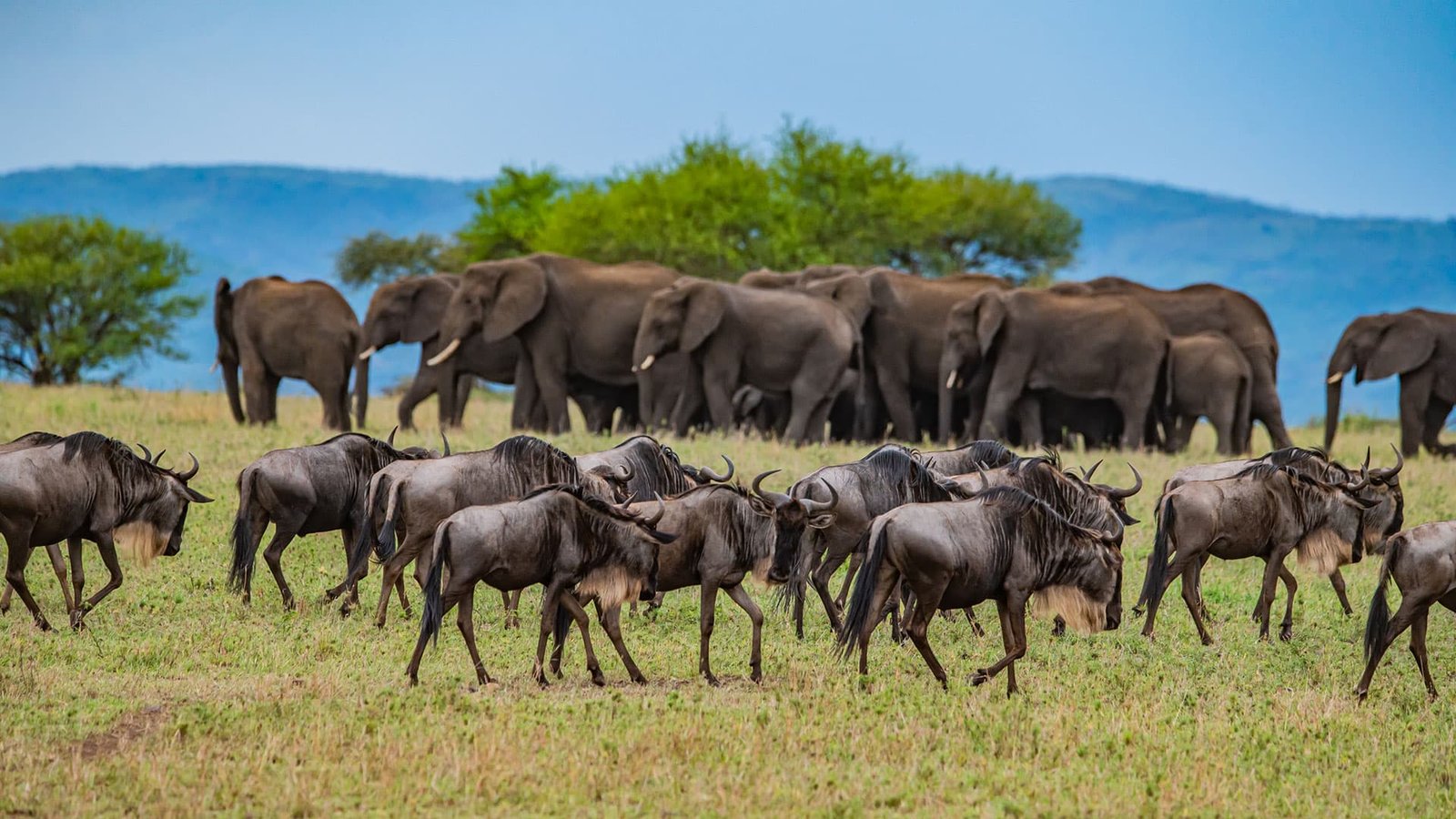
Answer: The best way to plan an affordable 14 or 21-night African safari and Zanzibar holiday as a solo traveller is to book directly with a reputable local safari operator in Kenya or Tanzania, compare small-group safari packages, and choose a combination of mid-range safari lodges and beach hotels. July is one of the best months to visit East Africa because it falls during the dry season, when wildlife viewing is generally excellent in the Masai Mara, Serengeti, Ngorongoro Crater, and other major safari destinations.
For a first-time visitor travelling from Gran Canaria in July 2027, a combined Kenya, Tanzania, and Zanzibar itinerary offers an excellent balance of wildlife adventures, cultural experiences, and beach relaxation. A 14-night trip is suitable for visiting the main highlights, while a 21-night holiday allows more time to explore several national parks without rushing.
Booking directly with an established local safari company can also support local businesses and may reduce intermediary costs. However, travellers should compare complete quotations, check company credentials, and confirm exactly what is included before making payments.
1. Where Should a Solo Traveller Start When Planning an African Safari?
The first step is to decide how many days you want to spend on safari compared with relaxing in Zanzibar. East Africa has many excellent wildlife destinations, but trying to visit too many national parks within a short period can increase transport costs and make the holiday exhausting.
For a 14-night holiday, consider spending approximately 9–10 nights exploring Kenya and Tanzania and 4–5 nights in Zanzibar. For a 21-night trip, you can spend around 13–15 nights on safari and the remaining 6–8 nights enjoying Zanzibar’s beaches, historical attractions, and cultural experiences.
It is also important to decide whether you prefer a private safari or a group-joining safari. Private safaris offer flexibility, but they can be expensive for solo travellers because the entire vehicle and guide costs are paid by one person. Group-joining safaris are usually more affordable because transport and guiding costs are shared.
Before requesting quotations, establish your approximate budget, preferred accommodation standard, travel dates, and must-see destinations.
2. Is July 2027 a Good Time for a Kenya and Tanzania Safari?
Yes. July is an excellent month for a Kenya and Tanzania safari because much of East Africa experiences relatively dry conditions, making wildlife easier to spot around rivers, waterholes, and open grasslands.
July also falls within the broader Great Wildebeest Migration season. Large herds are often found in the Western or Northern Serengeti, with some moving towards the Masai Mara as the season progresses. However, the timing of migration movements depends on rainfall and grazing conditions.
The famous Mara River crossings are unpredictable, and sightings cannot be guaranteed. Travellers who specifically want to experience the Great Migration should consider spending at least three nights in the Masai Mara or Northern Serengeti to improve their chances of encountering the herds.
July is also a popular travel month, so safari accommodation and Zanzibar beach hotels can become expensive. Booking well in advance is advisable, particularly for solo travellers seeking affordable group departures.
3. Recommended 14-Night Kenya, Tanzania and Zanzibar Safari Itinerary
A 14-night itinerary is ideal for a first-time visitor who wants to experience East Africa’s famous wildlife destinations while allowing time to relax on Zanzibar’s beaches.
| Day | Destination | Experience |
|---|---|---|
| 1 | Nairobi | Arrival, airport transfer and overnight stay |
| 2–4 | Masai Mara | Wildlife game drives, Big Five and possible migration sightings |
| 5 | Arusha | Transfer to Tanzania, using a flight connection where practical |
| 6 | Tarangire | Game drives and elephant viewing |
| 7 | Ngorongoro Highlands | Scenic drive and overnight near the crater |
| 8 | Ngorongoro Crater | Crater game drive and wildlife viewing |
| 9–10 | Serengeti | Wildlife safari and possible migration encounters |
| 11 | Zanzibar | Fly from the safari region to Zanzibar, subject to schedules |
| 12–14 | Zanzibar | Beach relaxation, Stone Town and optional excursions |
| 15 | Departure | Airport transfer and international departure |
This itinerary combines Kenya’s Masai Mara with Tanzania’s Serengeti and Ngorongoro Crater. The two ecosystems offer exceptional wildlife viewing, although visiting both countries requires careful coordination of flights, border arrangements, and safari vehicles.
For a solo traveller on a tighter budget, focusing on Tanzania’s northern safari circuit and Zanzibar may be more economical than including both Kenya and Tanzania.
4. Recommended 21-Night Kenya, Tanzania and Zanzibar Safari Itinerary
A 21-night holiday offers more flexibility, additional wildlife destinations, and a slower travel pace.
| Day | Destination | Experience |
|---|---|---|
| 1–2 | Nairobi | Arrival, rest and optional city excursions |
| 3–4 | Amboseli | Elephants and Mount Kilimanjaro views |
| 5 | Lake Naivasha | Boat safari and lakeside relaxation |
| 6 | Lake Nakuru | Rhino viewing and birdlife |
| 7–9 | Masai Mara | Big Five safari and possible migration sightings |
| 10 | Arusha | Travel to Tanzania via an arranged flight or road connection |
| 11–12 | Tarangire | Elephants, baobab trees and wildlife viewing |
| 13 | Ngorongoro Highlands | Scenic highland landscapes |
| 14 | Ngorongoro Crater | Crater game drive |
| 15–17 | Serengeti | Extensive wildlife viewing and migration-focused game drives |
| 18 | Zanzibar | Flight to Zanzibar |
| 19–21 | Zanzibar | Beaches, Stone Town and optional excursions |
| 22 | Departure | Airport transfer |
For this longer itinerary, a traveller could also choose to reduce the number of parks and spend more nights in Zanzibar. This is particularly appealing for someone who wants a combination of adventure and relaxation rather than continuous driving.
5. How Much Does a 14 or 21-Night Safari Cost for a Solo Traveller?
Safari prices depend on the season, accommodation standard, transport arrangements, number of national parks, and whether the traveller joins a group or books privately.
The following are broad planning estimates for July 2027, not confirmed package quotations.
| Safari type | 14 nights | 21 nights |
|---|---|---|
| Budget group safari and simple beach hotels | $3,000–$4,500 | $4,200–$6,500 |
| Mid-range group safari and beach hotels | $4,500–$7,000 | $6,500–$10,000 |
| Private safari with mid-range accommodation | $7,500–$12,000+ | $10,000–$16,000+ |
These estimates are per solo traveller, excluding international flights. They assume a combination of safari accommodation, selected meals, shared or private transport as appropriate, and Zanzibar hotel stays. They are indicative only; park fees, internal flights, single-room supplements, and cross-border logistics must be checked in each quotation.
Published 2027 group safari prices show that shared departures can offer substantial savings compared with private solo packages, although inclusions vary considerably.
A practical way to reduce costs is to join a scheduled group safari for the wildlife portion and book Zanzibar accommodation separately or through the same local operator.
6. How Can Solo Travellers Avoid Expensive Safari Package Deals?
The most effective way to reduce safari costs is to compare direct quotations from local operators rather than relying exclusively on international package holiday companies.
Local operators may offer more flexibility with accommodation choices, travel dates, and activities. However, direct booking is not automatically cheaper, so it is important to compare equivalent packages.
Before booking, check whether the quoted price includes national park entrance fees, game drives, accommodation, meals, airport transfers, domestic flights, and cross-border transport.
For group-joining safaris, ask about the maximum number of passengers per vehicle, whether a window seat is guaranteed, and whether the departure is confirmed.
Solo travellers should also check whether they will have a private room, share with another traveller, or pay a single-room supplement.
A lower advertised price may not represent better value if important expenses are excluded.
7. Is It Safe to Travel Alone in Kenya, Tanzania and Zanzibar?
Yes, many solo travellers enjoy successful holidays in Kenya, Tanzania, and Zanzibar, especially when travelling with established safari companies and staying in reputable accommodation. However, safety depends on the destination, activities, and precautions taken.
During an organized safari, visitors normally travel with professional driver-guides who understand wildlife behaviour, park regulations, and local travel conditions.
For solo travellers, joining a small-group safari can provide additional companionship while reducing transport costs.
In Nairobi, Arusha, and Zanzibar, use arranged airport transfers or trusted transport services, avoid walking alone in unfamiliar areas after dark, and keep valuables secure.
For accommodation, choose properties with reliable guest reviews, accessible locations, and clear transport arrangements.
It is also advisable to purchase comprehensive travel insurance covering medical treatment, emergency evacuation, and safari activities.
8. What Should Solo Travellers Know About Zanzibar?
Zanzibar is an excellent destination for relaxing after a wildlife safari. The island offers beautiful beaches, historic Stone Town, spice farms, snorkelling, diving, and opportunities to experience Swahili culture.
Nungwi Beach: Suitable for solo travellers who enjoy swimming, restaurants, boat trips, and a lively beach atmosphere.

Kendwa Beach: A good choice for travellers seeking beautiful sunsets, beach relaxation, and generally favourable swimming conditions.
Paje Beach: Popular with independent travellers, particularly those interested in kitesurfing, beach cafés, and social accommodation.
Stone Town: Ideal for exploring Zanzibar’s history, architecture, local markets, and cultural attractions.
For a first-time solo traveller, spending one or two nights in Stone Town followed by several nights in Nungwi, Kendwa, or Paje can provide a balanced experience.
9. What Travel Documents Are Required for Kenya, Tanzania and Zanzibar?
Entry requirements depend on your passport nationality rather than simply where you live or depart from.
For Kenya, most international visitors must obtain an approved Electronic Travel Authorisation before travelling, unless they qualify for an exemption.
Kenya Electronic Travel Authorization (eTA)
For Tanzania, many foreign visitors require a visa. Tanzania Immigration provides an official electronic visa application system, and travellers should check the requirements applicable to their nationality.
Mandatory inbound travel insurance also applies to foreign visitors entering Tanzania, subject to exemptions. Official guidance published in October 2026 clarifies that travellers visiting both mainland Tanzania and Zanzibar should not have to purchase duplicate mandatory inbound policies for the same covered journey.
Visitors should also check vaccination recommendations, yellow fever certificate requirements based on their route, passport validity, and their government’s latest travel advice before departure.
10. How Do You Choose a Reliable Local Safari Company?
Booking with a reputable locally based safari company is a practical way to support East African tourism businesses.
Before paying a deposit, verify that the company is properly registered, review independent customer feedback, and request a detailed written itinerary.
A reliable quotation should clearly identify the accommodation properties, number of nights, meal plans, safari vehicle type, included activities, national park fees, and cancellation conditions.
Travellers should also ask whether the company operates the safari directly or uses another operator, particularly for combined Kenya and Tanzania itineraries.
Avoid companies that pressure you into immediate payment without providing clear booking terms or verifiable business information.
11. When Should You Book a July 2027 African Safari?
For July 2027, beginning the planning process in October 2026 is sensible, particularly if you want to visit the Masai Mara or Northern Serengeti during migration season.
Popular lodges, migration-focused camps, and well-priced group departures may fill months in advance.
Early planning also allows time to compare local operators, arrange international flights, choose accommodation, and organize travel documentation.
For a solo traveller, it is especially important to confirm group departure dates before booking international flights.
Final Recommendation
For a first-time solo traveller planning a 14 or 21-night safari and Zanzibar holiday in July 2027, I would recommend prioritizing the Masai Mara, Serengeti, Ngorongoro Crater, and Zanzibar.
If your budget is limited, consider a Tanzania-only group safari followed by Zanzibar, or a Kenya group safari with a flight connection to Zanzibar. Both approaches can be simpler and more affordable than an extensive private cross-border safari.
For a 21-night holiday, combining Kenya and Tanzania becomes more practical because there is enough time to experience several wildlife destinations without rushing.
Ravina Tours and Travels, a Nairobi-based safari company, can be one option to approach for a tailored quotation alongside other local operators. Request a group-joining itinerary, a private safari alternative, and a clear breakdown of all costs before deciding.
The most important advice is to plan around your budget, travel independently where practical, use reputable local operators, and allow enough time to enjoy each destination. A well-planned African safari does not have to involve the most expensive luxury packages to provide an exceptional experience.
Create Safaris You've Always Imagined
Begin Your Safari Journey Today
Let's Turn Your Dream African Safari Into Reality

Let's Plan Your Kenya Safari Tours & Tanzania Safaris!
Let our experienced safari specialists guide your journey.
KE: +254 72210-3340 other countries