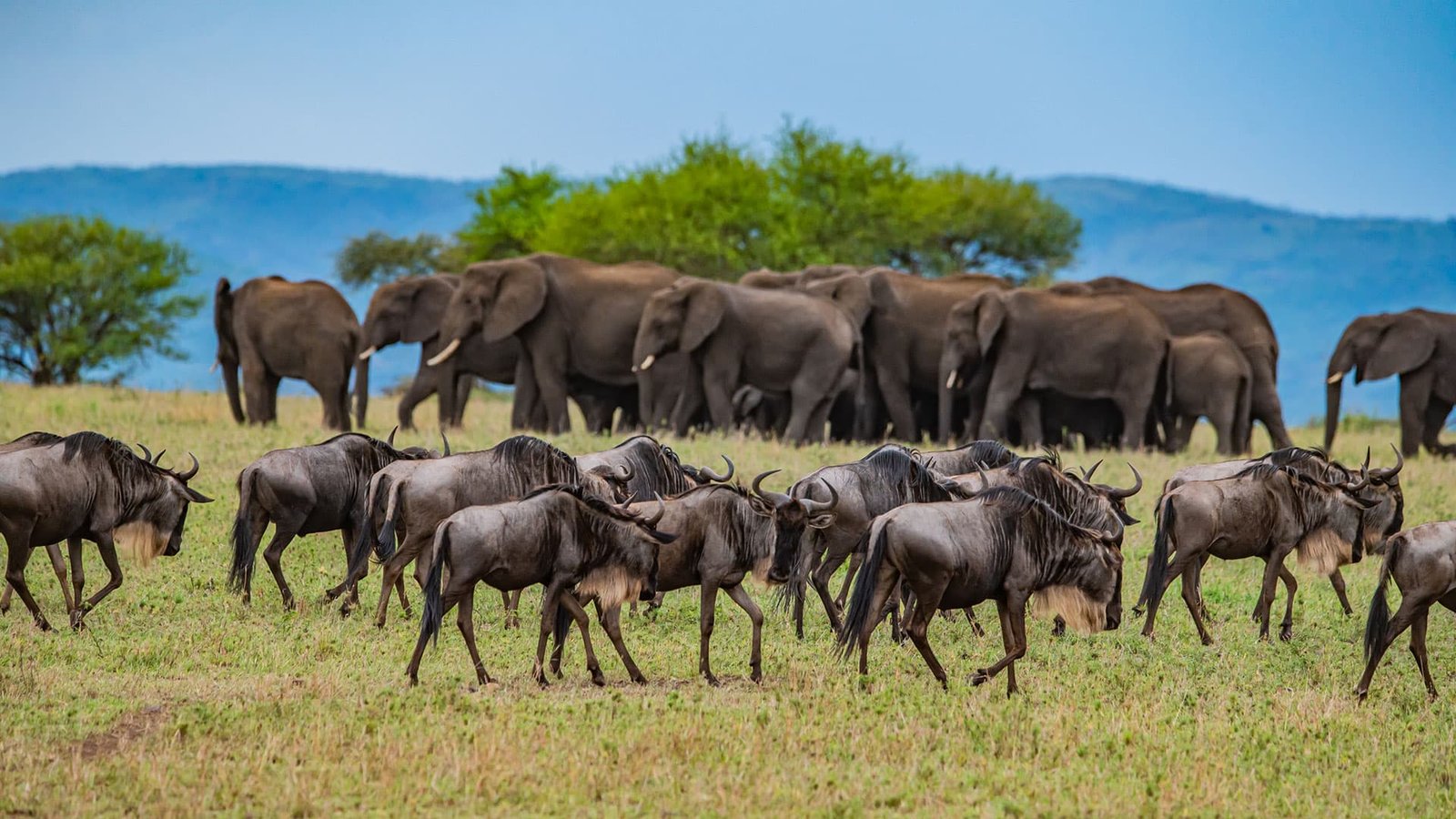
Planning a Kenya safari is an exciting experience, whether you dream of witnessing the Great Wildebeest Migration in the Masai Mara, watching elephants against the beautiful backdrop of Mount Kilimanjaro in Amboseli National Park, exploring the wildlife-rich landscapes of Samburu, or relaxing on the white sandy beaches of Diani and Watamu. However, before travelling to Kenya, international visitors must understand the country’s entry requirements, including the Kenya Electronic Travel Authorisation, commonly known as the Kenya eTA.
Kenya introduced the Electronic Travel Authorisation system in January 2024, replacing the previous electronic visa system for most international visitors. The system allows eligible foreign travellers to apply for permission to travel to Kenya before their departure. Unlike the traditional visa application process, the Kenya eTA is completed online, making it easier for travellers to submit their personal information, passport details and travel documents without visiting a Kenyan embassy or consulate.
However, not every international visitor requires a Kenya eTA. The Kenyan government has introduced exemptions for certain nationalities, permanent residents, valid permit holders and other eligible categories of travellers. For this reason, visitors should confirm the requirements applicable to their nationality before starting an application.
For safari travellers arriving from the United States, United Kingdom, Canada, Australia, Germany, France, Italy, India and other countries, understanding the Kenya eTA application process is an important part of preparing for a successful holiday.
This comprehensive guide explains everything you need to know about applying for a Kenya eTA, including the application process, required documents, fees, processing times, exemptions, common mistakes and important travel tips. It also covers entry requirements for children, families, honeymooners and travellers combining Kenya and Tanzania safaris.
What Is the Kenya Electronic Travel Authorisation (eTA)?
The Kenya Electronic Travel Authorisation is an electronic travel clearance issued by the Government of Kenya to eligible foreign visitors before they travel to the country. It allows Kenyan immigration authorities to review travellers’ personal information, passport details, travel arrangements and supporting documents before arrival.
The eTA is intended to simplify pre-travel screening and provide a convenient online application process for international visitors. Travellers can complete their applications using a computer, tablet or smartphone with an internet connection.
Once an application has been approved, the traveller receives an electronic authorisation that can be downloaded and saved on a mobile device or printed for presentation during travel.
It is important to understand that an approved Kenya eTA does not automatically guarantee entry into Kenya. Immigration officers at the airport or designated border crossing make the final decision on whether a traveller is admitted and how long they are permitted to remain in the country.
For visitors planning a Kenya wildlife safari, the eTA is one of the most important travel documents to prepare before departure, unless the traveller qualifies for an exemption.
Who Needs a Kenya eTA to Travel to Kenya?
Many foreign nationals visiting Kenya for tourism, wildlife safaris, business meetings, family holidays and other short-term purposes must obtain an approved eTA before travelling.
Travellers holding passports from countries such as the United States, United Kingdom, Canada, Australia, Germany, France and Italy generally require a Kenya eTA unless they qualify for a specific exemption.
However, Kenya has introduced exemptions for several categories of visitors, including citizens of certain countries and individuals holding qualifying Kenyan immigration documents.
Countries Exempt from Kenya eTA Requirements
Kenya has expanded its eTA exemption arrangements for certain nationalities. Citizens of East African Community partner states, including Uganda, Tanzania, Rwanda, Burundi, South Sudan and the Democratic Republic of Congo, benefit from special entry arrangements.
Several other African and non-African nationalities may also qualify for visa-free or eTA-exempt short visits. Examples include citizens of South Africa, Ghana, Botswana, Mauritius, Zambia, Zimbabwe, Nigeria, Morocco, Senegal, Singapore and Malaysia.
The permitted length of stay under these exemptions varies depending on nationality and the applicable immigration arrangements.
Kenyan citizens, qualifying permanent residents, holders of valid Kenyan permits and certain transit passengers may also be exempt from obtaining an eTA.
Because immigration policies can change, travellers should always verify their nationality-specific requirements through the official Kenya immigration authorities before departure.
Documents Required for a Kenya eTA Application
Before applying for a Kenya eTA, travellers should prepare the necessary documents and information. Having everything ready makes the application process easier and helps reduce the possibility of delays caused by missing or incorrect details.
1. Valid International Passport
All applicants must have a valid international passport. The passport should generally remain valid for at least six months from the intended date of arrival in Kenya and contain at least one blank page.
Your passport must be in good condition, with a clearly readable personal information page. Travellers whose passports are approaching their expiry date should consider renewing them before submitting an application.
The information entered during the eTA application must match the passport exactly, including the full name, date of birth, passport number and nationality.
2. Recent Passport Photograph or Selfie
Applicants are required to provide a recent photograph or selfie that meets the official application requirements.
The photograph should clearly show the applicant’s face, with suitable lighting and without unnecessary obstructions. Travellers should follow the photograph instructions provided during the application process.
Poor-quality photographs may lead to requests for additional information and delay the application.
3. Flight Booking or Travel Itinerary
Travellers should prepare information about their intended arrival and departure from Kenya.
For example, if you are flying from London to Nairobi for a seven-day Kenya safari, you may be asked to provide your international flight details and intended travel dates.
Visitors entering Kenya by road from Tanzania or Uganda should provide the relevant travel and border crossing information requested by the application.
4. Accommodation Booking Confirmation
Applicants should prepare details of their intended accommodation in Kenya.
For safari travellers, this may include hotel bookings in Nairobi and accommodation confirmations from safari lodges or tented camps in destinations such as Masai Mara, Amboseli, Lake Nakuru, Samburu or Tsavo.
If you have booked your holiday through a tour operator, the company can normally provide an accommodation itinerary or booking confirmation for your application.
5. Valid Email Address
A working email address is required during the application process. This email may be used to receive application acknowledgements, payment confirmations, requests for additional information and the final application decision.
Travellers should use an email address they can access regularly and check their spam or junk folders while waiting for approval.
6. Telephone Number and Contact Information
Applicants may be asked to provide their telephone number, residential address and other personal contact information.
These details should be accurate and consistent with the information provided in the rest of the application.
7. Accepted Payment Method
The Kenya eTA application process requires online payment for applicants who are subject to the relevant fee.
Travellers should have an accepted credit card, debit card or another supported payment method available before beginning the application.
Additional supporting documents may be requested depending on the traveller’s nationality, purpose of visit and individual circumstances.
How to Apply for a Kenya eTA Online: Step-by-Step Guide
Applying for a Kenya eTA is generally straightforward when you have prepared the required documents and travel information. The application can be completed online without visiting an immigration office or embassy.
Step 1: Visit the Official Kenya eTA Application Portal
Begin by accessing the official Kenya Electronic Travel Authorisation application portal operated by the Government of Kenya.
Before entering your personal information, ensure that you are using the genuine government application service rather than an unofficial third-party website.
Read the eligibility requirements and application instructions carefully before proceeding.
Step 2: Select the Appropriate Application Type
Choose the application category that matches your travel arrangements.
The system provides options for individual travellers and groups. Families travelling together may use the available group application facility, although each traveller who requires an eTA must have their own approved authorisation.
Parents or guardians may complete applications on behalf of children.
Step 3: Enter Your Personal Information
Complete the personal information section using the details shown in your passport.
You may be required to provide your full name, date of birth, nationality, country of residence, passport number, passport issue date and passport expiry date.
Ensure that all information is correct before continuing. Even a small spelling mistake or an incorrect passport number can create difficulties during airline check-in or immigration processing.
Step 4: Upload Your Passport and Photograph
Upload a clear image of the personal information page of your passport and a suitable recent photograph or selfie.
Make sure that the passport image is readable and that the uploaded files meet the format and size requirements displayed by the application system.
Avoid submitting blurred images, cropped passport details or photographs that do not meet the official instructions.
Step 5: Provide Your Travel Information
Enter the details of your planned visit to Kenya, including your expected arrival date, departure date, purpose of travel and accommodation arrangements.
For safari travellers, the purpose of travel will generally be tourism.
You may also need to provide flight details, the name of your first accommodation property and other information relating to your planned journey.
If you are travelling on a Kenya safari package, use the information provided in your confirmed itinerary.
Step 6: Complete the Required Declaration Questions
The application may include questions about your travel history, health, security or other matters relevant to immigration screening.
Answer all questions truthfully and provide any additional documents requested by the system.
Providing misleading or incorrect information may result in delays, refusal or immigration difficulties.
Step 7: Review Your Application
Before submitting the application, carefully review every section.
Pay particular attention to your passport number, name, nationality, date of birth, arrival date and accommodation information.
Ensure that the documents uploaded are correct and that your contact details are accurate.
Step 8: Pay the Kenya eTA Application Fee
After reviewing your information, proceed to the payment section.
The applicable fee will be displayed before payment. The amount may depend on the application category and any additional services selected.
Complete the payment using an accepted method and keep the confirmation for your records.
Step 9: Submit Your Application and Wait for Processing
Once payment and submission are complete, you should receive an acknowledgement or application reference.
Keep this reference because it may be needed to track the progress of your application or contact immigration support.
Applications are reviewed by the relevant Kenyan authorities, and additional information may be requested when necessary.
Step 10: Download Your Approved Kenya eTA
When your application is approved, download the electronic travel authorisation document.
Check that your personal information matches your passport and that the authorisation is suitable for your planned journey.
Save a copy on your smartphone and consider printing another copy to carry with your passport.
You may be asked to present your approved eTA during airline check-in, boarding or immigration inspection when arriving in Kenya.
How Much Does a Kenya eTA Cost in 2026?
The cost of applying for a Kenya Electronic Travel Authorisation depends on the application category and the processing services selected.
The standard Kenya eTA application fee has been published as starting from USD 30 per person. Additional charges may apply for expedited processing or other services, depending on the options available at the time of application.
Travellers should also be aware that payment processing charges or other applicable government fees may affect the final amount.
For example, a family of four travelling to Kenya for a safari should budget for four individual applications if all family members require an eTA.
The fee is separate from the cost of international flights, safari accommodation, national park entrance fees and other travel expenses.
Applicants should always check the current fee displayed by the official Kenya eTA application system before making payment.
How Long Does Kenya eTA Approval Take?
The standard Kenya eTA processing period is generally approximately three working days. However, some applications may take longer, especially when additional document verification or immigration checks are required.
The Kenyan government recommends submitting applications at least two weeks before the intended travel date.
For safari travellers, applying early is particularly important because wildlife holidays often involve several confirmed services, including international flights, safari lodges, domestic flights and private transportation.
For example, if you are planning to arrive in Nairobi on 15 August for a Great Migration safari in the Masai Mara, submitting your application by the beginning of August provides more time to address any unexpected issues.
Travellers should avoid making last-minute applications, especially when travelling during popular safari months such as July, August, September and October.
Although expedited processing may be available, faster service does not guarantee approval. Every application remains subject to the required immigration checks.
How Long Is a Kenya eTA Valid?
A Kenya eTA is generally valid for travel within 90 days from the date of issuance. However, this should not be confused with the period a visitor is permitted to stay in Kenya.
The actual length of stay is determined by immigration authorities when the traveller enters the country.
For example, a visitor travelling to Kenya for a ten-day safari may receive permission to stay for a longer period, but they must comply with the specific conditions granted upon arrival.
Travellers planning extended holidays, multiple entries or visits to neighbouring countries should confirm the relevant immigration conditions before travelling.
If your passport expires or is replaced after receiving an approved eTA, you should check whether a new application is required.
How to Check Your Kenya eTA Application Status
After submitting your Kenya eTA application, you can check its progress through the official application portal.
You will normally need your application reference or other identifying information provided during submission.
Depending on the progress of your application, the status may indicate that the application is being reviewed, additional information is required, or a decision has been made.
If your application remains under review beyond the normal processing period, check your email for any requests from the immigration authorities.
If necessary, contact the official Kenya eTA support team for assistance.
Do not submit multiple applications simply because the first application has not yet been approved unless you have been instructed to do so.
Kenya eTA Requirements for Children and Families
Kenya is one of Africa’s leading family safari destinations, offering exciting wildlife experiences in places such as Amboseli National Park, Masai Mara National Reserve, Lake Nakuru National Park and Ol Pejeta Conservancy.
However, families travelling with children must understand the relevant entry requirements before departure.
Children and infants who are not covered by an exemption generally require their own approved Kenya eTA.
For example, a family consisting of two adults and two children may need four separate authorisations, even if everyone is travelling together under one safari booking.
Parents or legal guardians can complete the application process on behalf of their children.
Families should also prepare any additional travel documents that may be required, including birth certificates, parental consent letters or custody documents where relevant.
This is especially important when children are travelling with one parent, grandparents, relatives or another accompanying adult.
Safari operators can assist families by providing accommodation confirmations, travel itineraries and other supporting booking information.
Kenya eTA for Travellers Combining Kenya and Tanzania Safaris
Many international visitors choose to combine Kenya and Tanzania in one African safari holiday.
A typical Kenya and Tanzania safari itinerary may include Nairobi, Masai Mara National Reserve, Serengeti National Park, Ngorongoro Crater, Tarangire National Park and Zanzibar.
Travellers may enter Kenya through Jomo Kenyatta International Airport in Nairobi, explore the Masai Mara and later cross into Tanzania through the Isebania border.
Alternatively, visitors may begin their safari in Tanzania and enter Kenya through Namanga or another designated border crossing.
It is important to understand that Kenya and Tanzania have separate immigration requirements.
An approved Kenya eTA does not automatically authorise entry into Tanzania. Depending on nationality, travellers may need a Tanzanian visa or another form of entry permission.
Similarly, a Tanzanian visa does not replace a Kenya eTA.
Can You Re-enter Kenya After Visiting Tanzania?
Travellers planning to leave Kenya for Tanzania and later return should confirm whether their existing travel authorisation and immigration permission allow re-entry.
For example, a visitor may arrive in Nairobi, travel to the Masai Mara, cross into Serengeti National Park and later return to Kenya through the Namanga border.
The applicable re-entry conditions depend on the traveller’s nationality, immigration status and the authorisation issued.
For this reason, travellers should not assume that an approved Kenya eTA automatically permits unlimited entries.
Before booking a combined Kenya and Tanzania safari, confirm the requirements for both countries and ensure that your travel documents cover the full itinerary.
Do You Need Another Kenya eTA for a Safari and Beach Holiday?
Many travellers combine Kenya’s national parks with a relaxing beach holiday along the Indian Ocean.
Popular combinations include Masai Mara and Diani Beach, Amboseli and Watamu, or Tsavo East National Park and Mombasa.
If you remain within Kenya throughout your holiday, you generally do not need another eTA simply because you are travelling between different destinations.
For example, a traveller may arrive in Nairobi, spend three nights in the Masai Mara, continue to Amboseli for two nights and finish with four nights in Diani Beach.
Domestic travel between these destinations does not normally require a new eTA.
However, if your holiday includes leaving Kenya for another country before returning, you should confirm the relevant re-entry requirements.
What Happens When You Arrive at Jomo Kenyatta International Airport?
Jomo Kenyatta International Airport in Nairobi is the main international arrival point for many travellers visiting Kenya for wildlife safaris.
After landing, passengers proceed to the immigration area, where officials inspect their travel documents.
You may be asked to present your passport, approved eTA and supporting travel information.
Immigration officers may also ask questions about the purpose of your visit, the length of your intended stay, your accommodation arrangements and your departure plans.
Once immigration formalities are completed, you can collect your luggage and proceed through customs.
If you have booked an organised Kenya safari, your professional safari driver-guide or airport representative will normally meet you at the designated arrivals area.
Depending on your itinerary, you may be transferred to a Nairobi hotel or begin your journey towards your first safari destination.
Other Important Entry Requirements for Kenya Safari Travellers
Yellow Fever Vaccination Requirements
Kenya may require travellers arriving from countries with a risk of yellow fever transmission to present a valid yellow fever vaccination certificate.
The requirement depends on the country of departure, travel history and applicable transit circumstances.
Visitors travelling directly from certain countries outside Africa may not require a yellow fever certificate, but those combining Kenya with other African destinations should check the relevant health regulations.
Travellers should confirm the latest requirements before departure, particularly when visiting multiple countries.
Travel and Medical Insurance
Travel insurance is an important consideration for anyone planning a Kenya safari.
Although wildlife safaris are generally organised with safety in mind, unexpected circumstances can arise during international travel.
Comprehensive travel insurance can provide protection against medical emergencies, trip cancellation, lost luggage, flight delays and other unexpected expenses, depending on the policy.
For safari travellers visiting remote destinations such as the Masai Mara, Samburu, Tsavo or Amboseli, medical evacuation coverage is particularly important.
Travellers should also check whether any additional government-mandated travel health insurance applies to their visit.
Passport and Immigration Requirements
Before travelling to Kenya, ensure that your passport meets the minimum validity requirements and contains sufficient blank pages.
Your passport details must match those used in your eTA application.
If you hold more than one passport, travel using the passport associated with your approved authorisation.
Travellers should also ensure that they comply with the conditions of their permitted stay.
Common Kenya eTA Application Mistakes to Avoid
1. Entering Incorrect Passport Information
One of the most common application mistakes is entering incorrect personal information.
Always check that your full name, passport number, nationality and date of birth match your passport exactly.
2. Applying Too Close to Your Departure Date
Waiting until the last few days before departure can create unnecessary stress.
Submit your application early enough to allow for normal processing and possible additional checks.
3. Using Unofficial Application Websites
Some third-party websites may charge additional service fees or present themselves as official application platforms.
Always verify that you are using the genuine government service before entering personal information or making payment.
4. Uploading Poor-Quality Documents
Blurred passport images, incomplete documents or unsuitable photographs may delay your application.
Ensure all uploaded files meet the requirements displayed by the application system.
5. Providing Incorrect Travel Dates
Your expected arrival and departure dates should be consistent with your travel arrangements.
If your safari dates change after submitting your application, check whether the change affects your authorisation.
6. Forgetting Children’s Applications
Parents sometimes assume that children can travel under their parents’ authorisation.
Each child who requires an eTA must have their own approved authorisation.
7. Ignoring Application Emails
Immigration authorities may request additional information during processing.
Check your email regularly to avoid missing important updates.
8. Confusing the eTA With a Visa for Another Country
An approved Kenya eTA does not provide automatic entry into Tanzania, Uganda, Rwanda or another African country.
Always check the immigration requirements of every country included in your safari itinerary.
Kenya eTA Frequently Asked Questions
1. Do I Need a Visa to Visit Kenya for a Safari?
Kenya replaced its previous electronic visa system with the Electronic Travel Authorisation system for most international visitors in January 2024. Many safari travellers now need an approved eTA before travelling, although certain nationalities and categories of visitors are exempt.
2. Can I Apply for a Kenya eTA Online?
Yes. Eligible travellers can complete the application process online through the official Kenya eTA system. Applicants generally do not need to visit a Kenyan embassy for a standard tourism application.
3. How Early Should I Apply for a Kenya eTA?
It is advisable to apply at least two weeks before your planned departure. This allows time for normal processing and any additional information that may be requested.
4. How Much Does a Kenya eTA Cost?
The standard Kenya eTA application fee has been published as starting from USD 30 per person. Additional processing charges or service fees may apply. Always confirm the current amount before payment.
5. Can I Get a Kenya eTA on Arrival?
Travellers who require an eTA should obtain approval before beginning their journey to Kenya. Do not rely on receiving an eTA after arriving at the airport or border.
6. How Long Can I Stay in Kenya With an eTA?
The length of stay is determined by Kenyan immigration authorities when you enter the country. The validity period of the eTA for travel is not necessarily the same as your permitted length of stay.
7. Do British Citizens Need a Kenya eTA?
British passport holders generally require an approved Kenya eTA for tourism unless they qualify for a specific exemption.
8. Do American Citizens Need a Kenya eTA?
United States passport holders generally require a Kenya eTA before travelling for tourism, subject to any applicable exemptions.
9. Do Children Need a Kenya eTA?
Yes. Children and infants who are not exempt generally require their own approved eTA, even when travelling with their parents.
10. Can I Visit Masai Mara With a Kenya eTA?
Yes. Travellers who have been admitted to Kenya for tourism can visit the Masai Mara and other national parks during their permitted stay. Park entrance fees are separate from immigration authorisation charges.
11. Do I Need Another eTA to Travel From Nairobi to Mombasa?
No. Domestic travel within Kenya does not normally require a separate eTA.
12. Can My Safari Operator Help With My Kenya eTA Application?
Yes. A safari operator may help you understand the requirements, prepare accommodation confirmations and organise your travel itinerary. Applications submitted on your behalf must contain accurate information and comply with the official application rules.
13. What Happens If My Kenya eTA Is Rejected?
If your application is refused, contact the relevant Kenyan immigration authorities for clarification. Do not travel to Kenya relying on a rejected application.
14. Can I Use My Kenya eTA to Enter Tanzania?
No. Kenya and Tanzania have separate immigration systems. Travellers planning a combined safari must meet the entry requirements of both countries.
15. Is Kenya eTA Approval Guaranteed?
No. Every application is subject to review by Kenyan immigration authorities. Approval is not guaranteed, and an approved eTA does not automatically guarantee admission at the border.
Kenya Safari Travel Checklist Before Departure
Before leaving your home country, make sure you have completed the following preparations:
- Confirm whether your nationality requires a Kenya eTA.
- Check that your passport meets the required validity period.
- Prepare your passport photograph and supporting travel documents.
- Confirm your international flight details.
- Obtain your safari accommodation confirmations.
- Submit your Kenya eTA application early.
- Pay the applicable government fees.
- Download and save your approved authorisation.
- Check yellow fever vaccination requirements.
- Arrange suitable travel and medical insurance.
- Confirm entry requirements for Tanzania or Uganda if visiting multiple countries.
- Keep copies of your safari itinerary and emergency contact details.
- Confirm your airport pickup arrangements with your safari operator.
Why Booking Your Safari With a Local Kenya Tour Operator Can Make Travel Easier
Planning an African safari involves more than choosing national parks and accommodation. International travellers must also consider flight arrangements, airport transfers, park entrance fees, travel documents, transportation and the best time to visit different wildlife destinations.
Working with an experienced local safari operator can make these arrangements easier to manage.
A Kenya-based tour operator can help travellers prepare a realistic itinerary, select suitable safari lodges, arrange private transportation and provide accommodation confirmations that may be useful during the eTA application process.
For example, travellers planning a seven-day Kenya safari covering Amboseli, Lake Nakuru and Masai Mara can receive a detailed itinerary showing their accommodation, destinations and travel dates.
For visitors combining Kenya and Tanzania, an experienced safari company can also help coordinate border transfers, safari vehicles, accommodation and domestic flights.
However, immigration approval remains the responsibility of the relevant government authorities. No safari operator can guarantee that an eTA will be approved.
Conclusion: Apply for Your Kenya eTA Before Your Safari Adventure
The Kenya Electronic Travel Authorisation is an important part of preparing for a safari holiday for travellers who are required to obtain one. Understanding the application process, gathering the correct documents and submitting accurate information early can help reduce travel complications.
Whether you are planning a luxury Masai Mara safari, an Amboseli elephant safari, a family holiday in Kenya, a Great Migration adventure, a Kenya and Tanzania combined safari or a wildlife and beach holiday, checking your entry requirements should be one of the first steps in your travel preparations.
Kenya offers some of Africa’s most unforgettable wildlife experiences, from the endless plains of the Masai Mara and the spectacular scenery of Amboseli to the rugged landscapes of Samburu and the beautiful Indian Ocean coastline.
With the right travel documents, a carefully planned itinerary and reliable safari arrangements, you can focus on enjoying the remarkable wildlife, landscapes and cultures that make Kenya one of Africa’s leading safari destinations.
Important Travel Information: This article is intended as a general guide for safari travellers planning to visit Kenya in 2026 and 2027. Immigration requirements, nationality exemptions, application fees, processing times and health regulations may change. Travellers should always verify the latest requirements with the Kenya Directorate of Immigration Services before departure.
Create Safaris You've Always Imagined
Begin Your Safari Journey Today
Let's Turn Your Dream African Safari Into Reality

Let's Plan Your Kenya Safari Tours & Tanzania Safaris!
Let our experienced safari specialists guide your journey.
KE: +254 72210-3340 other countries