We’re a family of six planning approximately 6 nights in December through Tarangire, Central Serengeti, Ndutu and Ngorongoro, followed by Zanzibar.
I’ve been contacting lodges directly and have received a reasonable quote for a private 4×4 Land Cruiser and driver-guide for the week.
I’m trying to understand the park entrance and conservation fees, particularly which fees lodges include, how the 24-hour permits work, and whether there are any hidden costs or logistical challenges I haven’t considered.
Has anyone organized their safari this way? Would love to hear your experiences and anything you wish you’d known beforehand!
Answer
Yes, organizing a Tanzania safari independently is absolutely possible, and for a family of six, it can be a good way to customize your experience and potentially save money. However, there are a few important things to understand before confirming your accommodation and private safari vehicle, particularly regarding park fees, Ngorongoro conservation charges, concession fees, and the logistics of travelling between Tarangire, Central Serengeti, Ndutu, and Ngorongoro.
One of the biggest things to watch out for is that accommodation rates do not always include national park entrance fees or concession fees. Some lodges quote full-board accommodation only, while others include certain conservation or concession charges. Even when a lodge advertises an all-inclusive stay, this does not necessarily mean government park fees are covered. I would strongly recommend requesting a written breakdown from each property showing exactly what is included and excluded.
For Tanzania National Parks such as Tarangire and Serengeti, entrance fees for overnight visitors are generally calculated using 24-hour permit periods. For example, entering Serengeti at 2:00 PM may mean your permit is valid until 2:00 PM the following day. However, the precise rules depend on the permit category and current park regulations. Your driver-guide should plan the entry and exit times carefully to avoid unexpected additional charges.
Ngorongoro is slightly different. The conservation area has its own entrance fees, and entering the Ngorongoro Crater requires an additional crater service fee charged per vehicle. This means that even after paying individual conservation entrance fees, you will still need to budget for the crater descent. Travelling through Ngorongoro to reach Serengeti and returning through the conservation area can also create additional entry charges, depending on the route and timing.
Ndutu is another area that needs careful attention. The wider Ndutu region lies around the boundary between the Ngorongoro Conservation Area and southern Serengeti. Depending on the exact location of your lodge and where your game drives take place, different park or conservation fees may apply. Make sure you confirm whether your accommodation is within the Ngorongoro-administered area or inside Serengeti National Park.
For a family of six, I would also recommend checking the safari vehicle arrangement. A seven-seat Land Cruiser can accommodate six passengers and a driver, but confirm that everyone has a comfortable seat, good wildlife-viewing access, and enough space for luggage. Ask whether fuel, unlimited game-drive mileage, guide accommodation, guide meals, vehicle park entry fees, and airport transfers are included in the quoted price.
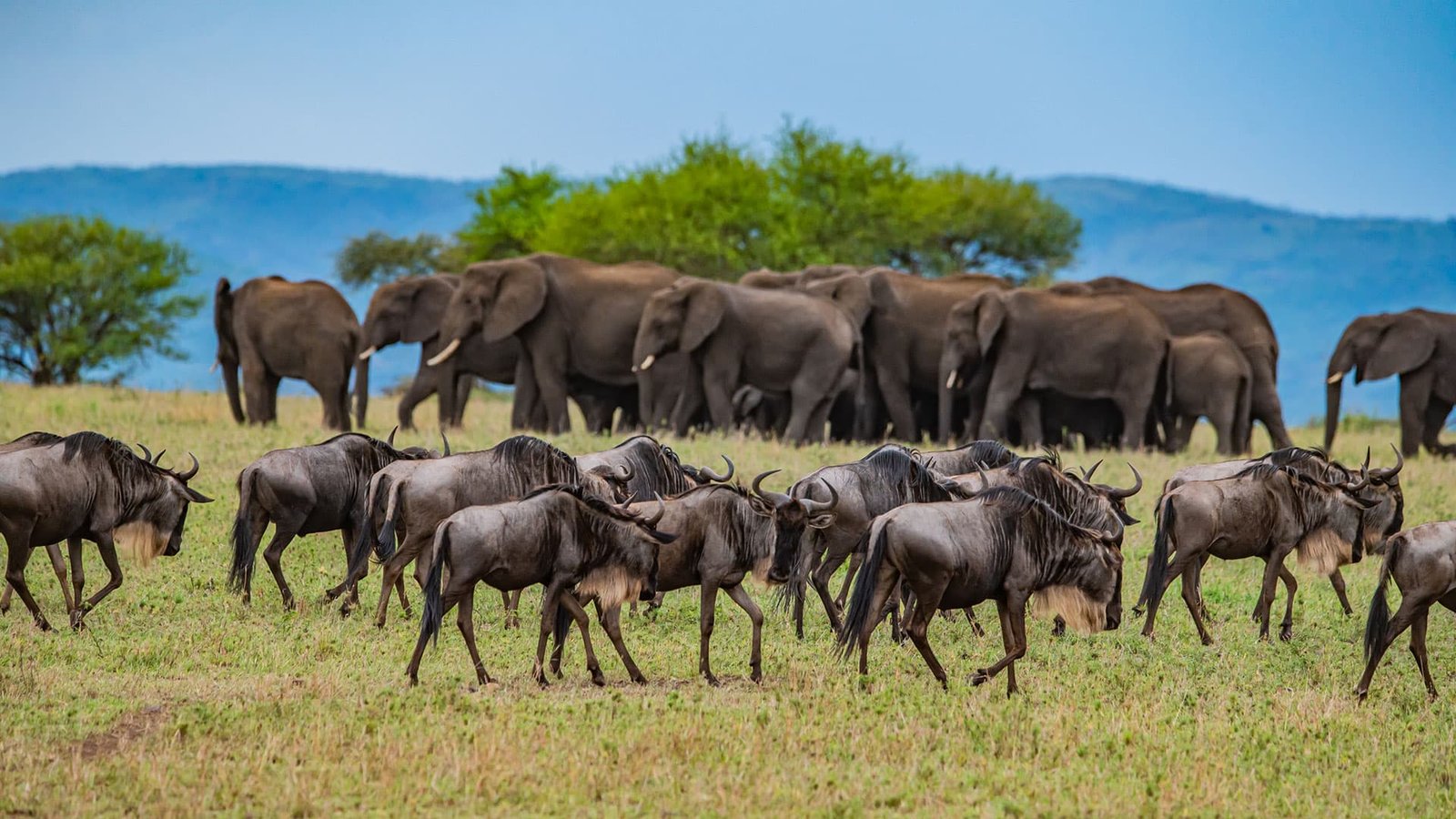
December is a lovely time to visit Tanzania, especially if you are interested in the Great Wildebeest Migration. The herds often begin moving towards the southern Serengeti and Ndutu region as seasonal rains encourage fresh grass growth. However, migration movements depend on rainfall, so there is no guarantee that large herds will be in Ndutu during your exact travel dates. Central Serengeti remains a rewarding wildlife destination throughout the year, particularly for lions, leopards, elephants, giraffes, and other resident wildlife.
One logistical consideration is the amount of driving involved. Travelling from Tarangire to Central Serengeti can take much of the day, and with only six nights, your itinerary will be fairly busy. If possible, I would recommend spending at least two nights in Central Serengeti and two nights in Ndutu, with the remaining nights divided between Tarangire and the Ngorongoro area. This provides a reasonable balance between game drives and travel time.
Since you are continuing to Zanzibar, I would also suggest checking flight options from Arusha or Kilimanjaro, or from a suitable safari airstrip if your itinerary allows. Avoid scheduling a domestic flight too close to a long road transfer or crater excursion, as delays can happen.
Another important point is the difference between booking independently and booking through a local safari operator. Sometimes lodges offer attractive direct rates, but safari operators may have contracted accommodation prices and can combine park fees, transport, accommodation, guide expenses, and transfers into one quotation. It is worth comparing the final independent cost against a fully inclusive private safari package before making payments.
My recommendation: Before confirming anything, ask your driver-guide or vehicle provider to prepare a complete day-by-day breakdown of all park entrance fees, concession fees, Ngorongoro charges, vehicle fees, and any guide-related expenses. Also ask every lodge to confirm in writing whether government fees are included. This will help you avoid unexpected costs during the safari.
At Ravina Tours and Travels, we help families plan customized Tanzania safaris covering Tarangire, Serengeti, Ndutu, Ngorongoro, and Zanzibar. We can also assist with reviewing itineraries and preparing fully inclusive safari quotations so travellers can compare their options.
Website: INQUIRE NOW
Overall, your proposed route is a wonderful choice for a December family safari. With careful planning, clear fee arrangements, and a reliable driver-guide, you can enjoy an unforgettable Tanzania wildlife experience before heading to Zanzibar.
Create Safaris You've Always Imagined
Begin Your Safari Journey Today
Let's Turn Your Dream African Safari Into Reality

Let's Plan Your Kenya Safari Tours & Tanzania Safaris!
Let our experienced safari specialists guide your journey.
KE: +254 72210-3340 other countries